An estimated 200,000 more small and medium enterprises (SMEs) are set to be exempted from e-invoicing after the government announced that the exemption threshold will be increased to RM1 million in annual revenue, starting in 2026.
In a statement on Sunday, the Small and Medium Enterprises Association Malaysia (Samenta) said the higher threshold is a timely move that shows the government understands the real challenges faced by micro and small businesses, many of whom continue to struggle with increased costs and limited resources.
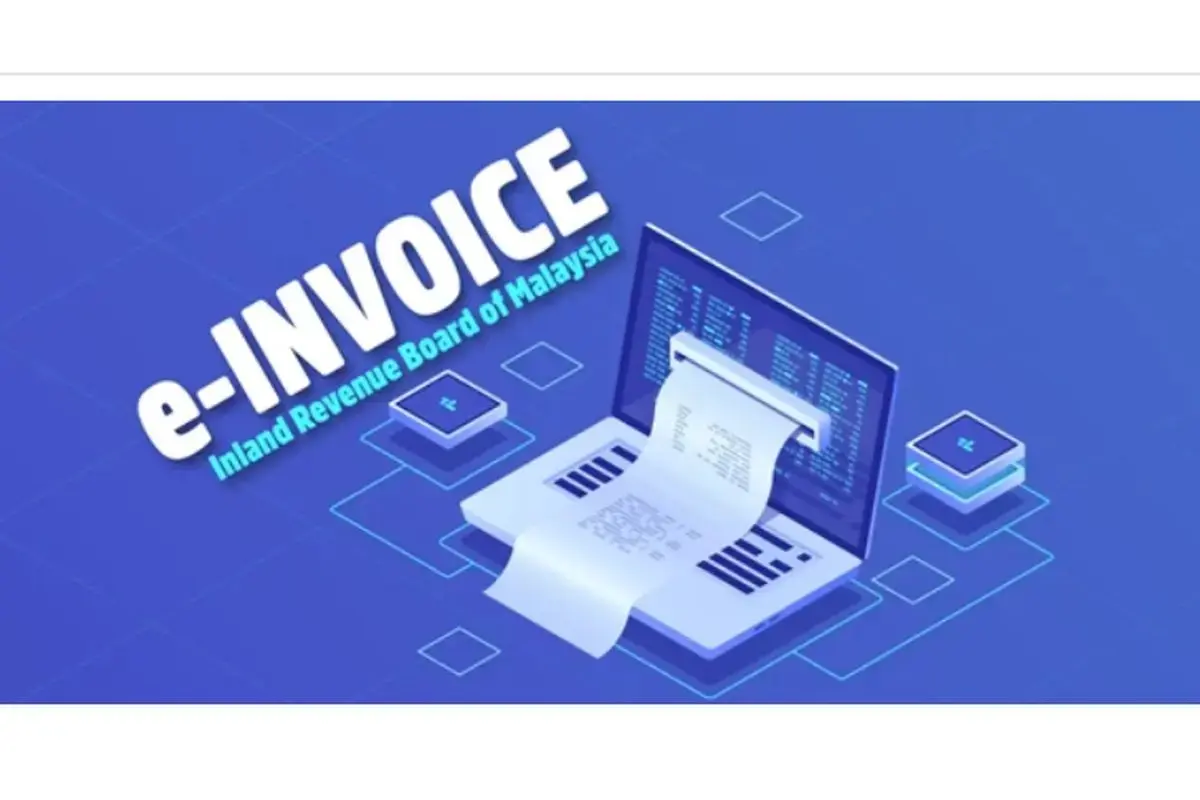
Samenta national president Datuk William Ng explained that a large number of SMEs that now fall under the expanded exemption category are businesses operating with very tight margins and limited capacity to adopt new digital systems such as e-invoicing.
“For these businesses, the government’s decision provides much-needed breathing room,” he said. “They are already dealing with rising operating costs, uncertainties in tariffs, stronger competition from foreign online sellers, and new compliance requirements. The exemption gives them time to stabilise, plan ahead, and make improvements gradually instead of rushing into digital processes they are not ready for.”
Ng added that while the exemption eases pressure on smaller companies, it also supports Malaysia’s broader digitalisation agenda by ensuring that e-invoicing adoption progresses in a way that is practical, realistic, and considerate of different business capabilities across the SME sector.
He reminded SMEs not to treat the exemption as a reason to delay technological upgrades entirely.
“SMEs should use this extra time to tidy up their accounting processes, organise their financial records, and slowly adopt digital tools where possible,” he said. “Early preparation will not only make future e-invoicing compliance smoother but also help improve efficiency, cash-flow management and competitiveness.”
Ng emphasised that the exemption window should be seen as an opportunity for businesses to strengthen their foundations and gradually transition into digital systems, rather than postponing change indefinitely.