The government has postponed the mandatory implementation of e-invoicing for companies with annual sales between RM1 million and RM5 million, which was originally scheduled to take effect on Jan 1, Prime Minister Datuk Seri Anwar Ibrahim said.
Anwar said the decision was made after feedback from businesses highlighted high implementation costs and readiness challenges, particularly among smaller companies.
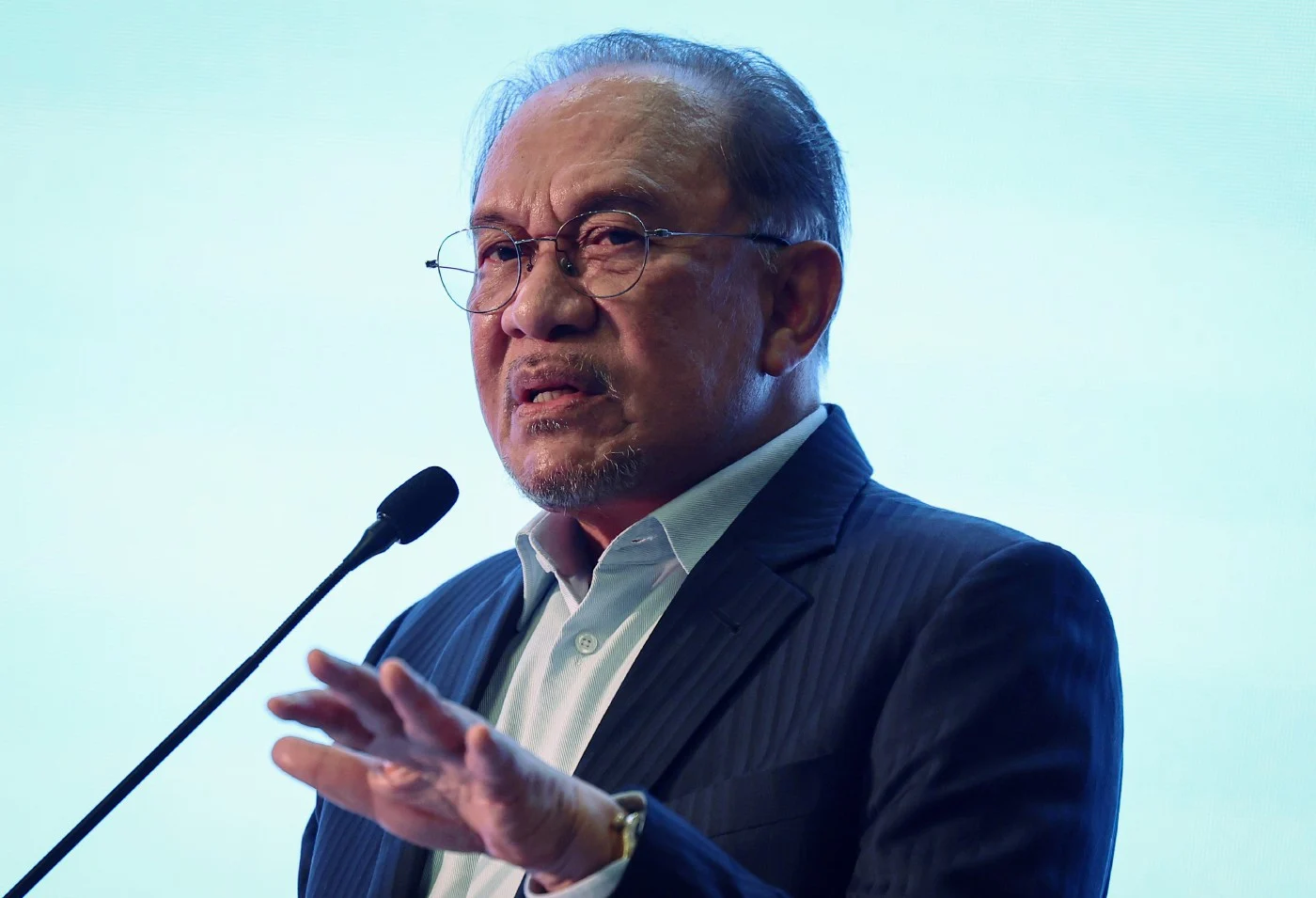
As a result, the government has agreed to extend the transition period for e-invoicing by another year without imposing any penalties. The extension will also include the expansion of consolidated e-invoicing facilities to businesses in the retail and building materials sectors.
“We agreed to extend the transition period without penalties for another year because many have said the cost involved is very high,” Anwar said during the Prime Minister’s Department monthly assembly in Putrajaya on Monday (Jan 5).
In a related move, Anwar announced that the service tax on rental services has been reduced to 6% from 8%, following concerns raised by stakeholders. The reduction is expected to cost the government nearly RM500 million in revenue.
Additionally, rental services provided to micro, small and medium enterprises (MSMEs) with annual sales below RM1.5 million will now be exempted from the service tax.
Anwar also said the government has agreed to extend the voluntary stamp duty disclosure programme for another six months, from Jan 1 to June 30.
On income tax matters, Anwar noted that the government has paid RM22.5 billion in tax refunds, with the Inland Revenue Board (LHDN) successfully resolving 3.5 million backlogged refund cases last year.
He added that all outstanding refunds for the 2023 assessment year are expected to be settled by the first quarter of this year, while refunds for 2024 are targeted to be completed by year-end.
Separately, Anwar said the Cabinet has agreed to limit tax exemptions for registered manufacturers of animal feed, fertilisers and insecticides as part of efforts to lower agricultural production costs.
The prime minister said the decisions were made during a special Cabinet meeting held prior to the monthly assembly.