Nor Arieni Adriena Mohd Ritzal, founder of Gula Cakery Group Sdn Bhd, shares her journey from baking at home to building a multi-outlet café brand, along with insights on scaling operations, managing rising costs, and expanding beyond the Klang Valley.
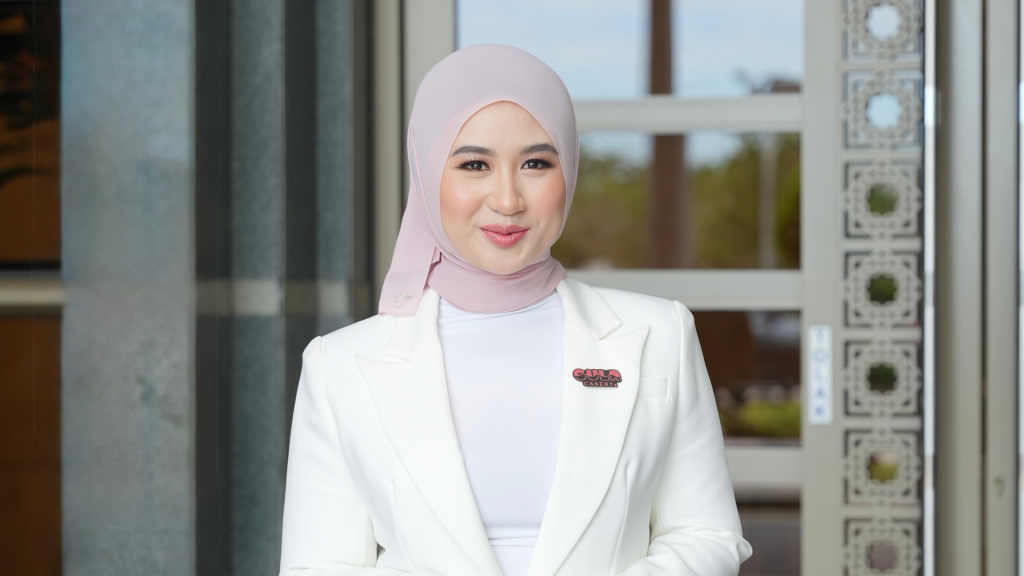
Nor Arieni Adriena Mohd Ritzal, founder of Gula Cakery Group Sdn Bhd.
1. Could you share about your own background and what led you to enter the baking and F&B world to start your own business?
My journey into the F&B industry was not a straight line. I began my academic path in Early Childhood Education and worked as a teacher, a role that shaped my patience, discipline, and appreciation for nurturing people. Teaching instilled in me the importance of structure, consistency, and creating meaningful experiences — values that later became the foundation of how I built and continue to run Gula Cakery today.
Alongside teaching, food had always been a significant part of my life. I started baking as a teenager, learning from my grandmother’s recipe book, and quickly realised that baking offered the same fulfilment as teaching. It was hands-on, creative, and allowed me to bring joy to others. As this passion grew, I pursued formal culinary and baking courses to strengthen my technical skills and deepen my understanding of food.
In 2009, I began baking from home, selling to friends and family, conducting baking classes, and participating in local bazaars. With strong support from my mother, especially in the early days of running classes from home, I gradually built the confidence to turn this passion into a business. By 2015, I made the decision to fully transition into the F&B industry and opened the first Gula Cakery outlet in Kota Kemuning. What started as a small café offering homemade cakes and comforting meals has since grown into 18 outlets across Malaysia. Despite this growth, the heart of Gula Cakery remains unchanged — a brand rooted in care, consistency, and community, with the aim of bringing people together through food made with intention and love.
2. What was the experience like developing and launching the first Gula Cakery outlet in 2015?
When I first started Gula Cakery, there were no established suppliers or systems in place. We were truly building everything from the ground up. I was in the kitchen baking, personally sourcing ingredients, and managing orders with the support of my family. It was chaotic at times, but immensely rewarding. The positive response from customers and their love for our cakes made every challenge worthwhile. The brand was built on passion and perseverance, growing one cake at a time.
3. What were the biggest operational challenges you faced when expanding from a few outlets to double-digit branches?
Scaling from a handful of outlets to double figures required a fundamental rethink of our operations. Our primary challenge was maintaining consistency in taste, service, and overall customer experience across every location. To address this, we made deliberate investments in training, robust standard operating procedures, and scalable systems, while maintaining disciplined cash-flow management throughout the expansion phase.
4. How do you decide on new locations, and what metrics matter most when evaluating expansion opportunities?
Our expansion decisions are driven by a disciplined, data-led approach centred on customer demand, accessibility, and long-term community alignment. We assess each location based on footfall patterns, demographic profiles, purchasing power, and strategic fit with our brand values. Gula Cakery performs strongest in environments where customers actively seek comfort food, connection, and a consistently welcoming experience.
5. What lessons have you learned from opening new branches that you wish you had known earlier?
Growth must be paced with readiness. Expanding too quickly without the right systems and leadership depth can dilute performance and strain resources. As we scale, localising menus and strengthening leadership capability have proven critical to maintaining quality and consistency.
6. What advice would you give aspiring F&B founders who are starting today in a more crowded market?
Focus on authenticity and clear differentiation. Build a strong operational foundation, exercise disciplined financial management, and be prepared to remain hands-on across all aspects of the business, particularly during the growth phase.
7. Rising costs have impacted many F&B operators. How are you managing this?
We mitigate cost pressures by diversifying our supplier base, strengthening local sourcing, optimising recipes, and reducing wastage. While selective price adjustments are sometimes necessary, we remain focused on delivering value, consistent quality, and a strong overall customer experience.
8. How are you addressing labour shortages and retention?
To address this, we’ve invested in structured training programmes that allow us to develop talent internally rather than relying solely on experienced hires. Retention is equally important, so we emphasise career progression, fair remuneration, and a supportive work culture. We also provide opportunities for staff to learn beyond their roles — for example, exposure to baking classes or management training — which keeps them motivated and engaged.
9. How is Gula Cakery redefining customer loyalty today?
Customer loyalty is built on emotional connection rather than transactional incentives alone. We prioritise meaningful experiences, active community engagement, and consistent delivery to foster long-term brand affinity.
10. Why do many F&B businesses fail today?
One major factor is underestimating the importance of financial discipline. Many businesses expand too quickly without a solid foundation, leading to cash flow issues. Another is failing to adapt to changing customer preferences — what worked five years ago may not resonate today. Lastly, some founders underestimate the operational demands of F&B, from staffing to supply chains, and burn out quickly. Success in this industry requires patience, adaptability, and a willingness to continuously innovate while staying true to your brand identity.
11. What has driven Gula Cakery’s growth to RM70 million in 2025 sales?
I personally oversee all our recipes to ensure every product carries a distinct personal touch, maintaining high standards while introducing new flavours. This hands-on approach has led to collaborations with brands such as Unifi, Nestum and Sunlight, alongside recognitions including the Nona Best Superwoman Award and Alliance Bank’s BizSmart Challenge. Teaching over 2,000 students through baking classes has strengthened our community and loyalty.
On the business front, strategic expansion — now at 18 outlets — has allowed us to reach more customers, supported by invitations from major malls. My experience at Oxford’s LEAP Programme reinforced that local brands can stand proudly beside international names, and this blend of creativity, community-building and disciplined growth has been central to our success.
12. What’s next for Gula Cakery in 2026?
In 2026, our focus will be on expanding Gula Cakery beyond the Klang Valley while strengthening the foundation for nationwide growth. We see this as the right time to introduce the brand to new communities outside our traditional core markets, including the southern region, growth corridors around Greater Klang Valley such as Bangi, as well as selected towns in the East Coast and northern regions.
This next phase of growth is deliberate and measured. While we are excited to scale, our priority remains firmly on preserving quality, consistency, and the warm customer experience that defines Gula Cakery. For us, growth is not just about footprint expansion, but about building meaningful and lasting connections as we move beyond the Klang Valley.