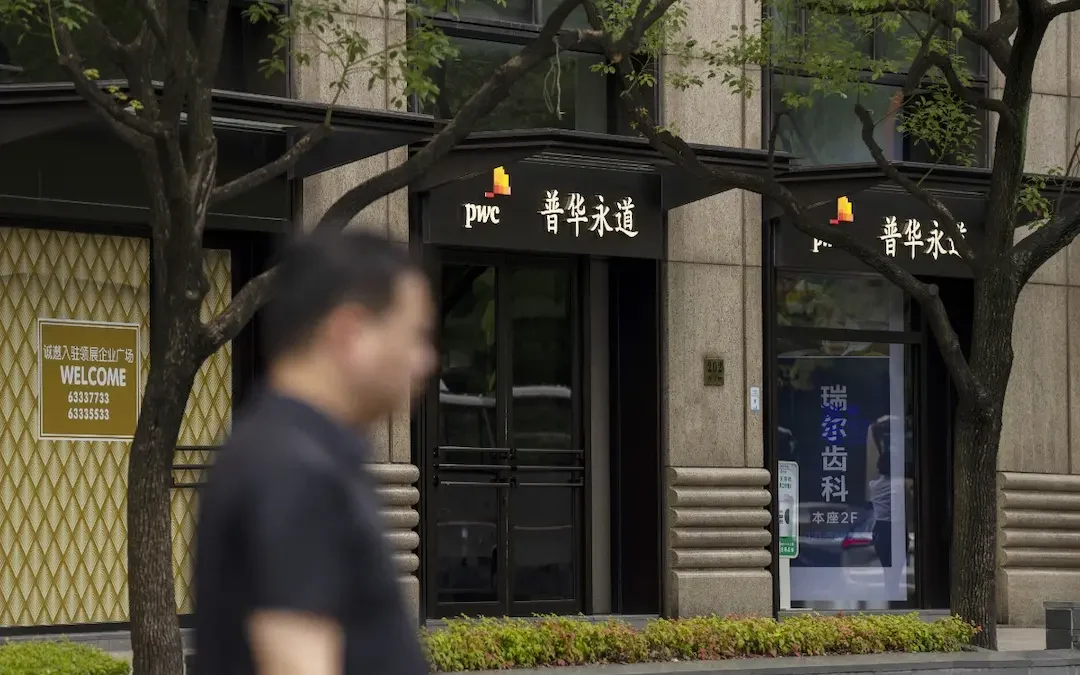
PwC Hong Kong has agreed to pay HK$1.3 billion (US$166 million or RM658 million) in fines and compensation in Hong Kong over its auditing work for China Evergrande Group.
The Accounting and Financial Reporting Council (AFRC) said PwC Hong Kong will be suspended for six months from accepting, performing, or issuing reports for new listed-company audit clients. It was also fined HK$300 million.
In a separate settlement with the Securities and Futures Commission (SFC), PwC Hong Kong agreed to pay HK$1 billion, which will be used to compensate eligible independent minority shareholders of China Evergrande, according to the regulator.
The SFC said both parties agreed the matter would be fully resolved without admission of liability, and no further action will be taken provided PwC Hong Kong complies with the settlement terms.
The penalties come as PwC Hong Kong works to rebuild its reputation following earlier regulatory action linked to its audit of Evergrande, which contributed to client departures among state-owned enterprises, major Chinese firms, Hong Kong regulators, and staff.
PwC China audited Evergrande, while its mainland arm, PwC Zhong Tian, audited its unit Hengda Real Estate Group. PwC Hong Kong served as Evergrande’s auditor for over a decade before resigning in January 2023, citing audit-related disagreements. Evergrande is listed in Hong Kong but operates mainly in mainland China.
Separately, the AFRC issued a public reprimand to PwC Hong Kong and two former partners, and required the firm to submit regular updates on remedial actions for 12 months, as well as conduct staff training.
PwC China chair and CEO Hemione Hudson said the settlements conclude regulatory matters related to Evergrande audits from more than five years ago, with no impact on existing clients.
Regulatory scrutiny intensified following Evergrande’s collapse. Founder Hui Ka Yan has pleaded guilty to bribery, embezzlement, and fraud, while Chinese authorities previously accused the developer of inflating revenue by over 560 billion yuan.
PwC was also fined 441 million yuan in China and suspended for six months, with regulators alleging it “turned a blind eye” to Evergrande’s fraud.
Audit firms typically pay such fines from internal reserves, as professional indemnity insurance does not usually cover regulatory penalties, and partners may also be required to contribute depending on firm policy.
Separately, a lawsuit filed by Evergrande’s liquidators seeking to recover funds from PwC Hong Kong is scheduled for its first public hearing in May, nearly two years after being initiated.