In Malaysia’s fast-evolving digital and consumer landscape, beauty is no longer confined to aesthetics. It is increasingly operating as a form of cultural and social currency — influencing identity, visibility, and even economic opportunity.
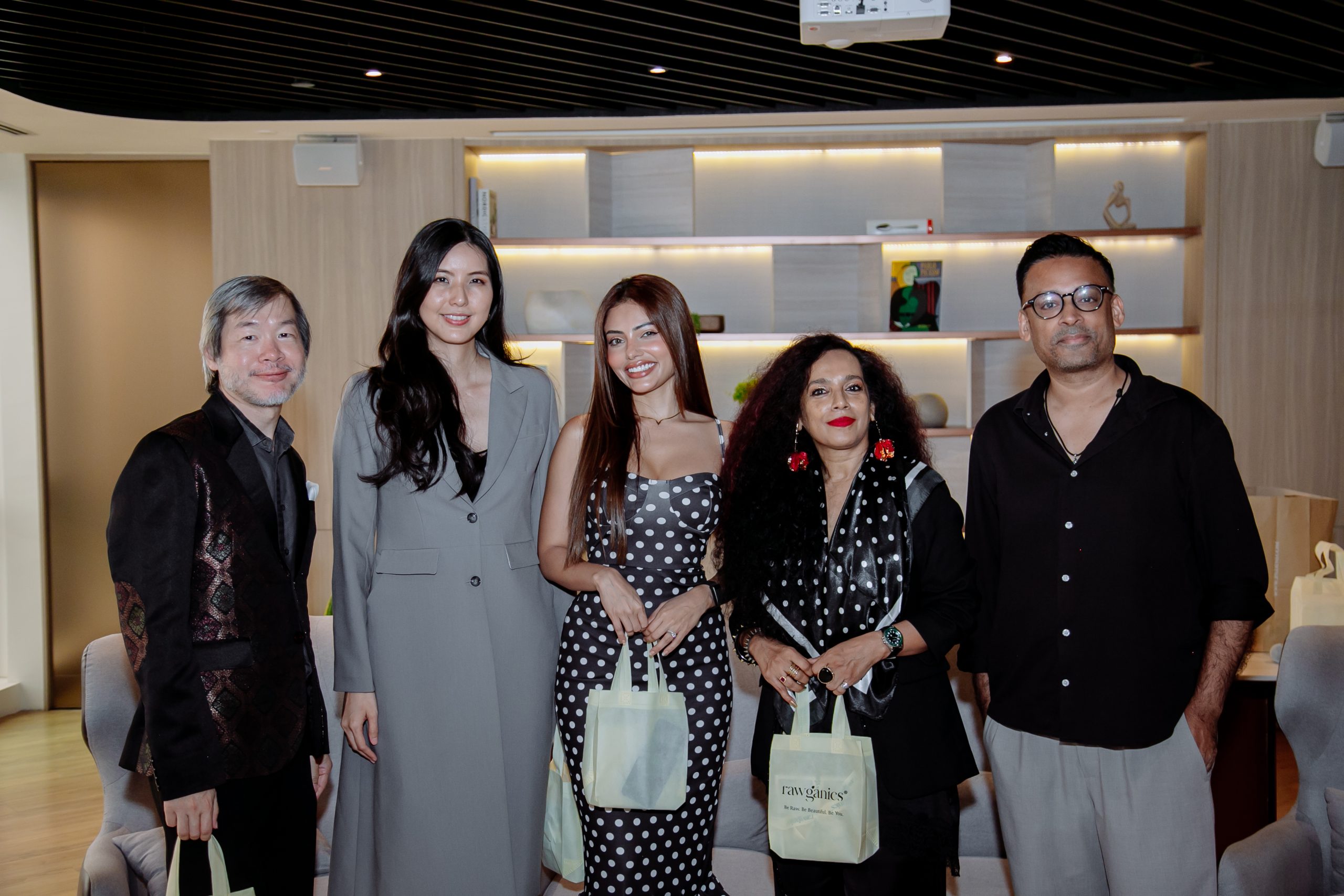
This was the central premise of Being, Human KL: Is Beauty the New Cultural Currency?, a curated conversation by Think Geek Media and Arcc Spaces, bringing together voices across aesthetics, media, community, and identity to examine how perceptions of beauty are shifting in a hyper-visible world.
From Aesthetics to Influence
Malaysia’s digital economy provides a compelling backdrop to this conversation. With over 89% internet penetration and social media usage among the highest in Southeast Asia, platforms like Instagram and TikTok have accelerated the commodification of visibility — where image, presence, and perception directly translate into influence and monetisation.
Against this context, the discussion explored how beauty has evolved into a form of social capital — shaping not just how individuals are perceived, but how they participate in modern economic and cultural systems.
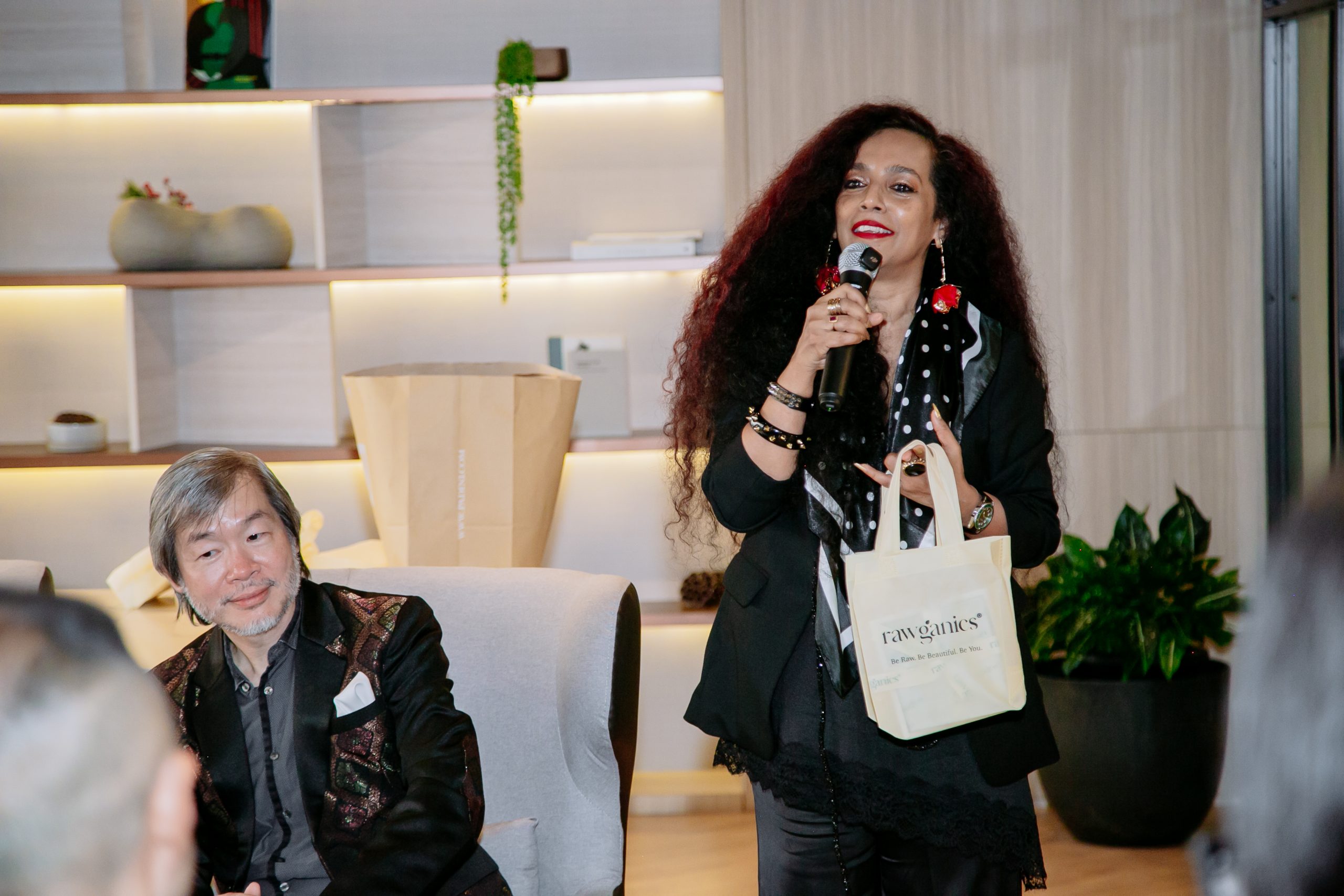
Moderated and curated by Ethel Da Costa, Founder of Think Geek Media, on April 29, she shared:
“We’re living in a time where beauty is no longer passive. It is constructed, performed, and constantly negotiated. What we’re seeing today is not just a shift in aesthetics, but a shift in how value itself is assigned — socially and culturally.”
Confidence, Identity and the Visibility Economy
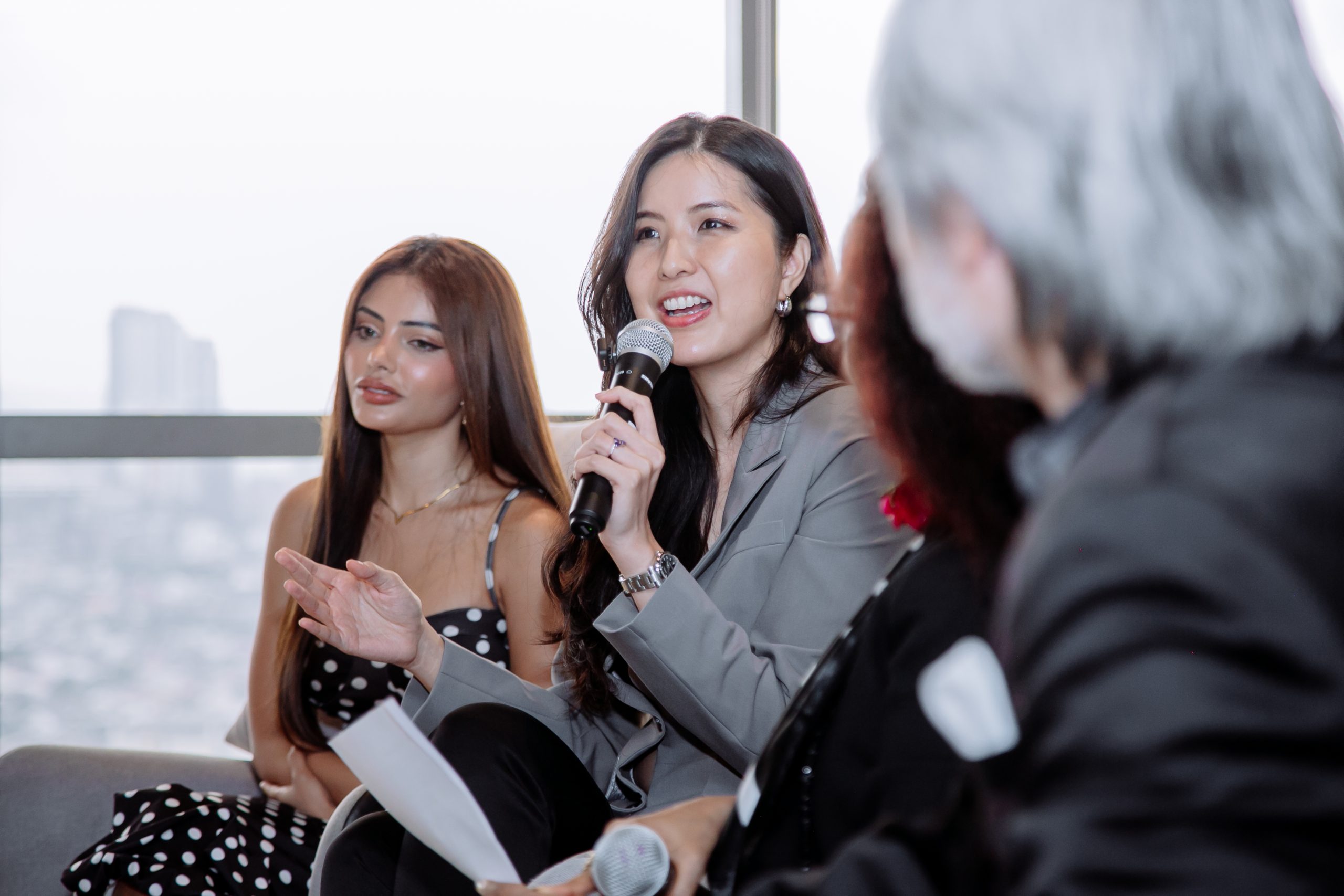
For Eleen Yong (National Director Miss Universe Malaysia 2024, Principal, Elpis Models Academy), the conversation around beauty is inseparable from self-definition in a world driven by external validation.
“Confidence today is often interpreted through visibility,” she shared. “But real confidence is rooted in self-awareness — understanding who you are beyond how the world responds to you. What works in Malaysia does not necessarily work in Milan.”
Her perspective reflects a broader shift in consumer behaviour, where identity is increasingly shaped in public spaces — often blurring the line between authenticity and performance.
The Pressure to Be Seen

As a digital-native voice, Sanjna Suri (Miss Supranational Malaysia 2018, Actor) addressed the realities of navigating constant visibility.
“The pressure isn’t just to be seen,” she noted. “It’s to be seen in a way that resonates — that feels aspirational, but still believable.”
Her insight highlights a growing paradox within the creator economy: while platforms enable self-expression, they also create implicit standards shaped by algorithms and audience expectations.
Aesthetic Medicine and Cultural Perception
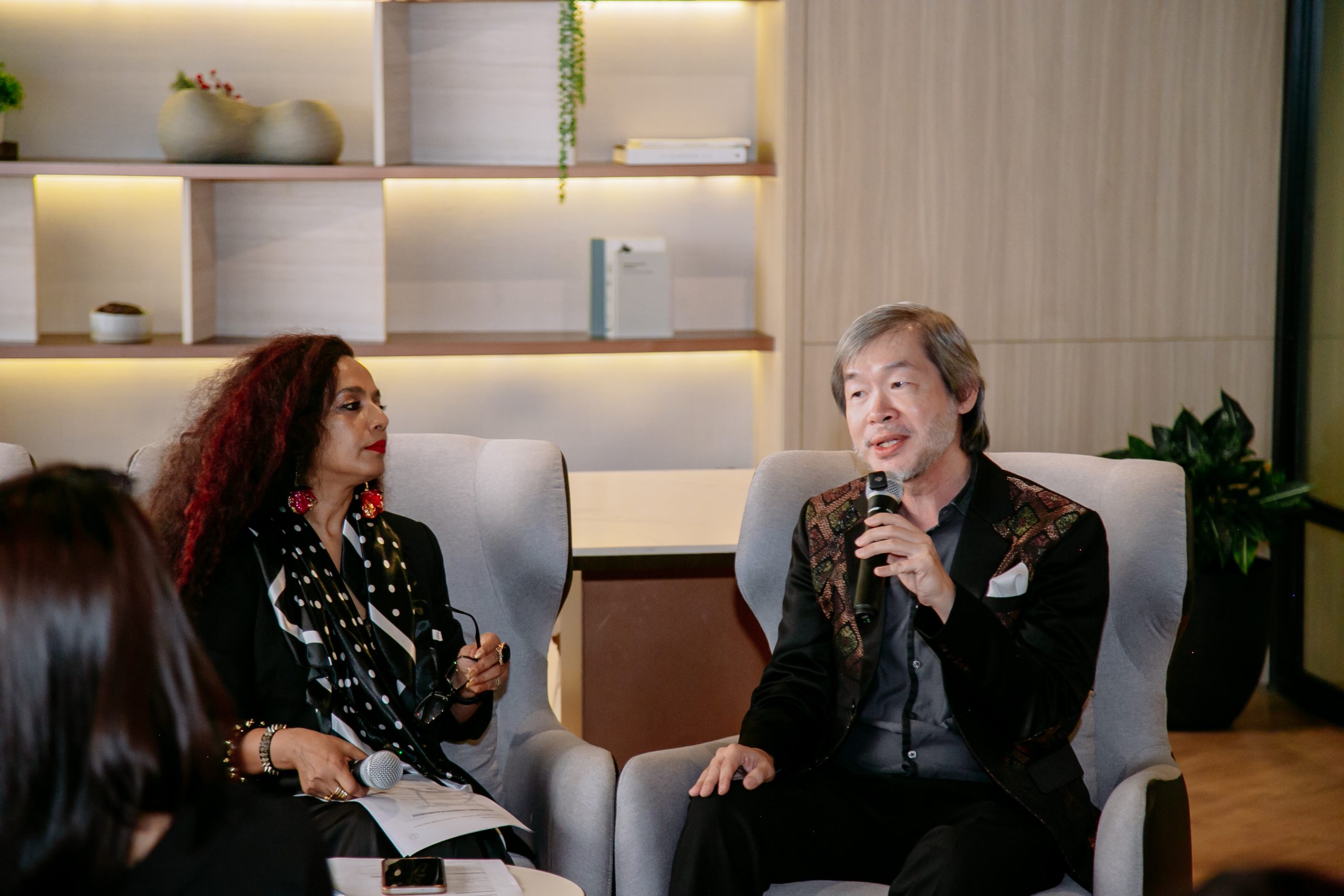
From a clinical perspective, Dr Hew Yin Keat (Founder, Medical Director, The M∙A∙C∙ Clinic) highlighted how these societal pressures are increasingly reflected in aesthetic practice.
“When patients say they want to ‘look better,’ it often goes beyond physical features,” he explained. “It’s shaped by what they are exposed to daily — curated images, idealised standards, and constant comparison.”
Malaysia’s aesthetic and wellness sector has seen steady growth in recent years, driven by rising disposable income and increasing acceptance of non-invasive procedures — underscoring how beauty intersects with both personal identity and consumer behaviour.
Curating Cultural Conversations
At its core, the session was less about defining beauty and more about interrogating the systems that give it value.
As a cultural and communications platform operating across India, the UAE, and Malaysia, Think Geek Media continues to position itself as a curator of culturally relevant narratives — creating spaces where conversations around identity, behaviour, and modern life can unfold with depth.
Through initiatives like EMPOWER, Ethel Da Costa is not just moderating discussions — she is shaping dialogue at the intersection of culture, media, and society.
A Broader Cultural Shift
What emerged from the session is a recognition that beauty today is neither fixed nor neutral. It is dynamic — shaped by platforms, industries, and evolving social norms.
In this context, the idea of beauty as currency reflects a broader shift in how value is created and exchanged — not just economically, but culturally.
As Malaysia continues to grow as a digital-first society, conversations like these signal an important transition:
From consuming culture… to consciously questioning it.
The Takeaway
If visibility is the new power, then beauty — in all its evolving forms — becomes one of the currencies through which that power is negotiated.
The question is no longer whether beauty matters, but how deeply it shapes the way we see ourselves — and how we perceive one another — in the process.
Will this shift lead to the democratisation of beauty, creating more inclusive, self-aware, and humane communities? Or will it accelerate a more standardised, systemic commodification of human perception — where identity, worth, and connection become increasingly filtered through curated ideals?
Perhaps the real question is not what beauty has become, but what we are becoming because of it.