The Ministry of Works has launched the Design and Installation Guidelines for Electric Vehicle (EV) Charging Systems, in conjunction with the 2026 Senior Officers’ Conference of the Public Works Department (JKR).
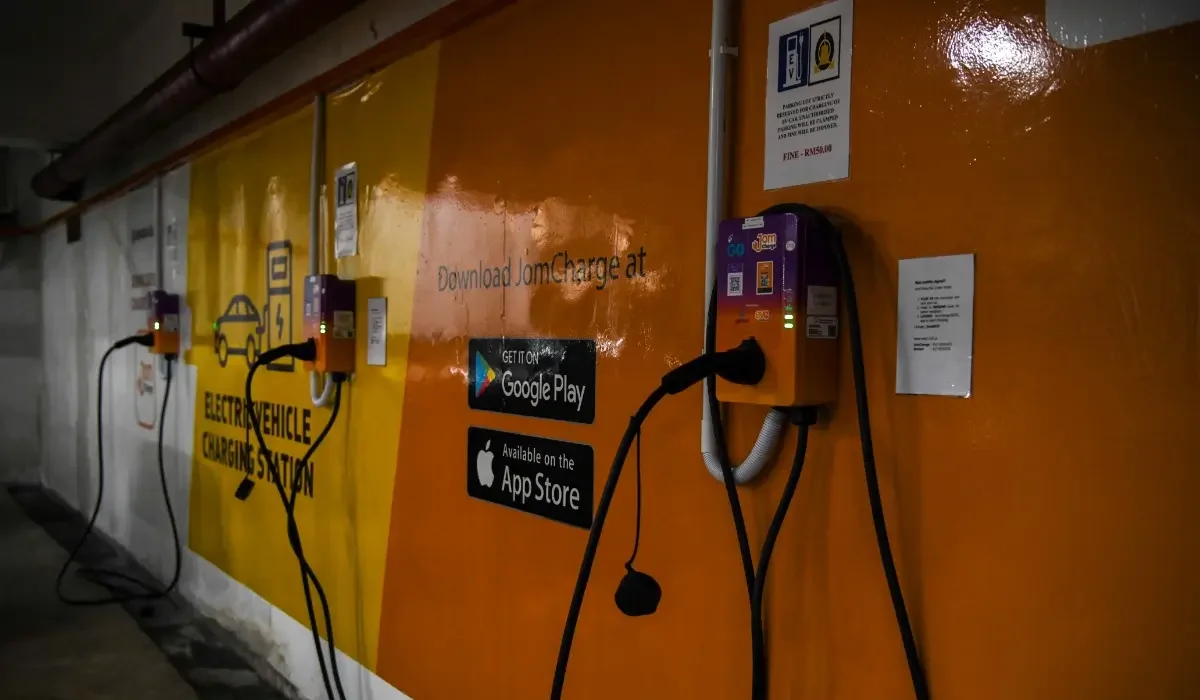
Deputy Works Minister Datuk Seri Dr Ahmad Maslan said the initiative supports the government’s green mobility agenda and is part of efforts to drive JKR’s smart reform in line with national policies to expand EV adoption.
He said the guidelines are the first of their kind in Malaysia, providing a comprehensive reference for contractors, designers, government agencies, petrol station operators, and individuals involved in installing EV charging facilities.
“Previously, there were no specific guidelines on EV charging system installation. This book will serve as a reference to ensure installations are carried out at suitable locations and comply with safety requirements,” he said.
He added that the initiative aims to accelerate the development of EV charging infrastructure, not only at highway rest and service (R&R) areas, but also across federal, state and municipal roads under JKR supervision.
Ahmad said JKR must take a proactive role as a facilitator in expanding EV charging stations, especially along non-highway road networks, to support the transition towards cleaner energy use.
He noted that the limited availability of charging stations remains one of the key factors slowing EV adoption in Malaysia.
He said EV infrastructure has so far been concentrated mainly at highway R&R areas and petrol stations operated by concessionaires, while coverage on other road networks remains limited.
Ahmad also said earlier recommendations by JKR include expanding EV charging points beyond highways to include federal, state and local roads managed by authorities.
“This effort will support wider EV usage, whether for motorcycles, cars or buses. Charging infrastructure is essential, and the lack of it continues to hinder adoption,” he said.
On broader issues, he noted that the global energy crisis continues to affect economic stability, supply chains and costs, prompting the government to remain vigilant and proactive in safeguarding public welfare.
He said the Works Ministry remains committed to improving service delivery by ensuring all project planning and implementation are carried out efficiently, with integrity and careful execution.
“All challenges will be addressed strategically, including optimising resources, speeding up processes and improving on-the-ground efficiency,” he added.