A new workforce study released ahead of the Johor-Singapore Special Economic Zone (JS-SEZ) Masterplan announcement reveals a growing disconnect in Johor’s labour market. As the state prepares to move up the value chain, expectations for income are rising faster than workforce readiness.
The findings suggest that the success of JS-SEZ will depend not only on investment and infrastructure, but also on whether workforce capability and expectations can be brought back into alignment.
While 45% of Johor’s workforce is already capable of driving adoption, a significant portion remains in transition, with uneven exposure to advanced tools and limited readiness for higher-value roles. At the same time, income expectations remain anchored around a relatively narrow band, with many workers defining a “good life” within modest salary thresholds, even as the state’s economic ambitions continue to rise.
This creates a structural tension — a workforce that is operationally strong, but not yet uniformly prepared for the type of growth it increasingly expects.
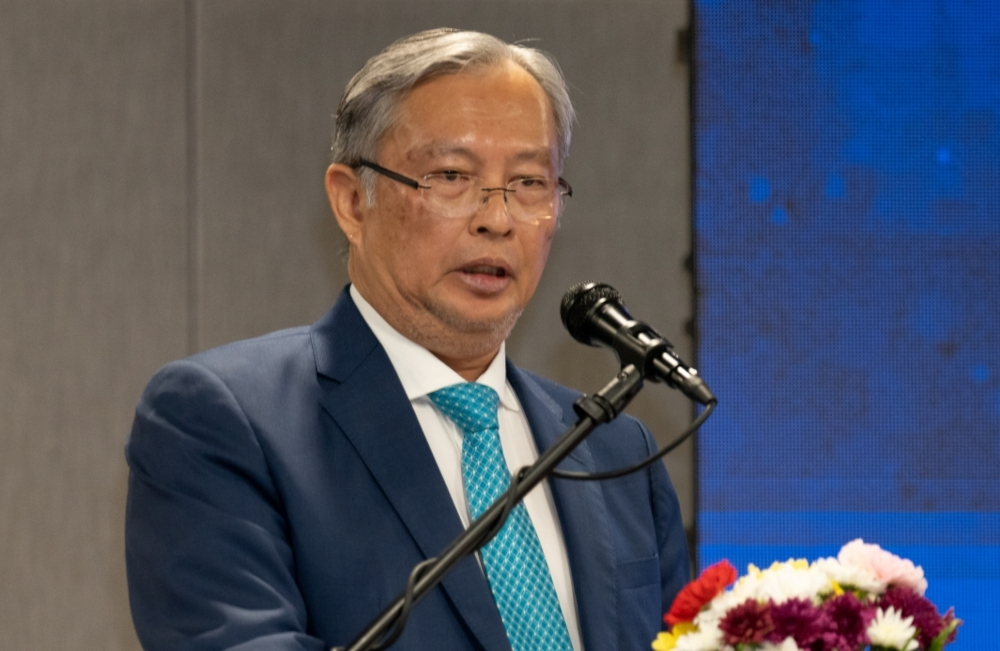
“The narrative has been that Johor needs more talent. What this data shows is more nuanced — the talent already exists, but it is not yet aligned to where the economy is heading,” said See Toh Wai Yu, CEO of Central Force International.
“What we are now seeing is a widening gap between expectations and readiness, and that gap will ultimately shape how far and how fast Johor can move.”
Readiness Concentrated in Certain Areas
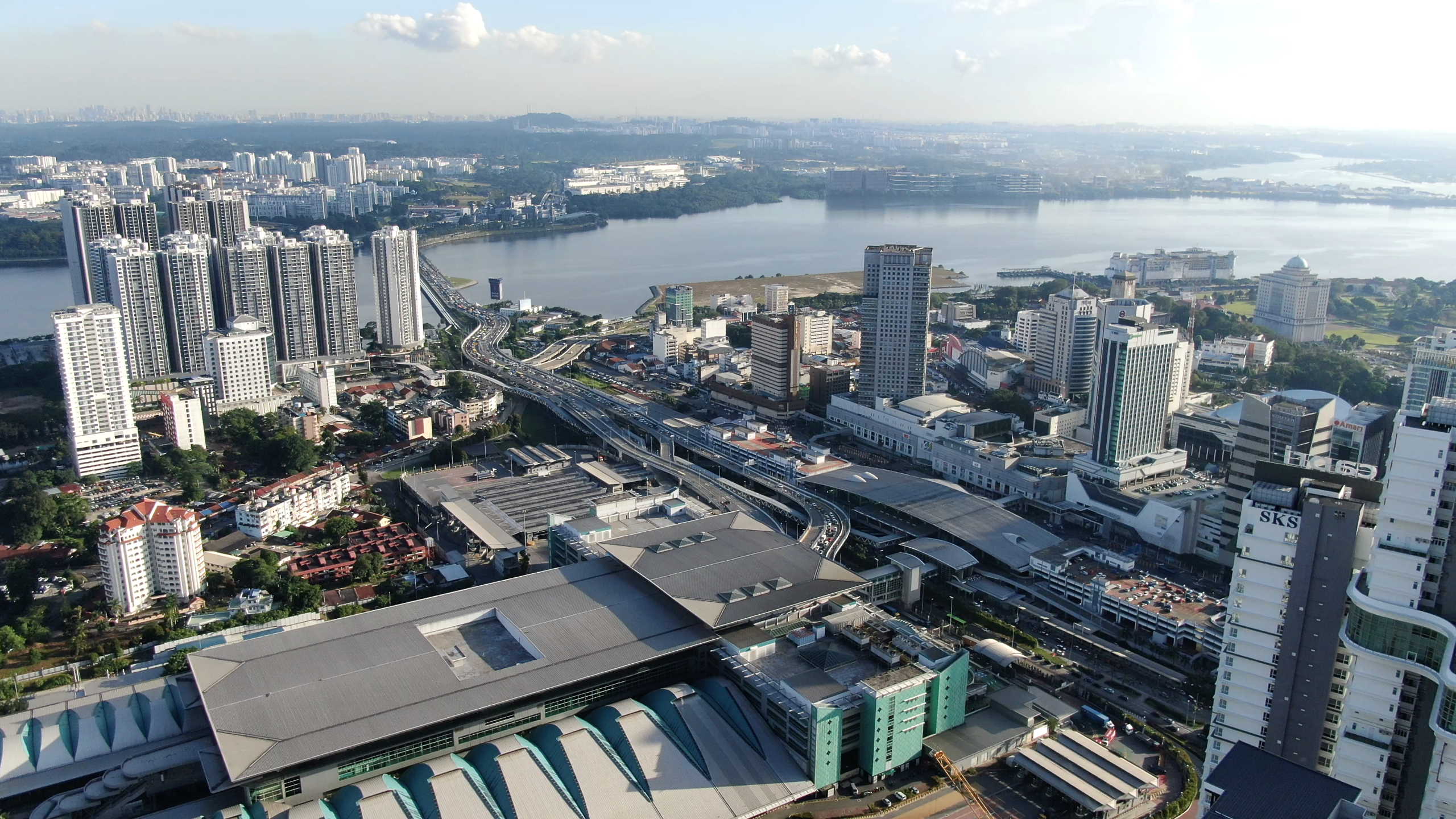
The study also highlights a geographic imbalance across the state. Johor Bahru stands out as the most digitally prepared district, with a concentration of talent capable of supporting advanced services and technology-enabled industries.
In contrast, districts outside the urban core are dominated by technically skilled and trainable workers, but with more limited exposure to AI and advanced digital tools. This creates a structural divide where execution capability is strong, but readiness for rapid innovation remains more limited.
Transformation Must Follow Readiness
The findings suggest that Johor’s primary challenge is not capability, but how transformation is sequenced. Advancing too quickly into high-value sectors in areas that are not yet ready risks slowing productivity gains and widening inequality.
“The biggest risk is not that Johor moves too slowly — it’s that we move too uniformly. Transformation must follow readiness,” said Wai Yu.
“If we mismatch ambition with capability, we risk creating friction instead of momentum.”
Income Expectations Reflect Wider Economic Perceptions
Beyond skills, the study points to a deeper structural issue in how workers evaluate opportunity.
A majority of Johoreans indicated that RM3,000 or below is sufficient for a “good life”, while only a small minority associated it with incomes above RM5,000.
This perception remains consistent even among higher earners, suggesting that expectations are shaped less by individual earning potential and more by how Johor is collectively perceived as an economy.
Johor is therefore viewed as stable and affordable, but not necessarily aspirational, which may limit how quickly workforce expectations evolve alongside higher-value economic activity.
Implications for JS-SEZ
As Malaysia approaches the JS-SEZ Masterplan announcement, the findings reposition workforce alignment as a key determinant of success.
Johor enters this phase with a strong execution base and a sizable pool of trainable talent. However, unlocking higher-value growth will depend on how effectively capability, expectations and investment are aligned.
In this context, the success of the JS-SEZ may depend less on how fast Johor moves, and more on whether it moves in the right sequence — ensuring that ambition does not outpace readiness.
The lite report is available at: Central Force International
Central Force International is a member of the American Association for Public Opinion Research (AAPOR) Transparency Initiative and is currently the only Malaysian research organisation participating in the initiative.