Artificial Intelligence is no longer knocking on the door of the music industry—it has already entered the room. That was the central message from the latest edition of Creators Circle by LOL Asia – Artists in the Age of AI, where leading voices from Malaysia’s music industry came together to examine one of today’s most debated questions: “AI Can Make Songs. But Can It Make Artists?”
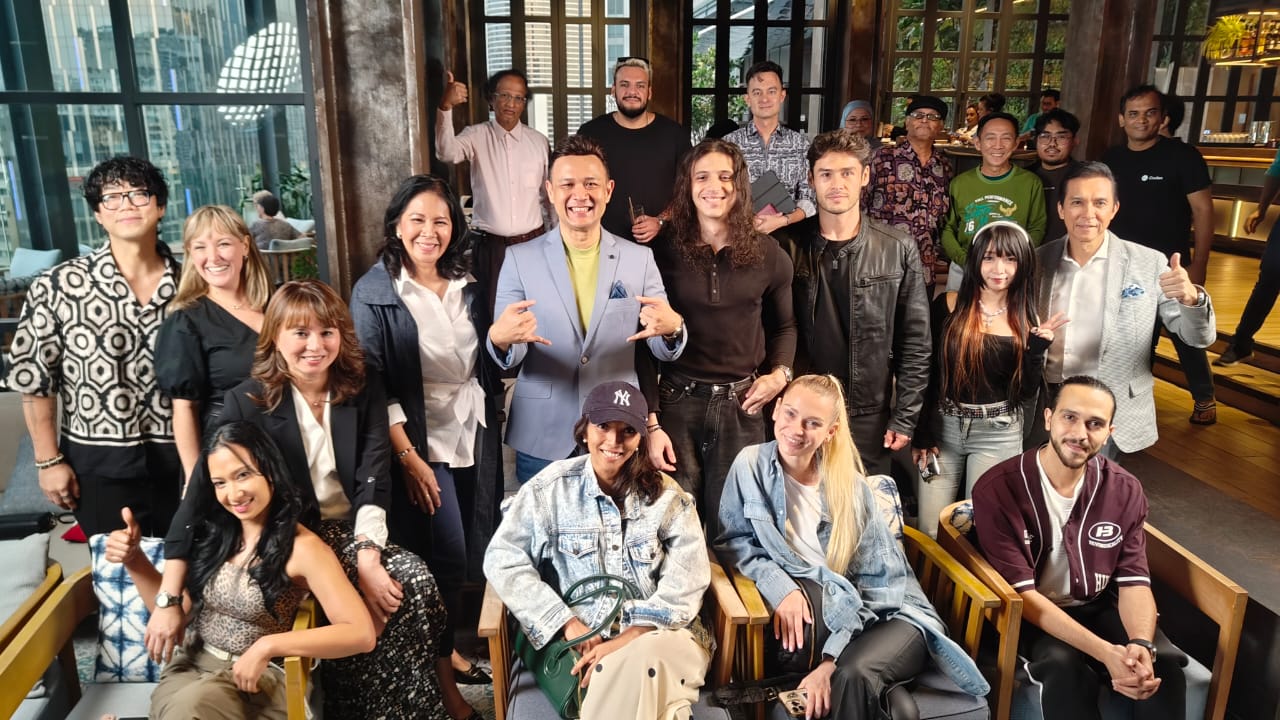
Held at 21 Rooftop Bar, Hyatt Centric Kuala Lumpur, the invitation-only forum brought together music executives, creators, entrepreneurs, media leaders and innovators for an honest conversation on how artificial intelligence is transforming music creation, copyright, artist development and the future of human creativity.
Moderated by Rizal Kamal, Founder of Creators Circle and CEO of LOL Asia, the discussion featured Kim Lim, Managing Director of Universal Music Malaysia and Vice Chairman of the Recording Industry Association of Malaysia (RIM), alongside acclaimed music producer, composer and arranger Sharon Paul. Rather than framing AI as a threat to artists, the discussion explored how technology and human creativity can evolve together—and why authenticity may become more valuable than ever.
The Future Isn’t AI Versus Artists
Throughout the evening, panellists challenged the increasingly common narrative that AI will replace musicians. Instead, they argued that the industry’s real challenge is learning how to harness AI responsibly while protecting the creative and commercial value of human artistry.
The discussion explored critical questions facing the global music ecosystem:
- Can AI truly replicate emotion, lived experience and artistic intuition?
- How should copyright evolve in an age of AI-generated music?
- What responsibilities do technology companies and record labels share?
- Will audiences continue to seek authentic human stories?
- How can creators use AI without losing their artistic identity?
While AI can now compose melodies, generate lyrics, clone voices and assist production workflows within minutes, the panel agreed that music remains deeply rooted in emotion, culture and human experience. Technology may accelerate creation, but meaning, perspective and emotional connection still belong to people.
Industry Moving Towards Collaboration
One of the strongest conclusions to emerge from the session was that the music industry is already moving beyond fear towards practical collaboration.
While important questions surrounding copyright, ethics, intellectual property and AI training data remain unresolved, panellists noted that AI companies, rights holders, record labels and policymakers are increasingly working together to develop new licensing frameworks and responsible AI practices.
Rather than positioning AI as an adversary, the industry is beginning to view it as another evolution in music technology. As highlighted throughout the discussion, AI is no longer a future possibility—it is now an inevitable part of the evolution of music creation and distribution.
Authenticity Becomes More Valuable
Ironically, as AI-generated music becomes increasingly accessible, the panel believes authentic human creativity may become even more valuable. Verified human-created music, established catalogues and original artistic voices are expected to carry greater commercial and cultural significance because audiences increasingly seek provenance, authenticity and emotional truth. In an era where content can be generated almost instantly, originality becomes the new premium.
Sharon Paul, Music Producer, Composer and Arranger, stated:
“Technology has always changed the way we make music. AI is simply the next chapter. What will always distinguish great artists is not the tool they use, but the emotion, experience and humanity they bring to their work. AI can assist creativity, but it cannot replace the soul behind a song.”
A Creative Explosion, Not a Creative Decline
Far from signalling the decline of creativity, the panel concluded that AI is fuelling one of the most exciting periods in music history. New artists are emerging. New production workflows are reshaping collaboration. Independent creators now have unprecedented access to creative tools that were once available only to major studios. Hence, rather than replacing artists, AI is expanding the possibilities of artistic expression.
The conversation concluded that the future belongs not to technology alone—but to creators who understand how to combine technology with imagination, storytelling and human connection.
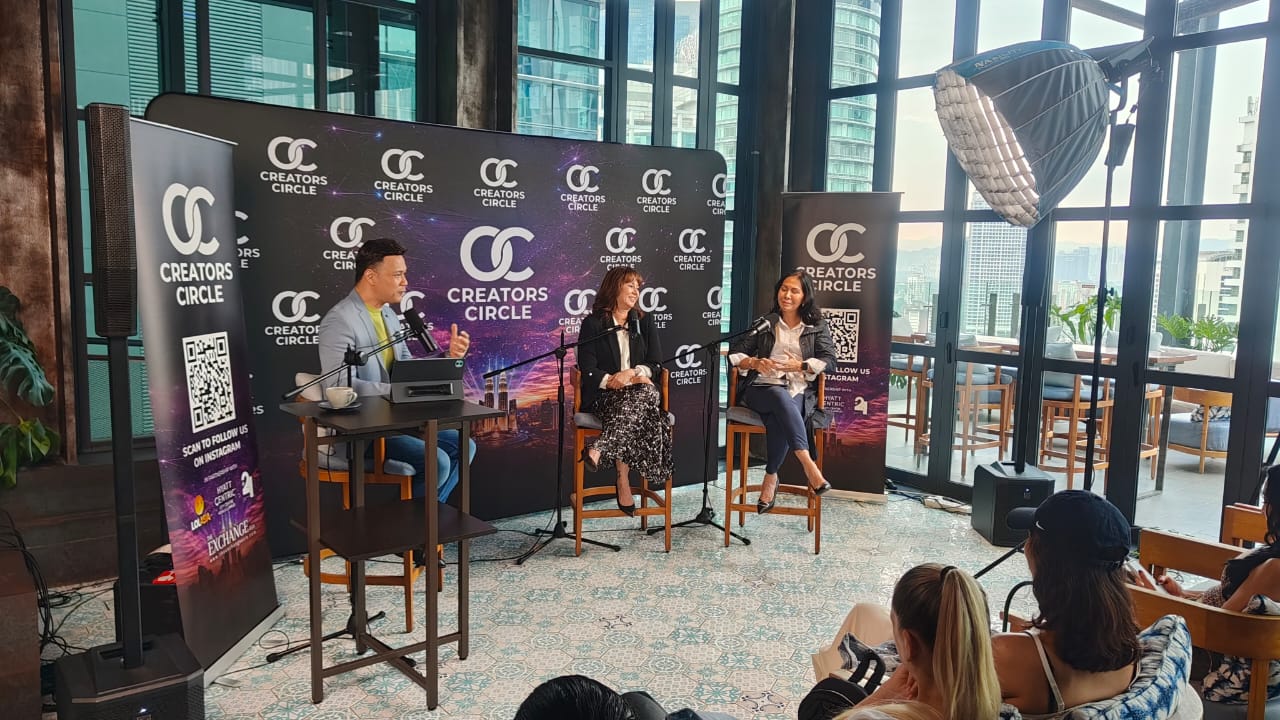
Rizal Kamal, Founder of Creators Circle and CEO of LOL Asia, shared:
“Artificial intelligence isn’t replacing creativity—it’s expanding what’s possible. The real opportunity now is ensuring that innovation and artistic integrity evolve together. The future belongs to creators who understand both technology and humanity, and to industries willing to collaborate rather than compete with change.”
Malaysia’s Opportunity
With Southeast Asia rapidly becoming one of the world’s fastest-growing digital entertainment markets, the panel noted that Malaysia has an opportunity to become a regional leader in ethical AI adoption, music innovation and creative entrepreneurship. Success, however, will depend on continued collaboration between artists, technology companies, record labels, government agencies and rights organisations.
A sentiment rightly advocated by Kim Lim, Managing Director of Universal Music Malaysia and Vice Chairman of RIM:
“AI presents exciting opportunities for the music industry, but our business has always been built on artists, stories and emotional connection. Technology will continue to change how music is created and distributed, but audiences will always seek authenticity. Our responsibility is to embrace innovation while protecting creators and ensuring intellectual property and artistic integrity remain at the centre of that evolution.”