Some industries are built around disruption. Others are built around things people have been doing for generations.
Religious worship products firmly belong to the second category.
The rituals are familiar. The symbols carry history. Many of the products have existed in one form or another for decades, if not centuries. Yet behind this deeply traditional market, consumer expectations are changing just as they are everywhere else.
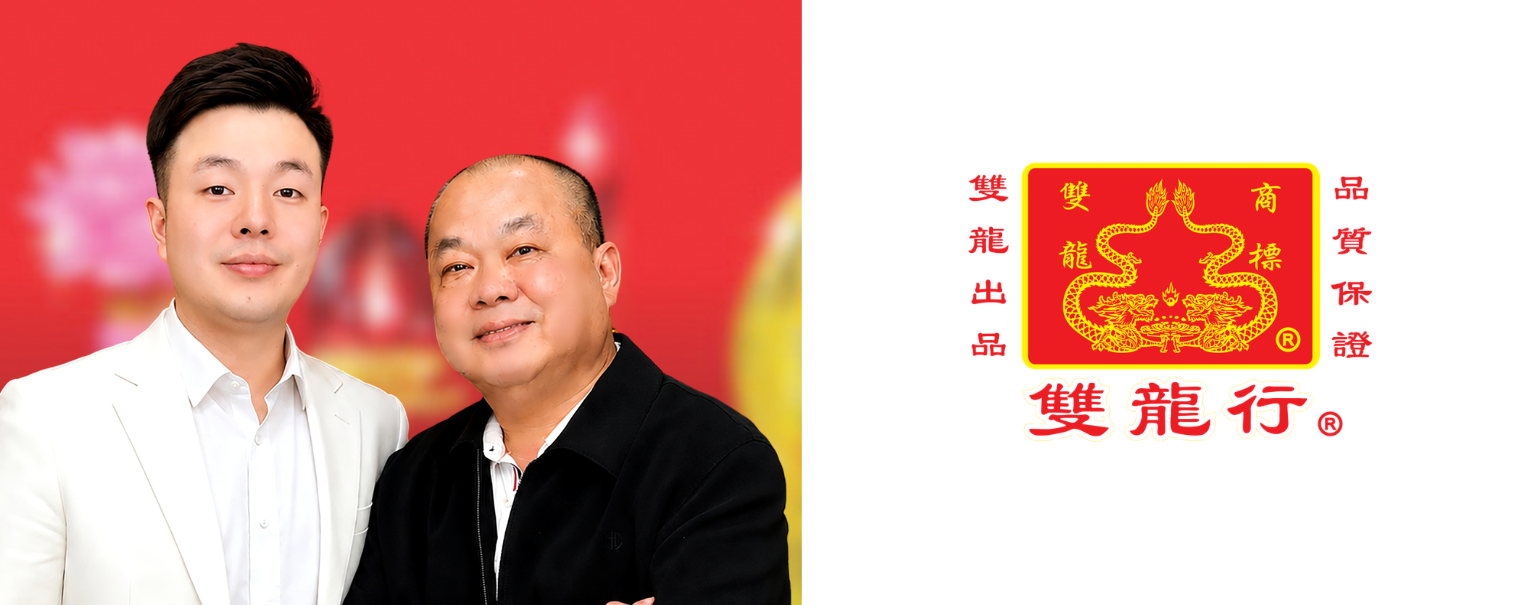
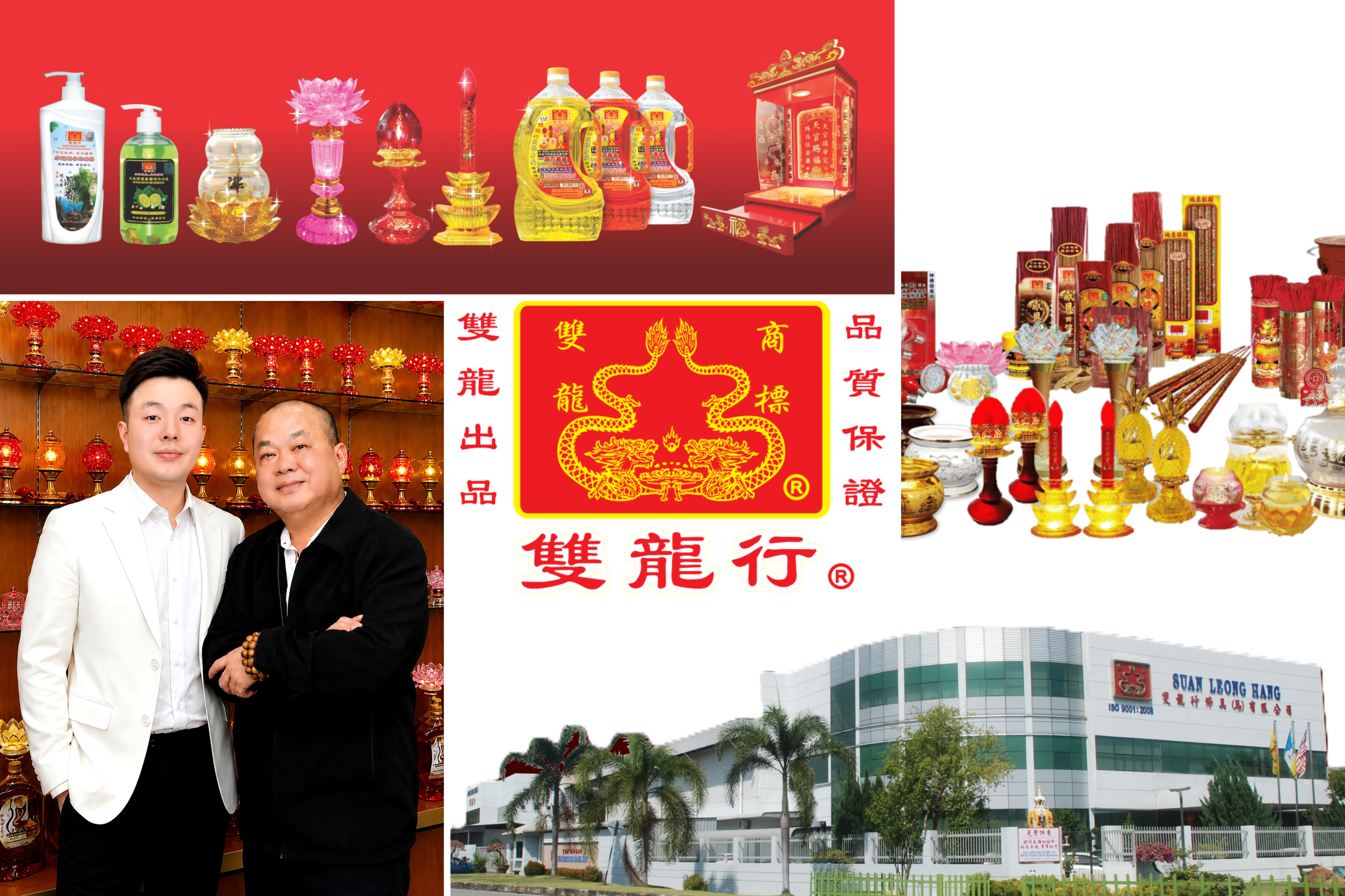
CEO & Founder of Suan Leong Hang (M) Sdn Bhd – Mr Goey Lai Poh.
People still want tradition. They also want better quality, greater safety, longer-lasting products and increasingly, more environmentally conscious choices.
That is where Suan Leong Hang found room to rethink an old industry.
The Malaysian manufacturer and wholesaler supplies religious and worship products across Malaysia and Asian markets including Thailand, Vietnam, China, Taiwan, Singapore and Indonesia. Its portfolio spans worship table lamps, incense, prayer accessories, ceremonial offerings, eco-friendly paraffin lamp oil and candle wax.
The interesting part of its story, however, is not simply what it sells.
It is how frequently the company has been willing to change the products surrounding traditions that themselves remain largely unchanged.
First Came the Light Bulb
One of Suan Leong Hang’s earlier opportunities came from worship table lamps.
At the time, much of the market still relied on traditional incandescent bulbs. They consumed more electricity, generated greater heat and had shorter lifespans. Some imported lighting products also presented durability and safety concerns because they were not sufficiently suited to Malaysian electrical conditions.
The company saw an opportunity to introduce something better.
Suan Leong Hang became an early promoter of LED-based worship lighting, bringing the benefits already transforming conventional lighting — lower energy consumption, less heat, longer lifespans and reduced maintenance — into the religious products market.
Nothing about the ritual needed to change.
Only the technology did.
It proved an important lesson for the business: even in highly traditional categories, customers will embrace innovation when it makes a familiar product safer, easier or more reliable.
Then came the inevitable problem with being early.
Everyone else catches up.
LED technology became widely available and the market increasingly crowded. Technology alone could no longer provide meaningful differentiation.
So Suan Leong Hang moved the conversation from what was inside the product to the quality of the product itself.
Ten New Ideas a Year
Today, the company introduces at least 10 new products annually.
That is a surprisingly aggressive innovation cycle for a business operating in a category most consumers would probably not associate with rapid product development.
The strategy has taken Suan Leong Hang beyond the worship lamps on which it established its reputation and into premium incense and a wider range of devotional products.
But entering a new category exposed another business reality: customers do not automatically trust a company simply because they recognise its name.
When Suan Leong Hang moved into incense, customers initially associated the brand with lighting. Instead of relying solely on advertising to change that perception, the company concentrated on product quality, customer education and market engagement.
Acceptance came gradually. Then came repeat purchases.
For Suan Leong Hang, this revealed an asset more valuable than any single product: the ability to transfer trust.
If customers believe in the quality behind one category, that credibility can eventually open the door to another.
Don’t Wait to Be Disrupted
That philosophy has shaped how the company thinks about growth.
Internally, Suan Leong Hang works around a simple idea: continuously improve before the market forces you to change.
It is a useful rule in an era when businesses can lose an advantage remarkably quickly.
Instead of waiting for competitors to dictate the next move, resources are directed towards product innovation, quality improvements, production efficiency and supply-chain optimisation.
The company is equally clear about what it does not want to become.
It does not pursue growth through imitation. Nor does it define progress simply by becoming larger. Its stated philosophy is to surpass rather than copy, while refusing opportunities that could undermine product quality or long-term brand value.
That makes quality less of a manufacturing claim and more of a growth strategy.
Its own phrase — “Quality Determines the Future” — captures the thinking.
A customer who buys once contributes to sales. A customer who trusts the brand enough to return — or follow it into an entirely different product category — contributes to something harder to build.
Longevity.
Tradition Has Consumers Too
This may ultimately be the most important point about Suan Leong Hang’s market.
Tradition does not exist outside consumer behaviour.
People still compare products. They notice quality. They care about safety and convenience. Environmental considerations increasingly influence expectations. Younger generations may continue religious practices while expecting the products surrounding those practices to fit more naturally into modern life.
The opportunity, therefore, is not to reinvent the ritual.
It is to keep improving everything around it.
Suan Leong Hang has already moved from incandescent bulbs to LED technology, from worship lamps into new product categories, and from Malaysia into markets across Asia.
The next innovation will eventually be followed by another.
Because an old industry does not necessarily need to behave like one.
Sometimes the traditions that last the longest are supported by businesses willing to keep changing.