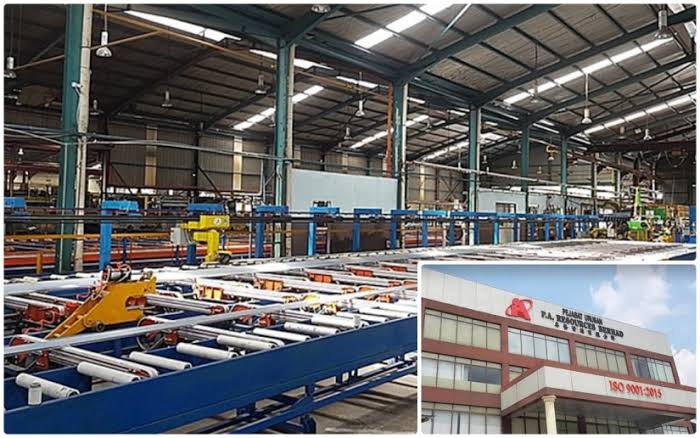
For Muiz Hot Chicken, the answer has less to do with opening as many outlets as possible and more to do with building the systems, people and infrastructure that allow a brand to grow without losing what made customers choose it in the first place.
Everyone has an opinion about fried chicken.
How crispy should it be? How spicy? How much should it cost? Is it worth travelling for, or does convenience win? In Malaysia, where consumers have no shortage of local and international choices, getting someone to try a new food brand may be relatively easy. Getting them to come back is considerably harder.
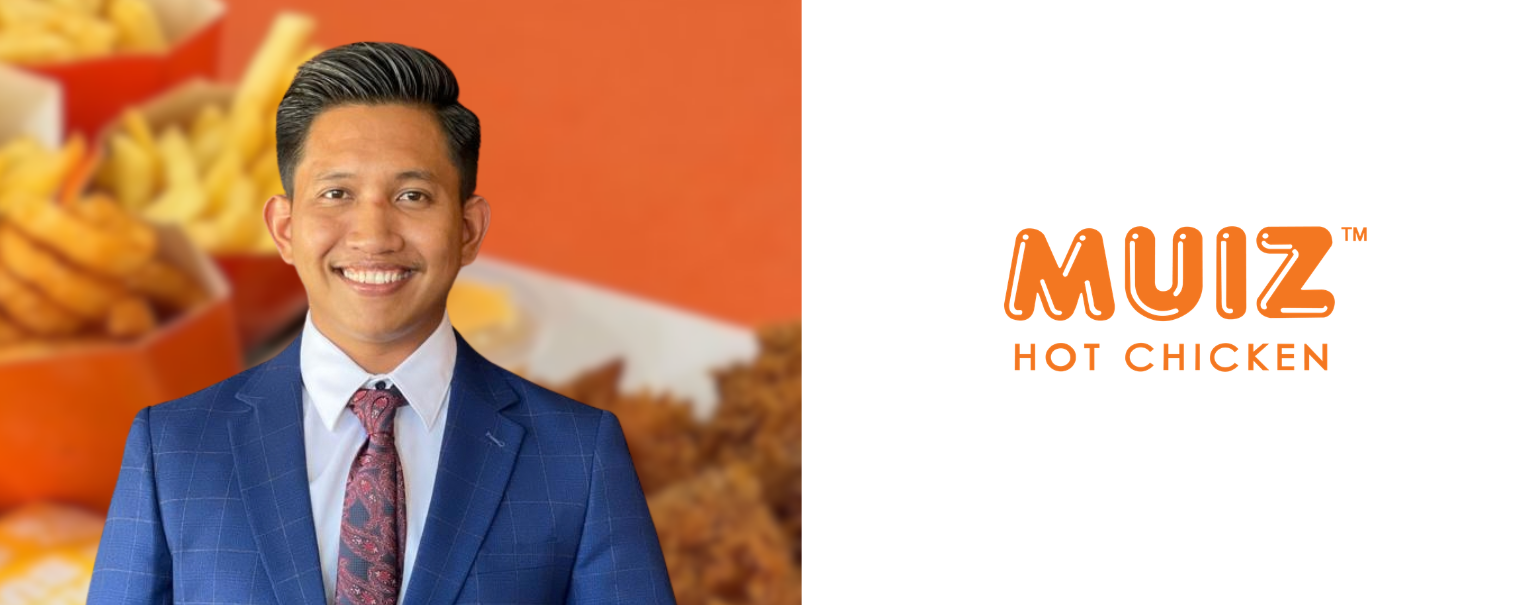
Founder of Muiz Food Industries Sdn. Bhd – Muhamad Muizzuddin bin Remle.
That is the environment in which Muiz Hot Chicken is trying to build its next chapter.
Established in 2013 under Muiz Food Industries Sdn. Bhd., the homegrown halal food brand has developed around a relatively straightforward proposition: quality fried chicken at an accessible price.
But building the next big food brand requires considerably more than a good recipe.
Behind the restaurants and kiosks is a growing business spanning franchise operations, food manufacturing, raw-material supply, training, quality assurance and operational support. It is this less visible side of Muiz that may ultimately determine how far the brand can go.
Getting the Everyday Meal Right
Food is one of the most personal consumer businesses.
People may be willing to experiment, but they also develop habits quickly. A favourite meal becomes a regular order. A convenient restaurant becomes the default choice. And when consumers know exactly what something should taste like, inconsistency becomes immediately noticeable.
For Muiz, that makes accessibility important — but consistency equally so.
Its customer base stretches across families, students and working professionals, placing the brand firmly within the everyday dining market. These are consumers who are looking not only for taste, but also value, convenience and reliability.
Those expectations have expanded considerably in recent years.
Consumers now interact with food brands through delivery platforms, social media, digital promotions and physical stores. Food safety, service, convenience and brand reputation increasingly sit alongside price and taste when deciding where to eat.
Muiz has consequently had to think about the customer experience as something much larger than what happens at the counter.
The Restaurant Is Only the Front End
What customers see is fried chicken.
What they do not see is the infrastructure required to make that chicken taste the same across a growing network of outlets.
Muiz manufactures and supplies food products and raw materials to its franchisees and business partners. This gives the company greater involvement in the supply chain supporting the brand and, importantly, greater ability to protect consistency as it expands.
That matters because scale has a habit of exposing weaknesses.
A handful of outlets can often be managed through close supervision. Add more locations, franchisees, employees and suppliers, and informal ways of working become increasingly difficult to sustain.
Standard operating procedures become essential. Training has to be repeatable. Quality needs to be monitored. Communication must travel quickly through the organisation.
For Muiz, growth has therefore required its leadership to become increasingly systems-driven.
It is a transition familiar to many entrepreneurial businesses: the company can no longer depend solely on individuals knowing what to do. The knowledge has to become part of the organisation itself.
The Franchisee Has to Win Too
There is another customer in Muiz’s business model: the entrepreneur operating under its name.
Franchising has allowed countless food businesses to expand, but selling a franchise and building a successful franchise network are two very different propositions.
Muiz sees its role as extending beyond providing a name, menu and outlet format. Its franchise ecosystem includes operational training, supply-chain management, quality assurance, marketing support and continuous business coaching.
That distinction is important.
Every franchise outlet carries the reputation of the entire brand. A poorly managed location does not only affect its owner; it can influence how consumers perceive every other outlet carrying the same name.
The success of the franchisee and the reputation of the brand are therefore closely connected.
For Muiz, creating opportunities for aspiring entrepreneurs has become part of the broader purpose of the business. Its growth generates employment, supports suppliers and creates potential entry points for people who want to operate businesses of their own.
The challenge is making sure opportunity is accompanied by enough structure to make it sustainable.
Why Bigger Isn’t Always Better
There is an obvious way to demonstrate growth in the restaurant industry: open more stores.
Muiz is becoming more cautious about treating outlet numbers as the ultimate measure of success.
For the company today, growth means strengthening its restaurant network while simultaneously developing manufacturing capabilities, improving its supply chain, investing in people and increasing operational efficiency.
It also means knowing when not to grow.
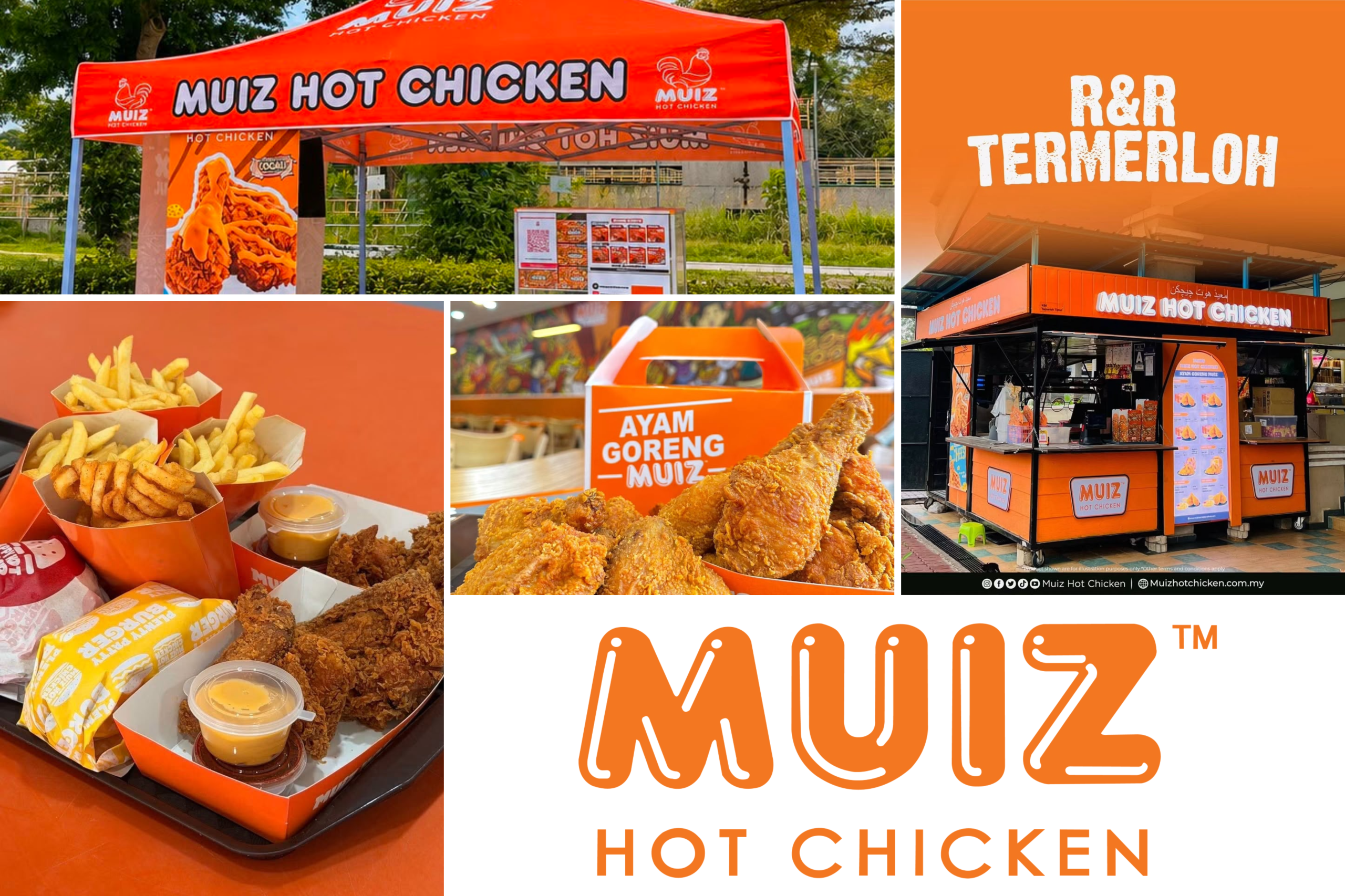
Rapid expansion can produce impressive numbers, but it can also place enormous pressure on supply chains, employees, franchisees and quality control. If the infrastructure behind the brand cannot keep pace with the storefronts carrying its name, growth can quickly become a liability.
Muiz says it is deliberately avoiding expansion that could compromise product quality, franchisee performance or customer trust.
That philosophy is shaping where capital goes next.
Investments are being assessed according to whether they improve customer experience, increase scalability and create longer-term value rather than simply producing faster expansion.
Building for What Comes Next
The same thinking is beginning to influence Muiz’s approach to sustainability and governance.
Over the past year, the company has started incorporating environmental, social and governance principles into its strategy through governance improvements, stakeholder engagement and operational assessments.
For a growing food company, these considerations eventually touch almost every part of the organisation — from sourcing and manufacturing to employment, waste, supply-chain practices and relationships with franchise partners.
Some initiatives inevitably require additional investment without producing an immediate financial return. Muiz sees them instead as part of preparing the organisation for a larger and more resilient future.
And that future could eventually stretch beyond its current footprint.
The company wants to strengthen Muiz Hot Chicken’s nationwide presence while expanding its manufacturing capabilities and exploring future regional and business-to-consumer opportunities.
Before that happens, however, work is taking place internally.
Technology is being strengthened. Organisational capabilities are being developed. Future leaders are being prepared. Governance is becoming more structured.
These may not be the things consumers associate with their next fried chicken order, but they are precisely the things that determine whether a promising restaurant becomes an enduring business.
So, What Does It Take?
The food industry has never lacked new ideas.
Restaurants open every day. New products go viral. Consumers queue for the latest thing, photograph it, post it and sometimes move on just as quickly.
Building a brand that lasts is different.
It requires a product people want, certainly. But it also requires the discipline to reproduce that experience thousands — eventually perhaps millions — of times without allowing quality to drift.
It requires franchisees who can succeed, employees who understand the standards, suppliers who can keep pace and systems capable of supporting a business considerably larger than the one that exists today.
And perhaps most importantly, it requires knowing that growth is not simply about becoming bigger.
For Muiz Hot Chicken, the ambition may be to become one of the country’s leading halal quick-service restaurant brands. The real work is ensuring the business underneath the name is strong enough to carry that ambition.
Because the next big food brand will not be built by the restaurant that simply opens the most outlets.
It will be built by the one that gives people a reason to keep coming back.