Singapore-based gym operators True Fitness Pte Ltd and True Yoga Pte Ltd have closed all their fitness centres across Singapore after entering provisional liquidation, marking another major setback for the country’s increasingly competitive fitness industry.
The closures took effect immediately following the appointment of provisional liquidators on 10 September 2026, according to a notice published through the companies’ mobile application.
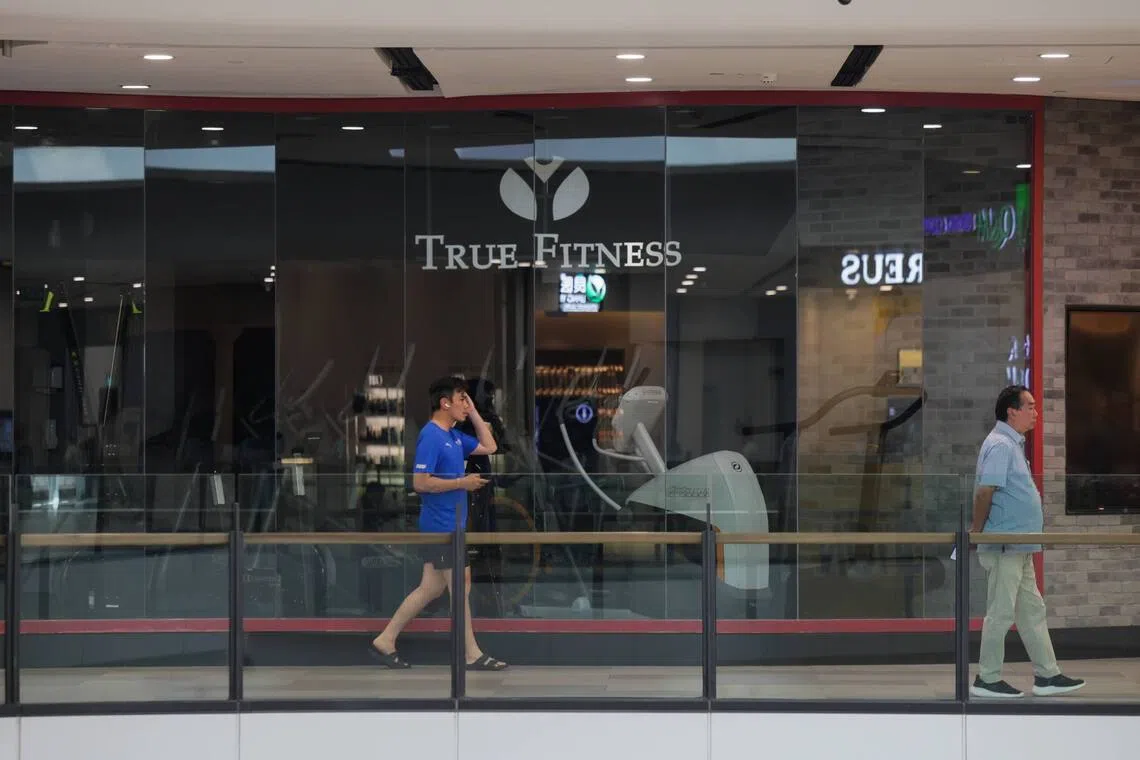
“All clubs’ operations will cease with immediate effect,” the notice stated.
Records filed with Singapore’s Accounting and Corporate Regulatory Authority (ACRA) also indicate that both companies have entered creditors’ voluntary liquidation, a process generally undertaken when businesses are unable to meet their financial obligations.
Both True Fitness and True Yoga operate under True Yoga Holdings Pte Ltd.
The sudden closures affect several fitness centres across Singapore, including True Fitness outlets at Novena Square, Tampines Junction and Ang Mo Kio. The group’s TFX-branded gyms also operate at Millenia Walk, CIMB Plaza and Funan mall.
The shutdowns come amid growing financial pressure on Singapore’s fitness sector, where operators continue to face rising rental expenses, higher operating costs and intense competition for customers.
Several other fitness businesses, including Ritual Gym, UFC Gym and Fenix Fitness, have also exited the Singapore market in recent years, highlighting the challenges of maintaining profitability in the industry.
Financial records show that both True Fitness and True Yoga had been experiencing losses for several years before their closures.
According to ACRA filings, True Yoga had accumulated losses of approximately S$82.8 million (US$65.3 million) by the end of 2025, while True Fitness recorded accumulated losses of around S$13.5 million.
The financial difficulties raise concerns about the sustainability of gym operators that depend heavily on long-term membership subscriptions while managing substantial rental, staffing and maintenance expenses.
Despite their financial challenges, both companies had continued promoting membership packages in the months leading up to the shutdowns.
These included multi-year subscriptions offering access to gym facilities, group fitness classes, yoga sessions and reformer programmes across their network of clubs.
Some membership packages extended beyond five years, with customers subsequently offered lifetime access for a monthly fee of S$49.
The immediate closure of all clubs has created uncertainty for members holding active subscriptions, particularly those who had committed to long-term packages or made advance payments.
It remains unclear whether affected customers will receive refunds or how outstanding membership obligations will be handled during the liquidation process.
The situation also highlights the financial risks associated with prepaid fitness memberships, especially when operators experience prolonged losses or face difficulties meeting their operating expenses.
For Singapore’s fitness industry, the closures add to concerns about the long-term viability of traditional gym business models in an environment where consumers have access to a growing range of boutique studios, specialised fitness programmes and alternative workout options.
As liquidation proceedings continue, attention is expected to focus on the treatment of creditors and affected members, as well as the wider implications for Singapore’s fitness market.
The closure of True Fitness and True Yoga demonstrates the increasing financial challenges facing established fitness operators, even those with multiple locations and an extensive customer base.