A complex technology product can contain dozens of carefully engineered connections. Getting each component right matters. Making them work together, repeatedly and at commercial scale, presents a different challenge. For Radysis Asia, that challenge is the basis of a business strategy built around becoming more involved in how customers develop and manufacture their products.
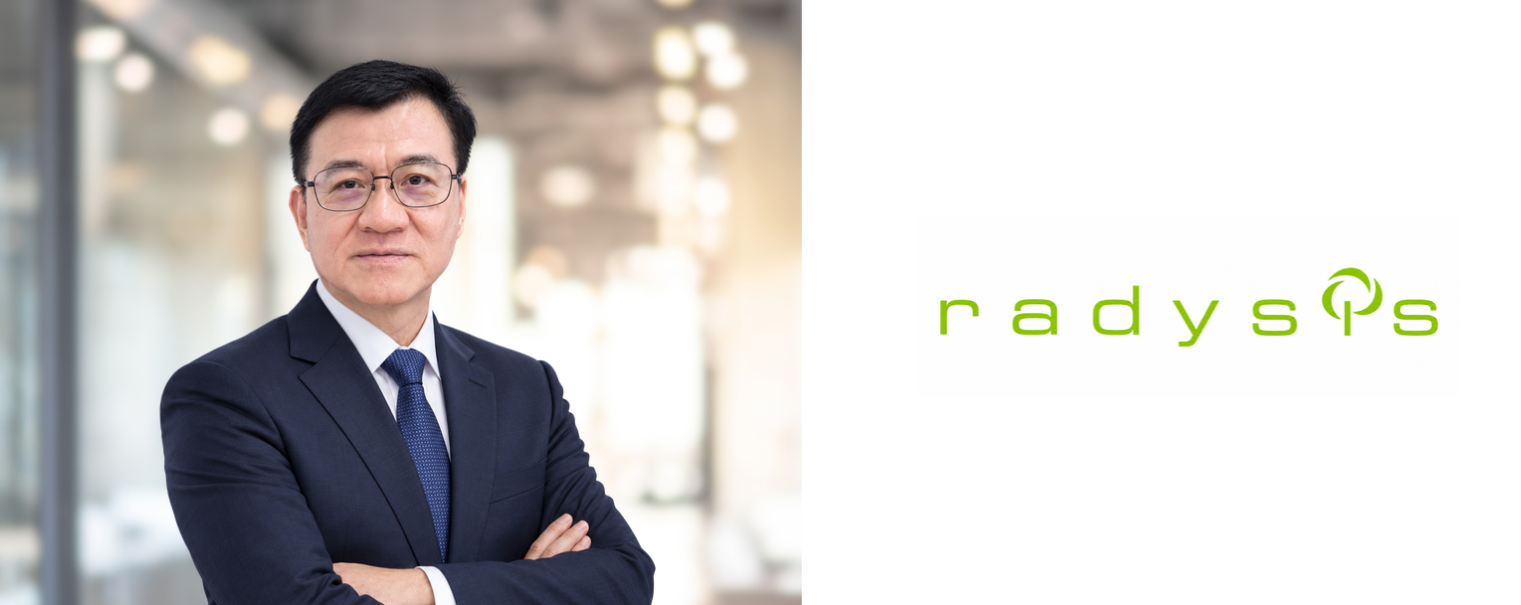
Managing Director of Radysis Asia Sdn. Bhd. – Jason Tang.
Established in 2000, the advanced interconnect solutions provider serves semiconductor front-end, electrical and electronics, medical, automotive and new energy industries. Its proposition is to bring several manufacturing technologies together within one organisation, giving customers a coordinated route from an initial concept to production.
The scope extends across optical, radio frequency, coaxial and electrical interconnects, alongside printed circuit board design and assembly. Contamination-controlled manufacturing supports demanding applications, while compact module and box-build assembly capabilities allow the company to handle more integrated engineering work.
Commercially, the approach addresses a coordination problem. When a product requires several technologies, customers must manage the interfaces between them as well as the individual parts. Bringing those capabilities together can simplify that process, provided the supplier has the engineering depth and operational discipline to deliver.
Radysis seeks to establish its role early. Its engineers work with customers on design optimisation, prototyping, testing, validation and production planning. The company supports both high-mix, low-volume requirements and low-mix, high-volume production, allowing it to accommodate different product and manufacturing needs.
That involvement changes the nature of the customer relationship. A manufacturer working from a completed drawing competes primarily on its ability to fulfil specifications. A partner contributing during development has an opportunity to help customers resolve manufacturing challenges before production begins. Radysis is directing its investment towards making that contribution more valuable.
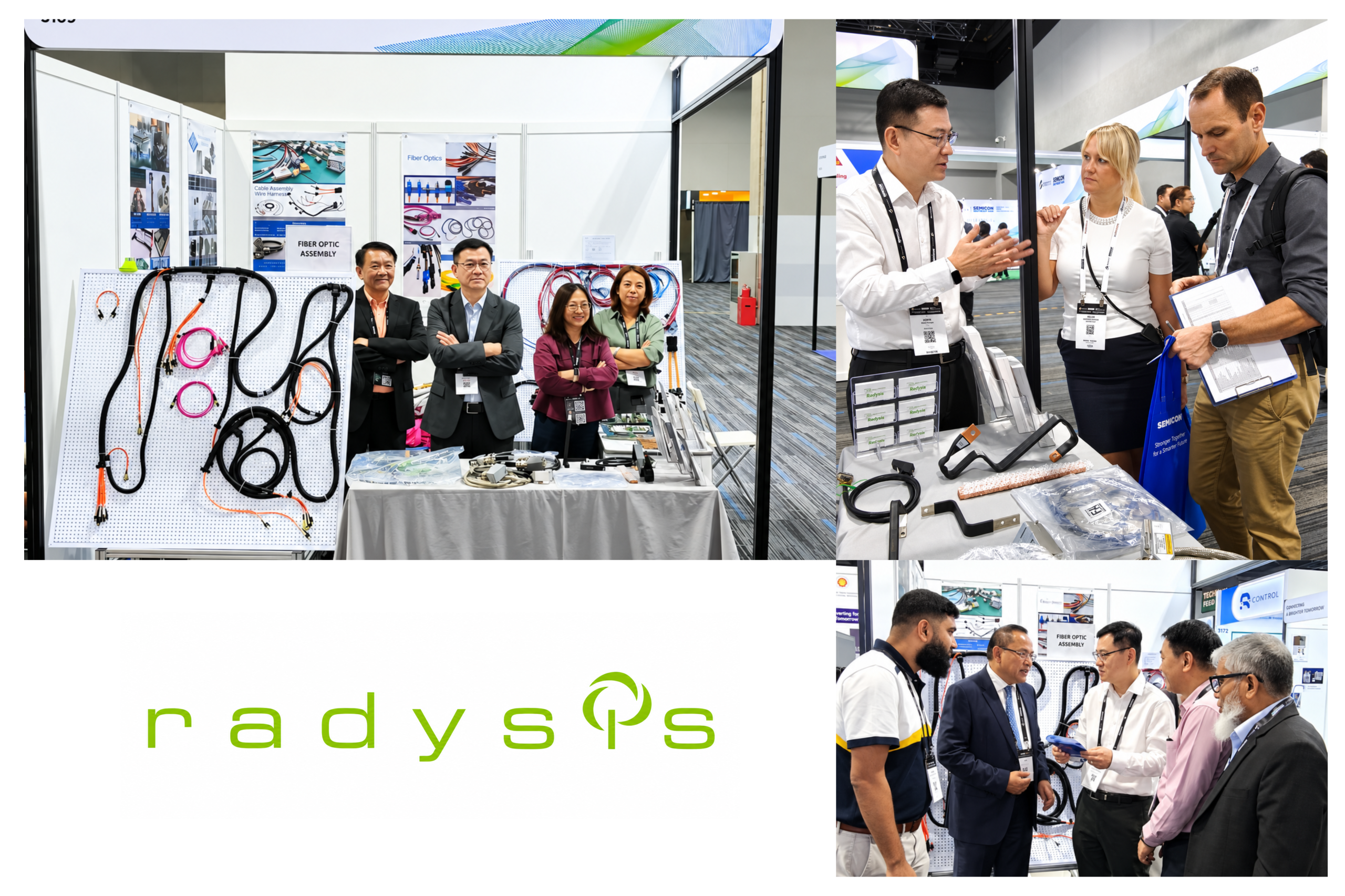
Its growth strategy consequently places greater emphasis on technical relevance than order volume alone. The company wants to deepen relationships with strategic customers and pursue more complex manufacturing opportunities. Investments in engineering, automation and capacity are assessed against customer demand and the ability to maintain consistent delivery.
The underlying question is straightforward: will an investment make Radysis more useful to its customers? That provides a practical filter for expansion, linking additional capacity to capabilities and relationships that can support it.
Executing that strategy becomes harder as the organisation grows. More customers, technologies and product variations increase the demands on coordination between engineering, production, quality and supply chain teams. Responsiveness can become difficult to preserve when information must pass through a larger operation.
Radysis has continued investing in enterprise resource planning and manufacturing execution systems, digital production monitoring, product traceability and operational controls. These investments are intended to improve visibility and strengthen the processes behind delivery. Their commercial importance lies in supporting greater scale while retaining the flexibility customers expect.
Some of its engineering work remains less visible. The company develops customised test fixtures and testing stations in-house, supporting its ability to translate customer requirements into repeatable manufacturing processes. The finished component reveals only part of the work required to produce it consistently.
Energy efficiency is also becoming part of investment planning. Radysis has adopted inverter air-conditioning systems and plans to introduce solar panels over the next two years. Its initial ambition is to source around 70% of energy consumption from renewables, with a longer-term goal of reaching 100%, subject to operational and infrastructure conditions. These remain targets rather than achieved outcomes.
The next phase will test whether Radysis can expand capacity and strengthen its organisation at the same pace. Systems, engineering talent and leadership structure will matter alongside production equipment. That will require careful choices about which opportunities to pursue, how quickly to expand, and where additional investment can strengthen delivery without stretching the organisation beyond its existing operational capabilities.
Its opportunity rests on earning a larger role in customers’ manufacturing decisions, supported by the discipline to deliver as their requirements evolve. For Radysis, the measure of progress is therefore the depth of those working relationships and the capabilities built to sustain them over time.