Apple has raised prices of its iPad and MacBook lineup, saying it can no longer absorb rapidly rising memory and storage chip costs driven by the artificial intelligence-driven expansion of data centres.
The price changes do not affect the iPhone, Apple’s main revenue generator. However, the increase pushes the starting price of the MacBook Neo, its entry-level laptop designed to compete with affordable Windows and Chromebook devices, from US$599 to US$699 (RM2,464 to RM2,875) just months after its launch.
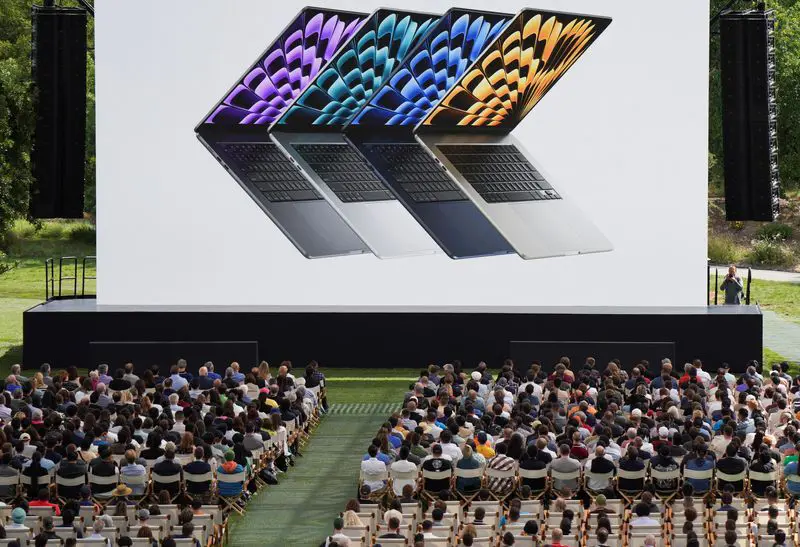
The move underscores how even Apple, the world’s most valuable consumer electronics company with a highly efficient supply chain, is not insulated from the sharp surge in memory prices that is reshaping the outlook for smartphones and personal computers.
Memory manufacturers such as Micron have recently prioritised orders from AI chipmakers like Nvidia, which has boosted their profits but constrained supply for consumer electronics firms. This imbalance has forced device makers to pass on higher costs to customers.
“We have never seen a component price increase this much, this quickly,” Apple said in a statement. “We have shielded our customers from these increases so far, but we have now reached a point where we need to begin raising prices on a number of products, including today’s increases for iPad and Mac.”
Under the new pricing, the MacBook Air with 512GB storage now costs US$1,299, up from US$1,099, while the MacBook Pro with 1TB storage has risen to US$1,999 from US$1,699. The iPad Air with 128GB storage has also increased from US$599 to US$749, among other adjustments.
Apple has also raised prices for its HomePod smart speaker and Apple TV set-top box. The announcement weighed on investor sentiment, with Apple shares falling nearly 5%, while Dell declined more than 8%.
Analysts said rival device makers may be forced to implement even steeper price increases, as Apple’s strong supplier relationships have helped cushion part of the impact.
“The memory environment is tough and remains structurally tough for the foreseeable future,” said Ben Bajarin, CEO of technology consultancy Creative Strategies.
Apple said in April that existing inventory had helped maintain gross margins above Wall Street expectations, but warned that rising memory costs would begin to weigh on profitability by the end of the month.
“We expect significantly higher memory costs,” CEO Tim Cook said during an April earnings call, adding that the pressure would continue beyond the June quarter.
Apple has not disclosed additional measures beyond price increases to offset rising costs. “We know this is not welcome news, and we are working tirelessly to find solutions,” the company said.
Analysts expect further price adjustments, including potential increases for the iPhone in the coming months. Some also believe the latest hikes may encourage consumers to bring forward purchases ahead of future increases.
“The iPhone isn’t spared, its hike is coming,” said Nabila Popal, senior research director at IDC.
She added that Apple’s timing of the price adjustments ahead of its fall iPhone launch was strategic, allowing the company to shift focus toward product value rather than pricing concerns during the launch cycle.
Prices for dynamic random access memory (DRAM), used in most electronic devices, have surged sharply due to AI-driven demand. Industry tracker TrendForce reported increases of up to 98% in the first quarter of 2026, with further gains of 58% to 63% expected in the current quarter.
The surge, described by some analysts as “RAMageddon,” has been driven by aggressive expansion of AI data centres, with firms such as Nvidia locking in long-term supply deals. Micron recently disclosed US$22 billion in such agreements.
The rising cost environment is expected to weigh on global device demand. IDC estimates the smartphone market could see its steepest annual decline of nearly 14% this year, while the PC market may fall 11.3%.
One bright spot had been Apple’s MacBook Neo, launched in March, which supported stronger-than-expected sales forecasts for the June quarter. However, the latest price increase has eroded its pricing advantage over competitors, including Dell’s XPS 13, as well as entry-level Chromebooks from Lenovo and Asus.