Author name: admin

Media OutReach

BGY Fruits’s Global Supply Chain Strategy: Advancing B2B Operations at Home and Abroad, and Actively Building Category Brand Subsidiaries

SHENZHEN, CHINA – Media OutReach Newswire – 5 September 2025 – On September 3, ASIA FRUIT LOGISTICA opened at AsiaWorld-Expo in Hong Kong. BGY Fruits, China’s leading fruit retail chain, participated alongside its subsidiary Jin Chengtai, continuing its annual presence at the event. Through consistent participation, BGY Fruits showcases its strengths in supply chain integration and brand development to global partners and potential clients—further advancing its strategy of “sourcing globally, selling globally.” Since beginning its overseas fruit sourcing in 2012, BGY Fruits has established direct procurement partnerships with over 800 premium fruit farms across 26 countries, covering nearly 1,000 fruit varieties. This extensive global sourcing has significantly enriched the domestic fruit supply and effectively filled seasonal gaps in the local market. In recent years, the fruit supply landscape has undergone significant structural adjustments. Domestic alternatives to imported fruits—such as blueberries, durians, and passion fruits—have become increasingly prominent. At the same time, recognition of Chinese-grown fruits in international markets continues to rise, driving ongoing optimization in import and export structures. In response to these market trends, BGY Fruits established its International Export Division to promote high-quality fruits sourced from both domestic and international origins to overseas markets, expanding and strengthening its B2B export operations. Signature products such as Liangzhi apples, Naihuang apricots, and the company’s exclusive variety of fresh purple passion fruit (Jindu No. 3) have already been introduced and are selling well in several Southeast Asian countries. BGY Fruits’s subsidiary, Haiyang Jin Chengtai, has consistently exported premium Chinese fruits—including apples, pears, and citrus—to Hong Kong, Southeast Asia, and North America, allowing global consumers to enjoy the best of China’s fruit harvests. According to a company representative, Jin Chengtai’s export sales reached nearly RMB 300 million in 2024. Zhu Qidong, Executive Vice President of BGY Fruits Group, Chief Supply Chain Officer, President of the B2B and International Business Division, and President of the Category Brand Division, revealed that the domestic B2B business has been a key strategic focus for BGY Fruits in 2024. Leveraging its core strength in high-quality fruit supply chain management, the company has significantly expanded into supermarkets, emerging retail channels, and large-scale distribution markets. In addition, BGY Fruits has collaborated with leading domestic enterprises, provincial-level trade unions, and key strategic partners to jointly develop innovative fruit products and diversify its category offerings. The company has also engaged in fruit contract processing services for fresh food enterprises and launched digital fruit gift cards for online distribution. These initiatives have driven strong growth in BGY Fruits’s domestic B2B segment. From January to July alone, wholesale business sales reached RMB 522 million. Brand development is essential to the long-term growth of the fruit industry. In addition to building a competitive retail brand, BGY Fruits is actively advancing its category brand strategy. At the exhibition, Zhu Qidong noted that BGY Fruits has established a dedicated Category Brand Division to lead this effort. By taking an organized and systematic approach, the company aims to integrate resources across the value chain and ensure the effective execution of its category branding strategy. Currently, BGY Fruits is leveraging its ecosystem partnerships to establish specialized companies focused on specific fruit categories, including apples, watermelons, and pineapples. In the future, this model will be replicated to build category-brand companies for imported fruits as well. Hashtag: #BGYFruits The issuer is solely responsible for the content of this announcement.
Energy & Technology

TBCASoft Teams Up With StraitsX To Drive Multi-Currency Stablecoin Payments

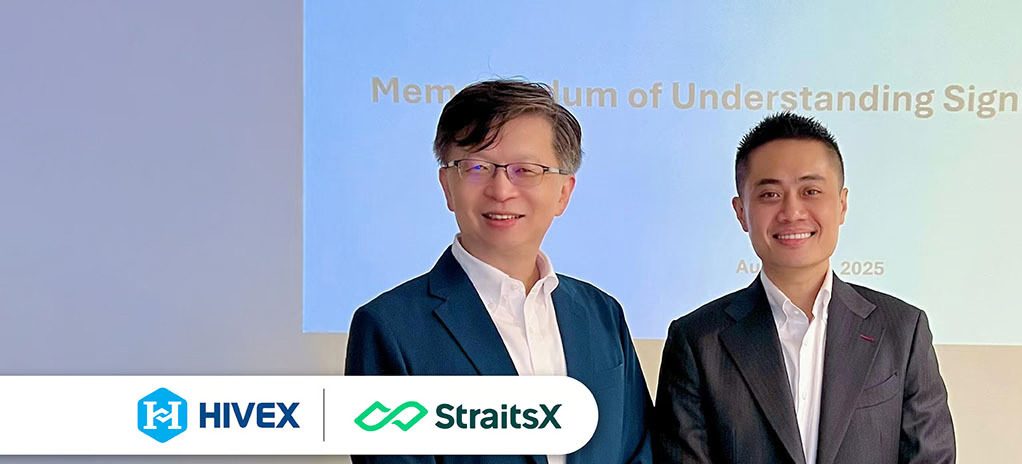
TBCASoft, the U.S.-based on-chain finance innovator behind the HIVEX® Network, has signed a strategic MOU with Singapore-based licensed Major Payment Institution StraitsX, the issuer of XSGD and XUSD stablecoins, under a project named HIVEX® StableLink. The collaboration aims to deliver scalable, blockchain-powered cross-border payments using regulated stablecoins, offering instant foreign exchange (FX) and settlement finality. This initiative is designed to reduce costs and improve efficiency for mobile users, merchants, issuers, and acquirers across the network. StraitsX will integrate its stablecoins with the HIVEX® Network, a next-generation international mobile payment platform. HIVEX® StableLink plans to connect regulated stablecoin issuers in multiple jurisdictions, including Japan, Taiwan, Hong Kong, Thailand, and the United States. The HIVEX® Network leverages blockchain technology to enable secure, interoperable cross-border payments while maintaining FX transparency, regulatory compliance, and data protection. Since 2023, HIVEX® has supported stablecoin-based cross-border clearing and now aims to expand to regulated instant settlement and FX under this initiative. “Project HIVEX® StableLink is a milestone for the HIVEX® Network, establishing it as a global infrastructure layer for mobile payments,” said Ling Wu, Founder and CEO of TBCASoft. “This partnership with StraitsX allows us to deliver scalable, interoperable, and sovereign blockchain-powered finance solutions, offering real value to customers across our network.” Tianwei Liu, CEO & Co-Founder of StraitsX, added: “By integrating our stablecoins and payment capabilities within the HIVEX® Network, businesses can now access seamless and instant QR payments and settlements, backed by trusted infrastructure, compliance, and competitive value.” The partnership strengthens HIVEX®’s position as a global enabler of mobile wallet interoperability, fostering a harmonised framework for banks, e-wallets, merchants, and users, and advancing the adoption of open, borderless mobile payments worldwide.

Energy & Technology

SACOFA Teams Up With ZTE To Upgrade Statewide Network In Sarawak

KUCHING, SACOFA, Sarawak’s leading telecommunications infrastructure provider, has entered a strategic partnership with ZTE Corporation (0763.HK / 000063.SZ), a global leader in integrated information and communication technology solutions, to modernise SACOFA’s statewide network and support Sarawak’s next phase of digital growth. The network upgrade introduces scalable, ultra-broadband capacity through full-band Optical Transport Network (OTN) technologies capable of 1.6 Terabyte throughput, enhanced by AI-driven intelligent network management for improved reliability and spectrum efficiency. The core transport network features a 6-in-1 EDN (Enhanced Deterministic Networking) processor, delivering high-speed forwarding with low latency and jitter resilience for real-time applications. These upgrades will enhance bandwidth delivery, elevate service quality, and optimise operational efficiency. The initiative will see SACOFA upgrading its core transport, routing, and optical layers using ZTE’s advanced solutions, creating a robust foundation for long-term network performance and reliability. Dato Sri Sulaiman Abdul Rahman B Abdul Taib, Managing Director of SACOFA. “SACOFA’s collaboration with ZTE advances the state government’s Post-COVID-19 Development Sarawak 2030 and the Sarawak Digital Blueprint 2030 initiatives. Modernising our network infrastructure allows us to convert enhanced capacity and reliability into economic growth and operational readiness, marking a key milestone in Sarawak’s digital transformation,” said Dato Sri Sulaiman Abdul Rahman B Abdul Taib, Managing Director of SACOFA. Steven Ge, Managing Director, ZTE Malaysia. Steven Ge, Managing Director of ZTE Malaysia, added: “By combining SACOFA’s local expertise with ZTE’s global innovations in core and optical transport technologies, we are delivering a future-ready digital backbone. This infrastructure will enable 5G, cloud, and AI-driven services, supporting Sarawak’s goal of a dynamic and inclusive digital economy by 2030.”

News

Ranhill Appoints Faiz Ishak As Chairman Following Year-Long Leadership Gap

KUALA LUMPUR, Ranhill Utilities Bhd has appointed Datuk Faiz Ishak as its chairman, ending a year-long vacancy following the resignation of founder Tan Sri Hamdan Mohamad in August 2024. Faiz, a non-independent director, takes the helm as the Johor-based utility company undergoes a new phase under its largest shareholder, YTL Power International Bhd. Hamdan, who had led Ranhill since it acquired the listing of Symphony House Bhd in December 2015, stepped down after YTL Power and its 70%-owned unit, SIPP Power Sdn Bhd, completed a mandatory general offer (MGO) in July 2024. The MGO secured a controlling 53.19% stake in Ranhill, following YTL Power’s initial acquisition of nearly 19% of the company for RM140 million in late 2023. The takeover triggered significant boardroom reshuffles, with five new directors appointed in August 2024, including Yeoh Keong Yeen and Yeoh Keong Yuan as executive directors. Several previous board members, including Hamdan, former executive directors Datuk Seri Panglima Lim Haw Kuang and Zurina Abdul Rahim, and Hamdan’s daughter Imaan Aiysha Hamdan, also stepped down. Faiz, 67, joined Ranhill’s board in August 2024. An ACCA-qualified accountant, he has previously held directorships at Transocean Holdings Bhd, YTL Corporation Bhd, and YTL Power. Ranhill, which operates Johor’s sole water utility through Ranhill SAJ Sdn Bhd, reported a net profit of RM17.77 million for Q2 2025, more than double the RM6.94 million recorded in the previous quarter. The company expects strong demand for water services from data centre developments and strategic initiatives, including the Johor-Singapore Special Economic Zone and Special Financial Zone, to support future growth. Ranhill’s shares closed at RM1.59 on Thursday, down three sen or 1.85%, giving the company a market capitalisation of RM2.06 billion.

Investment & Market Trends

SoftBank Reduces Stake In India’s Ola Electric To 15.7%

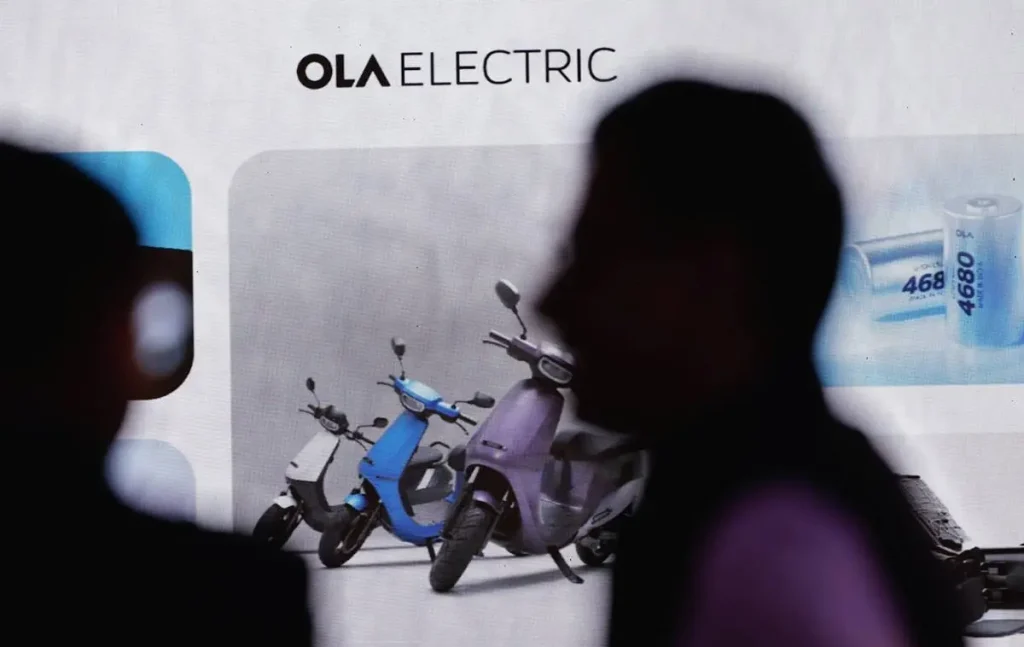
Japan’s SoftBank Group has reduced its stake in Indian electric scooter manufacturer Ola Electric to 15.68% from 17.83%, following the sale of a 2.15% holding over the past two months, according to a filing with the stock exchange on Thursday. SoftBank, which is Ola Electric’s second-largest shareholder after founder Bhavish Aggarwal, disposed of a total of 94.9 million shares through multiple transactions conducted between July and September. The company did not disclose the sale price, leaving investors to speculate on the valuation of the divestment. Ola Electric, which made its stock market debut in August 2024, has recently experienced a surge in trading activity, reflecting heightened investor interest in the electric vehicle sector in India. The stock recorded gains of more than 10% in two of the last four trading sessions, indicating strong market momentum. The reduction in SoftBank’s stake marks another strategic adjustment by the Japanese investment giant, which has been actively managing its portfolio in response to changing market conditions and the evolving outlook for clean energy and mobility companies globally. Despite the partial exit, SoftBank remains a significant shareholder, continuing to support Ola Electric’s growth ambitions in India’s rapidly expanding electric two-wheeler market. Ola Electric has been investing heavily in scaling up production capacity and expanding its charging and service infrastructure to meet rising demand, positioning itself as one of the leading players in India’s transition to electric mobility. The company’s founder, Bhavish Aggarwal, retains control and continues to drive strategic initiatives, including new product launches and international expansion plans.

News

SK Hynix To Distribute US$2.7 Billion In Bonuses To Ease Worker Unrest

SK Hynix Inc’s labour union has approved a historic agreement that could give employees an average bonus of around US$80,000 (RM338,560) for 2025, preventing a potential strike and setting a benchmark for South Korea’s tech sector. Under the deal, 10% of the company’s annual operating profit will be allocated to a bonus pool for its 33,625 employees—a key demand of the union. Analysts estimate the agreement, which also includes a 6% wage increase, will cost SK Hynix about 3.8 trillion won (US$2.7 billion). Individual payouts will vary depending on tenure and seniority. The payout comes amid a projected 60% jump in SK Hynix’s operating income, driven by strong demand for high-bandwidth memory used in artificial intelligence systems. The new compensation structure, set to last 10 years, could influence labour practices across other Korean tech companies. The agreement also pressures Samsung Electronics Co., whose bonuses are not linked to operating income. Following the SK Hynix deal, unions from five Samsung affiliates urged the company to revise its bonus system for more transparency. SK Hynix’s new bonus plan removes the previous cap of 1,000% of base salary, a source of prior conflicts. Under the agreement, 80% of the 2025 bonus will be paid early next year, with the remaining 20% distributed over the following two years. Employees at SK Hynix have expressed strong support and loyalty, while workers outside the company have reacted with envy, highlighting the deal’s industry-wide impact.

Media OutReach

Beyfortus® (nirsevimab) approved in Singapore to protect all infants against RSV disease

Beyfortus (nirsevimab) is the only option that can offer RSV protection designed for all infants with proven high, sustained efficacy, favourable safety and public health impact demonstrated in the real world.1 In the recent HARMONIE trial findings, Beyfortus reduced RSV hospitalisations in infants by 82.7% (95% CI: 67.8 to 91.5; p<0,0001) through six months (180 days). 2, 3 Administration can be timed during the first year of life to protect from birth, or as early as possible. SINGAPORE – Media OutReach Newswire – 5 September 2025 – The Health Sciences Authority (HSA) has approved Sanofi and AstraZeneca’s BEYFORTUS (nirsevimab) for the prevention of respiratory syncytial virus (RSV) lower respiratory tract disease in newborns and infants born during or entering their first RSV season, and for children up to 24 months of age who remain vulnerable to severe RSV disease through their second RSV season. Globally, around 2 in 3 babies will catch RSV before their first birthday4 and it remains the most common cause of lower respiratory tract disease, including bronchiolitis and pneumonia, in infants5. RSV is also a leading cause of hospitalisation among infants in Singapore, with most cases occurring in otherwise healthy, full-term babies. Each year, approximately 1,804 children under 29 months are hospitalised due to RSV-related illness6-10. A panel of leading paediatricians in Singapore recently published an expert consensus, underscoring the urgent need for RSV protection in all infants. They concur that nirsevimab is key to alleviating the RSV burden on the healthcare system and recommend that immunisation be considered for all infants under the National Immunisation Programme in Singapore.11 Zainab Sadat, Head of Vaccines, Sanofi Southeast Asia & India “Today, Singapore joins other countries worldwide where an innovative immunisation solution is now available to protect all infants against RSV. The approval of BEYFORTUS marks a critical step towards giving parents the ability to protect their babies during their first year of life, when they are most vulnerable to severe RSV disease. We are committed to working with stakeholders across the RSV care continuum to ensure seamless implementation and broad availability of this innovative preventive solution — because every baby needs protection. Our goal is simple: to help parents protect their babies, and give them peace of mind.” The approval was based on results from the extensive BEYFORTUS clinical development programme spanning three pivotal late-stage clinical trials. Across all clinical endpoints, a single dose of BEYFORTUS demonstrated high and consistent efficacy against RSV disease sustained for at least five months. BEYFORTUS was well tolerated with a favourable safety profile that was consistent across all clinical trials. The overall rates of adverse events were comparable between BEYFORTUS and placebo and the majority of adverse events were mild or moderate in severity. In temperate countries, the single administration of BEYFORTUS was developed to correspond with the beginning of the RSV season for babies born prior to the season or at birth for those born during the RSV season. In clinical trials, BEYFORTUS helped prevent RSV disease requiring medical care in all infant populations studied, including those born healthy, at term or preterm, or with specific health conditions that make them vulnerable to severe RSV disease. RSV disease requiring medical care included physician office, urgent care, emergency room visits and hospitalisations. About RSV RSV is a highly contagious virus that can lead to serious respiratory illness for infants.5 It is a leading cause of hospitalisation in all infants, with most hospitalisations for RSV occurring in otherwise healthy infants born at term6-10. Two out of three infants are infected with RSV during their first year of life and almost all children are infected by their second birthday4. Globally, in 2019, there were approximately 33 million cases of acute lower respiratory infections leading to more than three million hospitalisations, and it was estimated that there were 26,300 in-hospital deaths of children younger than five years12. RSV-related direct medical costs, globally — including hospital, outpatient and follow-up care — were estimated at €4.82 billion in 201713. About BEYFORTUS BEYFORTUS (nirsevimab) is the first immunisation designed for all newborns and infants for protection against RSV disease through their first RSV season, including for those born healthy at term or preterm, or with specific health conditions. It is also indicated for children up to 24 months of age who remain vulnerable to severe RSV disease through their second RSV season. As a long-acting antibody provided directly to newborns and infants as a single dose, BEYFORTUS offers rapid protection to help prevent lower respiratory tract disease caused by RSV without requiring activation of the immune system. BEYFORTUS administration can be timed to coincide with the RSV season. BEYFORTUS has been approved for use in the European Union, the US, China, Japan, and many other countries around the world. Special designations to facilitate expedited development of BEYFORTUS were granted by several regulatory agencies, including Breakthrough Therapy Designation and Priority Review designation by The China Center for Drug Evaluation under the National Medical Products Administration; Breakthrough Therapy Designation and Fast Track Designation from the US Food and Drug Administration; access granted to the European Medicines Agency (EMA) PRIority MEdicines (PRIME) scheme and EMA accelerated assessment; Promising Innovative Medicine designation by the UK Medicines and Healthcare products Regulatory Agency; and BEYFORTUS has been named “a medicine for prioritized development” under the Project for Drug Selection to Promote New Drug Development in Pediatrics by the Japan Agency for Medical Research and Development. About the clinical trials The Phase 2b trial14 was a randomised, placebo-controlled trial designed to measure the efficacy of BEYFORTUS against medically attended lower respiratory tract disease (LRTD) caused by RSV through 150 days post-dose in healthy preterm infants of 29 to less than 35 weeks’ gestation (n=1,453). Infants were randomised (2:1) to receive a single 50 mg intramuscular injection of BEYFORTUS (n=969) or placebo (n=484) regardless of weight at the RSV season start. The primary endpoint was met, significantly reducing the incidence of medically attended RSV LRTD by 70.1% (95% CI: 52.3, 81.2; P<0.001) compared to

Investment & Market Trends

Hengyuan To Raise RM300 Million Through Rights Issue After Shareholder Commitment

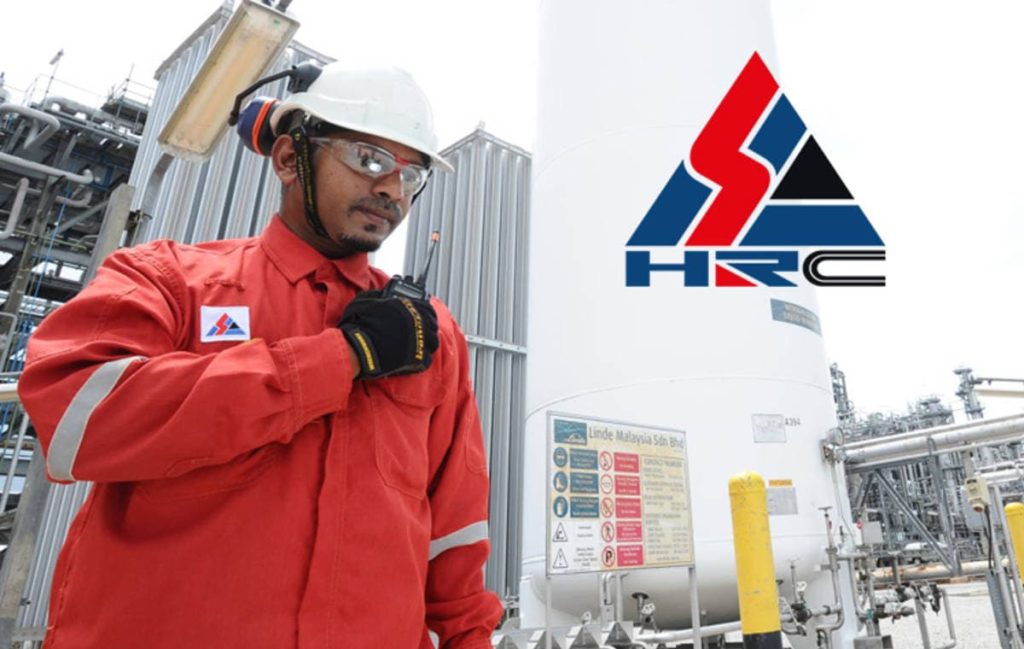
KUALA LUMPUR, Hengyuan Refining Company Bhd (KL:HENGYUAN) said its major shareholder, Malaysia Hengyuan International Ltd (MHIL), has committed to subscribe for its full entitlement in the company’s ongoing rights issue. “This commitment secures the minimum fundraising of RM155 million under the exercise,” Hengyuan said in a filing with Bursa Malaysia on Thursday, noting that the group is now on course to raise up to RM300 million through the exercise. The rights issue will involve up to 300 million new shares and 150 million free detachable warrants, offered at one rights share for every existing share held and one warrant for every two rights shares subscribed. Proceeds from the exercise are primarily intended to fund the purchase of additional crude oil feedstock. Hengyuan remains the main supplier of Shell refined products in Peninsular Malaysia and has also expanded its customer base to include Petronas, Petron, and Five. Approximately 90% of Hengyuan’s refined products are sold domestically, with the remainder exported to Southeast Asia. Hengyuan, 51.02%-owned by MHIL, expects to raise up to RM300 million from the rights shares, based on an illustrative price of RM1 per share. If the warrants are fully exercised at RM1.41 each, the company could raise an additional RM211.5 million over five years. The group is targeting a return to profitability by 2026 and, subject to this, the board may consider resuming dividends in the future. Chief Financial Officer Yeo Bee Hwan said Hengyuan has invested more than RM2.2 billion over the past five years to boost production capacity and expand into higher-value products such as sustainable aviation fuel and Euro 5 gasoil. Hengyuan has reported losses over the past three financial years, including a RM158 million loss after tax in FY2022, RM489 million in FY2023, and RM358 million in FY2024. The first half of FY2025 saw a net loss of RM353.69 million, compared with RM198.34 million in the same period last year, on revenue of RM5.89 billion, down 39% from RM9.61 billion. Hengyuan’s share price closed two sen lower at RM1.19 on Thursday, down 45% year-to-date.

Property

DXN To Acquire Burj Khalifa Apartment From Chairman For RM7.4 Million

KUALA LUMPUR, DXN Holdings Bhd (KL:DXN), a multi-level marketing company focused on health and wellness products, is set to purchase an apartment in Dubai’s Burj Khalifa for 6.4 million dirhams (RM7.37 million) in cash from its executive chairman and major shareholder, Datuk Lim Siow Jin. The apartment, on the 60th floor, spans 1,887.99 sq ft and includes two parking bays, according to DXN’s Bursa filing. The acquisition is via DXN’s wholly-owned unit, Daxen Middle East Food Manufacturing LLC, which will fund the purchase using internal resources. DXN confirmed the transaction will not affect its balance sheet or dividend payouts. As a related-party transaction, the deal involves substantial shareholders, with Lim holding a 58.36% stake in DXN through himself, his wife Datin Leong Bee Ling, and LSJ Global Sdn Bhd. Lim’s wife, Datin Wan Illiyyin Wan Mohd Nazi, is also part of the sale agreement. DXN plans to use the property for leadership training, VIP events, and influencer-led content creation, while also exploring potential rental income. The company said the apartment will integrate with its incentive and lifestyle programmes, similar to its existing retreat centres at Boulder Valley Glamping in Penang and DXN Cyberville in Cyberjaya. DXN highlighted that the Burj Khalifa’s global luxury status aligns with the company’s branding and international focus. Dubai has become an important hub for DXN, which established a manufacturing plant there in 2023. The Middle East contributed over 10% of the company’s revenue in FY2025. This follows DXN’s November 2024 plan to lease a Gulfstream G550 corporate jet from a company linked to Lim for up to US$6.6 million (RM27.89 million) per year, also a related-party transaction funded entirely from internal funds. DXN defended the jet, saying it supports the company’s global expansion, particularly in Latin America, where 11 of its 13 manufacturing facilities are located and which accounted for nearly 58% of FY2024 sales. In July, DXN reported a 13.6% year-on-year decline in first-quarter net profit to RM73.91 million from RM85.56 million, citing foreign exchange losses due to a stronger ringgit. Revenue for 1QFY2026 increased slightly to RM479.1 million from RM475.1 million in 1QFY2025. The company maintained a dividend of 0.9 sen per share, unchanged from the previous year. DXN said it is continuing its expansion plans, including new facilities in Peru and Morocco and a domestic hub in Kelantan, despite macroeconomic challenges such as currency volatility, regional instability, and supply chain risks. Shares of DXN closed at 50 sen, down half a sen or 0.99%, giving the company a market capitalisation of RM2.49 billion.

News

Amazon Finalizes Axio Acquisition, Gains Entry To India’s Direct Lending Market

MUMBAI, Amazon announced on Thursday that it has completed its acquisition of Bengaluru-based non-banking lender Axio for an undisclosed sum, giving the e-commerce giant access to India’s direct lending market. The deal, which had been under discussion since December, received approval from the Reserve Bank of India in June, according to Mahendra Nerurkar, Amazon’s vice-president for payments in emerging markets. Founded 12 years ago, Axio is a fintech lender providing digital credit and money management solutions to both retail customers and small businesses. Under Amazon, the platform will offer a range of credit products, including loans at checkout and other services beyond the Amazon ecosystem, Nerurkar said. He added that Amazon aims to develop new credit products to better serve consumers and small- to medium-sized businesses. Unlike most e-commerce platforms in India that partner with banks or non-banking lenders, Amazon can now lend directly through Axio, a more profitable model. Flipkart, for instance, secured its non-banking financial company licence in April via Flipkart Finance, allowing lending but not deposit-taking. Axio will continue operating as a separate business but will now be a wholly-owned subsidiary of Amazon in India. The lender reported a loan book of approximately 22 billion rupees (US$251.4 million/RM1.1 billion) for the quarter ending June, according to co-founder Gaurav Hinduja. The acquisition strengthens Amazon’s fintech presence in India, complementing approvals it has already secured for offering payment wallets and selling insurance on its platform. Amazon Pay ranked ninth by transaction volume on India’s Unified Payments Interface (UPI) in July 2025, per the National Payments Corporation of India.

Scroll to Top

Subscribe
FREE Newsletter