Author name: admin

News

Robocore Secures US$30 Million Investment From Foxconn Unit

A subsidiary of Foxconn Technology Group, the world’s largest electronics manufacturer, is investing US$30 million in Hong Kong-based Robocore Technology, marking the Taiwanese giant’s entry into the smart robotics market. The deal was made through Foxconn Technology, a Taipei-listed company partly owned by Apple and Nvidia supplier Hon Hai Precision Industry. The investment formed part of Robocore’s Series D funding round, completed recently at its base in the Hong Kong Science Park. “This isn’t just capital support – it’s a strong vote of confidence in our future,” said Roy Lim Long-hei, founder and CEO of Robocore. He added that Foxconn’s supply chain and manufacturing expertise would help the startup grow faster, expand into new markets, and prepare for a possible US IPO within five years. The move also reflects Foxconn’s broader strategy to diversify beyond smartphones into AI servers, robotics, and cloud technologies. A range of smart, programmable service robots designed and developed by Robocore Technology.  Robocore develops programmable service robots for healthcare, education, consumer use, and smart facility management. Its Israel-based unit, RoboTemi Global, created the temi AI-powered personal assistant robot. Under the investment plan, Foxconn will first inject US$10 million for a 6.6% stake in RoboTemi Global, followed by two additional tranches of US$10 million each over the next two years. Proceeds from the funding round will mainly support telemedicine expansion in the US, Europe, and Japan, alongside new consumer product launches in China and global sales growth. Robocore founder and CEO Roy Lim Long-hei. Robocore said production is currently split between Dongguan and Taiwan, with the latter ramping up to serve the US healthcare market due to tariff advantages. With Foxconn’s backing, the company expects to triple its revenue within three years and grow fivefold by 2028. Today, Robocore has robots deployed at nearly 20,000 sites worldwide, including 5,000 in the US across hospitals, elderly care homes, retail chains, and households. In Hong Kong alone, 720 robots are in use at 38 public hospitals, while in New York State, over 200 elderly homes use the temi robot for remote medical diagnoses. “We’re focused on scaling globally, using Hong Kong as a reference case,” Lim said.

Investment & Market Trends

Express Powerr To Secure RM36m Via IPO

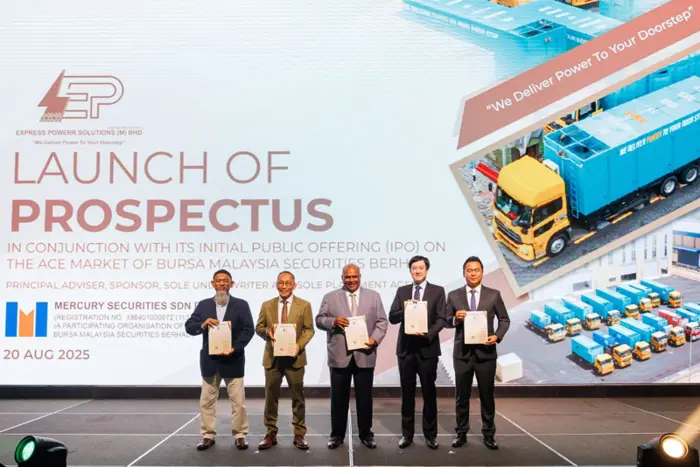
KUALA LUMPUR, Express Powerr Solutions (M) Bhd, a generator rental services provider, is set to debut on the ACE Market of Bursa Malaysia on Sept 24, 2025, with plans to raise RM36 million from its initial public offering (IPO). Priced at 20 sen per share, the listing will give the company a market capitalisation of RM186.9 million, based on its enlarged issued share capital of 934.4 million shares. From left: Express Powerr Solutions (M) Bhd non-independent executive director Rosli Jonid, Express Powerr managing director Lim Cheng Ten, Express Powerr independent non-executive chairman Datuk Mohd Redza Shah Abdul Wahid, Mercury Securities Sdn Bhd director Jamieson Chew Yen Loong and Mercury Securities head of corporate finance Eric Chong Soo Keng. Managing director Lim Cheng Ten said the funds raised will be used to expand the company’s generator fleet by at least 36 units and acquire medium- and high-voltage equipment to support growth over the next three years. He added that while Tenaga Nasional Bhd remains the company’s largest revenue source, its contribution has fallen to 60% in 2024 from 95% previously. With 27 oil and gas projects worth RM4.46 billion approved in the first nine months of 2024, Express Powerr expects stronger demand for generator sets in exploration and drilling activities. To reward investors, the company has introduced a dividend policy of distributing 30% to 50% of net profit. Lim noted that while Express Powerr has ventured into solar, it remains at an early stage and is not a near-term focus. The IPO will comprise 180 million new shares, representing 19.3% of the enlarged share capital, along with an offer for sale of 65.4 million existing shares.

News

King Power Closes Outlets, Reduces Staff

King Power Corporation is downsizing its duty-free business by closing three downtown branches in Bangkok and Pattaya and introducing a voluntary redundancy programme for employees, chief executive Nitinai Sirismatthakarn said. The closures — King Power Mahanakhon, King Power Srivaree, and King Power Pattaya — come as revenue from group tours declines, with more tourists now travelling independently. Airport duty-free outlets, however, remain stable as they rely on individual passengers. The company’s affiliate, King Power Duty Free Co, is also negotiating contract adjustments with Airports of Thailand Plc (AoT) for operations at five airports. Falling foreign tourist arrivals, down 5% this year and led by a 33% drop in Chinese visitors, have pressured both King Power’s revenues and AoT’s share price, which has plunged 35.6% in 2025. Mr. Nitinai, a former AoT president who became CEO of King Power in June, said the cost-cutting move is part of wider adjustments businesses must make in changing market conditions. Employees opting for voluntary redundancy will receive compensation under labour laws, while staff from the closed outlets may be reassigned to other locations. Founded in 1989, King Power remains Thailand’s largest duty-free operator. Last month, AoT approved extended payment terms for three contracts covering five airports, while earlier this year King Power sought to exit those contracts, citing the downturn in tourist arrivals.

Investment & Market Trends

Bank Rakyat, PT Bathi Rakyat Abadi Partner To Boost Halal Businesses In Indonesia

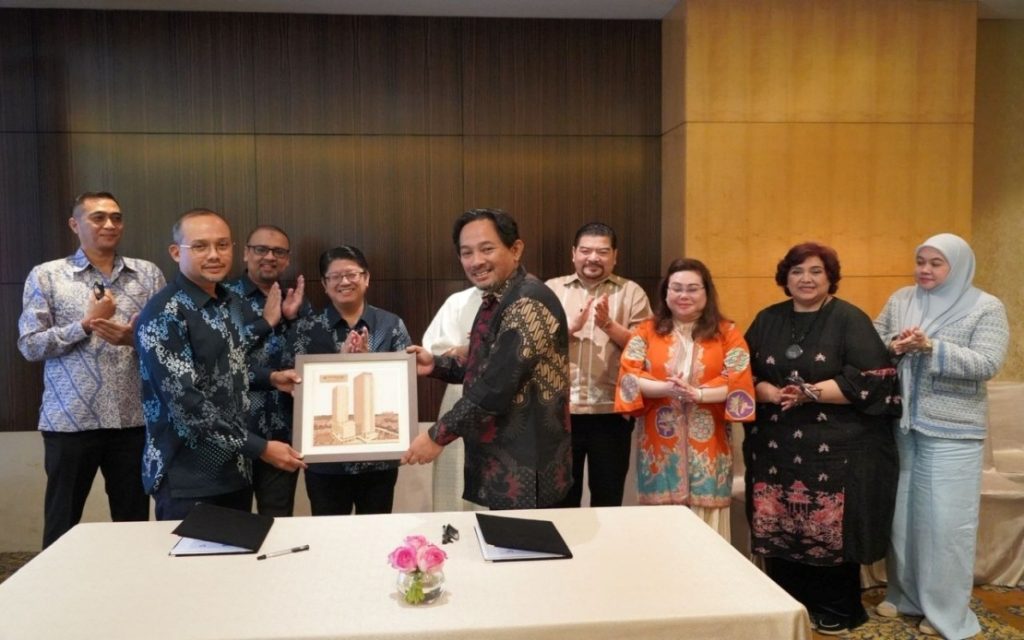
KUALA LUMPUR, Bank Kerjasama Rakyat Malaysia Bhd (Bank Rakyat) has signed a Memorandum of Understanding (MoU) with PT Bathi Rakyat Abadi to expand Shariah-compliant financial solutions—particularly Ar-Rahnu (Islamic pawn broking)—and to support the growth of halal-based businesses in Indonesia. Entrepreneur and Cooperatives Development Minister Datuk Ewon Benedick said the partnership reflects the shared commitment of Malaysia and Indonesia to empower communities, enhance financial inclusion, and strengthen the cooperative movement across borders. “This collaboration is a meaningful step towards building inclusive financial systems that encourage responsible development and create opportunities for communities in both nations,” he said. Bank Rakyat chairman Datuk Mohd Irwan Mohd Mubarak said the alliance highlights the bank’s ambition to expand internationally and reinforce its role in cooperative finance. “This partnership opens up significant opportunities, especially in Ar-Rahnu services. Bank Rakyat will share its expertise in Shariah-compliant operations while supporting the halal business sector in Indonesia,” he said, adding that the bank remains committed to strengthening its regional presence and promoting sustainable solutions that uplift communities and enterprises alike.

Energy & Technology

Singapore’s AIGP Health Gets First HSA Class A Approval For AI Clinical Assistant

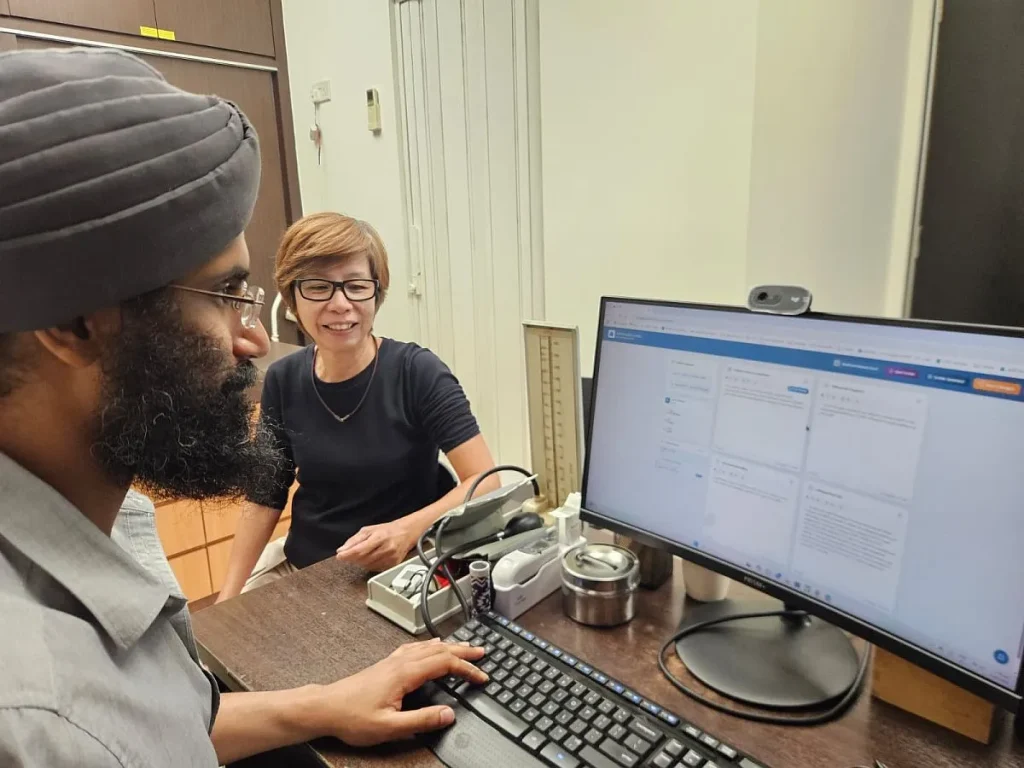
Singapore-based health tech startup AIGP Health has received Class A approval from the Health Sciences Authority (HSA) for its AI-powered clinical assistant — becoming the first company in the country to secure this designation. The approval paves the way for the clinician-founded firm to expand its platform to general practice clinics and telehealth providers in Singapore, with overseas rollout planned later. Built by practising doctors, the platform uses natural language processing to help healthcare professionals with real-time note-taking, patient data summaries, and consultation prompts. It is classified as low-risk software, with all medical decisions remaining under physician control, in line with HSA rules. Dr Prateet Narula, co-founder of AIGP Health, using the Anzu clinical assistant during a live consultation. “This milestone reaffirms our belief that technology should support, not replace, the human touch in healthcare,” said Dr Anindita Santosa, co-founder and CEO of AIGP Health. With regulatory clearance, the startup can now move beyond pilots into wider deployment, aiming to reduce administrative tasks for doctors while improving continuity of care for patients. Singapore’s regulators have emphasised that AI in healthcare must augment, not replace, clinical judgement under its digital health framework.

News

Volkswagen Malaysia Teams Up With PKT Logistics To Boost Supply Chain Efficiency

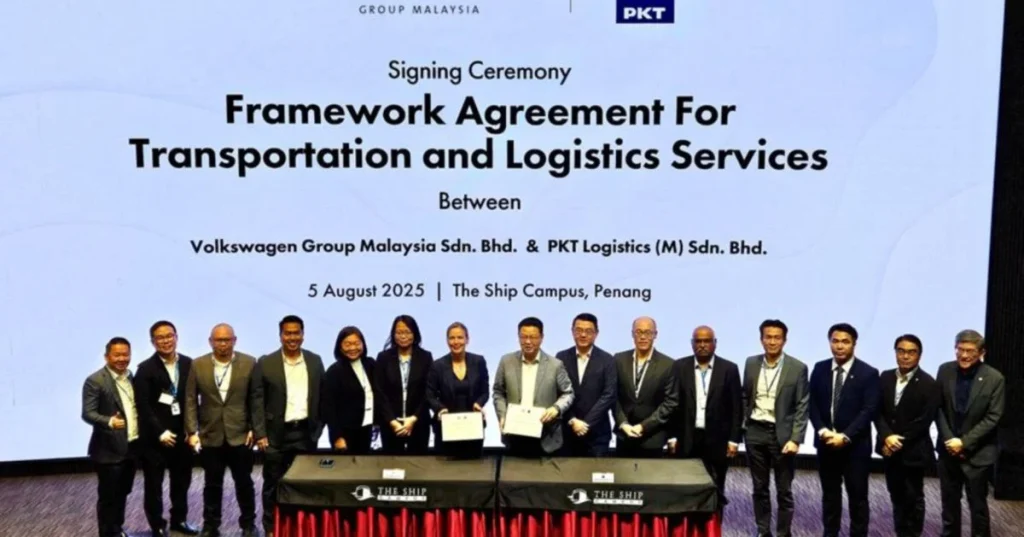
KUALA LUMPUR, Volkswagen Group Malaysia (VGM) has entered into a strategic partnership with PKT Logistics (M) Sdn Bhd to strengthen its logistics operations in the country. The framework agreement for transportation and logistics services was signed on Aug 5, 2025, at PKT’s “The Ship” campus in Batu Kawan, Penang. “This agreement is more than a contract – it marks an important milestone in Volkswagen Group Malaysia’s growth journey,” said VGM managing director Dr Susanne Lehmann. PKT group chief executive and managing director Datuk Seri Dr Michael Tio said the company’s priority is to ensure smooth, efficient, and reliable logistics to support Volkswagen’s regional supply chain. He added that PKT, with decades of automotive logistics experience and global brand partnerships, remains committed to sustainability and ESG-driven practices. The partnership is expected to enhance both inbound and outbound logistics efficiency for VGM, while also supporting Malaysia’s ambition to become a regional logistics hub. With PKT’s expertise, VGM aims to build a more agile and resilient supply chain to support its future growth.

Investment & Market Trends

China Galaxy, CICC Plan $1B Investment Push In Southeast Asia

SINGAPORE, China International Capital Corp (CICC) and China Galaxy Securities, two state-backed investment banks, plan to launch investment funds worth over $1 billion in Southeast Asia as part of a push to tap the region’s fast-growing market and reduce risks from U.S. tariff tensions. The move marks a shift for the banks, which usually focus on China’s domestic market. It also aligns with Beijing’s call for financial institutions to expand overseas investments and strengthen regional economic ties. Units of CICC and China Galaxy are expected to roll out the funds within the next 12 to 18 months, according to company executives and sources. “As Chinese companies adopt the ‘China plus N’ strategy to diversify supply chains and operations outside China, they need strong local partners in Southeast Asia,” said Carol Fong, CEO of CGS International, a China Galaxy subsidiary. “This regional knowledge will support expansion in supply chain, distribution, and other industries.” CICC Capital, the private equity arm of CICC, is also working with Malaysia Digital Economy Corp to launch a $100 million fund focused on Malaysia’s gaming industry, according to an official from Malaysia’s digital ministry. Meanwhile, CGS International is partnering with Fullgoal Asset Management Hong Kong and Bursa Malaysia to simplify the listing of foreign ETFs in Malaysia, particularly those linked to Chinese assets. The first listings could take place within 12–18 months, pending regulatory approval. China remains Southeast Asia’s largest trading partner, with two-way trade rising 12% to $982 billion in 2024, official data shows.

Energy & Technology

CelcomDigi And Huawei Malaysia Unveil High-Speed Internet Solution For Businesses

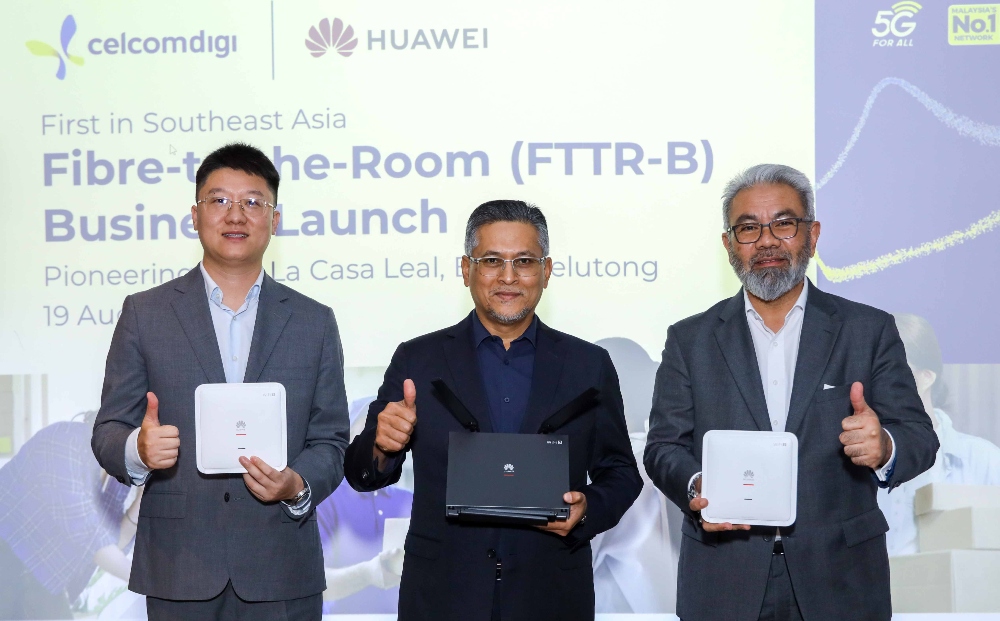
KUALA LUMPUR, CelcomDigi Bhd has partnered with Huawei Technologies (Malaysia) Sdn Bhd to introduce Malaysia’s first fibre-to-the-room business (FTTR-B) solution, aimed at boosting connectivity for enterprises. The company said the new plan, powered by Huawei’s advanced technology, provides stable, high-speed internet with stronger signals and seamless indoor coverage, ensuring reliable connectivity across business premises. From left: Bruce Li, account director of CelcomDigi Key Account, Huawei Technologies (Malaysia) Sdn Bhd, Awalan Abdul Aziz, director, La Casa Leal Restaurant and Afizulazha Abdullah, chief enterprise business officer, CelcomDigi. “With more business functions such as payments, tax submissions, invoicing and customer service moving online, companies need robust connectivity to remain agile and competitive,” CelcomDigi said in a statement. The FTTR-B solution, which incorporates the latest WiFi 7 technology, offers ultra-fast speeds, low latency, and the capacity to support multiple devices simultaneously. Businesses can also opt for a fully managed and customisable package, covering installation, tailored network design, on-site support, and proactive monitoring to ensure smooth operations in complex environments.

Investment & Market Trends

Shein IPO Hurdles Put China’s Global Ambitions In Spotlight

HONG KONG, Shein has long been seen as a master of reinvention. In 2022, the fast-fashion giant shifted its headquarters and key trademarks from China to Singapore in a bid to appear more global. The move initially paid off, with booming U.S. and international sales propelling its valuation to $100 billion — ahead of rivals such as H&M. Yet, the retailer’s repeatedly delayed initial public offering and mounting setbacks highlight the limits of such makeovers. Executive Chairman Donald Tang first aimed to take Shein public in New York in 2022, but U.S. lawmakers raised concerns over its supply chain practices in China. The company has maintained it enforces a strict zero-tolerance policy against forced and child labour. A subsequent listing attempt in London also collapsed after failing to secure approval from the China Securities Regulatory Commission, which requires companies with substantial ties to China to obtain clearance before going public. Shein’s third effort, this time in Hong Kong, now appears shaky. Bloomberg reported this week that the company has been exploring the creation of a mainland parent entity to strengthen its case — a move that would effectively restore its Chinese identity. While the reasons behind Beijing’s hesitation remain unclear, paying local taxes could help sway regulators. The drawn-out listing saga has proven costly. More urgent challenges loom: in its largest markets, the U.S. has ended duty-free treatment for shipments under $800, while Europe is introducing a €2 levy on low-value e-commerce packages. At the same time, intensifying competition from Temu — owned by $169 billion PDD — is pressuring margins. Financially, Shein is also under strain. The Financial Times reported earlier this year that net profit in 2024 fell nearly 40% to $1 billion, despite revenue growing by 20%. Investors, eager for liquidity, have since pushed the company to accept a sharply reduced valuation, with Bloomberg citing figures as low as $30 billion. Shein’s struggles carry a broader warning for other Chinese firms attempting global reinventions. PDD, listed in New York but incorporated in the Cayman Islands, shifted its headquarters to Ireland in 2023, while ByteDance spreads operations across Singapore and California. Shein’s experience shows that corporate reshuffling has limits — and can even backfire.

ESG

Strengthening The Bioeconomy: Bioeconomy Corporation Partners With Invest Sabah

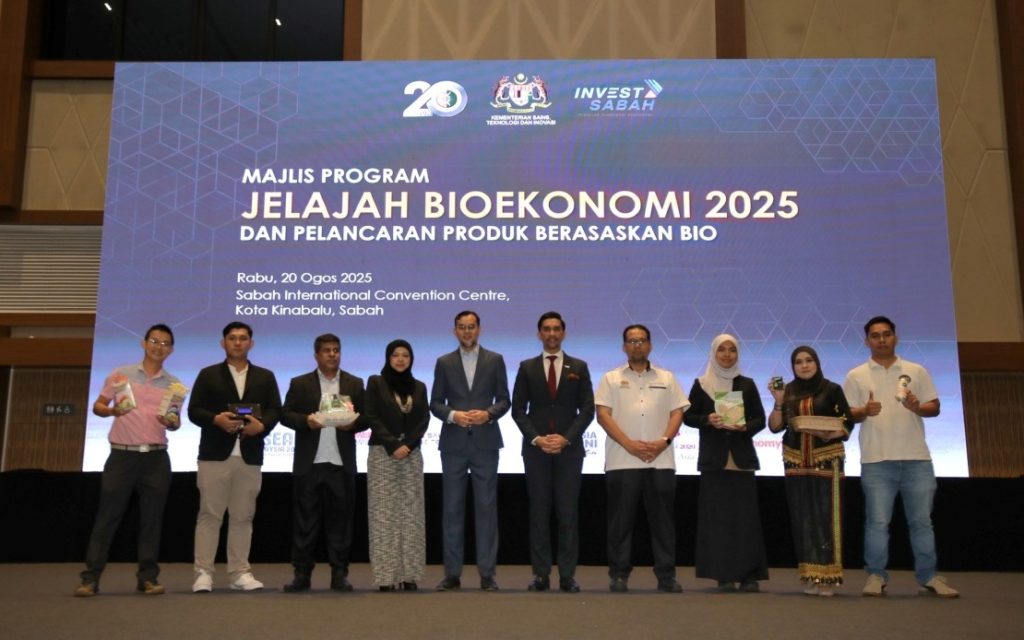
KOTA KINABALU, The Malaysian Bioeconomy Development Corporation (Bioeconomy Corporation) has entered into a strategic partnership with Invest Sabah Bhd through the Bioeconomy Tour 2025, aimed at strengthening Sabah’s bioeconomy ecosystem and unlocking new economic and sustainable development opportunities for the state. Bioeconomy Corporation chief executive officer (CEO) Mohd Khairul Fidzal Abdul Razak said the collaboration involves close cooperation with nine Sabah-based agencies as part of an integrated effort to support the Ministry of Science, Technology and Innovation’s mission to position Malaysia as a global technology leader by 2030. He highlighted that strong participation in the 2024 Sabah Bioeconomy Tour showcased the state’s vast potential in biotechnology and bio-based industries. With stronger backing from state agencies this year, he is confident the sector will see greater progress. “Our focus is to assist biotechnology companies nationwide, particularly in Sabah. Earlier, we introduced six bio-based products from local firms. With this programme, we aim to help more local companies develop products for both domestic and international markets,” he told reporters after the Bioeconomy Tour 2025. This year, Bioeconomy Corporation plans to host the programme in six locations nationwide with over 200 participants, and to launch 60 new products and innovations. For the Sabah edition, the corporation will roll out the BioSynergy programme in partnership with POIC Lahad Datu to boost research, technology transfer, talent development, and enterprise support. According to Mohd Khairul, the initiative is designed to build expertise and enhance the competitiveness of Bio-based Accelerator (BBA) and BioNexus-status companies in Sabah, both of which are critical to the state’s bioeconomy growth. To date, more than 630 companies across Malaysia have recorded approved investments worth RM8.7 billion as of the second quarter of 2025. “This shows that continuous support for these companies will deliver even greater and more sustainable impacts on science, technology and innovation-driven economic development. We are committed to advancing BBA and BioNexus companies to help the industry contribute five per cent to GDP growth,” he added. Meanwhile, Invest Sabah CEO Dr Firdaus Suffian said the collaboration with Bioeconomy Corporation will not only strengthen Sabah’s bioeconomy ecosystem but also create opportunities for investors, innovative companies, and local communities to engage in the growth of the bio-based industry. “As the state agency responsible for attracting investments and driving economic development, we view this partnership as a strategic platform to support biotechnology growth in Sabah and expand economic opportunities for the people. This is also an opportunity to drive innovation and promote Sabah as a hub for strategic technology investments,” he said. Dr Firdaus added that Sabah’s rich biodiversity offers vast untapped potential to develop high-value products through bio-based technologies. He expressed confidence that more BBA and BioNexus companies will be established in Sabah through initiatives like the Bioeconomy Tour, further contributing to both state and national economic growth.

Scroll to Top

Subscribe
FREE Newsletter