Author name: admin

Media OutReach

Avoid unnecessary risks: Octa broker on crucial traders’ choices

KUALA LUMPUR, MALAYSIA – Media OutReach Newswire – 1 August 2025 – For those trading in the financial markets, choosing an online broker is the foundation of their future success. So, when seasoned traders emphasise the importance of this choice, they really mean it. Outlined below are key issues that can—and likely will—occur when choosing a broker with questionable regulation and unclear conditions. By its nature, trading encourages a systematic, data-driven approach—not limited to placing orders or planning sessions. To succeed in trading, it is also instrumental to be careful and thorough when choosing a financial broker. The nonchalant approach of some emerging traders who ask, ‘What can go wrong?’ and start trading with a broker without checking their licences, reviews, and conditions often leads to bitter disappointment and regret. Here is why. Problematic withdrawals One of the most common issues with unregulated brokers is the inefficient fund withdrawal process. More often than not, traders who choose to trade with such a broker are unaware of the risks they expose themselves to. Meanwhile, the unpleasant surprise can lurk around the corner and pounce when they least expect it. While depositing is usually instant, withdrawals can be delayed under various pretexts. In some cases, traders are asked to provide extraneous documentation or are told they must trade a certain volume before they can access their own money. Legitimate brokers process a vast majority of withdrawal requests within a fixed timeframe and do not impose arbitrary conditions once the necessary know-your-customer checks have been successfully completed. As a globally regulated broker, Octa follows the best international practices and partners with the most trusted and popular payments providers. The broker boasts a fast and efficient withdrawal process that many satisfied clients highlight in their reviews. Manipulating trading conditions When traders go for a less regulated or otherwise questionable broker, they can encounter shifting trading conditions. In this case, the broker’s clients often find out their profits were significantly eroded by the additional charges not reflected in the terms and conditions. Manipulating conditions can include artificially widening the spread or introducing a price slippage that consistently works against the trader. In more extreme cases, such brokers may use platform-side price manipulation, where the prices on their trading platform do not reflect the real market. These tricks can disrupt traders’ ability to open and close trades at fair levels, destroying the effect of even the most sound strategy. On the other hand, trusted and regulated brokers detail all the necessary information in their terms and conditions. Experienced companies like Octa and other globally operating brokers aim for long-term and mutually beneficial client relationships. They value transparency and full disclosure to create a friendly, supportive trading environment for their clients. Unsegregated clients’ funds All regulated brokers are required to keep client funds in segregated accounts. This means that the company’s operating capital never overlaps with the clients’ funds, avoiding any potential risks in case of a market contingency. However, brokers operating without proper licenses are not required to stick to this practice. This means the clients’ deposited money could be used to cover the broker’s expenses or be at risk if the broker goes bankrupt. Transparency and regulation are not the default qualities of every broker. On the contrary, these crucial attributes distinguish shady companies from trusted, client-oriented brokers who aim to minimise their clients’ risks. With this goal in mind, reliable brokers choose their own approaches tailored to their strengths. For example, Octa broker strives to empower traders by providing them with all the most accessible modern tools and thus equipping them for success. This also includes an efficient withdrawal process and a reliable, regulated trading environment, which enables Octa’s clients to reach positive long-term outcomes. ___ Disclaimer: This press release does not contain or constitute investment advice or recommendations and does not consider your investment objectives, financial situation, or needs. Any actions taken based on this content are at your sole discretion and risk—Octa does not accept any liability for any resulting losses or consequences. Hashtag: #Octa The issuer is solely responsible for the content of this announcement. Octa Octa is an international CFD broker that has been providing online trading services worldwide since 2011. It offers commission-free access to financial markets and various services used by clients from 180 countries who have opened more than 52 million trading accounts. To help its clients reach their investment goals, Octa offers free educational webinars, articles, and analytical tools. The company is involved in a comprehensive network of charitable and humanitarian initiatives, including improving educational infrastructure and funding short-notice relief projects to support local communities. In Southeast Asia, Octa received the ‘Best Trading Platform Malaysia 2024’ and the ‘Most Reliable Broker Asia 2023’ awards from Brands and Business Magazine and International Global Forex Awards, respectively.

Media OutReach

Guests of the Shanghai Cooperation Organization Media and Think Tank Summit Visit Luoyang: Embracing the Dynamic Pulse of a Millennia-Old Ancient Capital

LUOYANG, CHINA – Media OutReach Newswire – 1 August 2025 – From July 23 to 27, the Shanghai Cooperation Organization Media and Think Tank Summit was held in Zhengzhou, Henan Province. On July 26, over 100 guests embarked on a field visit to Luoyang, immersing themselves in the vitality and pulse of this millennium-old ancient capital. Site Museum of Dingding Gate As a pivotal cradle of Chinese civilization, an ancient capital of thirteen dynasties, one of the Eastern starting points of the Silk Road, and a central city along the the Grand Canal of Sui and Tang Dynasties, Luoyang boasts over 5,000 years of civilization, nearly 4,000 years of urban history, and more than 1,500 years as a capital. Additionally, it serves as an important traditional industrial base prioritized by the People’s Republic of China. During the first Five-Year Plan (1953-1957), seven of 156 key national projects were launched here. In the new era, Luoyang is forging deep integration into the Belt and Road Initiative, as China-Europe and China-Central Asia freight trains operate around the clock. Guests of the Shanghai Cooperation Organization Media and Think Tank Summit Visit Luoyang The Silk Road’s ancient portal endures, while the radiance of the Tang Dynasty’s heyday blooms anew. Dingding Gate stands majestic, having witnessed the distant years when camel bells echoed along the Silk Road and greeted the flourishing glory of the Sui and Tang Dynasties. Stepping into the Site Museum of Dingding Gate, a magnificent reenactment of the “city entrance ceremony” instantly transported them through history. As performers bowed deeply, their Hanfu robes swirling, the guests marveled at the millennia-old elegance of the cross-handed salute, remarking they had never witnessed such graceful etiquette. Moving to the dazzling “Wuhuang Shengyan (a Tang-style Cultural Restaurant)”, guests embarked on a multisensory journey through the Tang Dynasty’s golden age. Amid carved railings and jade-inlaid structures, they savored exquisite delicacies amid resounding music and dance, overwhelmed by the grandeur of Tang majesty. In joyous spirit, guests spontaneously joined performers onstage. Long after the feast, its melodies lingered as the guests remained in awe, exclaiming, “Stunning! Magnificent! Breathtaking!” They vowed to tell friends and family that they must come and experience it. Dongfanghong composes new stories, while the Buddha’s light of Longmen shines upon the world. Entering the Dongfanghong Innovation Hub of YTO Group Corporation, guests felt the surging pulse of Luoyang’s equipment manufacturing and industrial development. Interested foreign guests boarded the vehicles to experience the new tractors on display. The accessible advanced manufacturing deeply touched them. “Luoyang is not only beautiful, but also possesses the crafting might of modern farm machinery, which is truly remarkable!” Many foreign guests noted that China’s generous support in professional technologies and equipment had boosted agricultural development in their countries, bolstering the foundations of sustainable growth and safeguarding precious food security. They expressed hope for deeper cooperation ahead. At Longmen Grottoes, guests explored China’s treasury of stone carving art. Foreign guests paused before the Giant Vairocana Buddha, remarking that Luoyang is an extraordinarily unique place, rich in culture and civilization. They expressed hope for linking their countries with China through tourism to foster deeper exchanges and mutual learning between civilizations. Millennium-old Luoyang retains its timeless charm. Through this in-depth visit, guests of the Shanghai Cooperation Organization Media and Think Tank Summit not only heard the echoes of history but also felt the city’s powerful pulse of the times. They etched deeply in their hearts a “stunning, magnificent, and breathtaking” magical Luoyang, a city they would share far and wide across the world. Hashtag: #Luoyang The issuer is solely responsible for the content of this announcement.

Media OutReach

AEON Bank and foodpanda Embark on a Strategic Partnership to Drive Growth and Create Value for Customers, Riders and Merchants

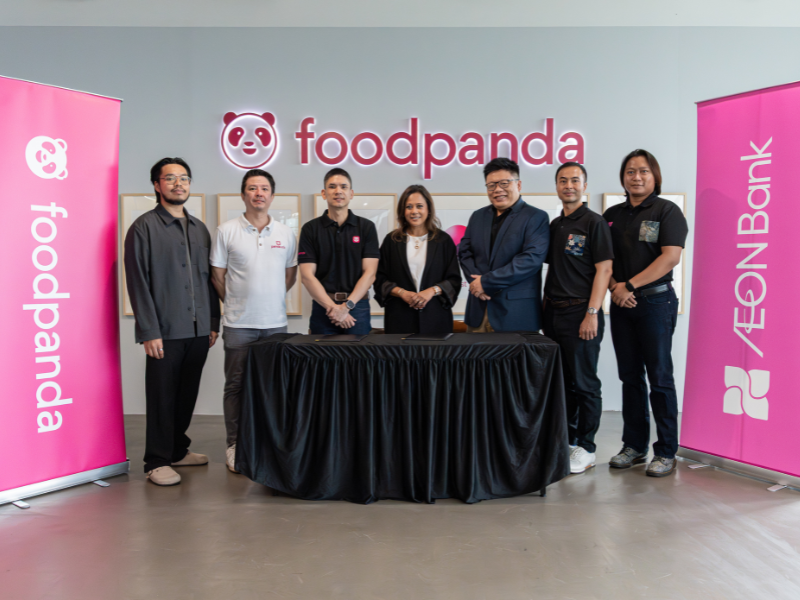
KUALA LUMPUR, MALAYSIA – Media OutReach Newswire – 1 August 2025 – AEON Bank (M) Berhad, Malaysia’s first Islamic digital bank has officially entered into a strategic partnership with foodpanda Malaysia, the country’s leading online food and grocery delivery platform. This business-to-business (B2B) collaboration aims to increase digital banking adoption among their combined stakeholders and empower Malaysia’s gig economy through innovative fintech solutions, while simultaneously promoting financial inclusion. CEO of AEON Bank, YM Raja Paduka Teh Maimunah and Managing Director of foodpanda Malaysia, Tan Ming Luk signed the MoU that outlines the strategic partnership The Memorandum of Understanding (MoU) between AEON Bank and foodpanda Malaysia outlines a broad scope of collaboration, including customer acquisition, digital financing, joint campaigns and value-added services for their wider ecosystem of customers, riders, merchants and business partners. YM Raja Datin Paduka Teh Maimunah Raja Abdul Aziz, Chief Executive Officer of AEON Bank stated, “This strategic partnership with foodpanda marks the beginning of an exciting chapter for AEON Bank. We look forward to providing value to foodpanda riders and merchants by enabling access to digital banking, rewards programmes and services that elevate their experience. By optimising foodpanda’s expansive network and connecting it with AEON Bank’s Shariah-compliant products and AEON Points loyalty programme, we aim to deliver meaningful impacts to the target segments — particularly gig workers and MSMEs — while driving growth and engagement.” This partnership is strategically positioned to contribute to Malaysia’s rapidly growing food delivery and online grocery sector, where user penetration is expected to reach 34.2% in 2025 and over 14.5 million users by 2030 . “We are thrilled to join forces with AEON Bank to create real, tangible benefits for everyone in the foodpanda community. For our riders, this partnership goes beyond deliveries — it enables access to tech-driven financial support, microfinancing and financial literacy programmes that can improve their livelihoods. Meanwhile, our merchant partners will have greater opportunities to grow their businesses faster with targeted campaigns and financing solutions to scale their operations. And for our customers, they can expect more value and convenience with exclusive rewards and easier access to AEON’s retail ecosystem. This partnership is more than just a commercial collaboration — it’s about empowering riders, accelerating merchant growth and making every customer experience even more rewarding,” said Tan Ming Luk, Managing Director of foodpanda Malaysia. Various key programmes will be introduced as part of this collaboration, including co-branding engagement featuring the two mascots; AEON Bank’s Neko and foodpanda’s Pau-Pau. Several initiatives currently in the pipeline are: For Riders A joint programme to support delivery riders in enhancing their mobility and livelihood, including access to AEON Bank’s digital banking offering, financial tools and essential work resources, such as microfinancing for devices and motorcycle purchases Financial literacy initiative to expand outreach and financial empowerment among the riders For Merchant Partners Targeted campaigns with AEON Bank for foodpanda’s merchants Financial solutions for merchants through the AEON Bank to Business (AB2B) Programme and financing for wholesale purchases, enabling inventory expansion and business growth For Customers Special rewards and promotions for customers, while adding value to their foodpanda orders Expanded access across the AEON retail ecosystem, hence allowing customers to purchase groceries online beyond just AEON MaxValu Prime, thereby increasing convenience. This alliance between AEON Bank and foodpanda Malaysia highlights a shared commitment towards improving the financial well being of the thriving community, driving innovation and supporting Malaysia’s socioeconomic development through digital inclusion. Both brands will leverage each other’s strength, aligned with a strategic mission to provide value based, customer-centric digital financial solutions that will deliver dynamic growth. Visit the website of AEON Bank and foodpanda for further details and stay updated on exclusive offers on social media. Hashtag: #AEONBank #foodpandaMalaysia #DigitalBanking #IslamicDigitalBank #ShariahCompliant #FinancialInclusion #IslamicFintech https://www.aeonbank.com.my/https://www.linkedin.com/company/aeonbankmy/?viewAsMember=truehttps://x.com/aeonbankmyhttps://www.facebook.com/aeonbankmalaysiahttps://www.instagram.com/aeonbankmyTikTok: https://www.tiktok.com/@aeonbank The issuer is solely responsible for the content of this announcement. About AEON Bank (M) Berhad AEON Bank (M) Berhad is Malaysia’s first Islamic digital bank, licensed and regulated by Bank Negara Malaysia and the Ministry of Finance. Officially launched on 26 May 2024, we currently offer a suite of Shariah-compliant Personal Banking solutions, such as deposit Savings Account-i, AEON Bank x Visa Debit Card-i, Personal Financing-i, Term Deposit-i, Savings Pots, budgeting tools and a range of digital payment services with strategic partners and merchants, including DuitNow QR, utility bill payments, as well as Neko Missions – Malaysia’s first digital banking interactive rewards programme. In 2025, AEON Bank Biz would also be introduced for local entrepreneurs and MSMEs. Being part of the AEON Group conglomerate, AEON Bank (M) Berhad is equally held by AEON Financial Service Co. Ltd. (AFS Japan) and AEON Credit Service (M) Berhad (ACSM). AFS Japan is a comprehensive financial group with roots in the retail sector which operates in Japan and 10 countries across Asia and it is responsible for the AEON Group’s financial services business. AEON Group is a pure holding company that comprises eight core businesses and it has continuously been generating balanced growth and is Japan’s largest retail group. AEON Group Malaysia consists of several entities, namely, AEON Co. (M) Bhd, AEON Credit Service (M) Berhad, AEON Bank (M) Berhad, AEON BiG (M) Sdn Bhd, AEON Fantasy (M) Sdn Bhd, AEON Delight (M) Sdn Bhd, AEON Global Supply Chain Sdn Bhd and Malaysian AEON Foundation (MAF). AEON Group has been a recognizable household brand with more than 200 years of history and evolution in Japan since the Edo era, along with 4 decades of growth in Malaysia, providing consumers with daily financial solutions and diversified retail convenience. Our cloud native agility and AI optimisation, combined with the strength of our Shariah DNA, Malaysian roots and Japanese heritage are our distinguishing factors, while the integration with the AEON ecosystem gives us a competitive advantage of being the only bank in Malaysia with its own nationwide retail network. On top of that, AEON Points loyalty programme offers customers value-added benefits and meaningful rewards, as the AEON Points can be redeemed into cash value, deposited directly into customers’ AEON Bank

Investment & Market Trends

Grab Surpasses Revenue Forecasts On Robust Consumer Spending

Grab Holdings surpassed Wall Street forecasts for its second-quarter revenue, driven by increased consumer spending on its ride-hailing and food delivery services despite global economic uncertainty. The company’s strategy to become a comprehensive “superapp”—combining ride-hailing, food and grocery delivery, and other digital offerings—continues to attract more users, many of whom are subscribing to its bundled services. While global trade tensions and rising costs in Southeast Asia have created economic headwinds, Singapore’s economy showed resilience, expanding 4.3% in Q2 and avoiding a technical recession. “We’re seeing that making our services more affordable fuels growth and shields us from broader global macro pressures,” said Grab CFO Peter Oey in an interview with Reuters. Grab has been targeting price-conscious users while expanding its driver network to meet growing demand. It reported $819 million in revenue for the quarter, topping analysts’ estimates of $811.3 million, according to LSEG data. Indonesia was a standout market, which Grab once viewed as underpenetrated. The company now sees it as a key growth driver due to its large population. Oey emphasized that Indonesia is profitable and a priority for further investment. As Southeast Asia’s digital services sector consolidates, Grab has been linked to possible acquisitions. However, Oey clarified that the company is not in talks with Indonesian competitor GoTo, following reports of potential interest. Grab reported a quarterly profit of $20 million, a significant turnaround from the $68 million loss in the same period last year.

News

Malaysia’s Trade With BRICS Reaches RM818 Billion In 2024, Says MITI

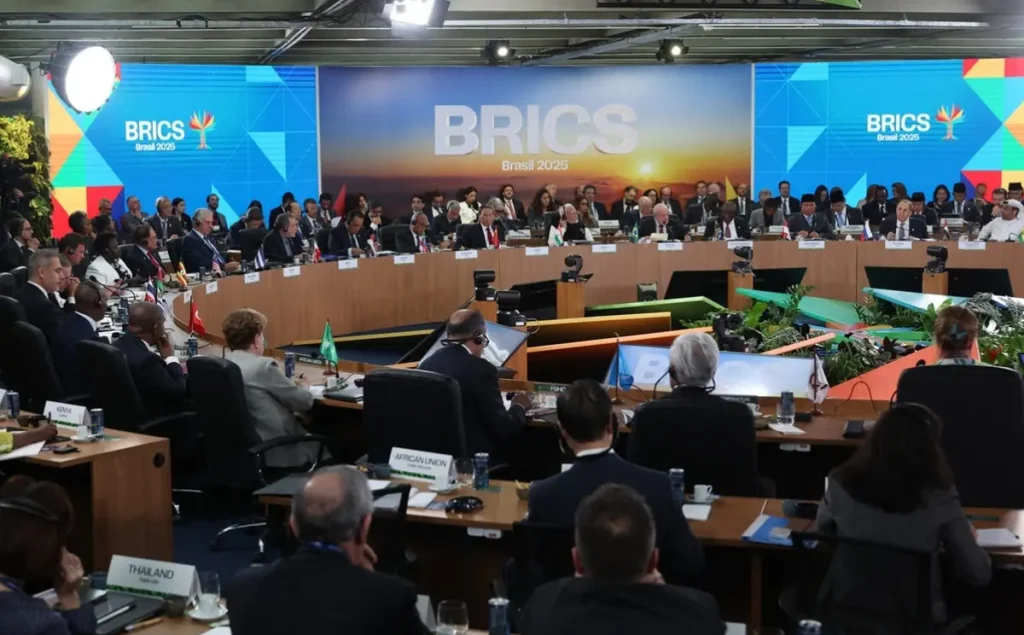
KUALA LUMPUR, Malaysia’s trade with BRICS nations climbed to RM818 billion in 2024, making up 35.2% of the country’s total global trade, according to the Ministry of Investment, Trade and Industry (MITI). In a written reply published on the Dewan Rakyat portal, the ministry said RM104.9 billion in investments from BRICS countries had been realised in Malaysia as of the end of last year. MITI noted that although Malaysia has not joined BRICS as a full member, it has already seen economic gains through its strategic engagement with the group, which allows the country to explore new market access, attract foreign investments, and assess broader implications before considering full membership. “Malaysia’s economic ties with BRICS members have already proven beneficial, as many are long-standing trade and investment partners,” said MITI. “This partnership also allows BRICS to assess Malaysia’s commitment to the bloc’s priorities.” The ministry’s response came following a parliamentary question from Datuk Seri Dr Ahmad Samsuri Mokhtar (PN–Kemaman) regarding the tangible outcomes of Malaysia’s cooperation with BRICS in promoting economic development and sustainability. MITI also highlighted Prime Minister Datuk Seri Anwar Ibrahim’s reaffirmation of Malaysia’s commitment to inclusive multilateralism and BRICS values during the 17th BRICS Leaders’ Summit held in Rio de Janeiro, Brazil from July 6–7, 2025. “As a partner country, Malaysia can leverage BRICS cooperation to deepen regional supply chain links, diversify export markets, and unlock new investment opportunities,” the ministry said. This collaboration, MITI added, supports Malaysia’s aim to promote an inclusive and rules-based global trading system while boosting its economic resilience against growing protectionist trends. The ministry also stressed the importance of stronger cooperation between BRICS and ASEAN, citing mutual benefits through partnerships in trade, clean energy, sustainable development, and advanced technologies. As the ASEAN Chair in 2025, Malaysia will lead various regional efforts, including the “Declaration on the Establishment of an ASEAN AI Safety Network,” the ASEAN AI Malaysia Summit (August 11–13, 2025), and the Smart City Expo Kuala Lumpur (September 17, 2025). These initiatives are expected to involve ASEAN dialogue partners such as China, India, and Russia — all BRICS member countries. BRICS currently comprises 10 nations: Brazil, China, Egypt, Ethiopia, India, Indonesia, Iran, Russia, South Africa, and the United Arab Emirates.

News

Indomie Maker Posts Rp5.5 Trillion Profit In H1 2025, Marking 56% Yearly Growth

JAKARTA, Indofood CBP Sukses Makmur (ICBP), the maker of the iconic Indomie noodles, recorded a net profit of Rp5.54 trillion ($335.6 million) for the first half of 2025, marking a 56% increase year-on-year. The surge was mainly attributed to reduced foreign exchange losses and stronger financial stability. Despite a slight 5% dip in earnings before interest and tax (EBIT) to Rp8.48 trillion from Rp8.89 trillion, operating margins remained solid at 22.5%, said President Director and CEO Anthoni Salim in a filing on Thursday. As one of Indonesia’s biggest consumer goods companies, Indofood CBP offers a wide range of products — from instant noodles and snacks to dairy, beverages, and seasonings — under more than 30 brands. It also runs its own packaging division. Indomie, its flagship brand, has seen global success with over 60 factories across Indonesia and 20 more overseas in Malaysia, the Middle East, Africa, and Southeastern Europe. The brand is currently exported to over 100 countries. Looking ahead, Salim said the company remains cautious amid global uncertainty. “Our priorities are ensuring product accessibility, driving innovation, and improving efficiency to support long-term sustainable growth,” he added.

Investment & Market Trends

UMS Integration Makes Modest Debut As First Singapore Company To List In Malaysia

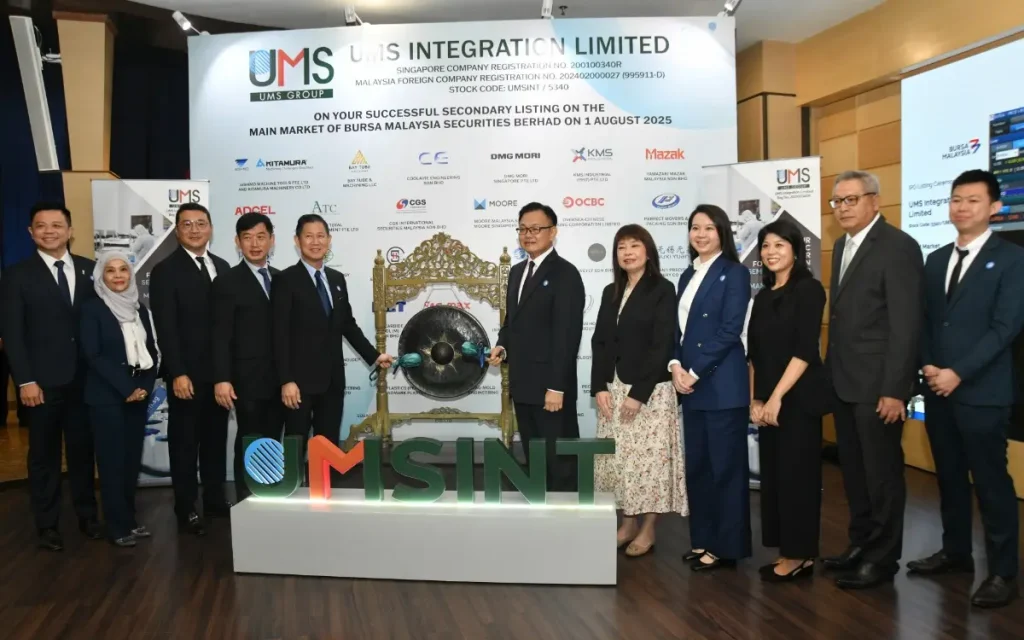
KUALA LUMPUR: UMS Integration Ltd made a positive start on its debut on Bursa Malaysia’s Main Market, becoming the first Singapore-listed company to achieve a secondary listing in Malaysia. UMS Integration Ltd CEO Luong Andy (fifth from left), its chairman Datuk Phang Ah Tong (sixth from left), Deputy Finance Minister Lim Hui Ying (seventh from left) and the company’s board members, with executives from CGS International and TA Securities at its listing ceremony on Friday.  The stock opened at RM5.15, a 3% increase from its reference price of RM5. It peaked at RM5.39 and was trading at RM5.27 as of 9.15am, with over 1.1 million shares traded. At that price, the company’s market capitalisation stood at RM3.7 billion. Unlike a typical IPO, the listing was done by way of introduction, meaning no new funds were raised. However, CEO Luong Andy made 10 million shares available for trading on Bursa Malaysia. UMS Integration manufactures precision modules, components and sub-assemblies for the semiconductor, aerospace, and factory automation sectors. Luong said the listing opens up opportunities to expand the company’s investor base, improve stock liquidity, and access multiple capital markets for future fundraising. He also expressed confidence in UMS Integration’s growth prospects, especially in advancing high-precision parts for semiconductor packaging. For the first quarter of 2025, the group posted a net profit of S$10.1 million (RM33.28 million) on revenue of S$57.7 million, with most of its income coming from the semiconductor business. Aerospace contributed 11%, with the remainder from other segments. The company’s balance sheet remains healthy, holding S$81.4 million in net cash (S$0.11 per share) as of end-March. It also paid a tax-exempt interim dividend of S$0.01 per share on July 24. TA Securities served as the principal adviser, while CGS International acted as financial adviser for the listing.

Energy & Technology

Atlas Partners With Adyen To Streamline Operations For Singapore F&B Businesses

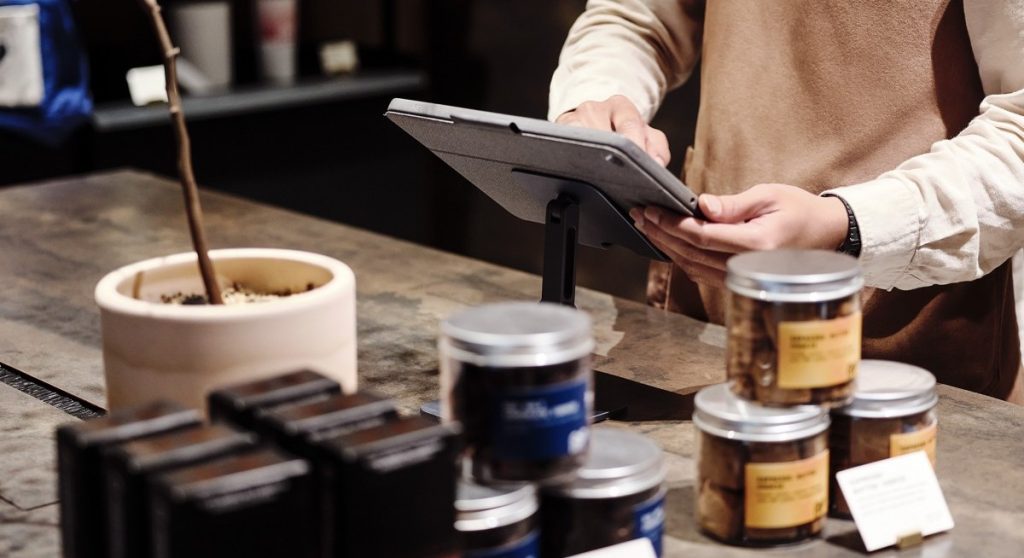
Singapore-based F&B tech provider Atlas has teamed up with global payments platform Adyen to roll out AtlasPay — a solution designed to streamline operations and improve efficiency for food and beverage businesses. Atlas, known for its modular restaurant operating system used by brands such as PPP Coffee, SaladStop, and Haidilao, integrates functions like point-of-sale, online storefronts, customer loyalty programs, logistics, and delivery platforms. It also provides AI-driven insights, all bundled under a flexible subscription model. Co-founder and CEO Yi Sung Yong describes the platform as a “single system of records and actions” for F&B brands. PPP Coffee and other local F&B merchants using AtlasPay have seen a 12% increase in direct sales, an 80% reduction in human errors, and an average of 10% in manpower savings.  Built on Adyen for Platforms, the newly launched AtlasPay supports a wide range of payment options while simplifying backend processes such as transaction reconciliation, terminal management, and reporting. The solution aims to ease operational pressure and deliver a smoother, more reliable checkout experience. Restaurants expanding across multiple locations stand to benefit from faster terminal rollouts. Leveraging Adyen’s unified platform, Atlas users can now manage up to four times more terminals remotely, reducing reliance on on-site technicians. Since adopting AtlasPay, users have reported a 12% boost in direct sales, an 80% drop in manual errors, and average manpower savings of 10%. PPP Coffee founder and chairman Leon Foo shared that prior to using AtlasPay, service staff struggled to juggle fragmented systems — from QR ordering and delivery terminals to manual report generation. “There was so much to do for report consolidation and we also saw errors during reconciliation,” he noted. This challenge reflects findings from a recent YouGov survey commissioned by Adyen, which revealed that SMBs spend around six hours weekly on accounting tasks, with 75% citing reconciliation as a major bottleneck. Almost half of respondents also said managing multiple SaaS platforms added to operational complexity. “Through our collaboration with Adyen, we’ve built a platform that directly addresses our merchants’ core needs — from easing the burden on lean teams to simplifying payments and compliance — so they can focus on growing their business,” said Atlas’s Yong. Adyen’s Southeast Asia and Hong Kong general manager, Ben Wong, added that payments are often overlooked as a vital part of the customer journey. “Friction at checkout can negatively impact customer perception. Offering seamless payment options like Apple Pay or Google Pay helps build both trust and satisfaction.” He also emphasised that balancing efficiency with security is key: “While QR payments are popular, some customers are still hesitant to key in credit card details. Providing trusted, familiar payment methods is essential.”

News

Premium Strategy Lifts Malaysia Airlines Back On Track

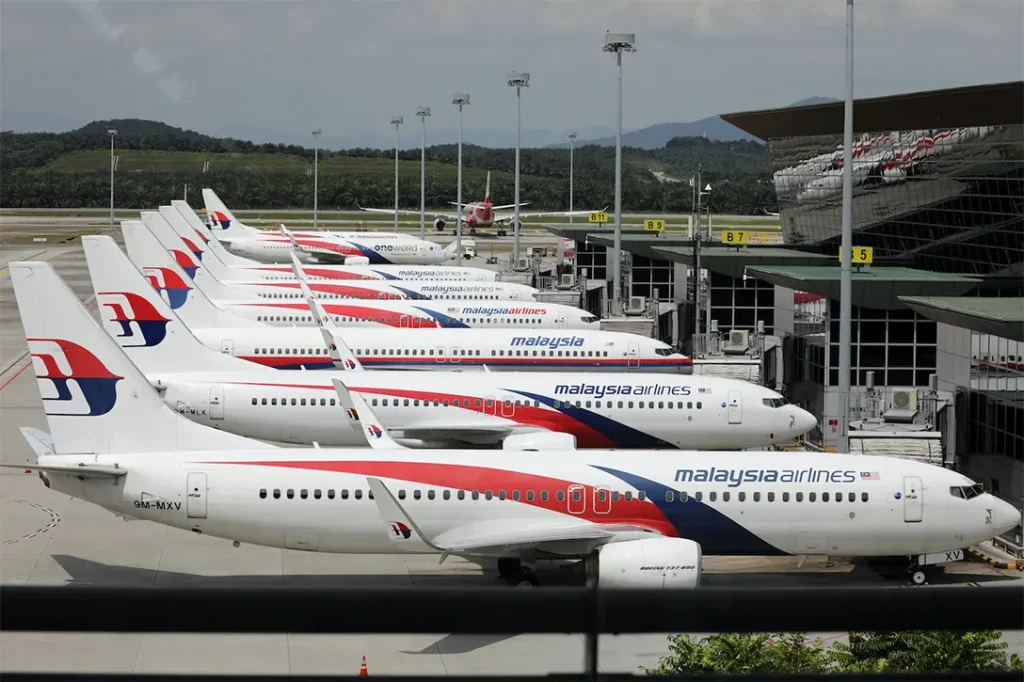
PETALING JAYA, A strategic pivot to premium services, modern fleet renewal, and stronger international partnerships have propelled Malaysia Airlines’ comeback, marking a significant turnaround for the national carrier. According to Captain Izham Ismail, group managing director of parent company Malaysia Aviation Group (MAG), the airline’s revival began in 2019 when it reevaluated its market strategy. “For years, we were locked in fare wars with low-cost carriers, which made no sense given our higher operating costs,” he told FMT. “It became clear we were targeting the wrong segment.” MAG subsequently repositioned Malaysia Airlines as a premium full-service carrier. Moving away from point-to-point budget routes, the airline adopted a hub-and-spoke model centered on Kuala Lumpur International Airport (KLIA), facilitating long-haul connectivity between destinations like Europe and Australia. By late 2019, signs of recovery began to show. The airline returned to operating profit in 2022, and by 2023, MAG recorded a net profit of RM766 million — a sharp reversal after years of losses. Tackling an aging fleet One of MAG’s biggest challenges was its aging fleet, with aircraft averaging 14 years — above the global norm of 11 years. The situation led to capacity cuts of 18% in late 2024, with 6,300 flights canceled and nearly a million passengers affected. To address this, MAG launched a major fleet renewal programme. Deliveries of new-generation aircraft, including Airbus A330neos and Boeing 737-8s, are well underway. Four of the 20 A330neos and 12 of the first 25 Boeing 737-8s have been delivered. Additional orders, including Boeing 737-10s, are expected through 2028, with a second phase of deliveries from 2029. Expanding reach through alliances As a mid-sized airline, Malaysia Airlines leaned on strategic partnerships to extend its network. Through code-sharing agreements with over 20 global carriers, the airline now offers access to nearly 900 destinations worldwide. “A moderate-sized airline with a limited fleet needs strong partners to compete globally,” said Izham. MAG also leveraged Malaysia’s rich cultural appeal — such as hospitality and cuisine — to differentiate itself in the premium segment. One initiative, the Bonus Side Trip (BST), allows transiting international passengers at KLIA to visit a second Malaysian city at no extra cost. “BST highlights our commitment to positioning Malaysia as a leading Asian destination while supporting local economies and businesses,” he said. Recognition and momentum Malaysia Airlines’ transformation has gained global recognition. It was named the world’s fastest-growing airline brand in Brand Finance’s 2025 Airlines 50 report, with brand value surging 209% to US$607 million. At the 2025 Skytrax World Airline Awards, it ranked in the top 10 in several categories, including: 6th for World’s Best Airport Services 8th for World’s Best Cabin Crew 7th for Best Airline Staff in Asia 9th for Best Airlines in Asia 10th for Best Economy Class Seats “This isn’t just a recovery story — it’s about building a future-ready airline,” said Izham. “We’re laying the foundation for long-term resilience over the next 5, 10, or even 15 years.”

News

China Galaxy, CICC Plan Over US$1bil Investment Funds In Southeast Asia

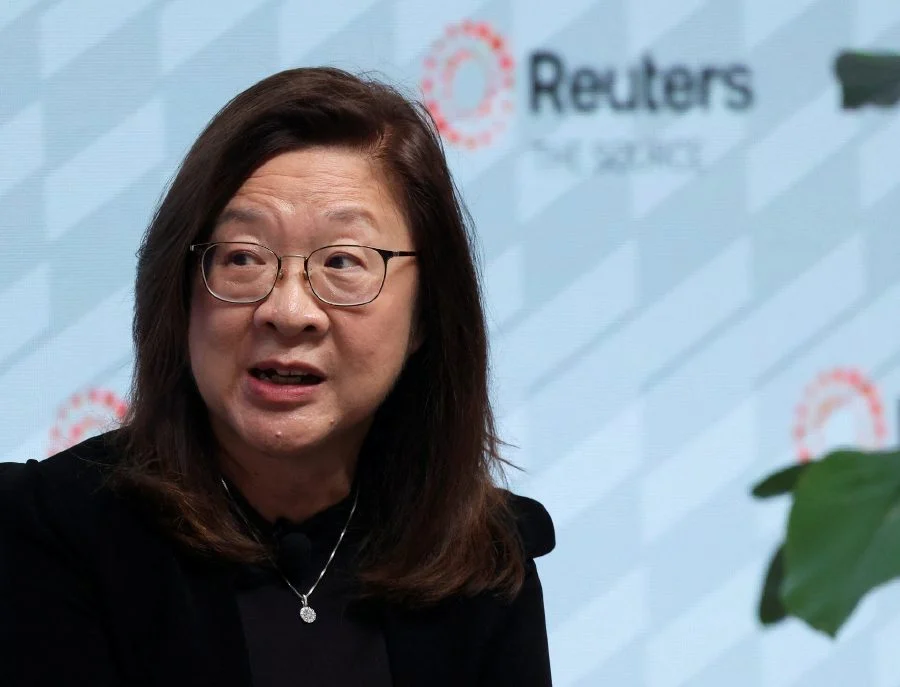
SINGAPORE, Chinese state-backed investment banks China International Capital Corp (CICC) and China Galaxy Securities are planning to roll out investment funds worth over US$1 billion in Southeast Asia, marking a strategic shift towards international markets amid ongoing US-China trade tensions. Traditionally focused on domestic investments, both institutions are now aligning with Beijing’s broader push to boost outbound investment and strengthen economic ties across the region. Carol Fong, chief executive of CGS International, a unit of China Galaxy Securities. According to sources familiar with the matter, subsidiaries of CICC and China Galaxy aim to launch the funds over the next 12 to 18 months. “As the tariff war continues and Chinese companies adopt a ‘China plus N’ strategy, they’re increasingly looking for local expertise in Southeast Asia,” said Carol Fong, CEO of CGS International, a unit under China Galaxy Securities. This regional knowledge, she added, will support Chinese firms in areas like supply chain expansion and distribution. The ‘China plus N’ strategy involves diversifying supply chains and operations beyond China to mitigate geopolitical risks. CGS International is preparing to launch a private equity fund of up to US$1 billion in 2026 to drive capital flows between China and Southeast Asia. The fund will focus on high-growth industries such as healthcare, artificial intelligence, advanced manufacturing, renewable energy, and consumer sectors. The move also reflects China’s broader efforts to enhance regional integration in response to US trade measures introduced since 2018. Despite a partial tariff pause agreed in May, Southeast Asia—home to over 650 million people—continues to attract growing interest from Chinese companies seeking expansion. “Southeast Asia’s size and growth potential offer major opportunities for Chinese firms,” said Fong. In addition, CICC Capital, the private equity arm of CICC, is partnering with Malaysia Digital Economy Corporation (MDEC) to launch a US$100 million fund targeting Malaysia’s gaming industry, a digital ministry official told Reuters. Separately, CGS International is collaborating with Fullgoal Asset Management Hong Kong and Bursa Malaysia to facilitate the listing of foreign-underlying ETFs in Malaysia, especially those offering China market exposure. The first listings are expected in 12 to 18 months, pending regulatory approval. China remains Southeast Asia’s largest trading partner, with bilateral trade growing 12% year-on-year to reach US$982 billion in 2024, according to Chinese customs data. Earlier this week, Malaysia’s digital ministry confirmed RM2.97 billion (US$702 million) in investments from major Chinese tech firms. These funds will support AI development, next-gen digital infrastructure, and the creation of 6,800 skilled digital jobs.

Scroll to Top

Subscribe
FREE Newsletter