Author name: admin

News

7-Eleven Operator Could Face Another Buyout Bid If Turnaround Stalls

The operator of 7-Eleven stores, Seven & I Holdings Co., may once again become a buyout target if its latest turnaround efforts fall short. This comes after Canadian convenience store giant Alimentation Couche-Tard withdrew its takeover proposal earlier this week, and Seven & I’s shares have fallen over 20% year-to-date. New CEO Stephen Dacus is under growing pressure to prove that his reform strategy can deliver results, particularly in core markets like the U.S. and Japan, where rising costs and soft consumer demand are squeezing margins. 7-Eleven – CEO Stephen Dacus To support its share price, Seven & I has committed to a ¥2 trillion share buyback over five years. However, the stock has continued to slide — down nearly 8% since the buyback was announced in March. Part of the funding was expected to come from a U.S. unit IPO, but Couche-Tard’s departure has cast doubt on that plan. Analysts say further shareholder-friendly moves will be difficult, as the company has already undertaken major restructuring, including the planned sale of underperforming retail businesses by September. These were part of broader reforms triggered by Couche-Tard’s interest. The failed takeover, which would have been Japan’s largest foreign buyout, ended on a bitter note. Couche-Tard accused the company’s founding Ito family and board of stalling discussions, while Seven & I said it was disappointed by the withdrawal and disputed many of the claims. Now, the company’s focus turns to improving performance in its core convenience store segment — something investors have long pushed for. Two years ago, activist fund ValueAct tried but failed to replace former CEO Ryuichi Isaka, urging a stronger focus on the convenience business. Seven & I’s latest earnings show challenges remain. Operating profit rose nearly 10% year-on-year to ¥65.1 billion for the March–May period, but it was still the second-lowest quarterly result in a decade. Domestic same-store sales barely moved, and while the U.S. unit remained profitable through cost cuts, revenue remained soft. Investors will be closely watching Dacus’s upcoming strategy update in August, where he’s expected to outline how he plans to strengthen the core business. The company has a history of reform under investor pressure. Activist interventions in 2016 and 2022 led to major leadership changes and divestments, including the sale of Sogo & Seibu to Fortress Investment Group. Analysts say Couche-Tard’s involvement accelerated the latest changes. Even though the Canadian firm has exited, its unusually detailed breakup letter — which disclosed discussions, termination fees, and alternative deal options — may spark interest from other potential buyers or activists. One possibility is a revival of a management-led buyout. A ¥9 trillion proposal involving the Ito family and Itochu fell through in March due to financing issues. But with the stock price under pressure, the door remains open for insiders to make another move to take the company private.
Investment & Market Trends

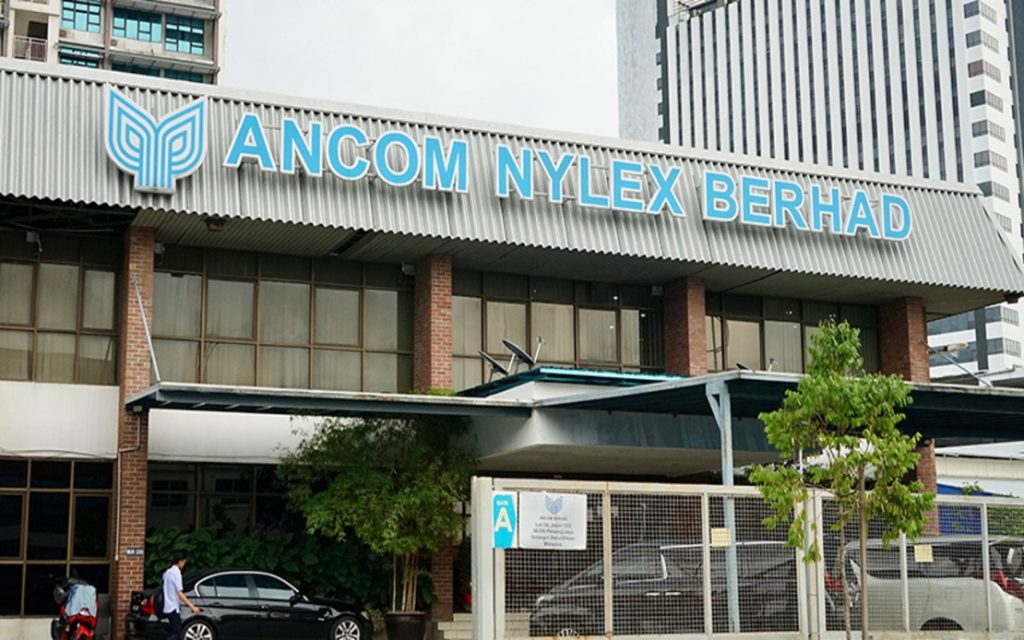
Ancom Nylex Profit Growth Seen Boosted By Stronger Exports, New Agrochemical Products

KUALA LUMPUR, Ancom Nylex Bhd is on track for stronger earnings in the coming quarters, supported by rising export demand and the launch of new agrochemical products. The group — which operates across agrochemicals, industrial chemicals, and logistics — is benefiting from solid demand in Southeast Asia, Latin America, and parts of Africa, where agricultural needs are growing due to unpredictable weather and food security concerns. Analysts highlight that Ancom Nylex’s latest range of herbicides and pesticides is gaining traction overseas. The company recently obtained regulatory approvals in several countries, giving it an edge as older agrochemical products are being phased out globally. “We expect solid growth in the agrochemical division, which now accounts for over half of group revenue,” said a local analyst. “New product launches, stronger exports, and favourable currency and commodity trends should help lift margins.” In its recent results, the company reported steady revenue growth and expects profits to rise in the second half as production increases and exports pick up. A newly opened plant in Klang is also expected to enhance efficiency and reduce costs, while helping the group meet environmental standards. Group CEO Lee Cheun Wei said Ancom Nylex remains focused on innovation and market expansion. “Our strength is in developing customised solutions for niche crops and underserved regions. We’re investing in R&D and growing our global footprint,” he said at an investor briefing. The company’s logistics division continues to support internal operations and bring in stable third-party revenue, helping offset raw material cost fluctuations. Meanwhile, the industrial chemicals and polymer segments are expected to remain stable, with growth driven mainly by agrochemicals. Analysts believe Ancom Nylex is well-positioned to benefit from the global shift toward safer and more sustainable agriculture products. Several brokerages have issued “Buy” calls on the stock, revising target prices upward in anticipation of stronger earnings through FY2026.

Investment & Market Trends

US Trade Talks Spark Potential Rise In M&A Interest In Malaysian Banks

KUALA LUMPUR, Ongoing trade negotiations between the United States and Southeast Asia are boosting prospects for renewed foreign interest in Malaysia’s banking sector, with industry players eyeing potential merger and acquisition (M&A) activity. Analysts say Malaysia’s role as a regional financial gateway, coupled with the return of US investment delegations, has reignited long-term investor attention. This comes as local banks look to strengthen their digital capabilities and expand their regional reach. “Malaysia’s banking sector is on the radar of US investors, especially in light of growing regional consolidation,” said a senior analyst at a local investment bank. “If trade discussions progress smoothly, we could see foreign-driven M&A deals or strategic partnerships emerge.” Several trends are supporting this outlook: Supportive Regulatory Framework: Bank Negara Malaysia (BNM) has become more open to foreign participation, as long as proposals align with national goals and maintain financial stability. Robust Sector Performance: Malaysian banks remain financially strong, showing steady profits, healthy capital reserves, and low non-performing loan levels despite global uncertainties. Focus on Digital Transformation: Local banks are actively seeking fintech alliances — an area of strong appeal for US tech-driven investors looking to enter Southeast Asia. While no specific deals have been announced, speculation surrounds mid-sized banks as likely candidates for either consolidation or foreign partnerships, based on historical patterns of strategic acquisitions in the region. Experts caution that any developments will depend on regulatory clearance, political stability, and alignment with Malaysia’s financial roadmap. “With US trade envoys now engaging with policymakers and banking leaders, we expect more exploratory talks in areas like digital finance and green investments,” the analyst added. “Still, any real movement will take time and mutual commitment.” As ASEAN integration deepens, Malaysia could further cement its role as a financial hub — if it successfully navigates trade dynamics, regional competition, and evolving financial regulations.

Energy & Technology

PETRONAS At The Forefront Of Asia’s Carbon Capture And Storage Drive

To achieve net-zero emissions by 2050, Malaysia is turning to a broad mix of decarbonisation strategies. While progress has been made in reducing operational emissions and expanding renewable energy, attention is now shifting to a crucial element: carbon dioxide (CO₂) removal. Central to this effort is Carbon Capture and Storage (CCS) — a technology that captures CO₂ emissions at their source, then transports and stores them deep underground in geological formations. Malaysia’s depleted oil and gas fields, along with its suitable geological structures, make it a prime candidate for CCS, especially for decarbonising hard-to-abate sectors such as steel, cement, and power. PETRONAS at the Forefront National oil and gas company PETRONAS has made CCS a key pillar of its decarbonisation strategy, both domestically and across Asia. The company has identified four active CCS sites — M1, Duyong, Penyu, and Lawit — as part of seven potential locations nationwide, according to Emry Hisham Yusoff, Senior General Manager of Carbon Management at PETRONAS. The M1 site, located offshore Sarawak, is the most advanced and will store CO₂ from the Kasawari gas field. The remaining three — Duyong, Penyu, and Lawit — are being developed to store emissions from non-oil and gas industries. “We’re offering CCS as a solution to other sectors,” said Nor A’in Md Salleh, PETRONAS General Manager of Carbon Capture and Storage. “Their adoption of CCS can directly contribute to meeting Malaysia’s national climate targets.” Regional Demand on the Rise CCS demand is rapidly increasing across Asia. Japan alone is expected to need 120 million to 240 million tonnes of CO₂ storage annually. PETRONAS sees this as an opportunity to not only help the region decarbonise but also strengthen Malaysia’s energy security. “Climate change doesn’t respect borders. Storing CO₂ in Malaysia benefits the entire region,” Emry noted. Beyond Japan, PETRONAS is in discussions with potential partners in South Korea and Singapore who are exploring CO₂ storage options in Malaysia. Backed by growing demand and geological advantages, PETRONAS plans to position Malaysia as a leading regional hub for cross-border carbon storage — supporting Asia’s broader transition to a low-carbon future.

News

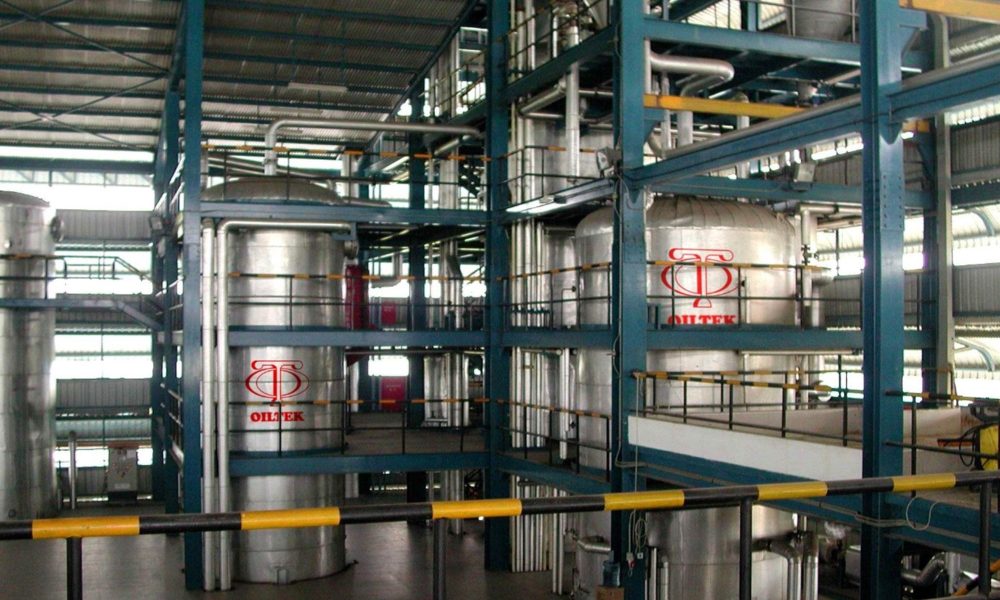
Oiltek International Plans Secondary Listing On Bursa Malaysia

Oiltek International has announced plans for a secondary listing on Bursa Malaysia as part of its strategy to broaden its investor base. The company, one of the top-performing stocks on the Singapore Exchange with a 390% gain over the past year and more than double year-to-date, said the proposed listing aims to improve share liquidity and boost its overall market value through an additional trading platform. According to its July 21 announcement, Oiltek believes the move will also provide greater flexibility for future fundraising initiatives and facilitate access to multiple equity markets. The company has appointed principal financial advisers in both Malaysia and Singapore to begin the necessary preparations. As of 9:25 a.m., Oiltek’s shares rose 0.68% to trade at 74 cents.

News

Hyundai, Kia Break Into UK’s Top Five Car Brands For The First Time

SEOUL, Hyundai Motor Co. and its affiliate Kia Corp. have made their debut in the top five best-selling car brands in the UK, according to June data from the Society of Motor Manufacturers and Traders (SMMT). Hyundai sold 10,109 vehicles in the UK last month, marking a 9.9% year-on-year increase and securing fourth place in the rankings. Despite a 2.6% dip in sales to 10,043 units, Kia still clinched fifth place. The strong performance was largely driven by continued demand for popular SUV models like the Hyundai Tucson and Kia Sportage. With the upcoming launch of its new all-electric flagship SUV, the Ioniq 9, Hyundai is on track to exceed 100,000 vehicle sales in the UK this year.

Investment & Market Trends

Egypt, China’s Asia-Potash Sign Major Phosphate Partnership Deal

Egypt’s Mineral Resources and Mining Industries Authority (MRMIA) has signed a Memorandum of Understanding (MoU) with China’s Asia-Potash International Investment (Guangzhou) Co., Ltd. to enhance collaboration in phosphate exploration and development. The agreement aims to unlock greater value from Egypt’s phosphate reserves. The signing ceremony was witnessed by Karim Badawi, Egypt’s Minister of Petroleum and Mineral Resources. MRMIA Chairman Yasser Ramadan and Asia-Potash Vice President Zeng Yuy signed the MoU. According to the ministry, the agreement aligns with its broader strategy to grow the mining sector’s contribution to GDP from under 1% to between 5% and 6%. The approach includes drawing in major investments, expanding opportunities, and establishing an integrated system to increase the added value of mineral resources. Badawi stressed the importance of taking swift, concrete steps to launch the initiative, along with regular progress reviews to ensure timelines are met. The MoU also includes plans to collaborate on scientific research into phosphate ore reserves, enrichment and processing techniques, and the potential development of a modern phosphate fertilizer plant, in line with Egyptian regulations. This agreement builds on earlier discussions held in January 2025, when Hossam Heiba, CEO of Egypt’s General Authority for Investment and Free Zones, met with Zeng Yuy to explore the creation of a $1.6 billion industrial complex for phosphate fertilizer production in Egypt. The project’s first phase targets the extraction of 2 million tonnes of phosphate annually, all of which would be processed into fertilizer for export to regional markets. Asia-Potash, a publicly listed Chinese firm, operates across sectors including potash mining, fertilizer production, grain trade, international shipping, and logistics.

News

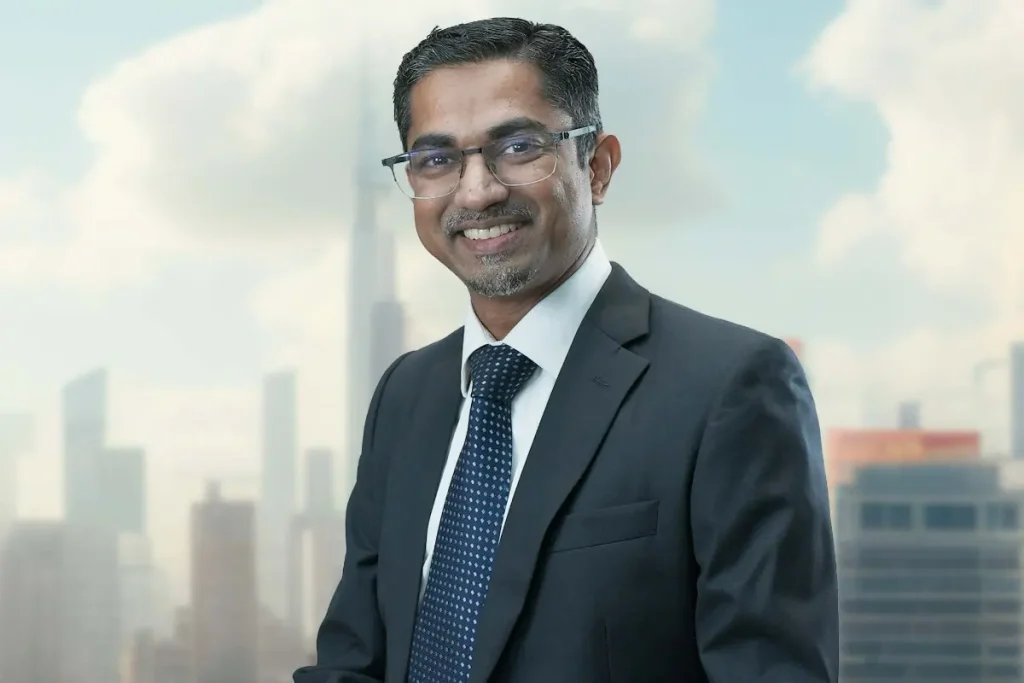
HRD Corp Appoints Ex-Banker Syed Alwi Mohamed Sultan As New CEO

KUALA LUMPUR – The Human Resource Development Corporation (HRD Corp) has named Syed Alwi Mohamed Sultan as its new chief executive officer, effective Monday. Syed Alwi, 51, is a seasoned professional with over 27 years of experience in financial services, banking technology, and management consulting. His previous leadership roles include heading BNP Paribas Malaysia Bhd and Agrobank, as well as holding senior positions at Standard Chartered Saadiq, The Islamic Bank of Asia, and Hong Leong Bank. According to HRD Corp, his appointment follows the resignation of former CEO Datuk Shahul Hameed Dawood in April, with chief strategy officer Rony Ambrose Gobilee having served as acting CEO in the interim. Syed Alwi, an accounting graduate from the International Islamic University Malaysia, also holds an MBA in Islamic Finance and a PhD in finance from Universiti Malaya. He has also led UMPSA Holdings Sdn Bhd, a subsidiary of Universiti Malaysia Pahang Al-Sultan Abdullah, and was involved with MRANTI Corporation, the agency responsible for research and innovation commercialisation in the country. HRD Corp oversees the collection of training levies from around 800,000 employers to fund workforce development and upskilling initiatives.

News

Audit Uncovers Major Issues in RM48.78b Worth of Government Projects Across Seven Ministries

KUALA LUMPUR, Malaysia’s Auditor General has flagged serious irregularities and weaknesses in government projects and programmes worth RM48.78 billion involving seven ministries. In the latest Auditor General’s Report, Datuk Seri Wan Suraya Wan Mohd Radzi outlined 22 recommendations aimed at improving oversight and accountability across the ministries, departments, and government-linked companies involved. She noted that follow-up audits carried out between 2024 and June 2025 have led to the recovery of RM157.73 million through penalties, taxes, fines, liquidated damages, and arrears on rent and leases. The National Audit Department’s powers were recently expanded under amendments to the Audit Act 1957, allowing it to monitor corrective actions taken based on past audit findings. Among the issues identified were: Felcra Bhd’s RM241.76 million lease acquisition of oil palm plantations (2022–2024), which raised concerns over governance. Universiti Kebangsaan Malaysia’s tender processes involving RM58.45 million, which showed procurement irregularities. The Malaysian Army’s contract administration and procurement of armoured vehicles between 2020 and 2023, marked by oversight weaknesses. The Ministry of Domestic Trade and Cost of Living’s subsidised cooking oil programme, which suffered from poor targeting and quota management. The Finance Ministry’s pre-qualification procurement method (2023–2024), which was found to be susceptible to abuse, as unqualified companies were shortlisted despite lacking proper credentials. The report underscores the urgent need for stronger internal controls and better enforcement to prevent mismanagement of public funds.

ESG

Empowering The Next Generation Of Malaysia’s Forest Stewards

A new generation of conservation leaders officially graduated today from the Youth Conservation Trainee Programme (YCTP), a three-month career development initiative designed by Tropical Rainforest Conservation and Research Centre (TRCRC) to equip youths from diverse and underrepresented backgrounds with the skills and experience to enter the conservation industry. Supported by Yayasan Sime Darby (YSD) and the MADANI Government under the Belanjawan 2025, TRCRC celebrated the achievements of 16 bold and passionate youth, now ready to join Malaysia’s growing green workforce. “As we close this chapter, I believe we leave here not just as graduates—but as caretakers and storytellers for the rainforest,” said Azri Hasbullah, one of the graduating trainees. The graduation ceremony was officiated by key partners and guests, including Dr Hajah Yatela Zainal Abidin (CEO, Yayasan Sime Darby), Azyatul Nurhani Azmi (Treasury, Ministry of Finance), David Dzulkifli (TRCRC Board of Trustees), and Dr. Dzaeman Dzulkifli (Executive Director, Tropical Rainforest Conservation and Research Centre – TRCRC).  “This is more than just a training programme—it is a gateway to opportunity, and a spark for transformation. Through YCTP, we are not only nurturing conservation leaders but also creating pathways for B40 youth to thrive in Malaysia’s green economy,” said Dr Hajah Yatela Zainal Abidin, Chief Executive Officer of Yayasan Sime Darby. “We are proud to support this collaboration with TRCRC and the Ministry of Finance, which reflects our long-standing commitment to both environmental conservation and youth empowerment.” The YCTP, newly rebranded from the long-running G-Team Programme initiated in 2012, is a structured training pathway that bridges academic learning with workplace readiness, with special attention to youth from B40 communities. The programme provides equitable access to conservation careers and begins with theoretical learning at the Elmina Rainforest Knowledge Centre (ERKC), followed by technical fieldwork and Indigenous knowledge exchange at the Tropical Rainforest Living Collection (TRLC-Banun) in Royal Belum, Gerik, Perak. Trainees also participated in field trips and workshops led by experienced conservation professionals. “Conservation was never something we saw advertised as a job,” said Dzaeman Dzulkifli in his closing speech. “But today, it’s one of the most in-demand professions—aligned with Malaysia’s biodiversity goals, ESG priorities, and global climate targets. YCTP gives you the tools, the network, and the experience to thrive in this space.” Trainees shared powerful reflections from their field experiences. “As an educator, I will pass on what I’ve learned from the wisdom of time spent with the indigenous community planting trees in Amanjaya Forest Reserve,” said Vaani, one of the graduates. “Working alongside the field team, I’ve seen what superhumans look like.” “This programme didn’t just give me knowledge—it gave me purpose. Just like my favourite quote from Jane Goodall says: ‘What you do makes a difference, and you have to decide what kind of difference you want to make.’” shared Pei Ying. Angela Moris, Programme Coordinator at TRCRC, noted the programme’s unique integration of scientific knowledge, practical skills, and soft skills. “This year, YCTP reached new milestones with more field trips, stronger engagement with strategic partners, and wider coverage of ecological topics. This programme is about building confidence, leadership, and science communication,” she said. The curriculum includes certified modules in biodiversity, restoration ecology, soil science, and forest management, delivered in collaboration with Universiti Sains Malaysia (USM) and experts from Universiti Malaysia Kelantan Tropical Rainforest Centre (UMK-TRaCe), Universiti Pendidikan Sultan Idris (UPSI), Universiti Malaysia Sarawak (UNIMAS), and Forest Research Institute Malaysia (FRIM). It also includes AI career readiness training in partnership with Mereka.io, helping participants boost their digital competencies and confidence in navigating modern workplace tools. The programme’s final phase included career preparation, where trainees completed mock interviews with conservation employers. Nine out of the sixteen graduates have applied for job opportunities with TRCRC, with others expressing strong interest in working with conservation NGOs across Malaysia.  “Malaysia’s forests need champions like you—individuals who understand the science and care deeply for the land and its people,” said Dr Hajah Yatela to the graduates.

Scroll to Top

Subscribe
FREE Newsletter