Author name: admin

Property

Chin Hin Group Secures 2.63 Hectares of Prime Segambut Land for RM52 Million

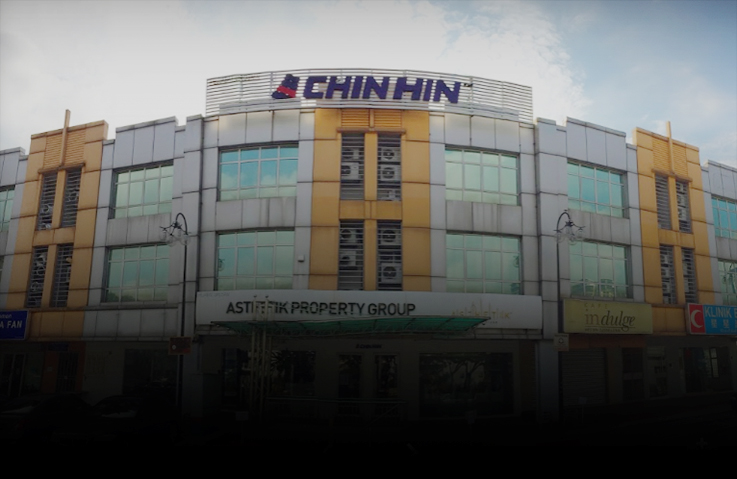
Chin Hin Group Property Bhd (CHGP) has acquired 2.63 hectares of land in Segambut, Kuala Lumpur, for RM52 million, marking a strategic expansion of its property development footprint in the capital. The acquisition was completed through its wholly-owned subsidiary, Chin Hin Property (Segambut) Sdn Bhd, which entered into a sale and purchase agreement with New York Empire Sdn Bhd and Kar Sin Bhd. The land, originally earmarked for a joint development between CHGP and Kar Sin, will now be fully owned and independently developed by CHGP. The group intends to undertake either a residential or mixed-use development project on the site, subject to the requisite regulatory approvals. “This acquisition is aligned with our ongoing strategy to broaden our property portfolio through the acquisition of land in key high-potential areas across Kuala Lumpur,” said Chin Hin in a statement. Chang Tze Yoong, Chief Executive Officer of Chin Hin Group’s property development division, noted that the move from joint venture to sole ownership would allow for enhanced control over both the execution and commercial positioning of the project. “The site’s strong connectivity and favourable market conditions give us confidence that this development will make a meaningful contribution to our future earnings,” he said. -Bernama

ESG, News

Malakoff and Evergreen Earth Sign MoU to Advance Green Energy in Sarawak

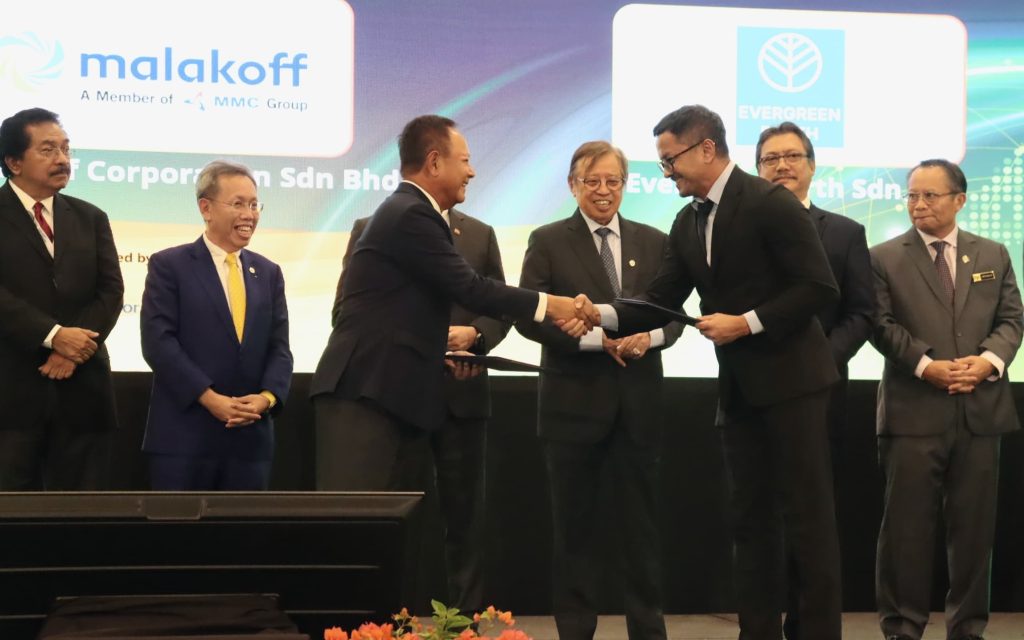
Malakoff Corporation Berhad, one of Malaysia’s leading independent power producers, has formalised a memorandum of understanding (MoU) with Evergreen Earth Sdn Bhd (EESB), a real estate and construction group, to develop green power projects across Sarawak. The MoU exchange took place during the International Energy Week (IEW) 2025 at the Borneo Convention Centre Kuching, witnessed by Sarawak Premier Tan Sri Abang Johari Tun Openg and Deputy Prime Minister Datuk Seri Fadillah Yusof, who also serves as Minister of Energy Transition and Water Transformation. The agreement was signed by Malakoff’s Head of Business Development, Shaja Ibrahim, and EESB Director, Datuk Mohamad Danel Abong. In a joint statement, Malakoff and EESB confirmed that the collaboration will include feasibility studies, site assessments, project development strategies and local partnership models focused on solar photovoltaic (PV) and other renewable energy (RE) ventures. The initiative will also involve the sharing of technical expertise, regulatory insights and market intelligence, alongside coordinated engagement with relevant authorities to obtain necessary approvals and enable grid integration. These efforts are aligned with Sarawak’s Post COVID-19 Development Strategy 2030 and Malaysia’s National Energy Transition Roadmap (NETR), underscoring both parties’ commitment to advancing the nation’s sustainability and clean energy objectives. Malakoff’s Managing Director and Chief Executive Officer, Anwar Syahrin Abdul Ajib, highlighted the significance of the partnership in supporting Malaysia’s clean energy transition. He stated that the projects will play a critical role in reducing Sarawak’s dependence on fossil fuels while contributing to a diversified renewable energy portfolio. “By supporting Sarawak’s efforts to reduce reliance on fossil fuels and diversify its renewable energy mix, we are contributing to the development of a more sustainable and future-ready energy ecosystem,” he said. Anwar added that the green power initiatives are expected to deliver strong socio-economic benefits, including job creation, local talent upskilling and improvements in rural infrastructure. This collaboration builds on Malakoff’s growing renewable energy footprint, which currently encompasses a total generating capacity of 198 megawatts (MW) from solar, waste-to-energy and small hydropower assets. As of June 2025, the company’s rooftop solar capacity stood at 63.6 MW, while its RE portfolio produced 67.0 gigawatt-hours (GWh) of clean electricity in 2024. -Bernama

News

PNB Weighs Strategic Divestment of RM3 Billion Toll Road Unit Prolintas

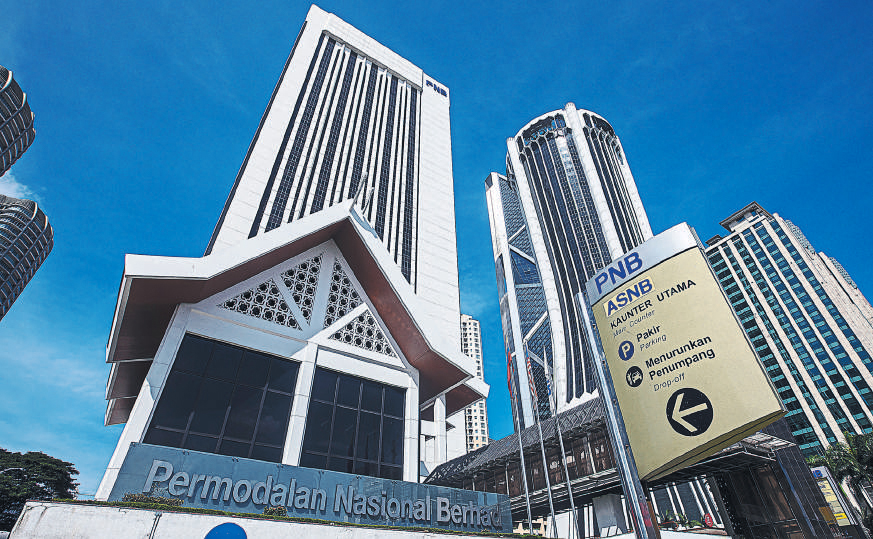
Permodalan Nasional Berhad (PNB), Malaysia’s state-owned asset manager, is reportedly evaluating the potential sale of its toll road subsidiary, Projek Lintasan Kota Holdings Sdn Bhd (Prolintas), in a transaction that could be valued at approximately RM3 billion, according to individuals familiar with the matter. Sources, who requested anonymity due to the private nature of the discussions, indicated that PNB is working with a financial adviser on the potential divestment. The firm has reportedly initiated contact with prospective investors, including established industry participants and private equity firms, to assess preliminary interest. While deliberations are still ongoing, the sources noted that PNB has not ruled out the option of retaining Prolintas should market conditions or strategic priorities change. In a statement provided via e-mail, PNB said that as a long-term investor focused on delivering sustainable returns, it routinely reviews its investment portfolio to identify opportunities that enhance value. This includes considering potential divestments and strategic repositioning. The institution added that all investment decisions are made through a rigorous governance framework aligned with its core objectives. PNB reiterated its policy of not commenting on speculation or rumours. It affirmed that any significant developments would be disclosed through the appropriate regulatory channels. The potential sale comes amid a broader slowdown in deal-making activity involving Malaysian companies. Mergers and acquisitions volume has declined by approximately 46% year-on-year, reaching US$4.2 billion to date, according to data compiled by Bloomberg. Founded in 1995, Prolintas is wholly owned by PNB and operates several expressways and urban highways, primarily within the Klang Valley. The company has also adopted artificial intelligence and machine-learning technologies to enhance safety and operational efficiency. Prolintas holds a 51% stake in Prolintas Infra Business Trust Bhd, a publicly listed entity on Bursa Malaysia. The trust, which owns a portion of the group’s highway assets, has a current market capitalisation of RM1.1 billion. -Bloomberg

Investment & Market Trends

Hartalega Faces Earnings Pressure as Analysts Slash FY26 Forecast

Hartalega Holdings Bhd is expected to deliver lower earnings for the financial year ending 31 March 2026 (FY26), as analysts revise their forecasts downward in light of margin compression and foreign exchange (forex) headwinds. Kenanga Research has reduced its FY26 net profit projection for Hartalega by 25%, driven primarily by a downward revision in earnings margin assumptions. The research house now anticipates a margin of 12%, down from its previous estimate of 14%, citing conservative assumptions that the company will not immediately pass on forex-related cost pressures to customers. Reflecting this revised outlook, Kenanga has adjusted its target price for the stock from RM4.00 to RM3.20, applying a lower valuation multiple of 2.5 times FY26 book value per share (BVPS), compared with 2.9 times previously. This move accounts for the expected near-term impact of forex movements on the group’s profitability. In its report to clients, Kenanga also noted that Hartalega’s significant exposure to the United States market—where sales comprise between 50% and 60% of total revenue—could be adversely affected if the currently high tariffs imposed on Chinese glove manufacturers are relaxed. The potential easing of these tariffs could diminish any near-term market share gains Hartalega might otherwise realise in the US. Despite these challenges, Kenanga believes Hartalega’s share price is currently trading at a level that aligns with its historical price-to-book valuation range before the imposition of US tariffs on Chinese competitors in September 2024. At that time, the stock traded between 1.8 to 2.0 times PBV. On a two-times FY26 BVPS basis, the stock should be valued at approximately RM2.50 per share. At last close, Hartalega’s shares were trading at RM1.55. The company’s financial performance for FY25 saw a significant rebound, with net profit rising fivefold to RM74.5 million. While this was in line with Kenanga’s expectations, it came in 12% below the consensus forecast. During a recent briefing, management indicated that it anticipates a modest increase in sales volume for the first quarter of FY26, with growth of between 1% and 8% quarter-on-quarter. This translates to a volume range of six billion to 6.6 billion pieces, as customers reportedly remain cautious amid ongoing uncertainty surrounding tariffs and opt to rely on existing inventories rather than initiate restocking. As a case in point, shipments surged to 2.3 billion pieces in May before retreating to two billion pieces in June. However, Hartalega expects inventory replenishment to resume in the second half of FY26, with improved order visibility beginning from June this year. -The Star

News

Philip Yeo to Retire from CDL Board After 16-Year Tenure

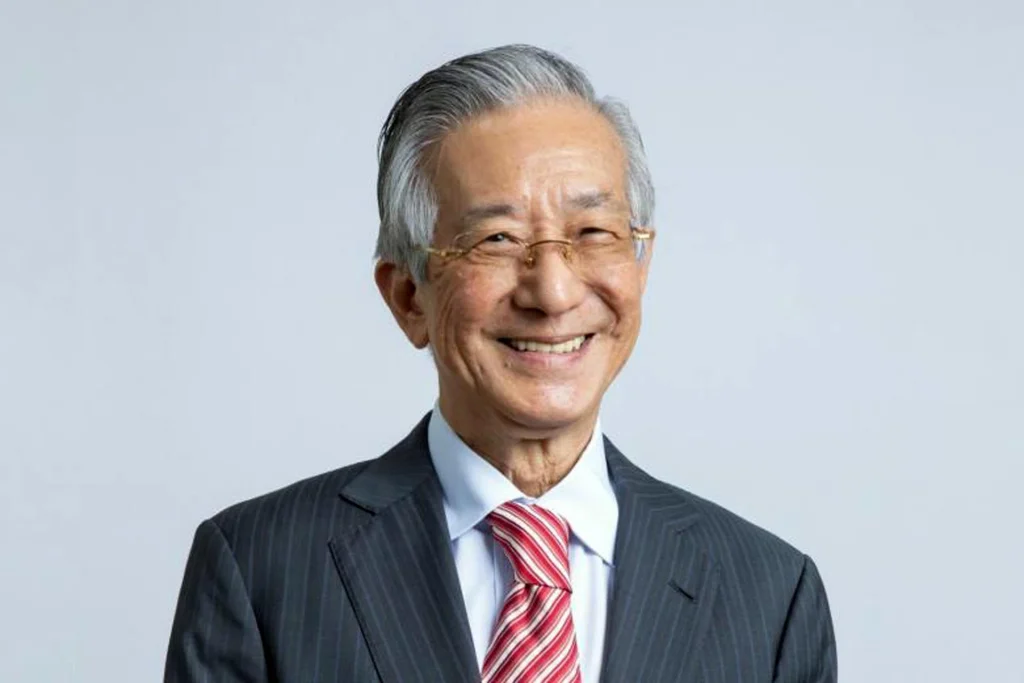
City Developments Limited (CDL) announced on Tuesday, 15 July, that Mr Philip Yeo will be stepping down as a director of the company effective 31 July. Mr Yeo, 78, has served on CDL’s board for 16 years as a non-independent, non-executive director. According to the company’s filing with the Singapore Exchange, Mr Yeo’s retirement comes without any unresolved differences in opinion on material matters between him and the board. His notice of retirement follows a turbulent period at CDL, marked by an internal dispute earlier this year between Executive Chairman Kwek Leng Beng and his son, Group CEO Sherman Kwek. The conflict reached a head in February when the elder Mr Kwek accused his son of attempting a boardroom coup and initiated legal action over alleged governance lapses. This came after Sherman Kwek had moved to appoint new independent directors without full board consent. Mr Yeo had aligned himself with Mr Kwek Sr during the controversy, publicly criticising the younger Mr Kwek and taking issue with his handling of the matter. He also expressed disapproval after Sherman Kwek identified Dr Catherine Wu, an associate of Mr Kwek Sr, as a central figure in the disagreement. Although the lawsuit was withdrawn within two weeks of its filing—with all board members reportedly agreeing to reconcile in the interest of the company and its stakeholders—the aftermath of the episode continued to reverberate within the boardroom. At CDL’s annual general meeting in April, Mr Yeo voiced strong dissatisfaction over the way certain board members had proceeded with director appointments earlier in the year, describing the actions as “totally improper”, according to Bloomberg. City Developments shares closed down 0.2 per cent at S$5.57 (US$4.33) ahead of the announcement. -CNA

Investment & Market Trends

NTT DC REIT’s Tepid SGX Debut Follows Singapore’s Largest IPO Since 2021

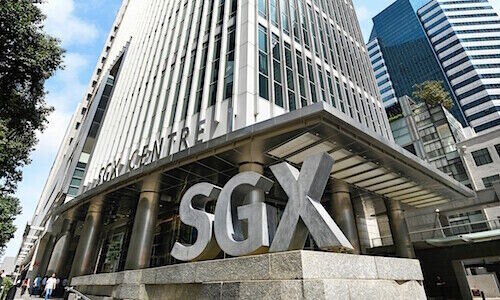
NTT DC REIT, the data centre real estate investment trust backed by Japan’s Nippon Telegraph and Telephone Corporation (NTT), made a subdued debut on the Singapore Exchange (SGX) on Monday, despite raising US$773 million in the city-state’s largest initial public offering (IPO) since 2021. The units opened modestly at US$1.03 within the first 30 minutes of trading, edging just above the offer price of US$1.00. The STI benchmark index was up 0.4 per cent during the same period. NTT DC REIT holds a portfolio of six data centres located in Austria, Singapore and the United States, with a total valuation of approximately US$1.6 billion. The trust’s cornerstone investors include Singapore’s sovereign wealth fund GIC, which holds a 9.8 per cent stake, making it the second-largest stakeholder after NTT Ltd, which retains 25 per cent. The listing highlights increasing global investor appetite for data centre assets across Asia-Pacific, underpinned by accelerating demand for artificial intelligence infrastructure and services. This IPO marks Singapore’s most substantial listing since Digital Core REIT’s US$977 million debut in 2021, according to data from LSEG. It also stands as Southeast Asia’s largest IPO since Thai Life Insurance raised US$942.9 million in 2022. Expanding IPO Pipeline in Singapore The SGX has seen renewed listing activity following the rollout of market-strengthening initiatives in February, including a 20 per cent corporate tax rebate for companies pursuing primary listings. “There is a broad base of potential REIT IPOs on the horizon, including data centre, industrial, logistics, hospitality, commercial and retail assets,” said Art Karoonyavanich, Global Head of Equity Capital Markets at DBS. “This marks the first time we have such a pipeline within a 12-month horizon, and these IPOs could raise anywhere between S$600 million (US$468.27 million) and S$1 billion.” Beyond REITs, China Medical System (CMS), listed in Hong Kong, is set to commence trading on the SGX on Tuesday via a secondary listing. “We believe that upon completion of the proposed secondary listing on the SGX, CMS will be able to attract funds focusing on Asia-Pacific investments and local capital in Southeast Asia, thereby optimising the shareholder structure,” the company said in a statement to Reuters. Other listing candidates in Singapore include Foundation Healthcare and Centurion, which plans to launch a REIT focused on employee dormitory assets. The uptick in listing activity comes amid a buoyant stock market. Singapore’s benchmark index has climbed more than 8 per cent since the beginning of the year and reached record highs in the past nine trading sessions, according to LSEG data. -Reuters

News

Geely to Take Zeekr Private at $6.83 Billion Valuation in Strategic Streamlining

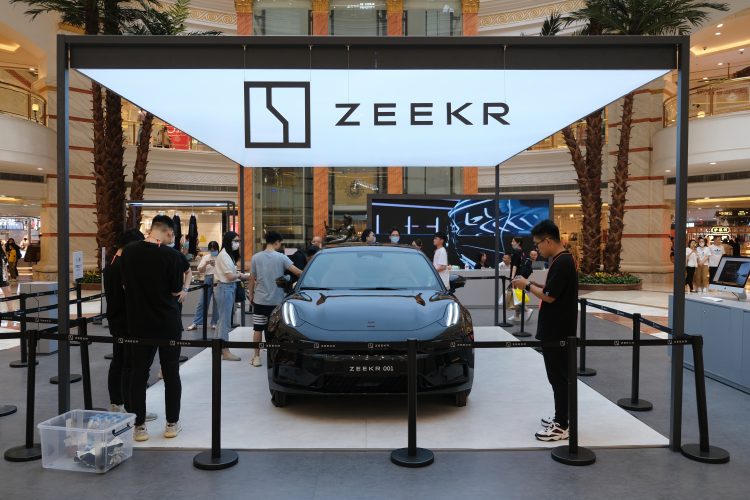
Chinese automotive giant Geely has announced plans to privatise its premium electric vehicle subsidiary Zeekr, in a transaction valuing the unit at approximately US$6.83 billion. The move is part of Geely’s broader corporate strategy to streamline its operations and enhance competitiveness in an increasingly saturated EV market. According to statements released on Tuesday, Geely will acquire the remaining shares of Zeekr it does not already own for US$2.687 per share, equivalent to US$26.87 per American depositary share. This offer represents an 18.9% premium on Zeekr’s last traded price on 6 May. The deal is anticipated to complete in the fourth quarter of this year. Geely currently holds a 62.8% stake in Zeekr. The company initially proposed a US$2.2 billion buyout in May, which has since been increased to approximately US$2.4 billion. Zeekr made its debut on the U.S. stock market in May 2024, achieving a valuation of US$6.8 billion and becoming the first major Chinese firm to list in the United States since 2021. Founded in 2021, Zeekr serves as Geely’s flagship premium EV brand, designed to showcase its proprietary technologies in electric vehicle architecture and battery systems. The planned buyout reflects a shift in Geely Holding’s strategic direction. The group, once known for its ambitious global acquisition spree, is now prioritising operational efficiency and cost control. The pivot comes in response to mounting margin pressures and an intensifying price war in China’s domestic EV market. As part of its corporate restructuring, Geely has realigned its operations into two core divisions: Geely Auto, targeting the mass-market segment, and Zeekr Group, which will continue to focus on premium offerings. In March, Geely further consolidated its internal technology development efforts by merging three separate business units working on digital cockpit systems into a unified 2,000-strong engineering team, with the aim of driving both efficiency and innovation across its product lines. -Reuters

News

Nissan to Cease Operations at Oppama Plant

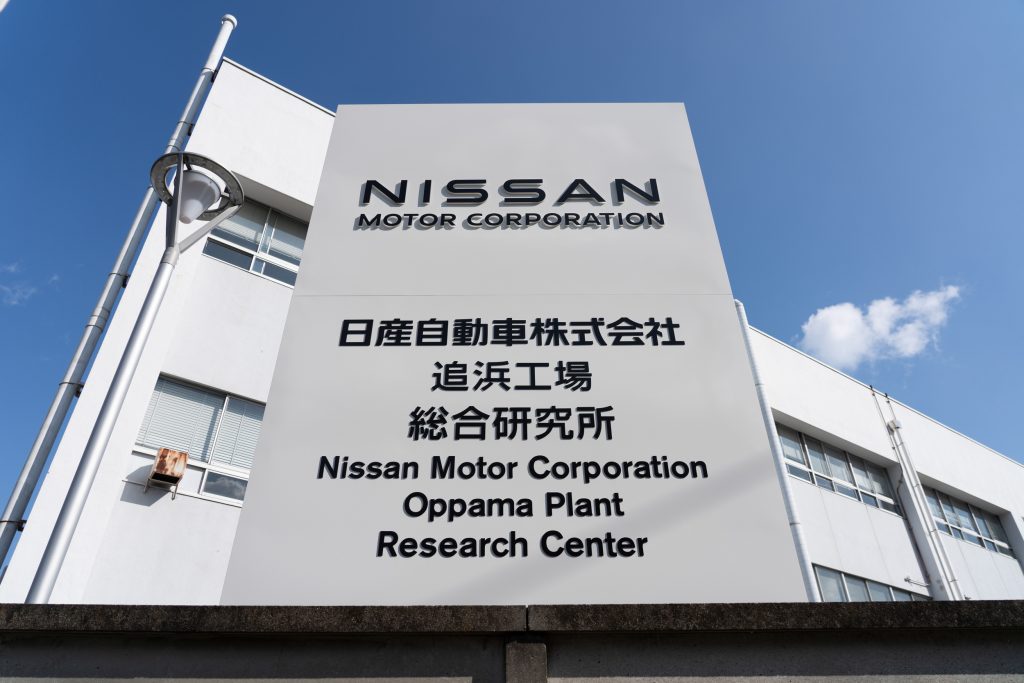
Nissan Motor Co Ltd has confirmed it will end vehicle production at its Oppama facility by the close of its 2027 fiscal year, in a strategic move to streamline operations under its global restructuring plan. The Japanese automaker, which reported a net loss of ¥671 billion last year, stated the production activities currently carried out at the Oppama plant, located just outside Yokohama, will be transferred to an existing facility on the southern island of Kyushu. The announcement is part of a broader effort by Nissan to consolidate its manufacturing footprint, with plans to reduce the number of its vehicle production plants from 17 to 10 by fiscal year 2027. Oppama, one of six domestic plants operated by Nissan, employed approximately 3,900 staff as of October last year. The site, which has been operational since 1961, played a pivotal role in the brand’s history and was notably the first to produce the Nissan LEAF—widely recognised as the world’s first mass-market electric vehicle. The decision to halt production at Oppama reflects the company’s response to mounting financial pressure and increased competition, particularly from rapidly expanding Chinese electric vehicle manufacturers. Nissan’s business challenges have been compounded by the collapse of merger discussions with Honda Motor Co Ltd earlier this year. The proposed deal, which would have seen Nissan become a subsidiary of Honda, was abandoned in February. Once viewed as a potential pillar of stability, the abandoned merger was part of Nissan’s wider turnaround strategy, which also included a significant reduction in its global workforce by 15 per cent. The company has faced several reputational and operational setbacks in recent years. The 2018 arrest and subsequent escape of former chairman Carlos Ghosn continues to cast a long shadow, while credit ratings agencies have since downgraded Nissan’s status to “junk”. Moody’s, in particular, cited “weak profitability” and an “ageing model portfolio” as key concerns. In a further blow, Nissan scrapped a recently approved US$1 billion battery plant project in southern Japan earlier this year, citing adverse business conditions. The firm is also considered among the most vulnerable Japanese automakers to the 25 per cent tariff on Japanese vehicle imports imposed by US President Donald Trump. Industry analysts note that Nissan’s customer base in the United States tends to be more price-sensitive than those of its competitors, amplifying the potential impact of such trade policies. As Nissan continues to battle financial headwinds and shifting market dynamics, the closure of the Oppama plant marks a significant chapter in its transformation strategy, signalling both a nod to its storied past and a pragmatic step toward its future ambitions. -AFP

News

Tesla Launches Mumbai Showroom with Model Y

Tesla has officially entered the Indian automotive market with the opening of its first showroom in Mumbai, showcasing its premium electric SUV, the Model Y. The move marks a significant step in the company’s long-anticipated expansion into the world’s third-largest car market. The company is offering the Model Y rear-wheel drive at ₹6 million (approximately US$70,000), while the long-range rear-wheel drive variant is priced at ₹6.8 million (around US$79,000). These prices are considerably higher than in other key markets: in the United States, the Model Y starts at US$44,990; in China, at 263,500 yuan (US$36,700); and in Germany, at €45,970 (US$53,700). Tesla’s Mumbai showroom, located within a gated office complex in the city’s financial district, was tightly secured during its unveiling. The Model Y, partially covered in black and grey drapes, was visible through the showroom’s glass façade, as police guarded the venue. Access to the premises was restricted, with minimal public presence and limited visibility into the space. Elon Musk’s interest in the Indian market has been longstanding, driven by the country’s growing base of affluent consumers who have shown increasing demand for luxury goods, from real estate to high-end jewellery and automobiles. However, the Indian electric vehicle (EV) market remains in its early stages, with EVs accounting for just 4% of total car sales. The Indian government aims to increase this share to 30% by 2030, offering incentives such as tax concessions for foreign automakers willing to commit to local manufacturing. These incentives, however, have thus far done little to sway Musk toward substantial domestic production commitments. Tesla’s entry arrives at a time when competition in India’s premium EV segment is intensifying, with established German brands such as BMW and Mercedes-Benz already present. Meanwhile, local players such as Tata Motors and Mahindra continue to dominate the mass-market EV segment. The launch of Tesla’s Mumbai showroom also coincides with Vietnamese EV manufacturer VinFast’s pre-booking campaign for its VF7 and VF6 electric SUVs in India, signalling a broader push into one of the most promising, albeit infrastructure-challenged, automotive markets globally. -Reuters

Media OutReach

MSIG Hong Kong’s 2024 Claims Report announces multi-year growth in its claims settlement ratio and highlights award-winning claims processing innovation

94.5% claims settlement ratio was achieved amidst a difficult business environment First year that two categories – Employees’ Compensation Hong Kong and Marine – saw settlement ratios of 100% Digital claims project Zero Touch wins “Claims Initiative of the Year” award HONG KONG SAR – Media OutReach Newswire – 16 July 2025 – MSIG Insurance (Hong Kong) Limited (“MSIG”) today published its sixth annual MSIG Claims Report which presents the total claims honoured in Hong Kong and Macau during the year as well as the insurer’s latest initiatives. In 2024, MSIG’s claims settlement ratio reached 94.5% – rising for the third consecutive year, up from 92.4% in 2021. The insurer honoured claims totalling HK$347,983,977 in Hong Kong and Macau, while receiving just 9 complaints throughout the year (down from 13 in 2023 and 50 in 2020). 2024 was also the first year that two categories – Employees’ Compensation Hong Kong and Marine – achieved 100% settlement ratios, a significant milestone that reinforces why the insurer has grown as a trusted partner. Helper (99.17%) and Personal Accident (96.85%) followed as the next highest categories. In 2024, MSIG put even more emphasis on quick response and rapid claims processing. This led to significant compliments from customers and wide-ranging examples of how the insurer responds to incidents with fast, intuitive processes that help those affected to move forward. Philip Kent, Chief Executive Officer of MSIG Hong Kong, said: “Every year brings new challenges, and 2024 was no different. Our teams have worked exceptionally hard to ensure that our service to customers remains at the fore, because we know that every claim is personal. By making the claims process faster and easier, we aim to help each of our customers move forward with assurance that they will receive the financial compensation they are owed. Innovation is at the heart of this, and our teams should be proud of the industry recognition they have received for their efforts. I have every confidence that we will continue to go from strength to strength in providing sincere customer service backed by leading digital capabilities – all part of our commitment to supporting our customers at every phase of their lives.” MSIG’s focus on claims excellence has led to notable industry recognition in 2024, including: Second consecutive year as a Top 3 Finalist in the category of “Outstanding Claims Management Award – General Insurance” – Hong Kong Insurance Awards 2024 Winner of “Claims Initiative of the Year” – InsuranceAsia News Awards for Excellence 2024 Setting the service standard in digital claims Following the launch of Zero Touch, a digital solution for claims assessment that streamlines verification of customers’ claims history, policy validity and claims payment amounts, in the second half of 2023, the project has reported exceptional gains in efficiency. For Helper Insurance claims specifically: Claims processing times have been reduced from 3-5 days to as little as 15 minutes for eligible clinical and dental claims. Almost 75% of Helper claims are now automated, saving claims specialists some 200+ working days annually. Simple claims do not require manual intervention anymore, increasing the focus on value-added services. Building on this success, MSIG intends to further extend Zero Touch to cover its medical products in the future. Innovating for the future In 2024 and early 2025, MSIG introduced a suite of new services to support customers at every step: MSIG Easy Lounge Service: Complimentary airport lounge access for travel insurance customers experiencing delays over 60 minutes, available at 1,600+ airports worldwide. Claims Status Enquiry Page: 24/7 online claims tracking for peace of mind. Day Case Endoscopy Programme: Cashless, convenient endoscopy arrangements for medical insurance customers. Door-to-door Luggage Repair Service: Free pickup and delivery for travel-damaged luggage. Overseas Medical Teleconsultation: Free telemedicine services for travel insurance customers travelling in Japan, Singapore, Thailand, Vietnam, and the Philippines. Also reflecting MSIG’s overarching emphasis on extraordinary customer service and claims management was its inaugural “Serving with Heart, Putting You above All” branding campaign. Featuring videos of common insurance scenarios, the insurer partnered with Key Opinion Leaders to convey how a simple, intuitive claims experience can result in needed assurance during unexpected incidents. Hashtag: #MSIGHongKong The issuer is solely responsible for the content of this announcement. About MSIG Insurance (Hong Kong) Limited (“MSIG Hong Kong”) MSIG Hong Kong is a wholly owned subsidiary of Mitsui Sumitomo Insurance Co Ltd and a member of the MS&AD Insurance Group, Asia’s leading general insurance brand with presence in 50 countries and regions globally. The Group is amongst the world’s top 10 insurance groups based on gross revenue and one of Japan’s leading insurers with A+ Stable credit rating. With over 40,000 employees world-wide, MSIG is represented in all ASEAN markets as well as in Australia, New Zealand, Hong Kong, Mainland China, Korea, India and Taiwan. MSIG Hong Kong offers a wide range of solutions and services through an extensive distribution network including agents, brokers, and bancassurance alliances with leading banks. It has been providing general insurance solutions to customers in Hong Kong for more than 170 years, dating as far back as 1855.

Scroll to Top

Subscribe
FREE Newsletter