Author name: admin

Property

Sunway Construction Bags RM1.15B In Contracts, Order Book At RM6.9B

Sunway Construction Group Bhd  has won new contracts worth RM1.15 billion for shell-and-core projects from a US-based multinational technology company. In a Bursa Malaysia filing, SunCon said its fully owned subsidiary, Sunway Construction Sdn Bhd, will start work immediately, with completion expected by May 2027. The client’s identity was not disclosed. These latest wins raise SunCon’s total order book to RM6.9 billion, including RM1.2 billion secured in the first two months of 2026. The group aims to replenish RM6 billion in orders this year, following a record RM5.2 billion replenishment in 2025. The new contracts come after a strong 2025 performance, with SunCon declaring a fourth interim dividend of nine sen per share, bringing the total payout to a record 50.5 sen. Full-year net profit jumped 93.6% to RM361.78 million from RM186.91 million the previous year, while revenue hit a milestone of RM5.34 billion. The group credited growth to contributions from all segments, particularly accelerated progress in advanced-technology facilities projects. Shares of SunCon closed 31 sen or 4.7% higher at RM6.90 on Wednesday, giving the company a market valuation of RM9.13 billion. The stock has risen over 21% year-to-date.

ESG

Jemaluang Dairy Gets RM95.8M To Increase Milk Production By 2027

Jemaluang Dairy Valley (JDV), a joint initiative between the Johor government and the East Coast Economic Region Development Council, has obtained RM95.8 million in financing from MBSB Bank Bhd to expand its milk production capacity to 14 million litres per year by 2027. The funding will be used to acquire high-tech equipment, additional A2 Jersey Friesian cattle from Australia, and a state-of-the-art milk processing facility capable of producing 14 million litres annually. Once operational, JDV is expected to supply roughly 16% of Malaysia’s fresh milk, reducing the country’s reliance on imports and enhancing national food security. From left: Arizan Arifin (ECERDC), Abdul Hakim Abd Manap (Mersing District Office), Raven Kumar Krishnasamy (Johor Unity, Heritage & Culture), Datuk Zahari Sarip (Johor Agriculture & Rural Development), Johor Menteri Besar Datuk Onn Hafiz Ghazi, Datuk Syed Mohamed Syed Ibrahim (JCorp), Dr Lim Ban Keong (Rhone Ma Holdings), and Qasem Alhasan (JDV CEO). The new processing plant will produce fresh pasteurised milk as well as flavoured variants such as strawberry, chocolate, and kurma. The facility, part of JDV’s integrated dairy ecosystem, is planned to begin operations in early 2027 with the potential to scale up to 30 million litres. JDV is owned by Jemaluang Dairy Valley Sdn Bhd (JDVSB), a joint venture between Kulim (Malaysia) Bhd, a subsidiary of Johor Corporation (JCorp), and A2 Fresh Holdings Sdn Bhd. Kulim holds a 65% controlling stake — including a 30% interest held in trust for the Johor state government — while A2 Fresh Holdings, part of Rhone Ma Holdings Bhd, holds 35%. The farm will also serve as an agro-tourism destination. The first phase, opening mid-2027, will welcome school visits with activities such as ATV rides, camping, and a mini zoo. The second phase will open to the general public in 2028. MBSB group CEO Rafe Haneef highlighted that food security is a national priority requiring substantial investment. He noted that the RM95.8 million facility supports Johor’s first fully integrated, tech-enabled, and ESG-compliant dairy ecosystem. JDVSB CEO Qasem Alhasan said the project is designed as a comprehensive dairy ecosystem, combining modern farming technology, sustainable practices, and local talent development. The initiative aims to deliver high-quality, locally produced milk at scale while contributing to Malaysia’s long-term food security goals.

Property

Varia Wins RM155 Million Subcontract To Upgrade Pasir Gudang Highway

Varia Bhd has secured a significant RM155 million subcontract for upgrading works on the Pasir Gudang Highway in Johor, further strengthening its construction order book for the next three years. The award underscores the group’s growing presence in large-scale civil and infrastructure projects. The subcontract was accepted by Varia’s wholly-owned subsidiary, Pembinaan Teguh Maju Sdn Bhd, from Kemuncak Pesaka Sdn Bhd on Wednesday, according to a Bursa Malaysia filing. The scope of work includes the supply of labour, materials, equipment, and machinery required to execute and complete civil and infrastructure upgrading works along the highway. The project is scheduled to run for a duration of 36 months, commencing on Dec 3, 2025, and expected to conclude by Dec 2, 2028. The contract is anticipated to provide steady revenue streams for Varia while enhancing its portfolio of ongoing projects in the infrastructure sector. This subcontract follows Varia’s ongoing efforts to expand its construction footprint in Malaysia, particularly in key highway and transport projects, and positions the company to capitalise on future infrastructure opportunities in Johor and other states. On the stock market, Varia’s shares closed unchanged at 84 sen on Wednesday, giving the company a market capitalisation of RM363.3 million. The group highlighted that successful execution of the Pasir Gudang Highway project will not only contribute to revenue growth but also reinforce its reputation as a reliable contractor for large-scale civil works.

Investment & Market Trends

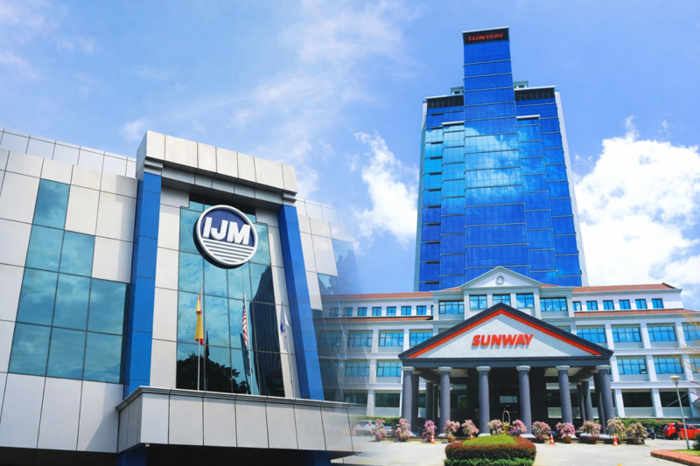
Sunway Raises Cash In IJM Offer To 32.5 Sen, Total RM3.15/Share

Sunway Bhd has increased the cash portion of its takeover offer for IJM Corp Bhd from 31.5 sen to 32.5 sen per share following the declaration of a two-sen dividend for Sunway shareholders. The adjustment reflects the dividend payout multiplied by the 0.501 Sunway shares that each IJM shareholder would receive under the offer. Despite the change, the total offer price remains at RM3.15 per IJM share, with the majority of the consideration (90%) still in Sunway shares, valuing IJM at RM11 billion. Under the revised terms, each block of 1,000 IJM shares now entitles shareholders to RM325 in cash plus 501 Sunway shares worth RM2,830.65 at the current issue price. The issue price of RM5.65 per Sunway share and the number of consideration shares remain unchanged. The offer will take effect once Sunway secures more than 50% of IJM and meets customary closing conditions. IJM, which operates in construction, property, infrastructure, and highway concessions, has an outstanding order book of RM4.4 billion and unbilled property sales of RM1.59 billion. Sunway said all other terms of the offer remain the same and advised IJM shareholders to review the offer document and independent advice circular on Bursa Malaysia before deciding.

Investment & Market Trends

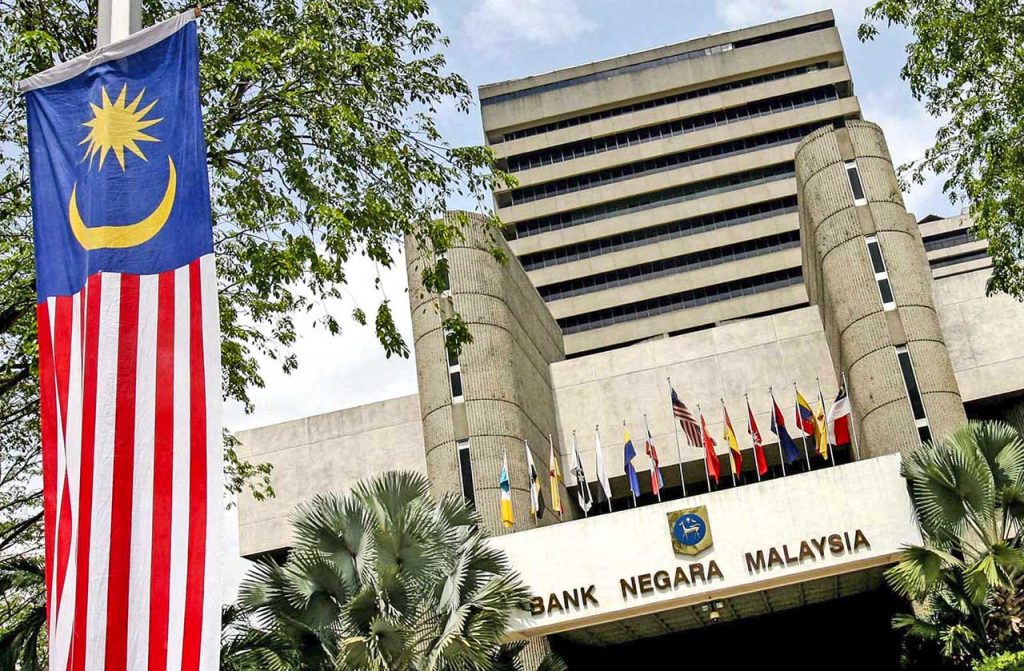
Bank Negara Fines KAF Investment Bank RM1 Million For FX Rules Breach

Bank Negara Malaysia (BNM) has fined KAF Investment Bank Bhd RM1.025 million for breaching foreign exchange policy (FEP) rules under the Financial Services Act 2013 (FSA). The penalty arose after KAF IB failed to obtain BNM’s approval for foreign currency transactions involving a resident individual whose domestic ringgit borrowing exceeded the allowed limit, violating Section 214(9) of the FSA. The breach also reflected inadequate internal controls to ensure compliance with FEP Notices, as required under Section 214(6) of the FSA. KAF IB has since implemented remedial measures, including new internal policies and procedures to strengthen compliance. The bank paid the compound on Jan 29, 2026. BNM said it considered both aggravating and mitigating factors, such as the bank’s prior compliance record and corrective actions, before determining the compound. The central bank reiterated that financial institutions must fully comply with FEP requirements, including obtaining written approval for certain foreign exchange transactions, to avoid enforcement actions.

Investment & Market Trends

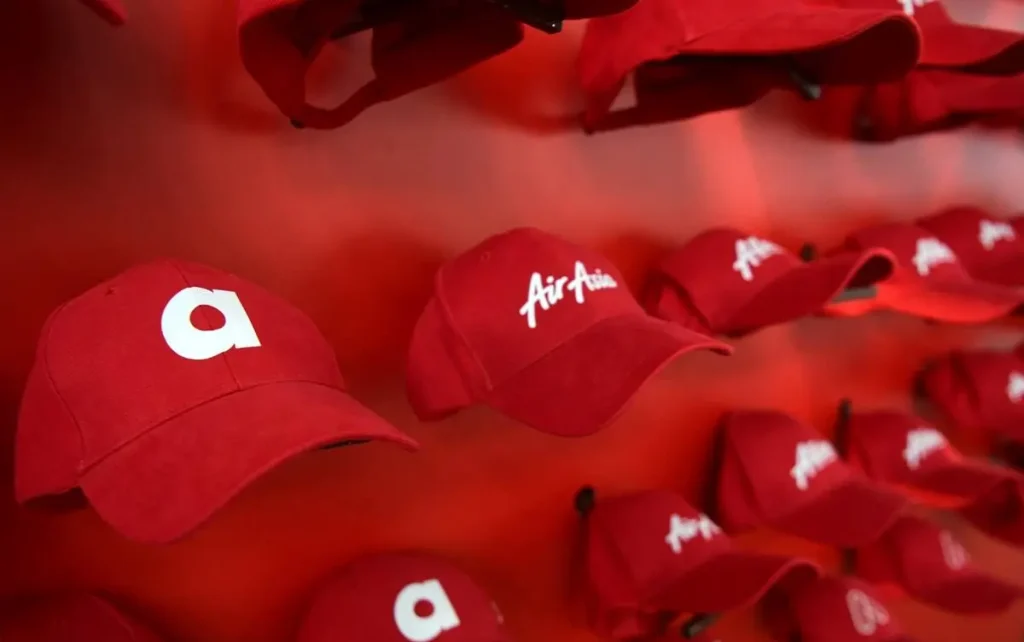
Capital A Posts Positive Equity, Aims To Exit PN17

Capital A Bhd is targeting an exit from Practice Note 17 (PN17) status after a substantial gain from the disposal of its aviation business, part of its completed regularisation plan, lifted the group to a positive shareholders’ equity position. The sale of the airline business generated a gain of RM9.75 billion, propelling Capital A’s net profit for the fourth quarter ended Dec 31, 2025, to RM10.2 billion, compared with a net loss of RM1.66 billion in the same period a year earlier, according to a Bursa Malaysia filing on Wednesday. Quarterly revenue increased 48.3% year-on-year to RM769.08 million from RM518.51 million. For the full year, the group reported a net profit of RM13.03 billion, swinging from a net loss of RM501.25 million in FY2024, largely due to the disposal gain. Cumulative revenue rose 16.7% to RM1.99 billion from RM1.71 billion. “The disposal has restored the group to positive equity of RM937 million, marking a clear financial reset. We now look forward to lifting our PN17 status and drawing a firm line under past challenges,” said Capital A CEO Tan Sri Tony Fernandes. Excluding its divested aviation business, Capital A’s continuing operations “largely met” internal targets. EBITDA stood at RM443 million, slightly below the guided range of RM500 million to RM600 million, while revenue of RM3.4 billion was marginally under the RM3.5 billion to RM4 billion range. The net operating profit (NOP) margin of 7% landed at the lower end of the 7% to 10% target range. No dividend has been proposed for the financial year. Capital A’s ongoing operations now consist of five key units: Asia Digital Engineering (ADE) — a maintenance, repair and operations unit, Teleport (logistics), AirAsia Move (travel platform), Santan (F&B), and AirAsia Next (brand licensing and digital IP). For the current fiscal year, the group has set internal targets of RM3.8 billion in revenue, RM600 million in EBITDA, and a 7% NOP margin of RM266 million. Fernandes noted that the group’s performance depends on each of the five business units achieving their respective objectives. He added that Capital A is ready to embark on its next phase of growth, focusing on its five tech-driven businesses. Following the announcement, Capital A shares closed 1.5 sen, or 2.54%, higher at 60.5 sen, giving the company a market capitalisation of RM2.68 billion.

Energy & Technology

PayNet Sees 58.7M Digital Transactions In 44 Malaysian Universities

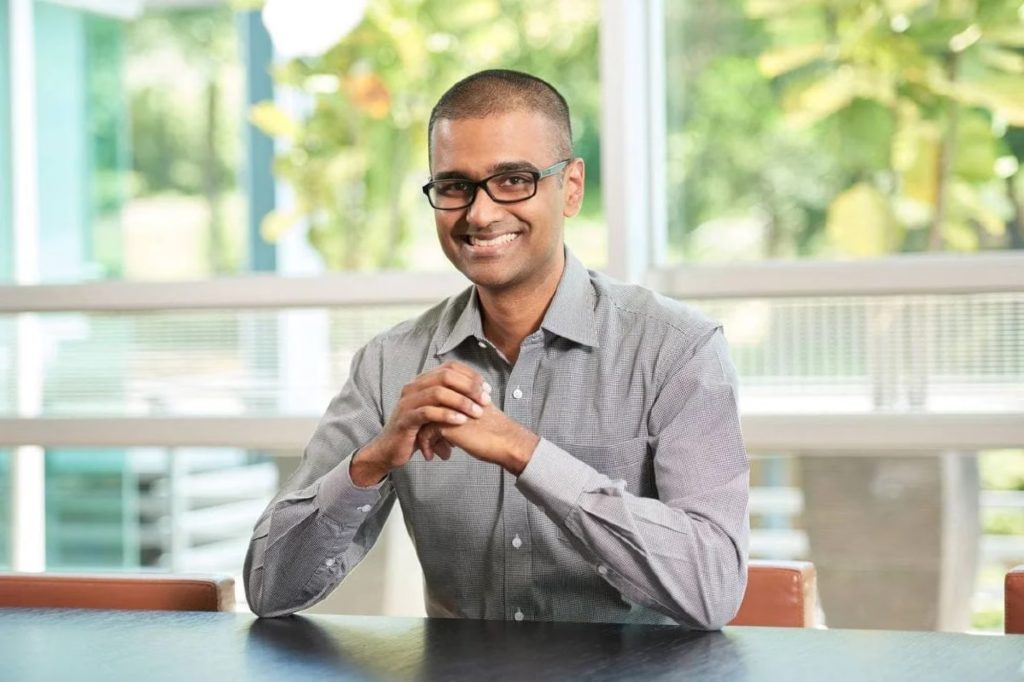
PayNet reported 58.7 million digital transactions across 44 Malaysian universities in 2025, more than double the 24.4 million recorded in 2024, under its PayNet Digital Campus 4.0 initiative. Launched in 2022, the programme encourages students, staff, campus merchants, and nearby businesses to adopt cashless payments using platforms like DuitNow QR, MyDebit, FPX, and JomPAY. Student representative councils (SRCs) lead campus campaigns, onboard local merchants, and promote ongoing digital payment usage. PayNet CEO Praveen Rajan. “The goal is to familiarise students—the next generation—with digital payments early on, starting from campus life,” said PayNet CEO Praveen Rajan at the PayNet Digital Campus Summit 2026 on Feb 25. He added that the initiative also strengthens SRC leadership, project management, and talent development skills. PayNet tracks actual transaction data to measure the initiative’s impact, ensuring real adoption rather than self-reported figures. Since 2022, the programme has reached nearly 600,000 students and over 7,500 merchants nationwide. In 2025, the fourth edition of the programme involved 20 public universities, including Universiti Teknologi MARA, Universiti Putra Malaysia, and Universiti Malaya, and 11 private institutions, such as INTI International University, Universiti Tunku Abdul Rahman, and Universiti Teknologi Petronas. Campaigns ran from September to December 2025, with activities tailored to each campus. “Embedding digital payments early supports financial inclusion and builds long-term confidence in Malaysia’s payment infrastructure,” Praveen said, linking the initiative to Bank Negara Malaysia’s Financial Sector Blueprint and the national cashless agenda. This programme also contributes to the broader economic ecosystem by extending benefits beyond campuses, helping surrounding businesses adopt cashless operations and improving overall digital readiness.

Investment & Market Trends

Tabung Haji Becomes Major Shareholder In AEON Co

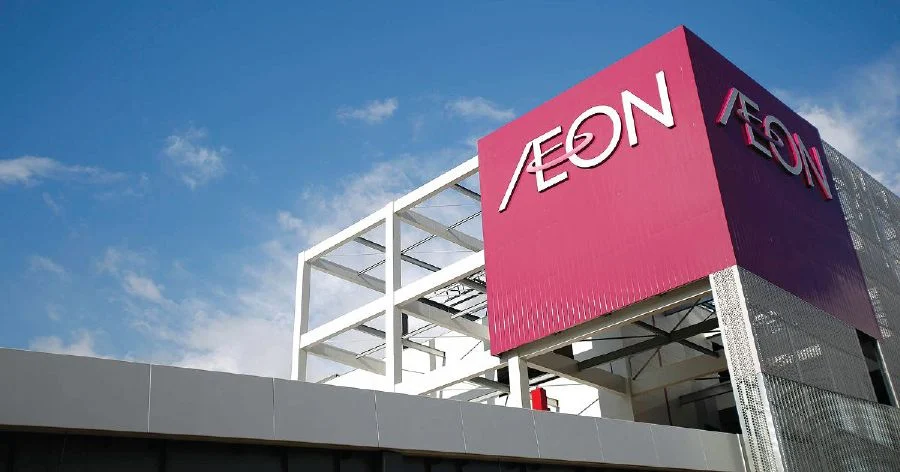
Lembaga Tabung Haji has become a significant shareholder in AEON Co (M) Bhd following its latest acquisition of shares in the Malaysian retailer and shopping mall operator. The pilgrimage fund crossed the 5% disclosure threshold after purchasing 250,000 shares, equivalent to a 0.018% stake, on Tuesday, February 24. This latest transaction increased Tabung Haji’s total holding in AEON Co to 5.013%, or approximately 70.39 million shares, according to a filing with Bursa Malaysia on Wednesday. With this move, Tabung Haji joins the list of notable institutional investors in AEON Co. Another key shareholder is the Employees Provident Fund (EPF), which holds a 7.618% stake in the company. Meanwhile, AEON Co’s parent company, AEON Co Ltd, remains the largest shareholder with a majority 52.02% ownership. Tabung Haji has been actively participating in the Malaysian equities market in recent months. Last month, the fund re-emerged as a substantial shareholder in SKP Resources Bhd, taking a 5.092% stake after more than a decade, and also acquired a 5.006% stake in newly listed Orkim Bhd. AEON Co’s shares responded positively to the announcement, ending one sen, or 0.76%, higher at RM1.33, giving the company a market capitalisation of RM1.87 billion. Analysts note that Tabung Haji’s increased participation in the market reflects its continued focus on strategic investments in well-established Malaysian companies with stable operations and long-term growth potential, reinforcing its position as an influential institutional investor. This latest acquisition also highlights the growing trend of domestic funds strengthening stakes in local listed companies, potentially enhancing corporate governance and providing additional stability to the shareholder base of firms like AEON Co.

Investment & Market Trends

Baidu Loses $11B As AI Hype Faces Reality

A 20% slide in Baidu Inc’s shares over the past month serves as a crucial reminder for companies in China’s rapidly intensifying artificial intelligence (AI) race: investors are demanding tangible results. The search engine specialist kicks off December-quarter earnings for China’s Big Tech on Thursday, amid growing concern that its AI investments are not translating into a meaningful growth driver quickly enough. Despite strength in the cloud business, analysts predict both revenue and profit to fall year on year, hurt by continued weakness in the core advertising business that’s closely tied to the broader economy. With markets fixated on AI, positive management commentary or evidence that capital spending is bearing fruit will be crucial to help stem an equity rout that’s eroded US$11 billion (RM42.78 billion) in market value since a three-year high on Jan 23. “In the crowded field of Chinese AI players, Baidu is viewed more as an optionality or valuation‑driven sum‑of‑the-parts story rather than a clearly defined long‑term winner,” said Gary Tan, a portfolio manager at Allspring Global Investments LLC. “Baidu must demonstrate it is leveraging its AI capabilities to build a true full stack AI platform rather than acting as a jack of all trades.” Baidu was among the first Chinese companies to embrace AI and roll out a ChatGPT-like service, but it has lost leadership in the field to larger rivals as well as newcomers like DeepSeek. The Beijing-based firm’s flagship mobile application has also seen popularity wane, with young users flocking to social apps from rivals ByteDance and Xiaohongshu for search queries. The stock has suffered also on account of a wave of new listings by pure‑play AI firms such as chip designers and large language model developers. The outsized gains in shares of companies like MiniMax Group Inc and Knowledge Atlas Technology JSC Ltd — better known as Zhipu — are luring investors away from diversified internet conglomerates such as Baidu, Alibaba Group Holding Ltd and Tencent Holdings Ltd. The Hang Seng Tech Index, which counts Alibaba, Tencent and Baidu among heavyweights, is down 9% over the past month. Shares of Alibaba and Tencent down about 12% each. Baidu’s stock has fared much worse, losing nearly 20% over the period. The downtrend has continued even after the company earlier this month announced plans to issue its first dividend and a three-year stock buy-back programme of as much as US$5 billion in a bid to reward investors. Some market watchers have expressed optimism ahead of the results. “Baidu is moving into a phase where the contours of its AI-led transition are becoming more visible, in our view, with early signs that user adoption for AI functions, AI product integration into existing mobile Internet services and operational efficiency are beginning to improve,” JPMorgan Chase & C analysts led by Alex Yao wrote in a note last month. Baidu’s 12-month forward consensus earnings estimate has also risen over 6% since reaching a more than three-year low late last month. Even so, the options market is signalling investor caution. Demand for downside protection has increased, with the cost of insuring against a 10% drop in Baidu’s US-traded stock climbing to its highest level since April relative to upside bets earlier this week, according to one-month implied volatility data. Options traders are pricing in a 5.7% swing in either direction for its American Depositary Receipts after the results. That’s more than the average 4.6% fluctuation seen following the last eight quarterly reports. “Baidu needs to convince investors of greater adoption of its ERNIE-based agents, particularly on the enterprise side,” given that agentic AI systems — which require less human supervision — are becoming “a larger and larger disruption risk”, said Felix Wang, the tech sector head of Hedgeye Risk Management.

News

QEW Group Berhad Reaffirms Business Continuity And Governance Stability

QEW Group Berhad has addressed recent media coverage concerning court proceedings involving a member of its Board of Directors, Dato’ Dr. Muhammad Iqbal. The matter is currently before the Court. In line with established legal principles and sound corporate governance practices, the Group will refrain from commenting on the specifics while proceedings are ongoing. The Company emphasised its respect for the judicial process and the importance of allowing due process to take its course. According to the Board, the proceedings relate to regulatory matters at an individual level and do not affect the Group’s operational structure, subsidiaries, financial administration, governance framework, or ongoing development initiatives. QEW Group reiterated that all corporate functions — including Corporate Finance & Investment (CFI), Project Management Office (PMO), Legal & Compliance, CRM, Corporate Services and Corporate Communications — continue to operate in the ordinary course of business under established governance and internal control frameworks. The Board remains focused on ensuring business continuity across its strategic programmes, upholding regulatory and governance standards, preserving stakeholder and investor confidence, and maintaining responsible corporate communication. The Group also reaffirmed the long-standing legal principle that individuals are presumed innocent until proven otherwise in a court of law. It noted that the Director has extended full cooperation to the Securities Commission throughout the investigative process and remains respectful of the Court’s role in determining the matter based on the facts and applicable law. QEW Group’s strategic initiatives — spanning infrastructure development, industrial projects and structured capital programmes — are progressing as planned, with no disruption to existing commitments or project timelines. The Company indicated that further updates will be provided where appropriate, in accordance with applicable legal and regulatory requirements.

Scroll to Top

Subscribe
FREE Newsletter