Author name: admin

Investment & Market Trends

Sentoria Sues To Cancel OCBC Bank Guarantees, Seeks RM679m

Sentoria Group Bhd has filed a writ at the High Court of Malaya against OCBC Bank (Malaysia) Bhd, seeking to invalidate corporate guarantees issued in connection with two of its subsidiaries. In a filing on Tuesday (Feb 3), the PN17 company said the writ was lodged on Jan 30 and involves guarantees provided to OCBC Bank on behalf of Sentoria Borneo Land Sdn Bhd and Sentoria Borneo Samariang Sdn Bhd, both wholly owned units that are currently under receivership and management. The company is seeking a court declaration that the corporate guarantees are not enforceable. Sentoria is seeking a court declaration that the guarantees are unenforceable, an order to cancel them, and compensation or damages amounting to RM679 million. The company said the writ has yet to be served on OCBC Bank and is expected to be delivered within six months from the filing date. In April last year, Sentoria announced that receivers were appointed to both subsidiaries after they failed to meet repayment obligations under loan agreements by the March 28, 2025 deadline. Sentoria Borneo Samariang, classified as a major subsidiary, recorded negative net assets of RM29.7 million as at Sept 30, 2023, representing 18% of the group’s total assets. Sentoria Borneo Land, which is not a major subsidiary, posted negative net assets of RM48.7 million during the same period. At the group level, Sentoria reported a net loss of RM89.04 million on revenue of RM7.55 million for the financial year ended Sept 30, 2024 (FY2024). The group has been loss-making since FY2019 and was classified under PN17 in December 2024 after shareholders’ equity fell to 33% of its issued and paid-up capital. Earlier this month, Bursa Malaysia granted Sentoria a six-month extension until June 3, 2026, to submit its regularisation plan to address its PN17 status. Sentoria shares were unchanged at 1.5 sen at the midday break on Tuesday, valuing the group at RM9.34 million.


News

IRB Detects RM1.4b Unreported Income Using e-Invoice

The Inland Revenue Board (IRB) has uncovered RM1.4 billion in previously undeclared income through reviews conducted under its e-Invoice system, which was introduced six months ago. In a statement on Tuesday, the tax authority said it identified more than 500,000 cases of potential underreporting, where taxpayers’ declared income did not align with their financial capacity. As a result, reminder notices were issued to encourage voluntary disclosures. Following these efforts, 17,188 taxpayers submitted backdated income declarations, generating RM290 million in additional tax revenue. Since the e-Invoice system was rolled out on Aug 1, 2024, a total of 184,325 taxpayers have issued 979 million e-invoices, reflecting strong uptake, including among micro, small and medium enterprises. The IRB said the system supports the digitisation of business operations and ensures transactions are properly recorded. It added that the agency will continue to enforce tax compliance fairly and efficiently by leveraging data-driven and digital tools to detect non-compliance. Taxpayers were reminded to keep their tax records accurate and up to date to avoid penalties or legal action under the Income Tax Act 1967.

Investment & Market Trends

GuocoLand Shares Put On Hold Ahead Of Announcement

Shares of GuocoLand (Malaysia) Bhd were suspended from trading from 9am on Tuesday, pending a company announcement, according to a filing with Bursa Malaysia. The trading suspension follows a separate request by its parent company, GuocoLand Ltd, for a trading halt on the Singapore Exchange on Monday evening. GuocoLand (Malaysia) shares have risen 59.8% since the start of the year and last traded at 93.5 sen, their highest level since 2018, giving the company a market capitalisation of RM654.9 million. GuocoLand (Malaysia) is part of the Hong Leong Group through Hong Kong-listed Guoco Group. The company is primarily involved in the development of residential townships, as well as commercial and integrated properties in Malaysia. Its parent, GuocoLand, also has operations in Singapore and China. According to the company’s latest annual report, GLL (Malaysia) Pte Ltd, a wholly owned subsidiary of GuocoLand, is the largest shareholder with a 65.03% stake. Market data shows GuocoLand (Malaysia) shares are currently trading at 30.9 times trailing earnings and 0.5 times price-to-book value. As at end-December 2025, the group had cash and cash equivalents of RM197.2 million, against total borrowings of RM584.8 million, with net tangible assets of RM2.08 per share. For the second quarter ended Dec 31, 2025, the group reported a 9.48% decline in net profit to RM6.67 million from RM7.36 million a year earlier, despite revenue rising to RM150.82 million, the highest level in more than three years. The lower earnings were attributed to the absence of profit contributions from Emerald Hills’ North Tower following the delivery of vacant possession in December 2024, as well as a reduced share of profit from the Emerald Rawang development.

Investment & Market Trends

Panama Blocks Li’s Port Deals, Raising Investor Concerns

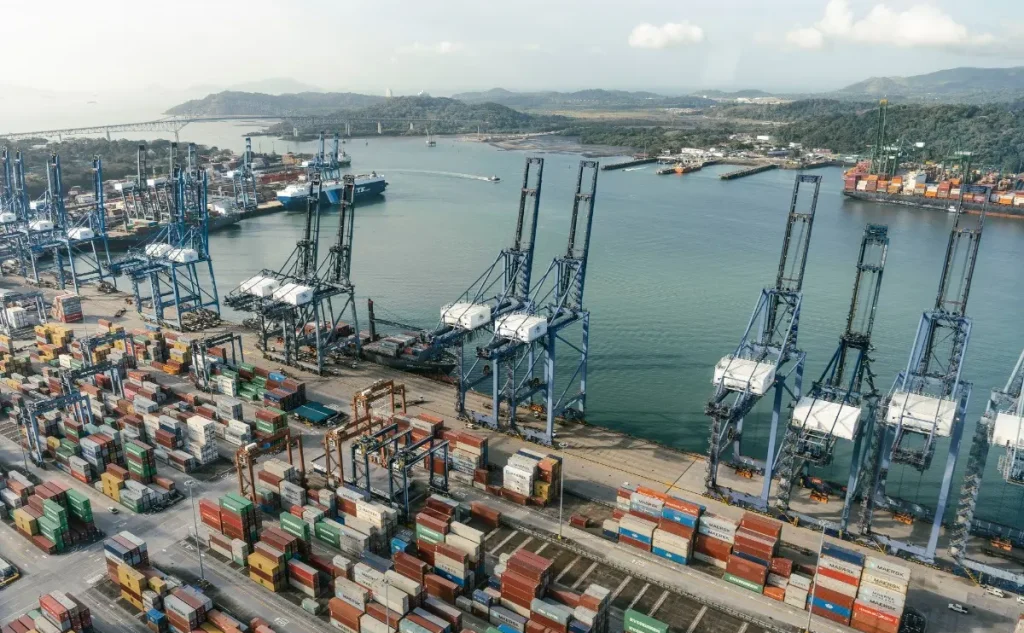
Panama’s top court has ruled that the contract allowing Hong Kong tycoon Li Ka-shing’s CK Hutchison Holdings Ltd to operate two ports near the Panama Canal is unconstitutional, creating fresh uncertainty over the conglomerate’s long-standing plan to sell the facilities. The ruling, announced Thursday via the court’s Instagram account, rattled investors. CK Hutchison shares plunged as much as 5.7% in Hong Kong trading on Friday, marking their steepest drop since April. CK Hutchison’s local unit, Panama Ports Co, said it has not yet received formal notification of the decision but argued the ruling contradicts the legal framework governing its operations at Balboa and Cristobal ports. The company called for coordination with the government to avoid disruptions and protect the concession, while reserving all legal options. The ports have long been a geopolitical flashpoint. Former US President Donald Trump has criticised perceived Chinese influence over the canal and threatened US intervention, while Panama’s President Jose Raul Mulino has repeatedly stressed the country’s full sovereignty over its operation. CK Hutchison began operating the ports in 1997, with a contract extension granted in 2021. The legal challenge was initiated last year by Panama’s Comptroller Anel Flores, who alleged that the extension cost Panama more than US$1 billion (RM3.9 billion) in lost tax revenue and that Panama Ports Co failed to obtain proper approvals. Following the verdict, CK Hutchison has limited options. It may request clarification from the court but cannot appeal the decision. International arbitration remains a possible route. Meanwhile, Panama Ports Co will continue operating the facilities until the legal clarification process, which could take several weeks, is completed. The ports are part of CK Hutchison’s plan to sell its 43 global terminals to a consortium led by Italian billionaire Gianluigi Aponte’s Terminal Investment Ltd and US investment firm BlackRock Inc. To secure Beijing’s approval, the company last year invited state-owned China Cosco Shipping Corp to join the buyer consortium. Analysts said the ruling is likely to reduce the valuation and proceeds from the port deal but is unlikely to derail the broader divestment. Panama contributes under 10% of CK Hutchison’s overseas port throughput, and the company may now complete the sale in separate parcels, adjusting ownership to reduce geopolitical and regulatory risks. “The Panama ruling will trim CK Hutchison’s port-deal valuation, though it was largely expected given prior legal and political signals,” said Bloomberg Intelligence analyst Denise Wong. “A parcel-based sale structure means the company can still likely complete most divestments and secure meaningful cash inflows.” The decision is not unprecedented. Governments have previously terminated private or foreign concessions for public infrastructure projects. Last year, Panama reclaimed land from a Chinese company that failed to build a port as required. Similarly, Egypt’s Damietta Port Authority revoked a concession in 2015, with compensation later settled after international arbitration. “There is a long history of states reclaiming control of ports and other infrastructure from private operators,” said Winston Ma, adjunct law professor at New York University. “Concession contracts typically reserve the right for governments to terminate for cause or public interest.”

Energy & Technology

Malakoff Gets Green Light To Run Three Gas Plants Until 2029

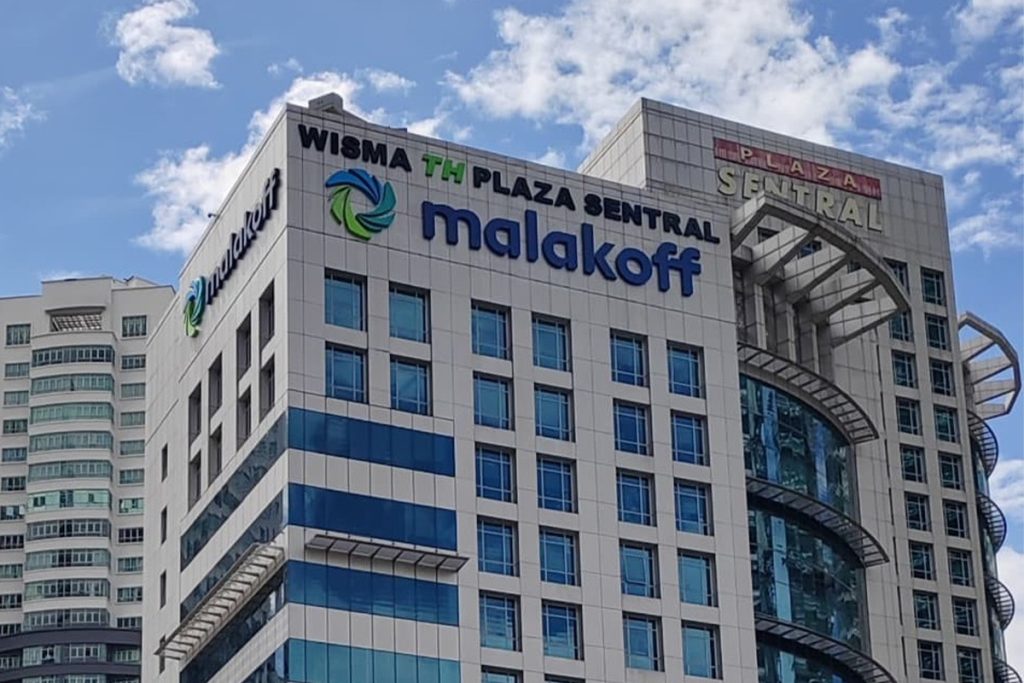
Malakoff Corporation Bhd has received approval from the Energy Commission to extend the operations of its three gas-fired power plants, with a combined capacity of 2,082MW, until December 31, 2029. The extension ensures these plants continue supplying electricity to the national grid, supporting Malaysia’s growing energy needs during periods of sustained demand and the ongoing energy transition. The approval covers: The 1,303MW Combined Cycle Gas Turbine (CCGT) plant in Lumut, Perak, owned by Segari Energy Ventures Sdn Bhd (SEV); The 429MW Open Cycle Gas Turbine (OCGT) plant in Lumut, Perak, owned by GB3 Sdn Bhd (GB3); and The 350MW CCGT Prai Power Plant in Pulau Pinang, owned by Prai Power Sdn Bhd (PPSB). New Power Purchase Agreements (PPAs) will be signed with Tenaga Nasional Bhd (KL:TENAGA), allowing Malakoff to continue generating and supplying electricity throughout the extension period. Commenting on the approval, Malakoff Group CEO Syahrunizam Tan Sri Samsudin said the extensions will enable these proven gas-fired facilities to provide reliable and flexible capacity, particularly during periods of high demand. “This supports national energy security while maximising the value of existing infrastructure in a cost-efficient manner,” he added. He also noted that CCGT and OCGT plants like these remain vital during the energy transition, offering efficient and responsive generation to complement renewable sources. The continued operations reflect the company’s disciplined maintenance and operational standards over the years. The SEV Lumut plant began operations in 1996, the GB3 Lumut plant in 2001, and the Prai Power Plant in 2003. Together, these three plants form a long-standing generation base that has reliably supported Peninsular Malaysia’s electricity supply. With a combined capacity of 2,082MW, the plants provide dependable and flexible generation, helping maintain grid stability and reserve margins, especially during peak electricity demand. The extensions are also expected to contribute positively to Malakoff’s earnings and net assets over the coming years.

Property

Sibu Prison Project Awarded To Hartanah Kenyalang For RM275 Million

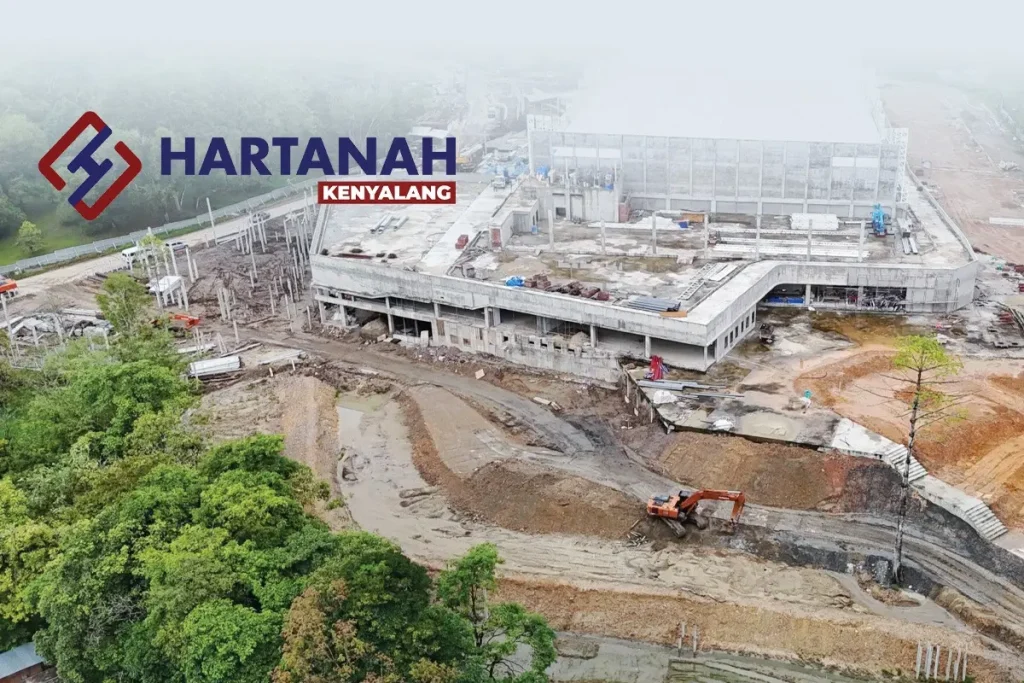
Hartanah Kenyalang Bhd (KL:HKB) has secured its largest contract to date, valued at approximately RM275 million, to construct a new prison in Sibu. The design-and-build project, awarded to the company’s wholly owned subsidiary Hartanah Construction Sdn Bhd by the Public Works Department, is scheduled to run for three years from Feb 9, 2026, to Feb 8, 2029. Managing director Seah Boon Tiat expressed gratitude for the opportunity, saying the project will help the Ministry of Home Affairs address overcrowding at the existing Sibu prison. The contract also increases Hartanah Kenyalang’s total order book to RM567.7 million. The new prison, part of the Budget 2026 allocation, is designed to accommodate up to 1,000 inmates, replacing the current facility built in 1918 with a capacity of around 450. Seah noted that the modern facility will improve living conditions for inmates while providing a better working environment for prison officers. Hartanah Kenyalang shares remained steady at 18.5 sen at midday, giving the company a market capitalisation of RM111.51 million. The stock was listed on the ACE Market in June last year at an initial public offering price of 16 sen.

Investment & Market Trends

WTK Gets Shareholder Nod For RM555 Million Stakes In Three Firms

WTK Holdings Bhd has secured unanimous shareholder approval to acquire stakes in three companies from related party WTK Realty Sdn Bhd for RM555 million. The Sarawak-based diversified group said shareholders approved the purchase of 100% equity in Desacorp Sdn Bhd, as well as 70% stakes in Imbok Enterprise Sdn Bhd and WTK Oil Mill Sdn Bhd. The acquisitions are expected to be completed by the second quarter of 2026. WTK Holdings noted that the move will significantly expand its plantation operations. Upon completion, the group’s total planted oil palm area will rise by 82.6% — from 17,420.59 hectares to 31,809.86 hectares — supported by favourable crop age profiles. The addition of an in-estate mill is also expected to improve supply chain efficiency and operational integration. WTK chairman Tan Sri Sulong Matjeraie said that following the divestment of the group’s loss-making timber operations, WTK is now focused on growing its plantation division as its core business, with stronger earnings quality and more sustainable long-term prospects. “Our immediate priority is the smooth execution and integration of the acquired assets into existing operations. This expansion of our upstream oil palm footprint, combined with integrated milling capacity, is expected to enhance production visibility, processing efficiency, and cost optimisation,” he added. Sulong also highlighted that exiting timber operations removes exposure to related impairments and operating losses, contributing to a more stable earnings profile. He said the acquisitions are expected to be earnings accretive, with their financial results consolidated into WTK, further strengthening the plantation division as the group’s main driver of profitability.

Investment & Market Trends

Axis REIT To Pursue More Industrial Property Acquisitions In 2026

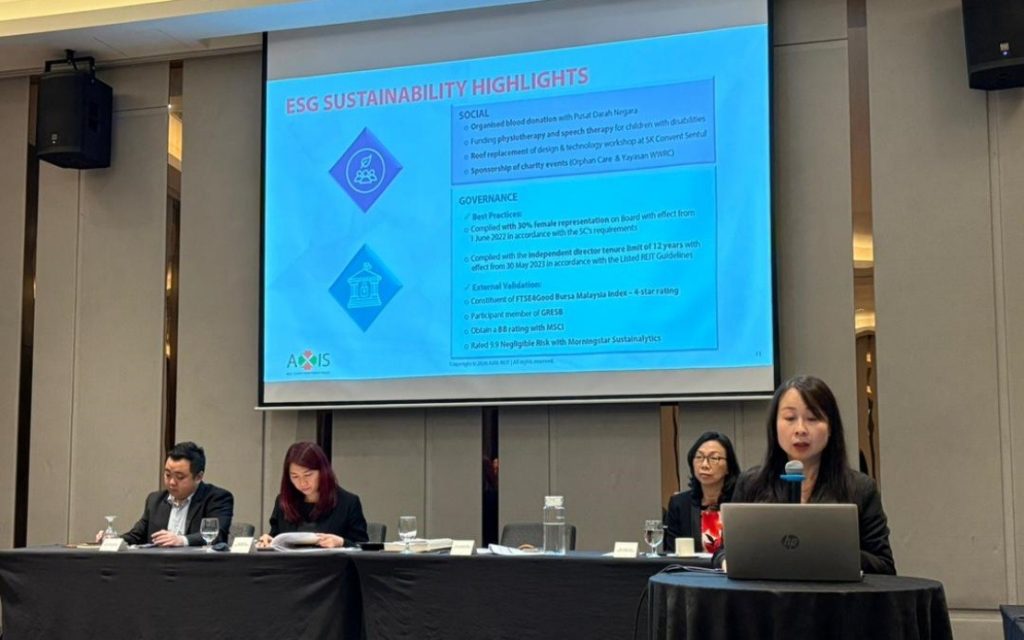
Axis Real Estate Investment Trust (Axis REIT) is looking to ramp up asset acquisitions in 2026, with a continued focus on industrial properties. Axis REIT Managers Bhd chief executive officer and executive director Leong Kit May said the approach follows the trust’s 2025 strategy, which targeted up to four industrial assets, mainly in Penang, Johor and the Klang Valley. Axis REIT Managers Bhd chief executive officer and executive director Leong Kit May (right). She said the trust believes up to four industrial acquisitions could potentially be completed in 2026, adding that Axis REIT remains open to further opportunities as the year progresses, with more guidance to be provided when plans are more certain. According to its presentation, Axis REIT completed the acquisition of an industrial facility in Northport, Port Klang, on Jan 27 for RM50 million. The trust is also planning to acquire an RM80 million warehouse in Telok Gong, Port Klang, which is expected to be completed in the fourth quarter of 2026. Further acquisitions are lined up, including industrial buildings in Seberang Perai, Penang, and an industrial facility in Senai, Johor. These are expected to be completed in the second quarter of 2027 and the fourth quarter of 2027, respectively. Leong said both the broader REIT market and Axis REIT are expected to maintain a positive outlook heading into 2026. Meanwhile, Axis REIT reported a strong financial performance for the fourth quarter ended Dec 31, 2025, with net profit rising to RM133.87 million from RM91.01 million a year earlier, supported by resilient net property income. Quarterly revenue increased four per cent to RM91.31 million from RM87.76 million previously. For the full year, net profit climbed to RM282.08 million from RM210.01 million, while revenue grew to RM364.2 million from RM320.1 million. The trust also declared a distribution of 2.75 sen per unit for the quarter, bringing total distributions for the financial year to 10.55 sen, up from 9.27 sen a year earlier.

News

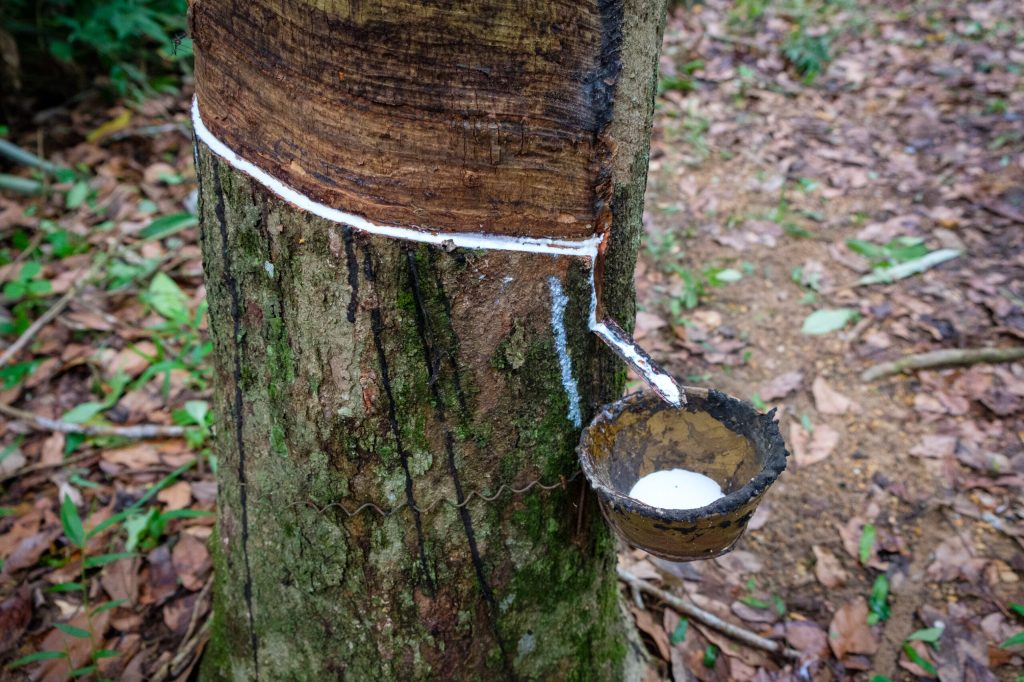
RM9.5mil Rubber Incentives Paid To Nearly 95,000 Smallholders In 2025

A total of 94,677 rubber smallholders received RM9.5 million under the Rubber Production Incentive (IPG) between January and November 2025, according to the Ministry of Plantation and Commodities (KPK). The ministry said the IPG was activated four times in Peninsular Malaysia and nine times each in Sabah and Sarawak during the year. Since its introduction in September 2015 up to Nov 30, 2025, the incentive scheme has benefited 253,358 smallholders nationwide, with total payouts amounting to RM532.76 million. KPK was responding to a parliamentary question from Datuk Seri Jalaluddin Alias (BN-Jelebu) on the number of beneficiaries in 2025 and the suitability of the current activation price threshold of RM3 per kilogramme (kg). On the threshold, the ministry said the RM3 per kg rate is determined based on the government’s financial capacity. It noted that the IPG activation price has been reviewed and raised five times since the scheme was introduced, with the current rate coming into effect in January 2024. The ministry added that it is reviewing and assessing potential improvements to the IPG to make it more inclusive and targeted. Proposed enhancements include productivity-based incentives and a higher IPG rate for latex production, aimed at sustainably improving productivity, national rubber output and smallholders’ incomes.

ESG

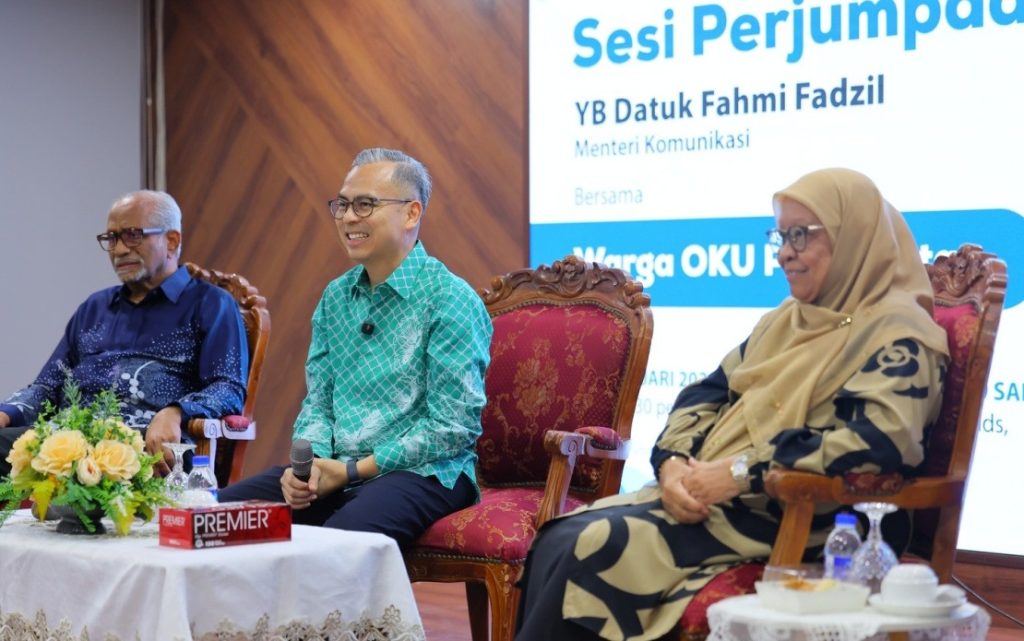
MAB Tables 34-Point Plan To Empower The Visually Impaired

The Malaysian Association for the Blind (MAB) has submitted a 34-point memorandum to the government, outlining proposals aimed at strengthening support for the visually impaired community. The recommendations span key areas such as access to information, education, employment opportunities and the use of technology to improve inclusivity. The proposals were presented during a dialogue session with Communications Minister Datuk Fahmi Fadzil on Tuesday. In a Facebook post, Fahmi described the session as open and constructive, noting that participants shared valuable perspectives and real-life experiences that reflected MAB’s strong commitment to advancing accessibility and inclusiveness for the visually impaired in Malaysia. He said one of the key issues raised was the need for media organisations to deliver information in a more inclusive manner, particularly by enhancing and standardising audio elements to better serve visually impaired audiences. The discussion also highlighted the untapped potential of the visually impaired community in the creative industry, with calls for targeted policies, specialised training and fair access to opportunities to support their participation. “This engagement serves as an important reminder that meaningful national progress must be inclusive and ensure no one is left behind,” Fahmi said.

Scroll to Top

Subscribe
FREE Newsletter