Author name: admin

Property

Ekovest Pushes RTS Link Land Deal Deadline To April

Ekovest Bhd has extended by another three months its 2023 agreement to acquire four parcels of land along the Johor Bahru–Singapore RTS Link, with the new deadline set for April 27, 2026, as negotiations continue. In a filing, Ekovest said the extension, from Jan 28 to April 27, allows more time for review and discussions. The original deal, planned for April 2024, has now been extended five times. The company said it agreed with the vendors to extend the deal by three months, from Jan 28 to April 27, 2026, to allow more time to review the acquisition and negotiate the agreement terms. The company signed binding term sheets on Oct 27, 2023, with two parties for a proposed RM310 million acquisition covering 15.82 acres for potential transit-oriented development. The first agreement involves two freehold parcels totaling 6.18 acres, currently housing Danga City Mall and an expo building, from Danga City Mall Sdn Bhd (DCMSB) for RM210 million. The second agreement covers two leasehold parcels totaling 9.64 acres from Khazanah Melati Sdn Bhd for RM100 million. Both vendors are linked to Ekovest’s substantial shareholder Tan Sri Lim Kang Hoo. Lim owns 86.071 million redeemable preference shares in DCMSB and extended a loan to Khazanah Melati, while holding a 20.059% direct and 11.225% indirect interest in Ekovest. Under the term sheets, Ekovest may acquire the land directly or through purchasing all shares of DCMSB and Khazanah Melati. Payment is expected to be settled via new Ekovest shares at 60 sen each. The company’s shares have fallen 55% and last closed at 27 sen, giving it a market value of RM800.7 million. Ekovest said the acquisition aims to strengthen its property development and investment business by leveraging demand from the RTS Link’s improved connectivity to Singapore. The extension comes a day after Ekovest allowed its proposed RM1.15 billion acquisition of Credence Resources Bhd from Lim to lapse. The heads of agreement for that deal expired on Jan 26, 2026, after nine extensions since its announcement.

Energy & Technology

Elsoft Research Commits RM20 Million To New Ventures

Elsoft Research Bhd plans to spend about RM20 million in 2026 to support its new and future business segments. The Penang-based automated test equipment (ATE) manufacturer invested over RM2 million in 2025 to develop kidney dialysis embedded systems and ultra-slim meta-lens test solutions. Elsoft Research spent over RM2 million in 2025 to develop kidney dialysis embedded systems and ultra-slim meta-lens test solutions. Group CEO Tan Cheik Eaik said Elsoft has secured orders for its embedded systems used in peritoneal kidney dialysis machines. “A local medical company placed an order for 2,000 embedded systems valued at RM10 million to RM12 million. Last year, we received orders for only 1,000 units,” he said. Elsoft is also developing new test solutions for ultra-slim meta-lenses used in consumer electronics. “Our traditional LED test solutions business has slowed, with its contribution dropping to 40% in 2025 from 80% in 2024, making diversification necessary,” Tan explained. He added that the meta-lens test solutions are priced at over RM1 million each and that orders are currently being secured. “The two new business segments will be the primary growth drivers from 2026 onwards,” he said. The peritoneal kidney dialysis market is expanding rapidly. “The peritoneal segment, estimated at US$6 billion in 2025, is projected to grow to US$11.6 billion by 2032, driven by the demand to decentralise renal care treatment,” Tan noted. The meta-lens market also shows strong growth potential. “Research projects the market to grow over 28% annually from 2025 to 2033. The market size, estimated at US$185 million in 2024, is expected to reach US$1.78 billion in 2033, driven by the miniaturisation of optical components in consumer electronics and applications in augmented and virtual reality,” he said. For the nine months ended Sept 30, 2025, Elsoft posted RM2.3 million in pre-tax profit on RM6.6 million in revenue, compared with RM3.5 million and RM10 million, respectively, in the same period of 2024. The lower revenue reflected softer demand across business segments, though the medical devices segment began contributing positively. The lower pre-tax profit was due to reduced revenue, partially offset by other income and lower administrative expenses. Looking ahead, Elsoft expects challenges to persist in its semiconductor segment, particularly in automotive, general lighting, and smart device markets due to soft demand and cautious customer spending. Meanwhile, the medical devices segment, which began contributing in Q4 2024, is expected to provide a more stable revenue stream and help offset the semiconductor slowdown.

News

Batik Air Malaysia To Add 10 Planes, Aims 85% On-Time Rate

Batik Air Malaysia plans to add 10 aircraft this year, bringing its fleet to 63 planes, as the airline accelerates network expansion, enhances operational resilience, and strengthens connectivity from Subang Airport. Chief Executive Officer Datuk Chandran Rama Muthy said the additional aircraft, comprising Boeing 737s and Airbus A330s, will support higher flight frequencies, increased standby capacity, and improved services across its regional and international network. Transport Minister Anthony Loke (third from left) poses for a group photo after the launch of Batik Air’s Fixed For Your Reunion and Smart Travel Fare Initiative at a hotel here on Tuesday. Also present were Transport Ministry Secretary General Datuk Seri Jana Santhiran Muniayan (second from left) and Batik Air chief executive officer Datuk Chandran Rama Muthy (fourth from right). “With more aircraft, we will have additional standby capacity to better manage disruptions such as adverse weather, helping reduce knock-on delays,” Chandran said during the launch of the airline’s Fixed Fares for Your Reunion campaign, attended by Transport Minister Anthony Loke Siew Fook and other senior officials. Batik Air currently operates 53 aircraft, serving 65 destinations across 20 countries. The fleet expansion is expected to underpin further growth in frequencies and services throughout the year. Chandran added that the airline is targeting an on-time performance (OTP) rate of 85% by mid-2026, building on consistent OTP levels above 70% over the past three months. “These improvements reflect operational adjustments such as better capacity planning and aircraft availability, although factors like weather and airport constraints remain beyond our control,” he noted. He emphasized that improving punctuality is part of a broader effort to reduce travel fatigue and offer safer, more reliable alternatives to road journeys, particularly during peak festive periods. Additional flights and higher frequencies on key domestic and regional routes are aimed at ensuring smoother passenger flow while maintaining service standards. The Fixed Fares for Your Reunion campaign offers passengers pre-determined fares for the Chinese New Year period, allowing families to plan their journeys with ease. One-way fares from Kuala Lumpur/Subang to Kuching start at RM318, and to Kota Kinabalu at RM378, for travel between Feb 13 and 16, 2026. Extra flights have also been added from Johor Bahru to Penang (Feb 12–14) and Sibu (Feb 13–15), with fares starting from RM388 to Penang and RM588 to Sibu, providing passengers with additional flexibility during the festive season.

Investment & Market Trends

IOI Properties REIT IPO Could Drive Gains

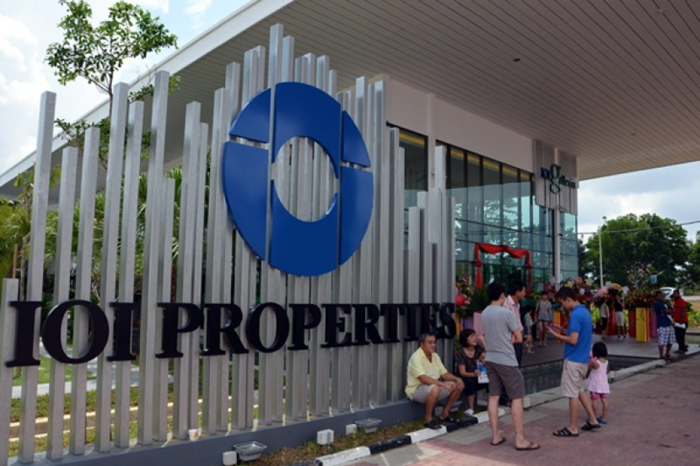
IOI Properties Group Bhd’s upcoming real estate investment trust (REIT) listing could act as a catalyst for further share price gains, despite the stock rising 17% year-to-date. The group plans two REIT listings in Malaysia and Singapore, with the Malaysian listing targeted for June 2026, according to UOB Kay Hian Research. Using a sum-of-the-parts framework, the research house estimates an additional 9% to 16% upside for IOI Properties’ share price, supported by continued yield compression among prime REITs in Malaysia. “Our calculation assumes an asset value of RM7 billion and a target valuation of 1.5 times price-to-book (P/B) for the REIT, in line with peers with prime retail assets, alongside a retained stake of 60% to 70%,” the report said. Post-listing, IOI Properties’ net gearing is expected to improve to 0.91–0.94 times from 0.97 times as of end-Q1 FY26, while implied FY26 P/B rises to 0.9 times from 0.7 times. UOB Kay Hian has set a RM3.50 target price for the stock. Hong Leong Investment Bank takes a more bullish view, assigning a RM4.15 target price, citing the group’s diversified presence across Malaysia, Singapore and China. A dealer noted the recent rally reflects growing market recognition of IOI Properties’ expanding recurring income base and longer-term REIT monetisation potential. “Over the past year, shares have gained 50% as investors re-rate the stock on strong overseas earnings momentum and expanding recurring income,” he said. At the time of writing, IOI Properties was trading around RM3.10 per share.

News

Micron Plans US$24b Memory Chip Factory In Singapore

U.S. memory chipmaker Micron Technology on Tuesday announced a US$24 billion plan to build a new memory chip fabrication facility in Singapore, aiming to boost output amid a global shortage. The investment comes as the chip industry races to meet surging demand for AI and data-driven applications, which has left sectors from consumer electronics to AI services facing tight memory chip supplies. A Micron logo appears in this illustration taken August 25, 2025. Micron said the new advanced wafer fabrication facility, scheduled for completion over the next decade, will focus on NAND memory chips. Production is expected to begin in the second half of 2028 in a 700,000-square-foot (65,000 sq m) cleanroom facility. Micron already produces 98% of its flash memory chips in Singapore and is building a separate US$7 billion advanced packaging plant for high-bandwidth memory (HBM) chips, used in AI applications, which is expected to start production in 2027. Analysts warn the memory shortage could continue into late 2027, despite new production lines planned by Micron and its main competitors, South Korea’s Samsung and SK Hynix. Last week, Micron revealed it is in talks to acquire a fabrication site from Powerchip in Taiwan for US$1.8 billion to increase DRAM wafer output. SK Hynix also recently announced plans to accelerate the opening of a new factory by three months and begin operating another facility in February, reflecting industry efforts to close the supply gap.

Investment & Market Trends

Anta Sports Buys 29% Of Puma For US$1.8b

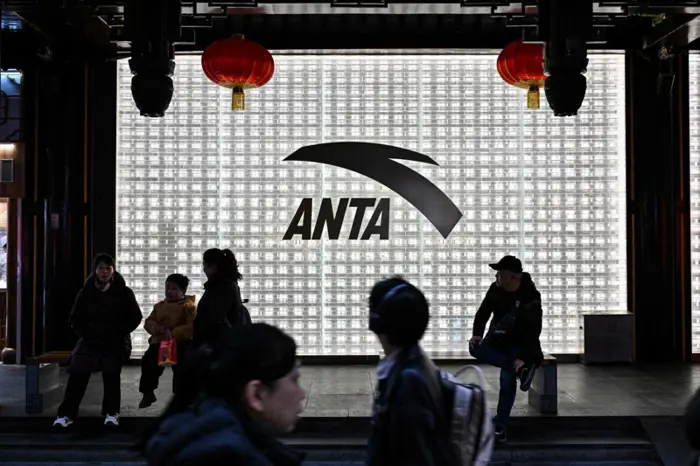
Anta Sports Products Ltd announced on Tuesday that it has signed a share purchase agreement with Groupe Artémis, the investment firm of the Pinault family, to acquire a 29.06% stake in Puma SE, the global sportswear brand behind Puma. The deal, valued at €1.5 billion (US$1.78 billion), represents a major step in Anta Sports’ strategy to expand its global presence in the sporting goods market. The transaction, expected to close by the end of the year, is subject to regulatory approvals and customary closing conditions. Anta said the acquisition will be fully funded through its internal cash reserves. People walk past an Anta store in the Huangpu district of Shanghai on January 27, 2026. Chinese athletic goods giant Anta Sports will buy a controlling stake in historic German sportswear brand Puma for 1.79 billion USD, a stock exchange filing showed, as it expands its international presence. Anta chairman Ding Shizhon said the deal makes Anta Sports Puma’s largest shareholder and aligns with the company’s “single-focus, multi-brand, globalization” strategy. “Puma’s iconic status and rich heritage provide a strong foundation for growth. This investment will help unlock the brand’s full potential and drive further global expansion, particularly in China,” Ding added. He noted that Anta remains confident in Puma’s management and strategic direction. “Our goal is to build a strong, trust-based partnership while maintaining Puma’s operational independence,” he said. As part of the acquisition, Anta will seek representation on Puma’s supervisory board to ensure alignment with both shareholders and employee representatives. Anta confirmed it has no immediate plans for a full takeover and remains committed to respecting Puma’s independent governance and corporate culture as a listed German company.

Investment & Market Trends

Greentronics Expands Into Thai Digital Insurance Market

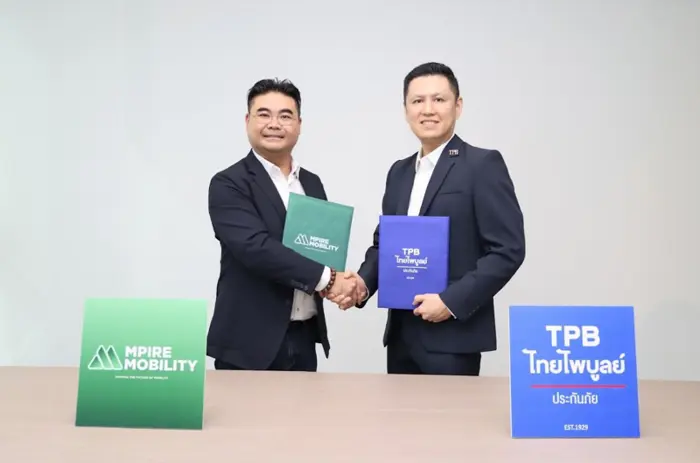
Greentronics Technology Bhd’s fleet management-focused subsidiary, Mpire Mobility Sdn Bhd, has formed a strategic partnership with Thai Paiboon Insurance Public Company Limited (TPB) to tap into rising cross-border travel between Malaysia and Thailand. In a statement, the group — which operates across property development and construction, fleet management and financing services — said the collaboration aims to introduce digital insurance solutions for Malaysian motorists travelling to Thailand. Greentronics Technology Bhd executive chairman Datuk Billy Goh Soo Wee (left) and Thai Paiboon Insurance Public Company Limited managing director Eugene Foong (right). TPB is a leading general insurer for Malaysian vehicles entering southern Thailand and holds the largest portfolio in this segment. Under the partnership, TPB’s Malaysian customers will gain access to Mpire Mobility’s one-stop automotive service, repair and maintenance platform, which connects vehicle owners directly to authorised workshops for servicing and repair. Greentronics executive chairman Datuk Billy Goh Soo Wee said the partnership marks a significant milestone for both Mpire Mobility and the group, as it enters Thailand’s digital insurance market. “Through this collaboration, we will continue to expand the Mpire Mobility business while capitalising on growing Malaysia-Thailand cross-border travel,” he said. Since its launch in 2024, Mpire Mobility has installed telematics systems in more than 1,000 vehicles and onboarded over 10,000 users onto its Jom MyServis ecosystem, he added. Meanwhile, TPB managing director Eugene Foong said the partnership underscores the insurer’s commitment to enhancing customer protection through digital innovation and practical cross-border solutions. By working with Mpire Mobility, TPB is able to extend its insurance services beyond national borders, offering Malaysian motorists travelling in Thailand greater clarity, confidence and support in the event of an accident. He added that the integration of digital platforms and coordinated aftersales processes will improve communication, streamline claims handling and deliver a more seamless customer experience.

News

Advancecon Bags RM82m Johor Earthworks Project

Advancecon Holdings Bhd has secured a RM82.09 million contract, boosting its order book and earnings visibility as the civil engineering specialist expands its presence in Johor’s rapidly growing industrial corridor. In a filing with Bursa Malaysia yesterday, the group said its wholly owned subsidiary, Advancecon Infra Sdn Bhd, had accepted a letter of acceptance from Southern Catalyst Sdn Bhd for earthworks, main drainage, ancillary works and related infrastructure under Phase 1 (Package 1) of the Southern Catalyst Innovation District in Kulai, Johor. The project is scheduled to begin on Feb 4 and is expected to be completed by May 4, 2027, providing revenue visibility over a 15-month construction period. Situated in Mukim Sedenak, the development is poised to benefit from increasing manufacturing activity, rising logistics demand and broader regional spillover effects. Managing director Phum Boon Eng said the contract reflects continued confidence in Advancecon’s execution capabilities and its strong track record in large-scale earthworks projects. The contract is expected to contribute positively to the group’s earnings over its duration, barring unforeseen circumstances.

News

Citi Plans Further Layoffs In March

Citigroup is expected to implement another round of job cuts in March, following the elimination of about 1,000 positions earlier this month, according to two sources familiar with the matter. The upcoming layoffs are likely to be announced after employee bonuses are paid. While the scale and locations of the cuts have not been disclosed, the plans have not been previously reported. Citi’s shares gained 65.8% in 2025, outperforming peers and an index tracking broader bank stocks by a wide margin. The reductions come as Citigroup chief executive Jane Fraser continues a broad restructuring effort aimed at cutting costs, addressing regulatory issues, and improving profitability to narrow the gap with rivals. One source said the March layoffs are expected to affect managing directors and other senior staff across multiple business lines. “Some senior managers have already been reassigned to different divisions to secure roles ahead of the headcount reduction,” one source said. Another source noted that many senior employees were also affected in the earlier round of cuts this month. The sources declined to be identified as they were discussing internal personnel matters. In a statement, Citigroup said it plans to continue reducing its workforce through 2026 as part of its ongoing transformation. “These changes reflect adjustments to ensure our staffing levels, locations, and skill sets are aligned with current business needs, efficiencies gained through technology, and progress in our transformation programme, which is nearing its target state,” the bank said. Citigroup chief financial officer Mark Mason said during an earnings call that the bank’s global workforce declined from 240,000 in 2022 to 226,000 by the end of 2025. He added that headcount reductions are expected to continue as the bank reassesses its expense trajectory, noting that severance-related costs totalled US$800 million last year. The latest job cuts, together with another reorganisation announced in November, represent the next phase of Fraser’s turnaround strategy. Fraser, who became CEO in 2021, received a one-time US$25 million equity award for progress on the overhaul and was elected chair of the board in October. In 2023 and 2024, Citigroup publicly announced major layoffs as it streamlined management layers and divested assets. However, the most recent reductions have been carried out more discreetly, according to a third source. The workforce cuts come as Citigroup begins to see regulatory relief. The US Federal Reserve has closed actions related to trading risk management weaknesses, while the Office of the Comptroller of the Currency withdrew a 2024 amendment to a consent order originally issued in 2020. Citigroup shares rose 65.8% in 2025, significantly outperforming peers and the broader banking sector. The bank also repurchased US$13.25 billion worth of shares last year. So far this year, Citi’s shares are down 0.8%.

ESG

Fitch: ESG Sukuk Market To Top US$70 Billion By 2026

Global outstanding environmental, social, and governance (ESG) sukuk is projected to exceed US$70 billion by the end of 2026, driven largely by strong momentum in emerging markets, according to a new report by Fitch Ratings. Fitch noted that ESG sukuk accounted for roughly 40% of emerging market ESG debt issuance in 2025, up sharply from 18% in 2024, highlighting the increasing role of Islamic finance instruments in sustainable funding. Issuance remains concentrated in Saudi Arabia, the UAE, Malaysia, and Indonesia. However, greater alignment with International Capital Market Association principles and increased US dollar-denominated issuance are expected to expand the investor base. “We expect ESG sukuk to maintain solid momentum into 2026, supported by sustainability mandates, net-zero targets, new frameworks, robust demand, and the upcoming COP31 in Turkiye,” said Bashar Al Natoor, Fitch’s Global Head of Islamic Finance. He added that while evolving sharia and ESG requirements, geopolitical risks, and potential greenwashing are concerns, the credit profile of the segment remains strong, with 92% of rated ESG sukuk at investment grade and no recorded defaults. Global ESG sukuk issuance rose over 60% to US$18.5 billion in 2025, led by Saudi Arabia, Malaysia, the UAE, and Indonesia. Outstanding ESG sukuk reached US$58 billion at the end of 2025, up about 30% from a year earlier, with roughly two-thirds denominated in US dollars. Fitch highlighted that sustainability and green sukuk remain dominant, while social, sustainability-linked, and climate-linked sukuk structures are emerging. Regulatory and policy support has also expanded, including tax exemptions for Sustainable and Responsible Investment sukuk in Malaysia and new sustainable finance frameworks across the Gulf region.

Scroll to Top

Subscribe
FREE Newsletter