Author name: admin

News

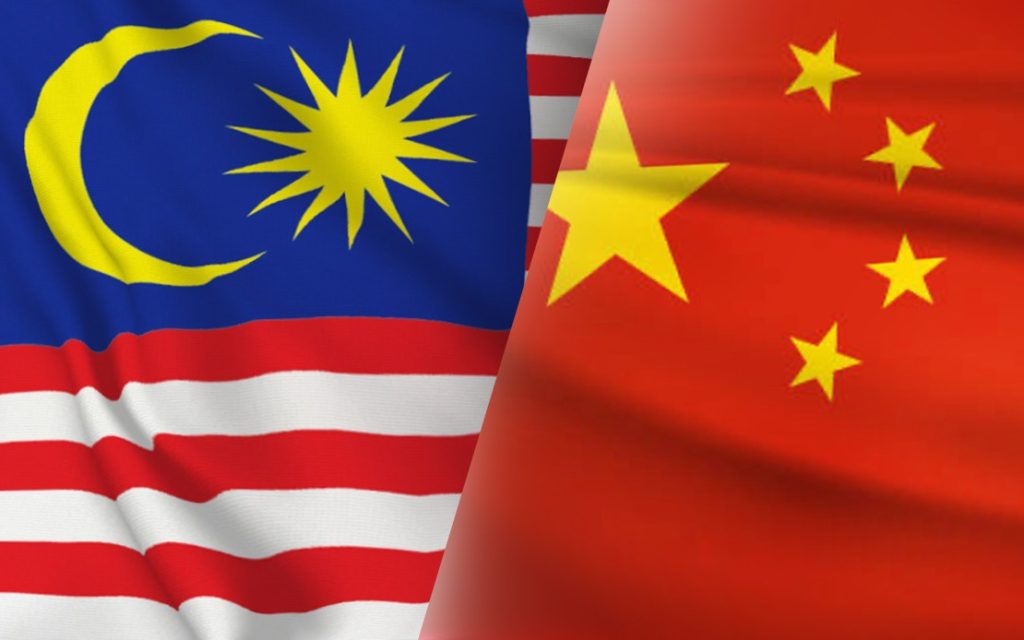
Chinese firms meet M’sian reps on US tariffs

KUALA LUMPUR: Chinese executives have been meeting top government officials in Malaysia to seek assurances they can avoid US tariffs if they relocate manufacturing to the country, according to a report by Financial Times. Manufacturers of products including battery, medical devices and semiconductor made the requests after the United States said it would raise tariffs on Chinese goods in order to protect American businesses, the report said, citing three unidentified people familiar with the matter. Chinese companies have shifted production to South-East Asian countries such as Malaysia, Vietnam and Thailand to avoid duties levied on some of their key export products. Executives from semiconductor firms have also asked if they could access sophisticated US chips, the report said. While the move has helped fuel higher foreign investments into the region, it has also brought exports from South-East Asia under greater US scrutiny. — Bloomberg

Investment & Market Trends, News

Embrace AI to Achieve Significant Productivity Improvements, Says Minister

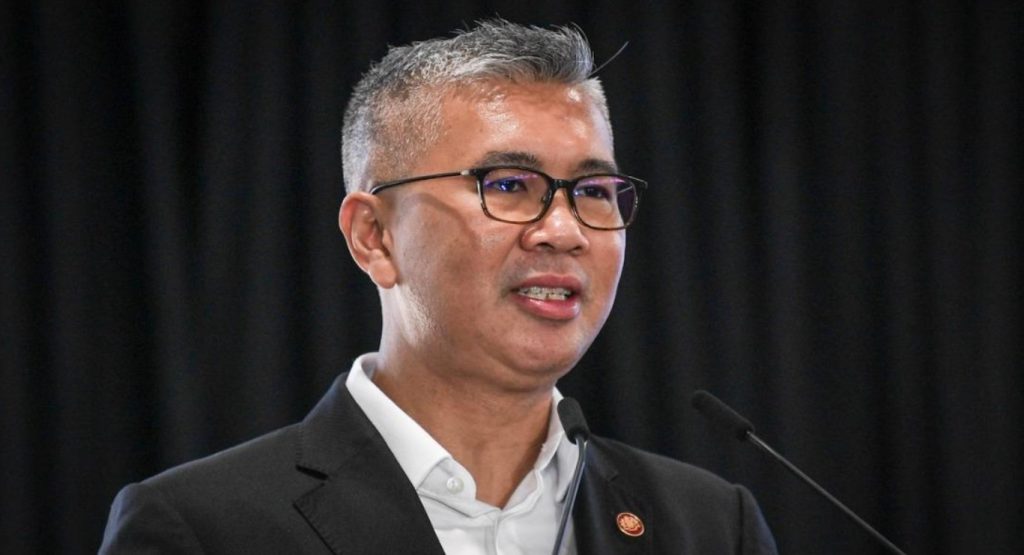
KUALA LUMPUR: Malaysia has the potential to greatly improve productivity through the adoption of artificial intelligence (AI), surpassing the benefits of digitalisation, said Investment, Trade and Industry (MITI) Minister Tengku Datuk Seri Zafrul Abdul Aziz. He said Al’s potential to simplify complex and mundane tasks boosts productivity and opens doors to creativity and strategic thinking. Alongside Al is the move to enhance research and development (R&D) to increase economic complexity by producing and delivering competitive products and services, enabling companies and economies to participate in higher-value global chains, he said. “In R&D, process innovation is as important as product innovation and critical to boosting productivity. Our competitors are fast catching up to us, we cannot afford to be unproductive,” he said in his speech at the launch of the Productivity Report 2024 by the Malaysia Productivity Corporation (MPC), which was read out by MITI secretary-general Datuk Hairil Yahri Yaacob. Tengku Zafrul highlighted that technology, regulation, and talent are critical drivers of productivity which is the essence of the Productivity Report 2024. He noted that the report recommends governments at all levels embrace good regulatory practice (GRP) and have the ease of doing business mindset, minimising shocks and unpredictability in regulatory compliance. “Businesses must embrace modern management and technology to reduce fixed and marginal costs. “At the same time, they must value and reward employees who continuously upskill or reskill, ensuring their competencies stay relevant in our rapidly evolving landscape,” said the minister. Meanwhile, Tengku Zafrul stressed that a comprehensive, whole-of-government approach is essential to address the multifaceted factors influencing competitiveness. These include talent management, public service delivery, digitalisation improvements, and the management of both the domestic economy and international trade, he said. Themed ‘Driving Malaysia’s Productivity’, the report noted that the country’s 2023 Iabour productivity per employee was positive, moderated to 0.9% compared with 2022’s jump of 5.4%. It said the country’s productivity level increased to RM96,692 per employee in 2023, rising slightly from RM95,858 in 2022. — BERNAMA

Experts

Could Concerts Be Transforming Food Factories in Singapore?

By Edith Tay, Executive Director and Founder of PropertyBank Pte Ltd With concert events injecting millions of dollars into Singapore’s economy – particularly benefiting sectors such as F&B and hospitality – the country is currently eyeing “concert economics” as its new growth driver. Having hundreds of thousands of fans flocking to Singapore for Taylor Swift’s concerts, for example, businesses experienced a significant boost in revenue. According to statistics from the Singapore Tourism Board (STB), there were 4,353,500 international visitor arrivals in the first three months of the year. This is a 50% increase from the same period last year and a 26% increase from the last quarter of 2023. The F&B industry witnessed a surge in demand, especially following Chinese New Year, traditionally a period of slower business activity. However, this time, the situation was markedly different, with businesses experiencing a boom. Even three-star hotels saw a considerable increase in rates, with all available accommodations quickly booked out. Concerts have a ripple effect on food factories We now see this symbiotic relationship between the entertainment and the economy but what does this have to do with food factories? The connection runs deeper than what you are thinking. The demand generated by major events like Taylor Swift’s concerts has a ripple effect that impacts various sectors, including food factories. Food factories play a crucial role in meeting the heightened demand for food and beverages during such events. They form the backbone of the food industry, supplying everything from hotel buffets to local delicacies like fishball noodles, snacks, beverages, meats, seafood, and even vegan products. Apart from that, Singaporean cuisine has also gained international recognition, with dishes like Hainanese chicken rice being enjoyed in cities worldwide. In addition to serving local demand, Singapore’s food factories also contribute to global food sustainability efforts. They ensure a steady supply of local produce, particularly crucial in the wake of lessons learned from the Covid-19 pandemic. Investing in food factories has proven to be a lucrative venture, with capital values soaring over the years. For businesses, owning a food factory can translate into substantial savings on rental costs. Over time, the appreciation in property value further enhances the investment’s profitability. Additionally, investing in food factories offers foreign investors an attractive alternative asset, free from Additional Buyer’s Stamp Duty (ABSD) and enjoying favorable tax conditions. In a real-life example, a humble fishball noodle store in Singapore, gradually expanded their operations to encompass several stalls. Eventually, they made the strategic decision to purchase a food factory. What ensued was a remarkable trajectory of growth and financial gain. At the time of their investment, the price per square foot for the food factory was below S$200. Fast forward 15 years, and the value had surged by over 200%. A rough glance at the transaction records from 2024 reveals that, had they chosen to cash out, they could have sold the property for more than S$600 per square foot. Let’s delve into the financial implications further. By owning their food factory, our clients reaped significant savings on rental expenses. Conservatively estimating an average rental rate of S$2.50 per square foot over the years (though, in reality, it’s often higher, exceeding S$3 per square foot monthly), the accumulated savings for a modest 2,200 square foot unit would approximate S$990,000 – nearly S$1 million. This highlights the importance of financial decision-making involved in investing in real-estate like food factories instead of a F&B business. For business operators, it presents an opportunity to secure long-term stability and financial growth. Investing in food factories? In light of this, it is undeniably a non-brainer decision to consider investing in food factories. For investors, the trend of escalating capital values over the years is well-documented. Whether you’re a seasoned investor or an eager explorer of new opportunities, investing in food factories presents a promising venture. Imagine what’s worth the value and time: starting an F&B business from scratch or investing in a food factory. By opting for the latter, you bypass the operational headaches of daily management while capitalising on the upward trajectory of capital values. Rental income from tenants can effectively cover mortgage payments, offering a steady stream of revenue. Food factories serve as an attractive alternative asset for foreign investors entering the Singaporean market. With no ABSD imposed and favorable tax conditions, investors can swiftly deploy their capital. With exciting events like concerts by Ed Sheeran, Sir Rod Stewart, and Deep Purple, Singapore continues to be a dynamic hub for entertainment and investment opportunities when it comes to the real-estate market.

Investment & Market Trends, News

Analysts Hold Positive Outlook for APAC Despite Global Economic Challenges

KUALA LUMPUR: Preqin, the global leader empowering the alternatives community with essential data and insight has published its Alternatives in APAC 2024 report, covering regional analysis and country-specific insights for Greater China, India, Japan, South Korea, and Australia. The report shows that while the short-term outlook for the Asia Pacific (APAC) region may appear cautious, driven by sluggish fundraising and geopolitical challenges, Preqin analysts maintain a positive outlook for the region over the long-term. Preqin Vice President and Head of APAC and Valuations, Research Insights, Angela Lai said the APAC region has not been spared from the global macroeconomic headwinds that plagued the global market in 2023. “But while the region’s fundraising may have reached a decade low and most country-specific funds struggled to raise capital, demand for Asia-regional funds grew amid investors’ stronger preference for diversification and reduced risk appetite,” she said in a statement. The report also highlights a clear trend where investors increasingly favour experienced fund managers, and first-time fund managers with the gap between the average capital raised by the two groups reaching its widest since 2015, at a staggering US$78 million (RM50.57 million) in 2023. In fact, experienced managers raised almost US$180 million (RM116.71 million) on average, the highest since 2015, while fundraising by first-time managers was over US$100 million (RM64.83 million). While most single country-specific funds struggled with fundraising, the total capital raised for Japan in 2023 was US$11.8 billion (RM7.65 billion), exceeding 2022 by 13.4%, mainly driven by some larger-than-usual private equity fund closures. Meanwhile, for India, Preqin analysts hold a positive long-term outlook for this market Private capital grew remarkably, doubling in the last 5 years to outpace other Asian countries, and private debt in India has the largest single-country assets under management (AUM) in APAC. The view is that long-term investors will continue to be attracted by the fundamental growth potential of emerging markets like India and Southeast Asia, where early-stage venture capital opportunities are in abundance, and the developed markets of Japan and South Korea with their attractive real estate markets. Additional key findings include global environmental, social and governance (ESG) fundraising fell by 38% from 2022 to 2023, and APAC was hit hardest, declining by 77%, with aggregate capital raised dropping from US$13.5 billion (RM8.75 billion) to US$3.1 billion (RM2.01 billion). The report finds that the North Asian office market is becoming a focal point for deals, whereby in 2023, office transactions accounted for 39% of total deal value and 53% of the total number of deals in APAC. — BERNAMA

News

WTCA Expects Malaysia’s Madani Economy Initiatives to Foster Sustainable Growth and National Competitiveness

KUALA LUMPUR: World Trade Centers Association® (WTCA®), an international trade organization connecting more than 300 World Trade Center® (WTC®) locations in nearly 100 countries, welcomes the adoption of Madani Economy by the Malaysian government and industry players. This new economic framework aims to restructure the nation’s economy and improve the quality of life for its citizens. The “Madani Economy: Empowering the People,” launched in July 2023, is manifested into a 10-year economic plan targeting a medium-term economic growth of 5.5% – 6.0%, primarily focusing on pursuing regional economic integration, transforming the domestic economy, and increasing national competitiveness. The economic goals are side-to-side with championing social justice by ensuring equal opportunities in jobs and education and establishing social protection for all.   “We believe WTCA and its global network can firmly support the Madani Economy initiative in its goals of increasing employment and raising the Malaysian Human Development Index through our various trade programs and the initiatives of our members such as World Trade Centre Kuala Lumpur (WTCKL). These programs help to facilitate two-way international trade and investment,” said Scott Wang, WTCA Vice President, Asia Pacific.   For its part, WTCKL recognizes the significance of the Madani Economy initiatives in fostering innovation, supporting entrepreneurship, and driving economic diversification in Malaysia. By encouraging the adoption of advanced technologies, enhancing research and development capabilities, and fostering a conducive ecosystem for startups and businesses, these initiatives have the potential to empower Malaysia’s economy, generate employment opportunities, and attract foreign direct investments (FDI).   As a local business hub, WTCKL also promotes international trade and attracts foreign direct investments into Malaysia by connecting local businesses with international organizations through global business forums and conferences. Its WTC Trade Service Sdn Bhd arm also offers trade service consultancies among other networking services.   For instance, WTCKL has hosted local events such as the Port Klang Free Trade Zone webinar in 2021 to encourage more foreign investments into Malaysia. The online webinar/forum was participated by more than 100 businesses who discussed leveraging Free Trade Zone policies for manufacturing and exporting of goods. Additionally, WTCKL offers a venue for training or solution companies to host their development programs, thus showing its support for the enhancement of human resource/skills development programs for the Malaysian workforce.    “WTCKL aims to be the preferred business events destination in Kuala Lumpur as it forges international connections that elevate Malaysia’s position on the world stage. The Madani Economy initiative serves as our guide in ensuring that ethical business practices, sustainability, and community engagement are fully implemented to support Malaysia’s economic growth. We expect that Malaysia will receive an estimated 100 million business travellers and possibly achieve an estimated economic revenue of USD 1 billion within 10 years,” said Dato’ Sri Dr. Hj. Irmohizam bin Ibrahim, Group Managing Director of WTCKL and WTCA Board Member.   In line with the Malaysian government’s economic growth policies, WTCKL pursues various certificate programs that enhance its services and practices in the business events industry. For instance, its Halal Certification Program contributes to the competitiveness of the business sector by allowing stakeholders to access a larger market of Muslim consumers, thereby increasing overall sales and revenues. WTCKL also obtained an ISO 37001:2016 Anti-Bribery Management System (ABMS) certification from NIOSH Certification Sdn Bhd in support of the Madani Economy’s good governance push. This system identifies and manages bribery risks, enhances organizational efficiency, and builds trust in international business relationships. The implementation of ABMS also aligns with the core values of the Madani Economy to create a more resilient Malaysian economy.   In addition to WTCKL’s sustainable growth programs, WTCA recently announced its “Road to 500” initiative to expand its global network to an important milestone of 500 members over the next decade. “We see Southeast Asia as one of the priority markets for us to continue to expand our global footprint and further contribute to prosperity in the region,” said Mr. Wang. With WTCA’s growing network and the Madani Economy initiative’s push towards inclusive growth over the next 10 years, WTCKL aims to facilitate the expansion of more local business players abroad and to improve on their global connectivity. This will in turn help Malaysia strengthen its position as a leading economy in the ASEAN region.

Energy & Technology, News

Govt Targets 25.5% GDP Contribution From Digital Economy by End-2025

SUBANG JAYA: The digital economy is projected to contribute 25.5% to the gross domestic product (GDP) by the end of next year, up from the current 23%. Digital Minister Gobind Singh Deo expressed optimism in surpassing this target, attributing it to the government’s comprehensive infrastructure preparations, including expanding internet access to facilitate broader online participation. “It will depend on how fast we adopt technology and how much we can do to improve our digital economy. I believe it’s an achievable goal,” he said. In his speech, Gobind said the fast-growing digital economy has enormous potential to elevate Malaysia’s standing in the global economy and drive national revenue. He urged other industry players to follow MYDIN’s lead in adapting to and integrating with current economic trends, thereby contributing to the advancement of the country’s digital economy. Meanwhile, MYDIN managing director Datuk Wira Dr Ameer Ali Mydin said the initiative underscores MYDIN’S readiness to embrace the digital era and reinforces the company’s commitment to the rapidly evolving fintech landscape. “With over six decades in the industry, we are committed to ensuring our loyal customers enjoy a seamless shopping experience through innovative business solutions. “This integration of advanced fintech solutions aims to set a new standard for retail convenience and digital engagement,” he said. To mark the launch, MYDINPay is offering an RM5 voucher for the first 1,000 early app users, and a 5% cashback for the initial 3,000 customers who spend RM150 or more using the app at any MYDIN branch. — BERNAMA

News

MAHB-GIP Deal ‘Crucial For The Country’

KUALA LUMPUR: Despite controversy surrounding a deal between Malaysia’s airport operator and US investment giant BlackRock, Malaysia remains open to business, including with its largest investor, the United States, Prime Minister Datuk Seri Anwar Ibrahim stated. Speaking to business leaders from the American Malaysian Chamber of Commerce (Amcham), the Prime Minister emphasized the importance of the partnership between Malaysia Airports Holdings Bhd (MAHB) and New York-based Global Infrastructure Partners (GIP). “We made it clear that Malaysia must remain an open trading nation. The collaboration between MAHB and GIP is critical to us. As a government, we will support this collaboration,” Anwar said at the 47th Amcham annual general meeting yesterday. GIP, along with the Abu Dhabi Investment Authority, plans to acquire a 30% stake in MAHB’s privatization. The remaining 70% will be owned by Khazanah Nasional Bhd and the Employees Provident Fund. The deal faced criticism from Opposition politicians after it was revealed that GIP is in talks to be sold to BlackRock, a firm with reported investments in Israel. Anwar acknowledged the sensitivity of the BlackRock connection among Malaysians, given the country’s strong support for Palestine. “Most are not aware of how sensitive this issue is. Locally, people cast aspersions and made allegations about our decision. In Parliament, I provided facts showing how Malaysia has benefited immensely from overseas investments,” he said. Anwar reiterated that the United States is Malaysia’s largest investor, welcoming growing investments from Germany, the Netherlands, and China. He also clarified in Parliament that the management of GIP will remain independent of BlackRock. GIP confirmed in a June 21 statement that BlackRock will not be involved in MAHB’s privatization. On a lighter note, Anwar humorously suggested that a minor Cabinet reshuffle might be necessary if Malaysia’s standing does not improve in the World Competitiveness Ranking (WCR) next year. Malaysia recently slipped seven places to 34th out of 67 countries, partly due to delays in restructuring fuel subsidies. During the dialogue session, Anwar urged Amcham members to focus on technology transfer and training in addition to investing in Malaysia. He also discussed plans for Malaysia’s upcoming chairmanship of ASEAN, including the introduction of a regional digital policy, currently under review by a team led by Investment, Trade and Industry Minister Tengku Datuk Seri Zafrul Tengku Abdul Aziz.

News

EA Technique Shareholders Approve Regularisation Plan, To Receiving RM79.6 Mil to Strengthen Financial Position

KUALA LUMPUR: EA Technique (M) Bhd (EATech) shareholders have approved the issuance of up to 795,750,000 shares and the exemption for Datuk Wira Mubarak Hussain Akhtar Husin and Voultier Sdn Bhd (VSB) from the obligation to undertake a mandatory take-over offer at the extraordinary general meeting (EGM) held on 24th June 2024. The shareholders’ approval marks a pivotal step in EATech’s efforts to regularise its financial status. The share issuance will raise RM79.6 million for the company, representing approximately 60.0 per cent of the enlarged share capital. Following this corporate exercise, VSB will emerge as the largest shareholder with a 51% stake in EATech. VSB is 70 per cent owned by Wira Mubarak and 30 per cent held by Kinergy Advancement Bhd executive deputy chairman and group managing director Datuk Lai Keng Onn. EATech is a Bursa Malaysia main market-listed prominent marine transportation and offshore storage company. EATech chief executive officer Nasrul Asni Muhammad Dain said the company deeply appreciates the shareholders’ support and the confidence VSB has shown in EATech’s enduring vision. “This strategic investment underscores their faith in our ability to make strides towards potential in the marine transportation and offshore storage sector. “The provided capital will solidly back a healthy our regularisation strategy and catalyse future growth,” he said in a statement. He said that upon successfully completing the proposed regularisation plan, EATech’s immediate strategic priority is to expediently uplift the PN17 status to reaffirm EATech as a resilient and thriving entity. “Our turnaround plan was a pivotal milestone in demonstrating our sustained profitability over 7 consecutive quarters from the third quarter (Q3) of 2022 to the first quarter (Q1) of 2024,” he said. Described as ‘white knights’ entering EATech, Wira Mubarak and Lai’s vast experience positions them to bring valuable resources to the company. Wira Mubarak said he and Lai recognise the immense potential in EATech. “VSB is here for the long haul. Our goal is to expand the company and deliver substantial value to our shareholders. “By leveraging our resources and expertise, we aim to strengthen the essential core of EATech’s current business. “We aim to transform its vision into a leading entity in the marine transportation and offshore storage industry, thereby enhancing shareholder value along the way,” Wira Mubarak said. The proceeds from the shares issuance are earmarked for the company’s financial obligations, namely RM31.0 million for scheme creditors, RM26.0 million for Sindora, and RM19.7 million for general working capital over the next 24 months. EATech expects to recognise a one-off net income of approximately RM127.4 million from the debt waivers, significantly improving financial health with a net tangible asset (NTA) increasing from RM57.4 million to RM261.6 million. “With the national oil company Petroliam Nasional Bhd (Petronas) planning significant investments in exploration, development and production, EATech is well-positioned to benefit from increased demand for its services,” Wira Mubarak added. EATech’s marine transportation activities involve transporting petroleum products, light cargoes, and personnel using various charter arrangements, including time charters, bareboat charters, and spot charters. The company operates 26 vessels, including product tankers, offshore support vessels (OSVs), and a floating storage and offloading (FSO) vessel.

Investment & Market Trends

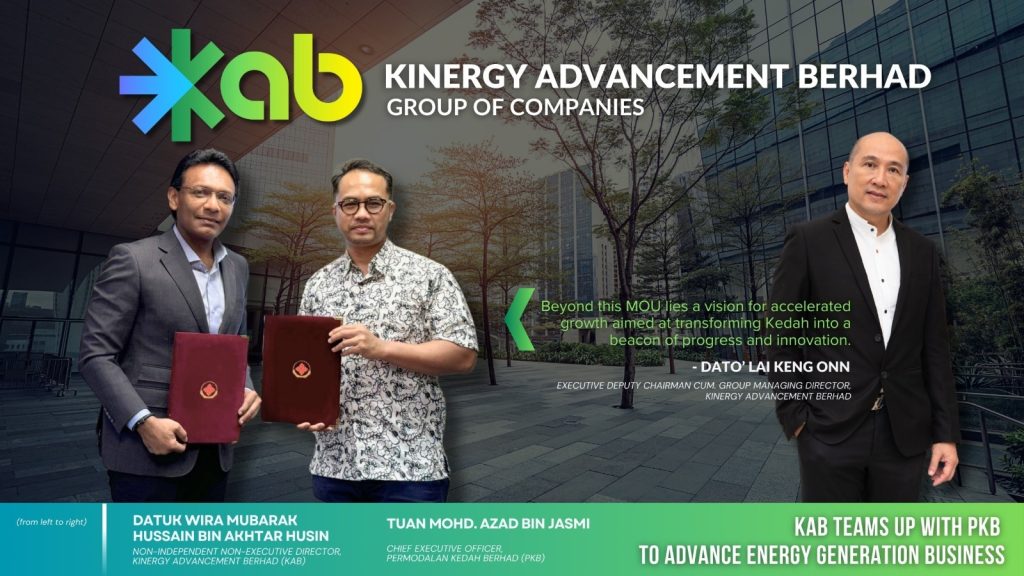
Kinergy Advancement Teams Up with Permodalan Kedah To Advance Energy Generation Business

KUALA LUMPUR: Kinergy Advancement Bhd’s (KAB) wholly-owned subsidiary, KAB Energy Holdings Sdn Bhd (KEH), signed a memorandum of understanding (MoU) with Permodalan Kedah Bhd (PKB), a state-owned investment company in Kedah. This partnership, signed on June 19, 2024, will see both entities jointly work towards the realisation of clean, renewable energy projects by integrating their combined technical expertise and extensive business acumen. KAB executive deputy chairman and group managing director Datuk Lai Keng Onn expressed his optimism about this collaboration. “This partnership embodies a shared vision between KAB and PKB. Beyond this MoU lies a vision for accelerated growth to transform Kedah into a beacon of progress and innovation. “KAB values PKB’s dedication to advancing the state through innovative technologies that prioritise environmental impact reduction alongside achieving energy conservation, stability and resilience in line with Kedah’s sustainable development objectives,” he said in a statement. PKB will lead efforts in identifying potential land for renewable energy projects and assisting in obtaining project licensing and authorisation responsibilities. KEH, on the other hand, will assume the technical responsibilities, utilising its broad experience in the energy sector. PKB chief executive officer Tuan Mohd Azad Jasmi said the agency seeks to integrate its strategic land and resource management capabilities with KAB’s expertise in energy and engineering to advance sustainability-focused technologies. “Through this collaboration, we aim to foster substantial transformative impacts that support sustainable progress in Kedah, focusing on feasible energy project development,” he said. This collaboration aims to synergise the strengths of KAB and PKB in developing various energy generation projects across Malaysia, with a primary focus on Kedah. The MoU focuses on deploying clean energy (cogeneration, waste heat recovery), renewable energy (solar plant/farm and floating solar, rooftop solar PV, waste-to-energy, hydroelectric), energy-efficient (building management systems, chiller optimisation) solutions, and engineering scope of works (infrastructure and internal building works). PKB and KAB have forged a forward-thinking partnership that explores new opportunities, including implementing battery storage systems and solutions, district cooling systems for existing and new buildings and assets, and a commitment to further cooperation in sharing resources and information. Through this cooperative effort, KAB seeks to expand its market presence in a progressive Malaysian state, enhance its sustainable energy portfolio, and strengthen its position as a one-stop energy and engineering solutions provider. Recognising PKB’s trust, KAB is privileged to collaborate with PKB to pursue mutual objectives, generate new opportunities for both entities and contribute to the state’s economic and environmental goals. “Together, we aim to establish a model of innovation and sustainability that benefits both our stakeholders and the communities we serve,” Lai said, citing the MoU signing as evidence of the company’s ongoing success as a key energy player.  

Investment & Market Trends

Japan’s Ayudante Acquires Sparkline, Digital Marketing Company With Strong Malaysia Presence

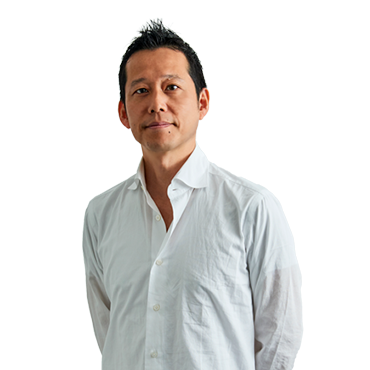
KUALA LUMPUR: Ayudante, the Japan-based leading digital marketing and digital measurement consulting agency dedicated to helping clients use data to drive business in the digital age, today announces its acquisition of Sparkline, a Singapore-based independent digital marketing business and pioneering Certified Partner and Reseller of Google Marketing Platform (GMP), making Sparkline a wholly-owned subsidiary of Ayudante. Sparkline has the sales rights for Google Marketing Platform and has a strong business in Malaysia. This acquisition marks a significant regional milestone, showcasing a successful example of a regional acquisition by a Japanese company and bolstering confidence in the ability of regional companies to exit to international buyers. Sparkline, one of the first Google Marketing Platform Certified Partners and Resellers in Asia, has established a reputation for its industry-leading expertise in data utilization consulting. Ayudante, the first Japanese Google Marketing Platform Certified Partner and Reseller, has been expanding its international team to support the global business expansion of its Japanese clients. The acquisition of Sparkline by Ayudante underscores the increasing interest of multinational companies in Southeast Asia’s dynamic tech ecosystems. With Malaysia being a critical market in this region, businesses can now access Ayudante’s certified services of Google Marketing Platform. This is in line with the growing demand for data analytics and digital marketing solutions in Malaysia, driven by the government’s emphasis on digital transformation and the adoption of advanced technologies across various sectors. Hiroshi Yasukawa, CEO of Ayudante, said: “I am pleased to be partnered with Sparkline, which has the longest history in our business field in Singapore. Together, we aim to become the top GMP reseller in the Asia Pacific region.” Aleetza Senn, CEO and founder of Sparkline, said: “Sparkline has always been about providing bespoke and agnostic analytics services to businesses using digital data for customer and marketing growth. This alignment with Ayudante is really exciting and helps us scale that vision to many more businesses in the region, especially at a time when the industry is being disrupted due to privacy regulations and change.” Besides the Google Marketing Platform business, the collaboration will also focus on SEO across multiple languages and digital marketing. The companies’ developers will work together to enhance data development, automation related to tags, and digital marketing services in the era of GenAI. This strategic move is timely for Malaysia, where businesses are increasingly relying on sophisticated data analytics and automation to stay competitive. The names of the respective companies will not change, and the conditions of the acquisition have not been publicly disclosed. Following the acquisition, Naohiro Yamaura, COO of Ayudante, will assume the position of Chairman of the Board at Sparkline under the new management structure. He is one of the most successful figures in the Google Marketing Platform business in Japan, having authored eight books and leading the industry. Moving forward, Yamaura will collaborate with CEO Aleetza to accelerate Sparkline’s growth in the Malaysia market.

Scroll to Top

Subscribe
FREE Newsletter