Author name: admin

News

Bursa Malaysia Appoints New Independent Non-Executive Directors

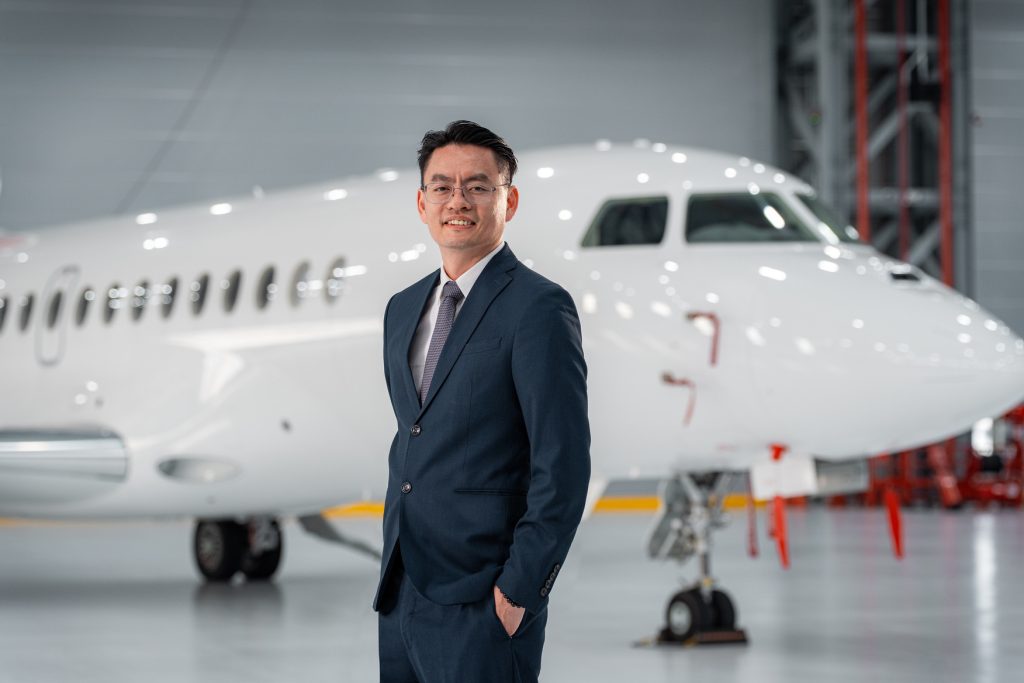
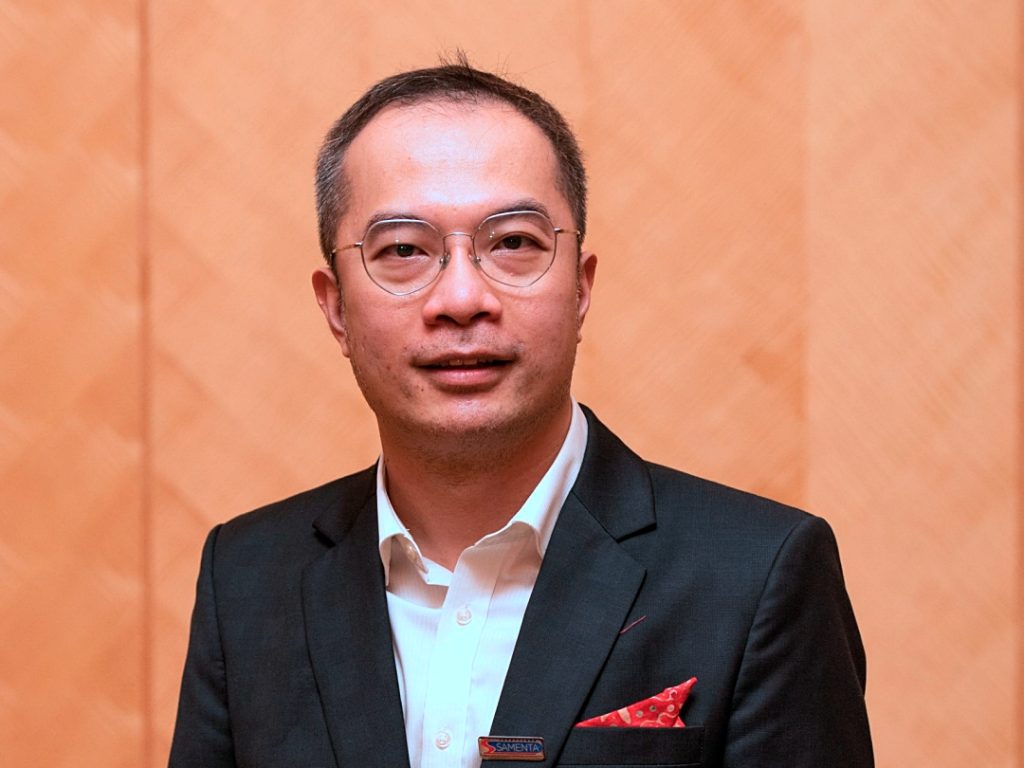
KUALA LUMPUR: Bursa Malaysia has appointed Redza Goh Aik Meng and Sharifatu Laila Syed Ali as independent non-executive directors effective March 27, 2024. Redza Goh brings extensive experience spanning 39 years in information technology (IT) and digitalisation, with a focus on driving business and organisational transformations. He most recently served as digital and technology advisor for Dialog Bhd until February 2023. Before this role, he was the vice president and group chief information officer of Petroliam Nasional Bhd, where he led significant digital and IT initiatives. He spent the majority of his earlier corporate years at Accenture, before retiring as the managing director and chief executive officer of Accenture Malaysia in 2014 after 26 years of service. Redza Goh graduated with a Bachelor’s degree in Computation from the University of Manchester Institute of Science & Technology (UMIST). Meanwhile, Sharifatu rejoins the Bursa Malaysia board with her wealth of experience in investment management and capital markets. She was previously a public interest director and independent non-executive director of Bursa Malaysia from October 1, 2020, to August 16, 2023. With a career that spans over 30 years, she has held key positions in notable Malaysian financial institutions, including roles at Permodalan Nasional Bhd (PNB), the Employees Provident Fund (EPF), and Lembaga Tabung Haji. She was also the chief executive officer of ValueCap from 2002 until 2018. Sharifatu graduated with BSc (Hons) in Science from Universiti Kebangsaan Malaysia and a Master of Business Administration from the University of Malaya. She has also completed the Advanced Management Programme at Harvard Business School. She is currently an independent non-executive director of YTL Corporation Bhd and a member of the investment committee of University of Malaya. Bursa Malaysia chairman Tan Sri Abdul Wahid Omar said Redza Goh and  Sharifatu’s appointment as independent non-executive directors marks another deliberate effort in the exchange’s journey towards continually strengthening the board’s expertise and diversity as Bursa Malaysia progresses as a multi-asset exchange. “Redza Goh’s illustrious career in IT and digital transformation will serve us well as the exchange deepens efforts to augment customer experience and achieve efficiencies through further digitalisation and new technologies. “Equally, Sharifatu’s return enriches our board with her vast experience in investment management and capital markets. “Her familiarity with Bursa Malaysia’s strategic priorities, combined with a fresh perspective from her recent experiences align perfectly with our intent to fulfil the exchange’s purpose. “We are confident that a strong and committed board guides Bursa Malaysia to help move the exchange forward and into a stronger position as we navigate an increasingly competitive market landscape, propelling us towards innovation, sustainability, and capital market excellence. “Together, we look forward to fulfilling our mission of creating opportunities and growing value for our wide-ranging stakeholders, the marketplace and the nation,” Abdul Wahid said. He also acknowledged Chong Chye Neo’s contribution as she retired from the board. “We thank Chong for her service and guidance to Bursa Malaysia. She has been an invaluable member of the board, and we wish her all the best in her future endeavours,” Abdul Wahid said. Chong retired as an independent non-executive director effective March 27, 2024, after serving Bursa Malaysia for over five years since December 21, 2018.

News

Takaful Sector Pays RM8.74Bil In 2023

KUALA LUMPUR: Domestic takaful operators paid RM8.74 billion in 2023, while family takaful paid RM6.79 billion in benefits. In a statement, the Malaysian Takaful Association (MTA) said the general takaful disbursed RM1.95 billion for 2023. This payout uptick of 24.40 per cent demonstrates the takaful industry’s responsiveness to emerging needs and dedication to promptly assisting certificate holders. This payout comes from the family takaful gross contribution of business in force, which grew 7.55 per cent to RM8.97 billion, compared to RM8.34 billion in 2022. The number of certificates in force in 2023 was stable at 6.60 million, shy of the 6.63 million recorded in 2022. Throughout the year, the family takaful business added 1.13 million new certificates with a corresponding gross contribution of RM9.59 billion but could not reach the high 1.31 million new certificates and RM10.06 billion gross contribution registered in 2022. Although this figure was slightly lower than the previous year, MTA underscores the sustained interest and trust in takaful protection among the rakyat. MTA chairman Elmie Aman Najas said the importance and benefits of takaful are gaining greater traction, as evidenced by the consistent in-force certificates following a strong year in new certificates in the previous year. “This signifies that participants continue to fulfil their contribution obligations, indicating a sustained awareness of financial planning and retention among participants. The industry-wide awareness initiatives are translating to tangible outcomes, with takaful products continuing to be a preferred option,” he said. Performance-wise, Elmie Aman said the three-year numbers indicate a normalisation in the industry in 2023 after a year of strong post-pandemic growth in 2022. “The family takaful penetration rate in 2023 held relatively steady at 19.58 per cent, even as the population grew by 678,500 people, outpacing that of 2022 and was a record 10-year high growth,” he said. In 2022, the penetration rate was 20.06 per cent, and population growth was 401,600 persons. The general takaful business continued its upward trajectory in 2023, with a 17.44 per cent increase in gross written contributions to RM5.45 billion from RM4.64 billion. The gross direct contribution also increased 17.40 per cent to RM5.44 billion from RM4.64 billion a year prior. These contributions are primarily attributable to the robust performance of motor takaful, which expanded 18.70 per cent to RM3.64 billion, and remained a key driver of general takaful. This performance aligns with an all-time high of 799,731 new motor vehicles sold in the year due to promotional campaigns and new model launches. Increased awareness and appreciation for takaful products and ease of participation via digitalised solutions have resulted in motor takaful accounting for 66.94 per cent of the general takaful business. MTA said general takaful operators are agile and have adapted to the uptake in electric vehicles (EVs) by introducing innovative motor takaful for EVs. The tailor-made products help the operators gain ground and support the overall National Energy Transition Roadmap, which aims to have 20 per cent of all vehicle sales be xEVs by 2030 and 50 per cent by 2040. Other lines of business also recorded strong growth as post-pandemic recovery continued, particularly those linked to logistics, as trade picked up pace. Aviation performance grew 146.04 per cent, recording RM13.81 million gross direct contribution for 2023, while cargo rose by 79.09 per cent to RM30.85 million. Marine hull improved by 45.89 per cent to RM15.07 million. The construction sector’s recovery in 2023 helped contractor’s all risks and engineering achieve a 44.00 per cent or RM71.32 million improvement, bringing its total to RM233.42 million for the year. In terms of channels, agency and bancatakaful remained the key contact points, with new businesses’ total contribution standing at 34.03 per cent and 29.99 per cent, respectively. MTA expects the takaful industry to maintain a steady momentum in 2024, reflecting Malaysia’s overall economic expansion forecast. The industry is united in its commitment to accessible and affordable takaful protection for the rakyat as part of its efforts to support the country’s economic development. In line with this, MTA announced its four-year strategic transformation plan to elevate and innovate takaful to be a household name in Malaysia and inspire a new generation of participants. The mandate is to make takaful more relevant, accessible, and impactful. Named Hijrah27, the strategic transformation plan embraces change with purpose and aligns MTA’s mission with the visionary goals of the Financial Sector Blueprint 2026 and the industry’s Value-Based Intermediation framework. Hijrah27 is the continuation of the successfully concluded MTA Reform Plan 2022-2023, known as ISLAH 23. It will guide the industry and the overall Islamic ecosystem in working together to advance takaful. While Hijrah27 is still undergoing finalisation, MTA envisions it will provide impetus to maintain the growth momentum of takaful towards becoming a leader in Malaysia. There will be continued emphasis on collaborations, comprehensive awareness, product and service innovations, and the expansion of the takaful’s role in the whole ecosystem to widen protection and meet the underserved and underserved rakyat at their level of need to ensure every Malaysian has a safety net.

Investment & Market Trends

Kelington Initiates Second Plant, Boosting Liquid Carbon Dioxide Production

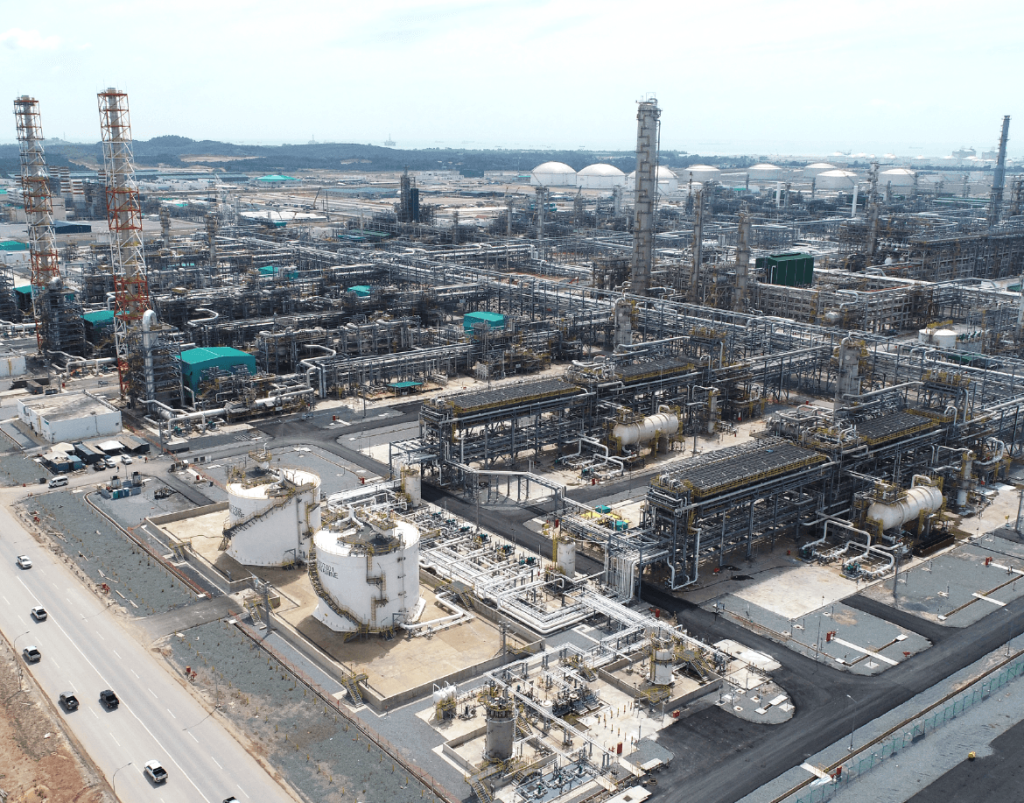
KUALA LUMPUR: Integrated engineering solutions provider Kelington Group Bhd (KGB), through its 90.71 per cent owned subsidiary Ace Gases Sdn Bhd (AGSB), has commenced liquid carbon dioxide (LCO2) production at the company’s second plant in Kerteh, Terengganu. The plant has a production capacity of 70,000 tonnes per year. The latest commencement brings KGB’s production capacity of LCO2 to 120,000 tonnes per year. At the LCO2 plant, CO2 waste gas sourced from the Petronas gas processing plant is purified and converted into food-grade LCO2, which is used across diverse applications, particularly in the Food and Beverage (F&B) sector for the production of carbonated drinks and the creation of dry ice for food freezing. KGB chief executive officer Ir Raymond Gan said the company first ventured into LCO2 manufacturing with the commencement of the first plant, with a production capacity of 50,000 tonnes per year, in October 2019. “Having reached its full capacity, this expansion enables us to stay ahead of the growing market demand. “Commencement of the second LCO2 plant will position us for further revenue growth from our industrial gas segment as we now have the capacity to meet rising demand effectively,” he said in a statement. He said the prospects of its LCO2 manufacturing business are promising, especially as the closure of petrochemical plants overseas due to environmental concerns has led to a global shortage of LCO2, which is essential in many industrial processes. “Over 70 per cent of KGB’s LCO2 is currently exported, serving markets in Singapore, Australia, New Zealand, Fiji, Indonesia and the Philippines. “The enhanced capacity allows us to further broaden our market footprint, both within these existing territories and into new regions,” Gan said. In addition to the manufacturing facilities, KGB has a robust support infrastructure, including storage tanks and a fleet of vehicles. This facilitates the secure and efficient distribution of LCO2 both domestically and internationally. KGB’s strategic diversification into engineering services and industrial gas manufacturing ensures a balanced portfolio for long-term sustainability. While engineering services offer project-based revenue, the industrial gas segment promises a steady, recurring income, enhancing KGB’s financial resilience and growth potential across various market conditions and sectors. By balancing across both segments, the company can capitalise on opportunities across different market cycles and sectors.

News

Domestic Capital Market Remained Resilient In 2023, Registered Growth Of 5.6P To RM3.8tri

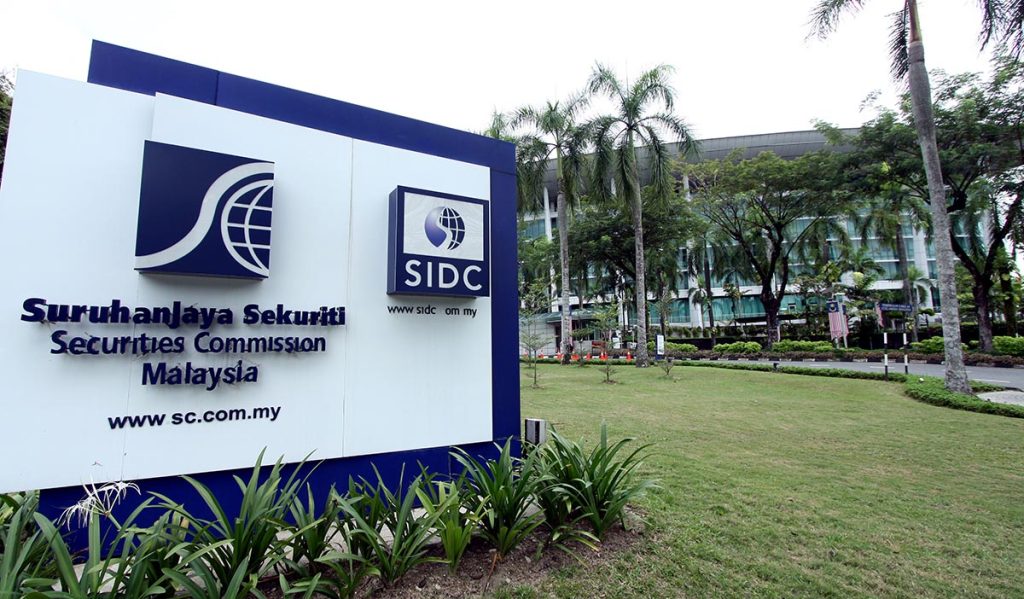
KUALA LUMPUR: The Securities Commission Malaysia has emphasised its commitment to advancing Malaysia’s capital market and supporting its transition towards a low-carbon economy. The capital market regulator is looking to refine the Sustainable and Responsible Investment (SRI) Taxonomy and develop the National Sustainability Reporting Framework to guide industry participants towards aligning with global sustainability standards. In addition, the SC is conducting a comprehensive review of the Capital Market Services Act 2007 (CMSA) and the Securities Commission Malaysia Act 1993 (SCMA) to ensure their relevance and keep up with market changes. In releasing the Annual Report 2023 on Monday, SC said the domestic capital market remained resilient in 2023, with the size of the market growing by 5.6 per cent to RM3.8 trillion from RM3.6 trillion registered in 2022, driven by the growth in total equity market capitalisation and bonds and sukuk outstanding. SC said the fund management industry also grew strongly, with total assets under management (AUM) hitting a new high of RM975.5 billion in 2023 from RM906.5 billion in 2022 due largely to the positive valuation effect. The SC also released the Audit Oversight Board Annual Report 2023 (AOB Report 2023), and the Capital Market Stability Review 2023 (CMSR 2023). SC chairman Datuk Seri Dr Awang Adek Hussin said the strong capital market performance was achieved despite global economic challenges and diverging expectations of monetary policies in major economies. “2023 also holds special significance as it marks SC’s 30th anniversary, a major milestone that underscores the growing maturity and resilience of the institution. “The SC remains unwavering in our resolve to strengthen our regulatory framework and uphold market integrity, not least because we continue to be measured against global regulatory standards,” he said in a statement. Other key highlights of the annual report 2023 include moderate fundraising in the equity and corporate bond market, which moderated to RM127.7 billion in 2023 from RM179.4 billion in 2022. This was due to a decline in corporate bonds and sukuk issuance to RM118.3 billion from RM153.3 billion posted in 2022 due to lower refinancing demand and secondary equity fundraising, which stood at RM5.8 billion from RM22.6 billion in 2022, returning to pre-pandemic levels. Further, initial product offerings (IPOs) improved to RM3.6 billion in 2023 from RM3.5 billion in 2022. Alternative financing activities posted encouraging growth and continued to support the funding needs of micro, small and medium enterprises (MSMEs), with total funds raised amounting to RM3.8 billion in 2023 from RM3.0 billion in 2022. SC also noted that the equity crowdfunding (ECF) and peer-to-peer financing (P2P) platforms have allowed over 15,000 MSMEs to raise more than RM6 billion since inception. Although the benchmark FBM KLCI declined by 2.7 per cent, other market indices ended positively in 2023, reflecting investors’ interest in firms with higher growth potential, particularly the mid-and small-cap segments. SC noted that currently, the domestic equity market is among the best-performing markets in the region, with the FBM KLCI gaining almost 7.0 per cent as of March 12 of this year. The Malaysian Islamic capital market (ICM) grew 4.5 per cent to RM2.4 trillion in 2023, with sukuk outstanding growing by 7.4 per cent and Shariah-compliant equities by 1.5 per cent. SC said the agency has issued the Maqasid Al-Shariah Guidance to strengthen the ICM’s competitive advantage and bolster its societal and economic impact. This is the first time such guidance has been used in the capital market. In 2023, the SC secured five criminal convictions and RM8.7 million in fines, and RM4.8 million in civil penalties imposed by the courts. The SC also disgorged RM13.8 million according to regulatory settlements with 6 persons in separate cases. Additionally, 140 administrative sanctions were imposed, resulting in the SC imposing fines and penalties amounting to RM19.5 million. Moving forward, SC will also soon launch a 5-year MSME Roadmap, which aims to provide increased access to the capital market for MSMEs. The SC will continue to enhance investor protection. This involves rigorous surveillance against unlicensed activities. In addition, the SC is also reviewing the regulatory framework governing fundraising by unlisted public companies (UPCs). To combat the risk of money laundering and terrorism financing, the SC continues to step up efforts in supervision and industry controls to ensure regulatory effectiveness of the anti-money laundering (AML) regime, and support the preparation of the Financial Action Task Force Mutual Evaluation in 2025.

News

WORQ To Open Two New Outlets This Year

KUALA LUMPUR: Coworking and flex space provider WORQ will open two new outlets this year and is on target to achieve 100,000 sq ft space by year-end. Co-founder and chief executive officer Stephanie Ping said the two new outlets will be in Ampang Park and Kwasa Damansara, focusing towards connecting all of Klang Valley via transit-oriented coworking spaces. “By providing strategically located flex-offices at transit-oriented developments, mainly along train stations, we are not only supporting a sustainable commuting culture but also empowering our transit system with productive working communities and by commuting between the transit lines daily, this increases the usage of our public transport system. “Many of our coworking members have switched from driving to taking the trains to work and are more productive now, not just while they work in our spaces, but on the way to work, in between meetings all over town, and on their way back home,” she told reporters in a media briefing on Monday. WORQ officiated its latest coworking space in Sunway Putra Mall on the PWTC LRT train line. Spanning 20,000 square feet, this new upcycled coworking space stands as WORQ’s eighth outlet, and its seventh outlet in Klang Valley’s intercity transit rail system, WORQ is achieving its plans towards connecting all of Klang Valley via transit-oriented coworking spaces. Transport minister Anthony Loke, who officiated the new outlet, said WORQ’s collaboration with Sunway Group and Prasarana Malaysia Bhd exemplifies Malaysia’s shift towards a transit-oriented community by connecting workspaces with transit lines. “This strategic initiative makes commuting more efficient and contributes significantly to the country’s sustainability goals by reducing car dependency and improving employee well-being,” he said. By linking these train lines with Google-like offices, WORQ has established a unique cloud office infrastructure. This infrastructure enables professionals to seamlessly move from one outlet to another, fostering a dynamic and flexible work environment. This cloud office infrastructure enables local and foreign employers to easily recruit talent across the entire Klang Valley. Sunway Malls & Theme Parks chief executive officer HC Chan said Sunway Malls is committed to leading with sustainability and delighted with this strategic partnership with WORQ. “Through our collaborative efforts at Sunway Putra Mall, WORQ has skillfully demonstrated that thoughtful refurbishment can both preserve the environment and drive profitability. “This initiative, apart from value-adding through the introduction of new forms of use-case formats for malls also set a new standard for the longevity of office spaces by reusing and repurposing existing fit-out,” he said. The new WORQ outlet utilised the layout and creatively renovated it into a modern coworking space. WORQ’s facilities at Sunway Putra Mall feature high-quality, overstocked construction materials from HOMA, setting a sustainability standard and serving as a leading example for other coworking industry players. This upcycling exercise allows WORQ to revitalise existing infrastructure and spaces in Malaysia’s vast retail landscape to take advantage of the location and convenience of the mall.

News

PM Anwar Hailed For Attracting FDI Of RM76.1Bil To Malaysia

KUALA LUMPUR: Prime Minister Anwar Ibrahim was commended for his proactive efforts in attracting a significant influx of foreign direct investment (FDI) to Malaysia, reflecting the government’s commitment to fostering economic growth and stability from his recent whirlwind tour of Australia, Germany, and France. Speaking to The Exchange Asia, Malaysian International Chamber of Commerce and Industry (MICCI) president Christina Tee said the successful trade and investment missions in key countries like Australia, Germany, and France underscore the effectiveness of collaborative efforts between various ministries and government agencies. She said this substantial FDI injects capital into the economy, and fosters job creation, technology transfer, and industry diversification, which leads to enhancing Malaysia’s competitiveness on the global stage. According to her, Malaysia can remain optimistic to see more economic expansion and enhancing business environment as the country’s financial outlook appears promising, buoyed by positive macroeconomic indicators and a conducive investment climate. “While Malaysia celebrates this influx of FDI, it’s crucial to assess the readiness of the nation’s talent pool to meet the demands of these incoming investments. The availability of skilled human capital plays a pivotal role in maximising the benefits derived from foreign investments. “Therefore, concerted efforts across both public and private sectors must be made to ensure that we cultivate a robust talent pipeline that is equipped with the necessary skills and expertise to support and drive the growth of industries targeted by these investments,” she said. Sarawak Democratic Action Party (DAP), which is serving the state from the opposition front, also gave Anwar the thumbs up. Michael Kong, the special officer to the state DAP chief Chong Chieng Jen, said Anwar’s success marks a significant milestone following last year’s record performance with total approved investments reaching RM329.5 billion, the highest in the nation’s history. “This year amid global economic uncertainties, Malaysia has demonstrated resilience and potential in attracting more foreign investments totalling RM76.1 billion as of March 2024. “It is evident that Malaysia is on a positive economic trajectory. If guided by prudent spending, good governance, and strategic communication with investors, we will be able to see Malaysia rise again to become the Asian Tiger,” added Kong. According to him, Malaysia’s current economic landscape presents promising indicators. He said despite comparisons drawn between the current weak Malaysian ringgit and the 1998 Asian Financial Crisis, a deeper analysis reveals notable differences. Unlike 1998, where the stock market experienced a staggering 76 per cent decline, Malaysia’s stock market has demonstrated resilience, registering a 6.0 per cent increase since January 2024. Kong said Malaysia’s foreign debt, which exceeded 16 per cent of the gross domestic product (GDP) in 1998, has significantly reduced to a more manageable 1-2 per cent. This reduction in foreign debt has mitigated our risk of facing monetary pressures from other countries. “The positive economic indicators are further reflected in Malaysia’s low unemployment rate, standing at a commendable 3.6 per cent. This underscores the strength of our economy and provides a solid foundation for growth. “Moving forward, our focus should also be expanded towards implementing policies that increase disposable income among households, thereby driving domestic consumption and economic prosperity,” Kong added. Anwar who returned last Monday from his six-day visit to Germany described his mission as an ‘extraordinary’ success for the nation which marked a significant milestone. He told Bernama, this success was a testament to the newfound confidence of foreign leaders and investors in Malaysia’s administrative efficiency, which has significantly improved and is committed to addressing wastage issues. He also attributed the success of his mission to the collaborative efforts of several ministries and government agencies, such as the Ministry of Finance (MOF), the Ministry of Investment, Trade and Industry, the Ministry of Foreign Affairs, the Securities Commission and Bursa Malaysia. However, Anwar stressed that there is still ample room for improvement, including in terms of expediting project approvals. “We must sustain such efforts, and if we can increase it, I think that in two or three years, Malaysia’s landscape will change,” he said. Meanwhile, commenting on the growth figures and forecasts for this year, Anwar noted that Bank Negara Malaysia’s Economic and Monetary Review 2023 released recently was positive and reassuring. “The foundation of Malaysia’s economy remains robust, and the economic outlook for 2024 is better than that of 2023 as we achieved a gross domestic product growth of 3.7 per cent despite facing various challenges and global economic volatility. “For this year, our economy is expected to strengthen further with growth forecasts of 4.0-5.0 per cent,” he said. Factors that would support the improvement in economic performance include the decrease in the unemployment rate, which fell to 3.3 per cent in January 2024, and the inflation rate which dropped to 1.6 per cent in the fourth quarter (Q4) of 2023 from 2.0 per cent in the third quarter (Q3) of 2023. Export performance also showed signs of recovery in January this year with an increase of 8.7 per cent after declining for ten consecutive months (March to December 2023). In addition to the positive macroeconomic figures, the prospects for national investment are also at a very promising level.

Investment & Market Trends

Asian Stocks Constrained Amid US Rate Timing Doubts

SINGAPORE: Asian equities climbed on Tuesday but could not break this month’s highs as mixed messages from US Federal Reserve policymakers left doubts hanging over the timing of interest rate cuts. The risk of Japan intervening to prevent further falls in the yen put a little pressure on the dollar, however it rose against the yuan on speculation that China may tolerate a weaker currency. MSCI’s broadest index of Asia-Pacific shares outside Japan rose 0.6 per cent, with gains for South Korean chipmakers SK Hynix and Samsung Electronics leading the Kospi up 1.2 per cent. Japan’s rocketing Nikkei was steady, as was the yen at 151.31 per dollar. Overnight, Chicago Fed president Austan Goolsbee said he had pencilled in three rate cuts this year, while Fed governor Lisa Cook urged caution and Atlanta Fed president Raphael Bostic re-iterated Friday remarks trimming his expectations to one cut. The diversity of views throws a few wildcards into the policy outlook while markets wait on the next US inflation indicators due when many markets will be closed for Good Friday. “Comments by FOMC participants suggest to us that four voters – Bostic, Bowman, Mester, and Barkin – see zero, one or two cuts this year,” said Standard Chartered strategist Steve Englander. “We still think (chairman Jerome) Powell has eight votes for easing, but he probably does not want an 8-4 vote on the first cut of the cycle. Rather, he may hope that good inflation outcomes will allow him to swing a couple of votes into the cutting camp in the coming months.” Interest rate futures price about three Fed rate cuts this year and about a three-in-four chance of the first cut in June. US two-year yields, which track short-term interest rate expectations, rose in New York trade overnight then fell 4.5 basis points in the Asia morning to 4.58 per cent. S&P 500 futures rose 0.1 per cent and the cash index closed 0.3 per cent lower overnight. In foreign exchange, Monday’s rhetoric from Japan’s top currency diplomat, Masato Kanda, kept the yen steady as traders weigh the risk of Japan buying heavily. Kanda said the yen’s recent slide was “strange” and “speculative”. The Bank of Japan (BOJ) lifted interest rates last week but the yen has fallen near to three-decade lows on the dollar. “Much like in 2016, when the BOJ cut rates to negative and (dollar/yen) went down, this month’s BOJ decision to exit negative rates is a nothingburger and a red herring for (dollar/yen),” said Spectra Markets President Brent Donnelly. “The pair continues to follow some combination of US yields and Nikkei, with yields the primary driver.” China’s yuan opened steady after a stronger-than-expected fixing of its trading band, but selling pressure soon drove it to the weak side of its 200-day moving average at 7.2165 per dollar. Markets were unsettled by a sharp drop in the yuan on Friday, after months of tight trading, and some speculate China is loosening its grip on the currency to allow it to fall. “Whether this reflects a shift in FX policy remains to be seen but accommodative monetary conditions are necessary in the face of growth headwinds,” said BofA Securities’ strategist Adarsh Sinha. “If (yuan) depreciation sustains and coincides with a weaker credit impulse, Asia FX is vulnerable.” Later on Tuesday, the Reserve Bank of New Zealand’s chief economist is due to speak and US manufacturing, services and consumer confidence figures are due. US core PCE data is due on Friday. Gold and oil prices were broadly steady in commodities trade, with spot gold US$2,169 an ounce and Brent crude futures up 24 cents a barrel to US$86.99. Bitcoin hovered just above US$70,000 after rising sharply on Monday.

ESG

Graphjet Technology Celebrates NASDAQ Bell-Ringing, Highlighting Progress In Sustainable Graphite Production.

KUALA LUMPUR: Graphjet Technology Sdn Bhd (GTSB), a leader in sustainable graphite and graphene production, has made significant milestones with a bell-ringing ceremony at the NASDAQ stock exchange. This ceremonial event symbolises the successful listing of GTSB’s ordinary shares under the ticker symbol GTI, which began trading on March 15, 2024. The bell-ringing ceremony, a time-honoured tradition on Wall Street, was led by GTSB co-founder and chief executive officer Aiden Lee Ping Wei, along with chairman Lim Hooi Beng, executive director Jay Aw, chief technology officer Liu Yu and other key members of the company’s management team. This momentous occasion was celebrated with the participation of esteemed guests, including business partners, investors, and representatives from the Malaysian government. “Ringing the NASDAQ bell is a proud moment for all of us at GTSB. It signifies the culmination of more than two years of hard work and dedication by our team,” said Aiden Lee in a statement. “As we step into this new chapter as a publicly traded company, we are more committed than ever to leading the way in green graphite production and contributing to a sustainable future,” he said. GTSB’s innovative approach to producing graphite and graphene from agricultural waste has set a new standard in the industry. With a production process that reduces the carbon footprint by up to 83% and costs by up to 80 per cent compared to traditional methods, GTSB is well-positioned to meet the growing demand for these critical materials, especially in the United States market. The company’s recent NASDAQ listing will further bolster its growth strategy and manufacturing capacity expansion. GTSB is dedicated to delivering shareholder value through groundbreaking technologies and sustainable business practices. The company’s vision of driving innovation across multiple industries with its sustainably produced graphite and graphene is now more attainable than ever, thanks to the global visibility and strong platform provided by its NASDAQ listing.

Investment & Market Trends

TCS Group Secures RM140.27Mil Bandar Seri Coalfields Retail Park Commercial Complex Contract

KUALA LUMPUR: Building and infrastructure construction services provider TCS Group Holdings Bhd’s (TGH) wholly-owned subsidiary TCS Construction Sdn Bhd (TCSB) has secured a RM140.27 million contract from KLK Retail Centre Sdn Bhd (KRC), a wholly-owned subsidiary of Kuala Lumpur Kepong Bhd (KLK), for the construction of the main building for the Bandar Seri Coalfields Retail Park commercial complex in Bandar Seri Coalfields, Selangor. TGH managing director Datuk Ir Tee Chai Seng said this contract enhances the company’s outstanding order book and strengthens earnings visibility for the coming financial years. “Looking ahead, the company is positive on the outlook of the construction industry. “This is due to strategic infrastructure, utility projects, and the acceleration of projects under the Twelfth Malaysia Plan, 2021-2025,” he said in a statement. He said TGH sees opportunities and is bidding for residential and commercial buildings, infrastructure projects, and institutional buildings. “At the same time, we are also mindful of the demanding business operating landscape, particularly the elevated raw material costs caused by supply chain disruptions arising from the pandemic’s after effects. “All in all, we continue to be cautiously optimistic on the long-term prospects of the Group premised on the aforementioned factors,” Tee said. The contract is for 19 months, commencing in March 2024, with expected completion by October 2025.

Investment & Market Trends

Prolintas Infra Business Trust Debuts On Bursa Malaysia

KUALA LUMPUR: Prolintas Infra Business Trust (BT), managed by Prolintas Managers Sdn Bhd (PMSB), made its first listed business trust in Malaysia on the main market of Bursa Malaysia. Based on Prolintas Infra BT’s total issued units of 1.1 billion and the initial public offering (IPO) price of 95 sen per unit, the stock has a market capitalisation of approximately RM1.05 billion. The trading stock of Prolintas Infra BT was up 4.2 per cent and achieved a mid-intraday high of 99 sen, with more than 34.8 million units traded during the first half of the trading session. PMSB chairman Datuk Ikmal Hijaz Hashim said that after years of steadfast dedication, resolute perseverance, and relentless commitment, the company has reached this crucial and remarkable occasion to chart a historic milestone in the highway infrastructure industry. Prolintas Infra BT encompasses four mature and highly resilient highways, including Ampang-Kuala Lumpur Elevated Highway (AKLEH), Guthrie Corridor Expressway (GCE), Lebuhraya Kemuning-Shah Alam (LKSA), and Sistem Lingkaran Lebuhraya Kajang (SILK). These highways generate significant cashflows in toll revenue and have an average remaining concession period of approximately 32 years. These highways are strategically situated across Klang Valley and play a crucial role by providing an alternative route to the highly congested public roads and enhancing the connectivity of urbanised townships. These highways serve almost half a million road users daily, reflecting their importance in promoting the country’s economic and social development. In 2022, the combined traffic volume for the highways under Prolintas Infra BT was approximately 158.2 million, up 44.8 per cent from 109.3 million in 2021. This is attributed to a 15.7 per cent market share by total traffic volume in 2021 for the urban highways in the Klang Valley, excluding the Setiawangsa-Pantai Expressway and the New Klang Valley Expressway. According to PMSB’s distribution policy, the trustee-manager aims to pay out at least 90 per cent of the trust’s distributable income to its unitholders on an annual basis. Specifically, it is targeting to distribute a total of RM70 million for the financial year ending December 31, 2024. “We’re confident that the IPO will enable Prolintas to embark on future strategic infrastructure initiatives. “We look forward to continuing our journey to create a safe, convenient and enriching user experience among all stakeholders,” Ikmal said. AmInvestment Bank Bhd is the IPO’s principal adviser, lead bookrunner, joint bookrunner, managing underwriter and joint underwriter. CIMB Investment Bank Bhd and Maybank Investment Bank Bhd are joint bookrunners and joint underwriters, while RHB Investment Bank Bhd is a joint underwriter for the IPO.

Scroll to Top

Subscribe
FREE Newsletter