Author name: admin

Energy & Technology

Taiwanese Startups Collaborate With Selangor In Startup Challenge 2025

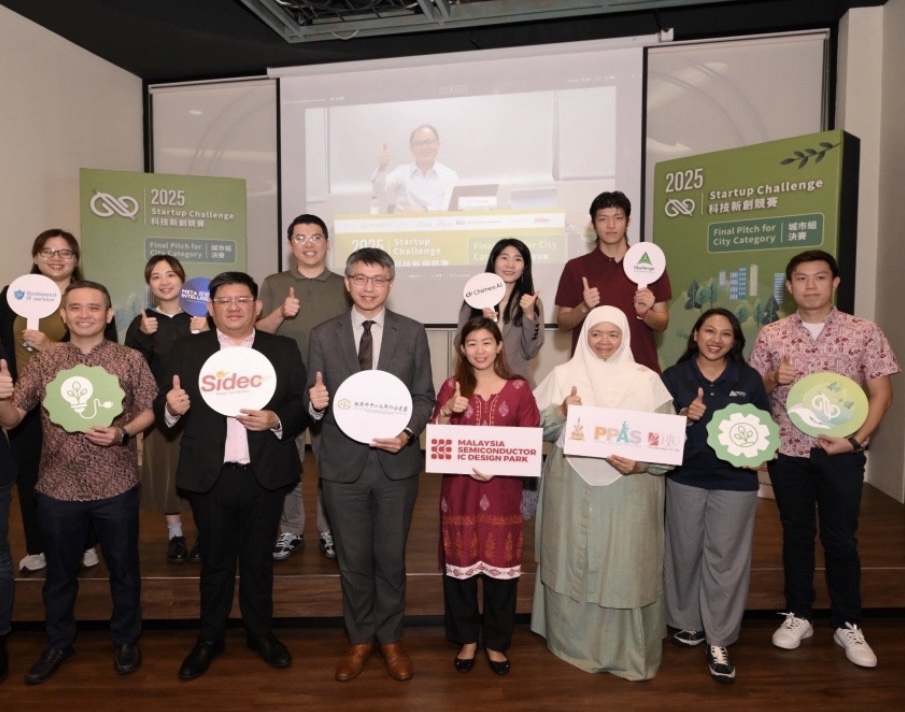
KUALA LUMPUR, Taiwan and Malaysia have deepened their cooperation in technology and innovation through the Startup Challenge 2025, which saw four Taiwanese startups advance to the City Category final organised by Taiwan’s Small and Medium Enterprise and Startup Administration (SMESA). In a statement today, SMESA said the initiative aims to promote technological innovation that enhances social well-being and sustainability, while helping Taiwanese startups integrate into Selangor’s thriving tech ecosystem and explore cross-border business opportunities. After a three-stage selection process — preliminary, semi-final, and final — the top four teams arrived in Selangor in mid-August to install systems, test their solutions, and collect data to validate performance before presenting their results during the final pitch on Oct 15. According to SMESA, the challenge featured two problem statements proposed by the Selangor Information Technology and Digital Economy Corporation (SIDEC) — a Library Control System for the Raja Tun Uda Public Library, and a Low-Carbon Data Centre for the Malaysia Semiconductor IC Design Park. Both projects are designed to create smarter public facilities and more sustainable data infrastructure, reinforcing Selangor’s position as a leading regional innovation hub. The final results will be announced in Taiwan next month. James Chang, director of the Economic Division of the Taipei Economic and Cultural Office in Malaysia, said the challenge reflects the strong and enduring economic ties between Taiwan and Malaysia. “Last year, Taiwan surpassed Japan to become Malaysia’s fourth-largest trading partner, and this year’s trade is expected to perform even better, recording a 36 per cent increase from January to August,” he said. Chang also expressed appreciation for SIDEC’s ongoing support of Taiwanese businesses, describing the Startup Challenge as “a meaningful platform to deepen collaboration and attract more investments to Selangor.” Meanwhile, SIDEC chief operating officer Loo Chuan Boon said the corporation was pleased to collaborate with the Taiwan Computer Association (TCA) for the second consecutive year. “Initiatives such as improving the public library experience and advancing the environmental, social, and governance (ESG) aspects of data centres reflect our shared goal to build a more dynamic and sustainable tech ecosystem,” he said. In the Green Smart Library Transformation category, Gotspeed IT Service developed an integrated system that allows staff to operate the library terminal via a smartphone application instead of a fixed device — reducing energy consumption, maintenance costs, and capital expenditure. Another participant, Skyverge Innovations, introduced a paperless RFID asset-tracking system that simplifies the borrowing and returning process while helping users locate books efficiently. Its energy-saving terminals can also be customised into creative designs, such as animal-shaped units, to engage younger readers. In the Low-Carbon Data Centre category, Meta Intelligence Ltd showcased its computational fluid dynamics simulation technology, which models and optimises data centre airflow to improve cooling efficiency. The system can reduce energy consumption by 20 to 30 per cent through dynamic mapping and adjustment based on server load and peak usage. Meanwhile, Chimes AI applied its manufacturing data analytics expertise to design a machine learning model capable of detecting anomalies and determining optimal operating parameters — significantly improving operational efficiency while reducing the carbon footprint of data centre operations. The Startup Challenge 2025 continues to serve as a key platform for fostering smart city innovation, enhancing Taiwan-Malaysia collaboration, and driving the growth of sustainable technologies across the region.
ESG

ASEAN Power Grid Aims To Boost Regional Power Links

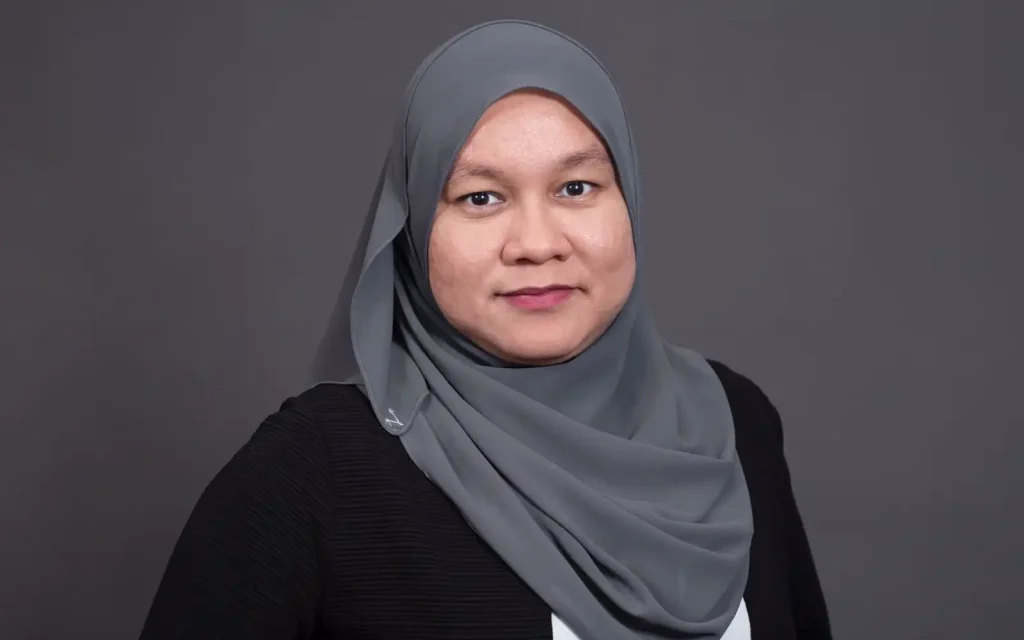
KUALA LUMPUR, The ASEAN Power Grid (APG) is entering a new phase of growth, with a focus on developing longer regional interconnections essential for delivering renewable energy across Southeast Asia, said Energy Commission chief executive officer Siti Safinah Salleh. She said the key challenge now lies in financing and development risks, as many of the upcoming projects involve subsea power interconnections spanning up to 700 kilometres. According to Siti Safinah, most of these cross-border initiatives are led by private developers rather than system off-takers, which increases the revenue risk and makes securing financial backing more complex. “We need to firm up the off-taking arrangements and strengthen the requirements from off-takers. That is a very crucial part of the ASEAN Power Grid,” she said during a session titled “Accelerating Energy Transition Investment” at the ASEAN Energy Business Forum held here today. She added that the foundational elements of the APG’s governance framework and technical standards have already been established, and efforts are now focused on building upon these frameworks to ensure consistency and long-term viability. Meanwhile, Asian Development Bank (ADB) Southeast Asia Green Finance Hub head Scott Roberts said the region faces a financing gap of around US$200 billion (US$1 = RM4.22) annually to meet its climate and energy transition goals. This highlights the urgent need to scale up sustainable finance and attract more private sector participation. Roberts said ADB’s strategy is to catalyse private capital by developing scalable investment models that enable markets to operate independently. Through its green, social, sustainable, and other thematic bond programmes, ADB has advised approximately US$4 billion in ASEAN local currency issuances, which have subsequently spurred follow-on issuances worth between US$13 billion and US$14 billion. He added that these initiatives have strengthened market confidence and laid the groundwork for greater private sector involvement in funding the region’s energy transition and infrastructure development.

News

Gradiant Secures US$50 Million HSBC Financing To Expand Water Solutions

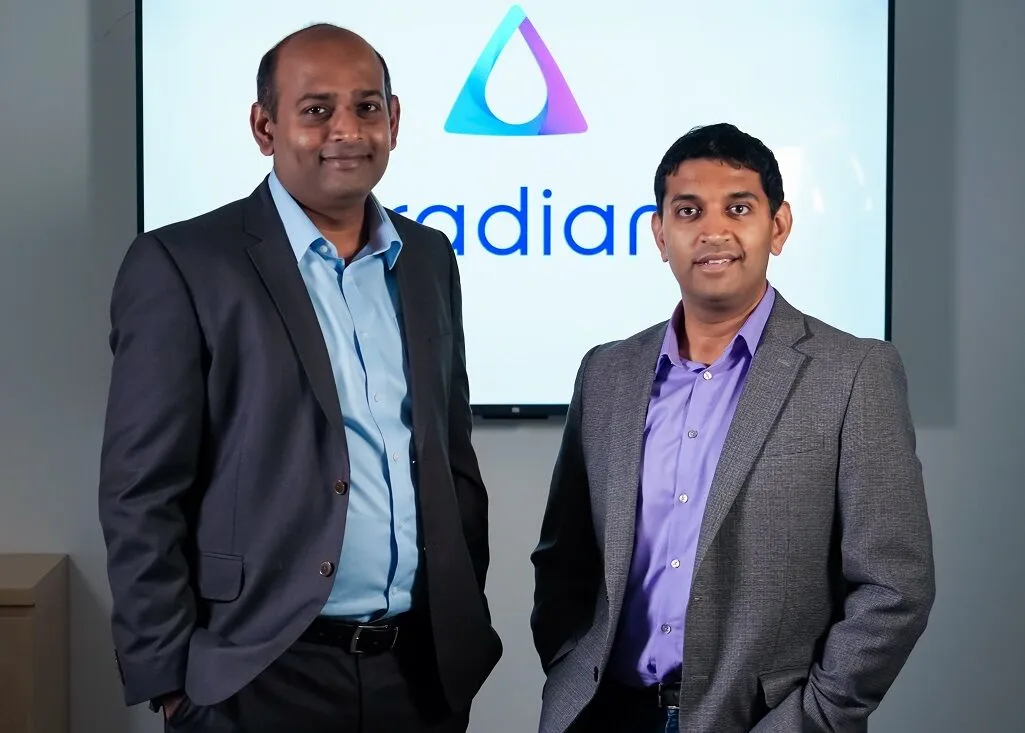
KUALA LUMPUR, Gradiant, a global provider of advanced water and wastewater treatment solutions, has secured a US$50 million corporate credit facility from HSBC, bringing its total credit lines to more than US$100 million. (US$1 = RM4.21) The new financing underscores Gradiant’s financial strength and supports the company’s continued expansion of sustainable water solutions across its global markets. Gradiant co-founder and chief executive officer Anurag Bajpayee said the funding reflects the company’s financial maturity and the confidence that global lenders have in its performance and profitability. “Working with HSBC enhances our ability to deliver mission-critical water solutions to our industrial customers,” he said in a statement. Meanwhile, Gradiant’s chief financial officer Ananth Padmanabhan said the additional financing would strengthen the company’s balance sheet and liquidity as it expands project delivery worldwide. Structured as a corporate revolving credit facility, the HSBC line will support Gradiant’s working capital needs in the United States, providing flexible, on-demand liquidity to execute projects for its blue-chip North American customers. The company said its credit facilities were secured at single-digit interest rates, demonstrating a strong credit profile and robust support from institutional investors. Gradiant also sources financing directly from lending partners rather than through intermediaries, ensuring alignment between its financial strategy and long-term mission. With operations in over 90 countries, Gradiant plans to use the HSBC facility primarily to bolster its U.S. projects, while other credit lines will fund global expansion, particularly in the Indo-Pacific and Middle East regions. The financing marks another milestone in Gradiant’s growth trajectory as it continues to deliver innovative, sustainable water and wastewater solutions to industries worldwide.

ESG

Malaysia And Japan Strengthen Green Cooperation At AZEC Meeting

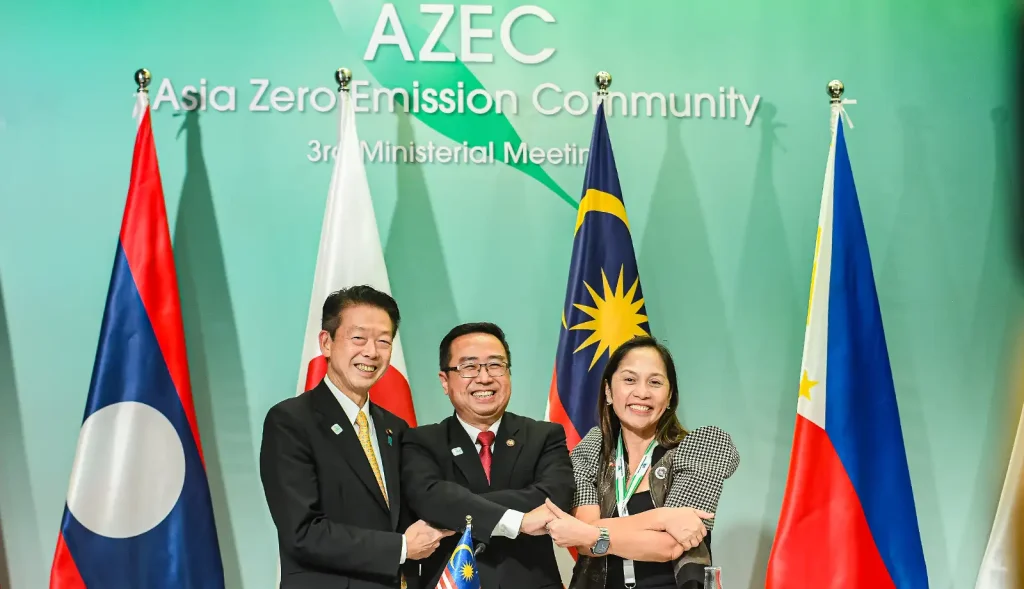
Malaysia and Japan have reaffirmed their shared commitment to a sustainable and low-carbon future by signing seven Memoranda of Understanding (MoUs) during the 3rd Asia Zero Emission Community (AZEC) Ministerial Meeting, held in Kuala Lumpur. The agreements aim to accelerate joint decarbonization initiatives, focusing on biofuels, transition financing, and carbon capture and storage (CCS), in line with both nations’ energy transition strategies. The meeting, co-chaired and jointly hosted by Malaysia and Japan, served as a vital platform to strengthen regional collaboration on clean energy, sustainability, and climate action. Discussions centered on three key pillars — ensuring a just and equitable transition toward a low-carbon economy, advancing clean transportation and green aviation fuel, and promoting transition finance to support Malaysia’s ambitious energy roadmap. Malaysia’s Minister of Science, Technology and Innovation (MOSTI), Chang Lih Kang, highlighted the significance of the collaboration, noting that it marks a critical step in achieving Malaysia’s energy security and resilience goals. “Definitely, cooperation for energy security, affordability, and sustainability is strengthened, which is in line with the energy resilience we aim for in Malaysia,” he said. The event also saw the participation of prominent regional leaders, including Muto Yoji, Japan’s Minister of Economy, Trade and Industry (METI), and Sharon S. Garin, the Philippine Department of Energy Secretary, emphasizing AZEC’s growing role in fostering cross-border cooperation across Asia. Among the seven agreements, one of the most notable was the joint operation framework for Carbon Capture and Storage (CCS) between the Government of Malaysia and Japan’s METI, which will facilitate knowledge-sharing, investment, and the development of large-scale carbon storage solutions in Malaysia. Another significant MoU involves a collaboration between members of the Malaysia Rubber Council and a Japanese cloud technology provider, aimed at integrating advanced digital systems to improve operational efficiency and sustainability practices in the Malaysian rubber sector. Minister Chang further emphasized that Malaysia views net-zero emissions not only as a policy goal but as a lifestyle transformation, underpinned by innovation and affordability. He noted that Malaysia’s participation in AZEC aligns with the ASEAN Vision 2045 and the country’s MADANI principles, which advocate balanced progress across economic, environmental, and social pillars. Malaysia’s National Energy Transition Roadmap (NETR), introduced in 2023, charts a clear path toward achieving 70% renewable energy capacity by 2050, supported by major investments in solar, hydro, green hydrogen, and digital energy grids. Under the 13th Malaysia Plan, the country aims to achieve a 35% renewable energy share by 2030, reflecting a steady and structured transition. To support this shift, Malaysia has introduced several landmark policy measures. The Energy Efficiency and Conservation Act (EECA) 2024 promotes energy-efficient consumption across industrial, commercial, and residential sectors, while the upcoming Carbon Capture, Utilisation and Storage (CCUS) Act 2025 will establish a comprehensive regulatory framework for developing a regional CCS hub. These efforts collectively underscore Malaysia’s readiness to position itself as a leader in sustainable energy and green technology within Southeast Asia. Through the strengthened partnership under AZEC, Malaysia and Japan aim to accelerate regional decarbonization and establish a collaborative model for green growth. The newly signed MoUs not only reflect shared environmental goals but also signal the deepening of bilateral ties — setting the stage for a more integrated, cleaner, and sustainable energy future across the region.

Investment & Market Trends

SHB Expands Abroad With RM600 Million Manufacturing Facility In Johor

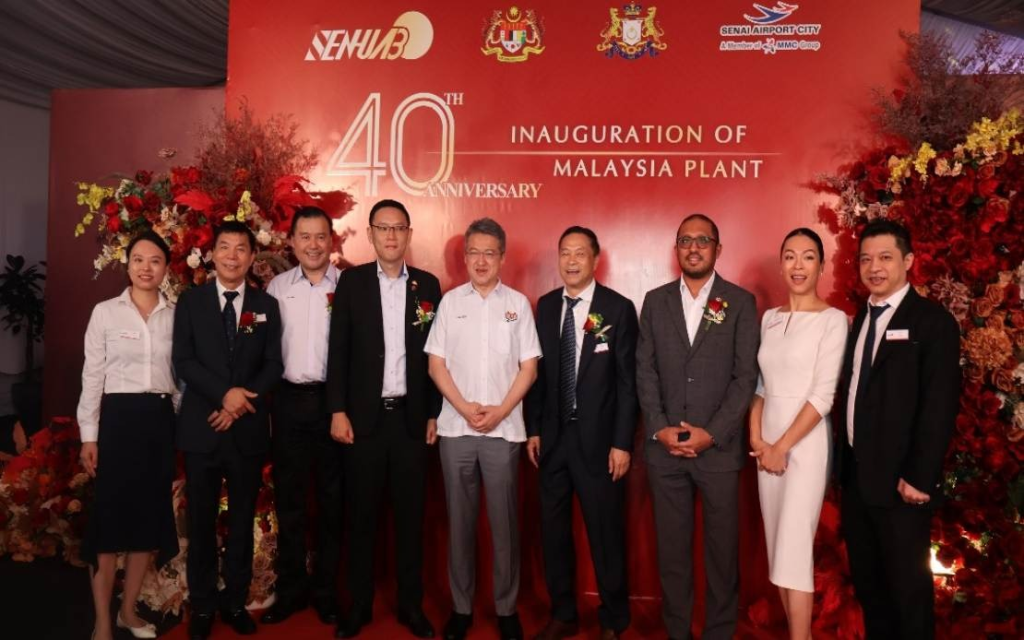
China’s leading automotive manufacturing giant, SHB, has officially inaugurated its first overseas manufacturing facility at the Senai Airport City (SAC) Free Zone in Johor Bahru, Malaysia, marking a major milestone in the company’s international expansion journey. The new state-of-the-art facility represents an initial investment of RM600 million and underscores SHB’s long-term commitment to the Southeast Asian market. The establishment of this facility signifies a strategic leap in SHB’s globalisation roadmap, strengthening its presence in the region while aligning with Malaysia’s vision to attract high-value, technology-driven investments. Once fully operational, the facility is expected to deliver an annual production capacity of up to 3 million wiper motor systems and 20 million seat motors, generating approximately RM1.5 billion in annual sales. By 2030, SHB aims to double its total sales to RM6 billion, positioning the Malaysia facility as a key cornerstone of its global supply network. SHB Chief Executive Officer Carolyn Wang highlighted Malaysia’s pivotal role in the company’s expansion strategy. “Malaysia plays a strategic role in SHB’s global growth roadmap. This facility is not only our first overseas manufacturing site but also a vital component of our ambition to become a truly global supplier to the world’s leading automakers. By leveraging Malaysia’s strong industrial ecosystem, skilled workforce, and strategic location, we are confident in delivering world-class quality and driving sustainable growth in the region,” she said. Strategically located within the Senai Airport City Free Zone, the new facility benefits from a robust industrial ecosystem and excellent connectivity through air, sea, and land. The area’s professional management, efficient governance, and investor-friendly environment have enabled SHB to accelerate the construction and operational phases of the project. Equipped with advanced testing laboratories, automated assembly lines, and cutting-edge production systems, the facility will cater to the needs of major global Original Equipment Manufacturers (OEMs) and Tier-1 clients — including Tesla, General Motors (GM), BMW, Volkswagen (VW), Adient, Forvia, and others. The high degree of automation and precision engineering at the plant underscores SHB’s dedication to quality, innovation, and sustainability in manufacturing. In addition to enhancing SHB’s global production capabilities, the facility is also set to bring tangible benefits to Malaysia’s local economy. It is expected to create around 200 skilled engineering and technical jobs, while also sourcing from approximately 100 local suppliers. This move will strengthen Malaysia’s manufacturing supply chain, foster technology transfer, and boost Johor’s position as a regional manufacturing hub. With its ready infrastructure, seamless logistics network, and established industrial ecosystem, Senai Airport City continues to attract leading multinational corporations (MNCs) seeking a conducive environment for growth and innovation. The synergy between Malaysia’s industrial policies and SHB’s global manufacturing ambitions makes this investment a landmark development for both the company and the region. As SHB accelerates its international footprint, the Johor facility will serve as a launchpad for future expansion across Southeast Asia — paving the way for deeper collaborations, higher value manufacturing, and stronger integration into the global automotive supply chain.

Energy & Technology

Sarawak, South Korea Team Up To Advance Next-Gen AI Chip Development

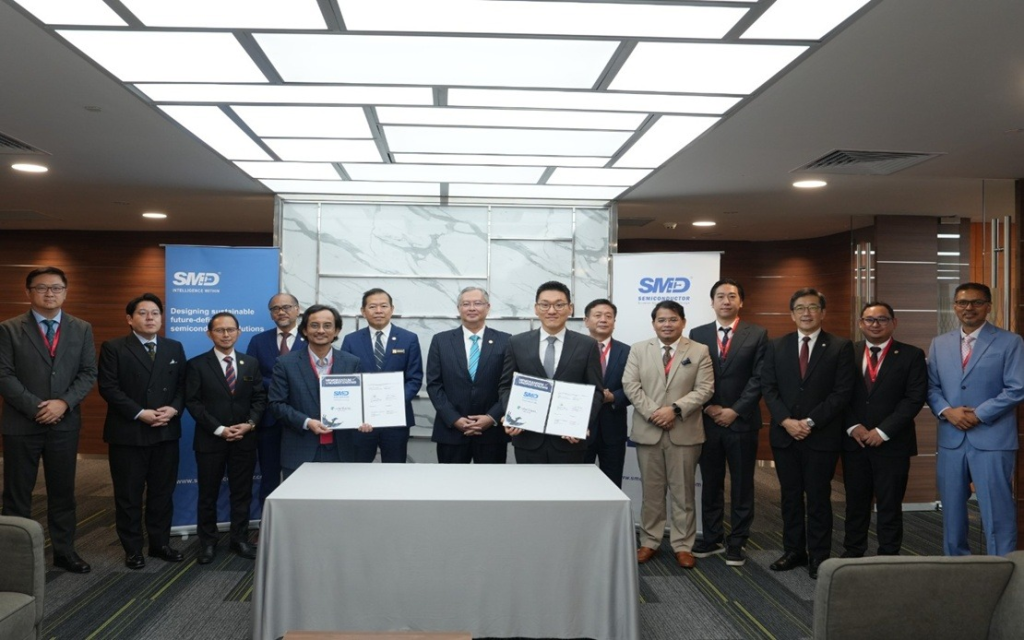
KUCHING, SMD Semiconductor Sdn Bhd, a wholly owned company under the Sarawak government, has entered into a strategic partnership with South Korea’s leading artificial intelligence (AI) chipmaker, Rebellions Inc, to accelerate AI chip design and semiconductor development in the region. The collaboration is a key milestone in Sarawak’s ambition to position itself as a major player in the global semiconductor and AI technology landscape. It was announced during a courtesy visit by Rebellions’ leadership to the Sarawak Premier, Tan Sri Abang Johari Tun Openg, at his office here today. SMD Semiconductor said in a statement that Rebellions’ visit followed a strategic engagement earlier this month, when a Sarawak delegation led by Deputy State Secretary Datuk Seri Dr Muhammad Abdullah Zaidel met with the company at its headquarters in Seongnam City, South Korea, on Oct 1. The partnership will be formally sealed through the signing of a memorandum of understanding (MoU) during the International Digital Economy Conference Sarawak (IDECS) 2025 on Oct 22, to be witnessed by Abang Johari at the Borneo Convention Centre Kuching. During their visit, the Rebellions team presented updates on the company’s business outlook, its upcoming initial public offering (IPO), and proposed collaboration opportunities with Sarawak. The meeting also provided valuable insights ahead of Abang Johari’s participation as Malaysia’s keynote speaker at the upcoming ASEAN Conference on AI Adoption from Oct 26 to 28. The delegation from Rebellions was led by its chief executive officer and co-founder, Sunghyun Park, accompanied by co-CEO of InterVest Co Ltd, Chung Hee Woo, and Director John Ha. Joining them were SMD Semiconductor chairman Datuk Seri Dr Wan Lizozman Wan Omar, CEO Shariman Jamil, and Ilham Capital Ventures Sdn Bhd CEO Abdul Aziz Abu Bakar. Rebellions Inc, recognised as a leader in AI accelerator and High Bandwidth Memory technologies, develops highly efficient, energy-saving processors optimised for AI performance. Its partnership with SMD Semiconductor — Sarawak’s fabless chip design firm specialising in analogue and mixed-signal integrated circuits — signifies a critical step in fostering cross-border innovation and advancing Sarawak’s role in the global semiconductor supply chain. Premier Abang Johari said the alliance reflects Sarawak’s long-term vision of building the Integrated Longhouse Silicon Valley, a world-class technology ecosystem. “This collaboration represents our determination to elevate Sarawak’s standing in the global semiconductor value chain. It demonstrates our commitment to nurturing a knowledge-driven economy that competes on an international level,” he said. SMD Semiconductor chairman Datuk Seri Dr Wan Lizozman described the partnership as a defining milestone in Sarawak’s journey to become Asia’s “silicon nerve centre” for high-tech chip design and innovation. “By combining Sarawak’s growing capabilities with Rebellions’ proven AI expertise, we’re not just part of the global semiconductor growth — we’re driving it. This partnership will redefine innovation standards and solidify Sarawak’s position in the world technology arena,” he said. SMD Semiconductor CEO Shariman Jamil said the collaboration marks a breakthrough for Sarawak’s semiconductor ambitions. “Innovation in AI is no longer confined to Silicon Valley. With Rebellions’ AI strength and SMD’s design expertise, we are creating a powerful technological alliance that sets new benchmarks for efficiency, sustainability, and intelligence. This is how Sarawak makes its mark on the global semiconductor map,” he added.

News

Shopee Launches RM50mil ‘Rai Lokal’ Package To Boost Malaysian MSMEs

Shopee has rolled out a RM50 million “Shopee Rai Lokal” MSME growth package to strengthen support for Malaysian micro, small, and medium enterprises (MSMEs) and help them thrive in the country’s rapidly expanding digital economy. The initiative is designed to empower local entrepreneurs with comprehensive digital tools, training programmes, and incentives to build sustainable online businesses while expanding access to both domestic and international markets. “The Domestic Trade and Cost of Living Ministry welcomes Shopee’s commitment through the RM50mil Shopee Rai Lokal MSME growth package, which aligns with the Government’s aspiration under Budget 2026 that allocates RM20mil for the Buy Malaysian Products initiative,” said Armizan. According to Shopee, the initiative reflects its long-term commitment to supporting local sellers in growing resilient businesses and contributing to Malaysia’s economic transformation. Domestic Trade and Cost of Living Minister Datuk Armizan Mohd Ali welcomed the initiative, describing it as a timely contribution that aligns with the Government’s “Buy Malaysian Products” campaign and its broader efforts to uplift local entrepreneurs. “The RM50 million Shopee Rai Lokal MSME growth package is in line with the Government’s aspiration under Budget 2026, which allocates RM20 million for the Buy Malaysian Products initiative. It also supports KPDN’s central theme for 2025, ‘Jom Beli Lokal’, and reinforces our shared determination to empower local entrepreneurs to stay competitive in the digital economy,” he said. Shopee Malaysia country director Saovanee Chan-Somchit said that as Shopee celebrates its 10th year in Malaysia, its mission remains focused on helping local MSMEs scale their businesses and reach wider audiences. “With this Shopee Rai Lokal growth package, we are deepening our commitment to helping sellers build resilient businesses, access the right digital tools, and grow sustainably online. We aim to walk alongside our local sellers as true partners in their long-term success,” she said. Under the RM50 million Shopee Rai Lokal MSME growth package, Shopee is offering support across several key areas — financial incentives, marketing tools, and capacity building. New sellers will benefit from commission fee waivers of up to RM2,000 and platform support fee exemptions. Shopee will also provide a complimentary six-month trial of its Fulfilled-by-Shopee (FBS) service, which includes warehousing support, faster delivery options such as same-day or next-day delivery, and free return-to-seller and storage services. In addition, sellers will receive RM60 in advertising credits to boost store visibility, while those using the GMV Max feature will have access to Shopee’s Return on Ad Spend (ROAS) Protection Programme — offering free ad credits if their campaigns do not achieve the expected performance. To help MSMEs strengthen their business capabilities, Shopee will expand access to the ShopeeXpert Community, providing personalised mentorship, expert guidance, and peer learning opportunities. Shopee University will continue offering targeted webinars and training sessions on store optimisation, digital marketing, and cross-border selling strategies. Beyond this package, Shopee continues to support local MSMEs through complementary initiatives such as the Shopee International Platform (SIP), which connects Malaysian sellers to regional markets in Singapore, Thailand, and the Philippines. Its SLoan for Sellers programme also provides flexible financing to help entrepreneurs invest in inventory, scale operations, and capture growth opportunities. These initiatives have already proven effective in helping small businesses achieve measurable success. Raymond Leong, founder of Hiasani — a DIY home essentials store — shared that Shopee’s integrated tools simplified everything from delivery logistics to advertising campaigns. “Once I learned how to optimise my storefront and marketing, my sales grew by 40%. The data dashboards gave me the confidence to scale my business,” he said. Similarly, chili farmer-turned-entrepreneur Mansur Remely credited Shopee for helping him turn his passion into a sustainable livelihood. “Shopee allowed me to reach customers far beyond my hometown. What started as a small business has now become my full-time venture,” he said. Through the Shopee Rai Lokal initiative, the company aims to continue building a more inclusive digital ecosystem, empowering Malaysian MSMEs to compete on both regional and global stages while fostering national pride in local products.

News

Singapore’s HMI Medical To Develop New hospital in Kuching

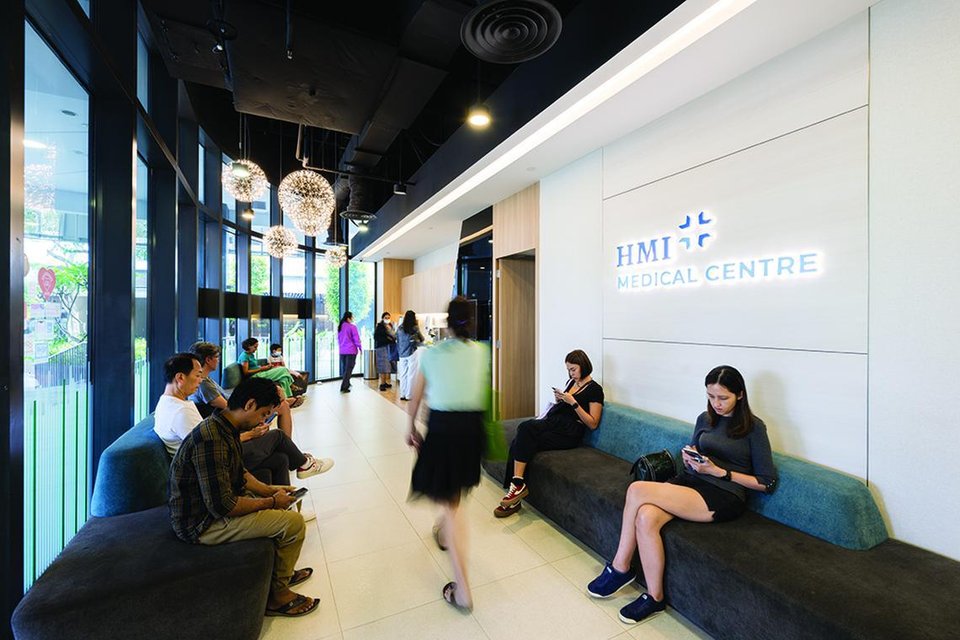
KUCHING, Singapore-based Health Management International Pte Ltd (HMI Medical) will establish a state-of-the-art smart specialist hospital, Regency Hospital Kuching, within The NorthBank township — a flagship mixed development by Ibraco Bhd. The proposed 300-bed hospital will feature comprehensive specialist and subspecialty services, advanced digital healthcare systems, and internationally benchmarked clinical standards, said HMI Medical group chief executive officer Chin Wei Jia. She said the project aims to meet rising demand for quality healthcare services in Sarawak and across Southeast Asia, while creating more than 1,000 new jobs and cross-training opportunities for healthcare professionals to enhance patient-centred care. With over 27 years of experience in healthcare operations across Singapore, Malaysia, Indonesia, and Vietnam, HMI Medical currently manages Mahkota Medical Centre in Melaka and Regency Specialist Hospital in Johor. Dr Richard Chew, senior surgeon and board director of HMI’s hospitals in Malaysia — and a Sarawakian — will lead the development of Regency Hospital Kuching, which is scheduled to open in 2029. “This initiative will drive new economic opportunities and strengthen Sarawak’s position as a leading medical tourism hub in Southeast Asia,” said Chin during the signing of a share sale agreement between Ibraco and Kuching Health Holdings Sdn Bhd, a wholly owned subsidiary of HMI Medical. Under the agreement, Ibraco will sell its 100% stake in NorthBank Specialist Hospital Sdn Bhd (NSHSB) to Kuching Health Holdings for RM900,000 cash. Sarawak Premier Tan Sri Abang Johari Tun Openg witnessed the signing during the Sarawak Mega Fair 2025 at Singapore’s Suntec Convention & Exhibition Centre last Thursday. In a Bursa Malaysia filing, Ibraco said the transaction was made on a “willing buyer, willing seller” basis, with no material gain or loss expected. NSHSB currently holds development approval for a private hospital project that has yet to commence operations. Ibraco said the disposal enables a reputable healthcare group to realise the hospital’s potential while enhancing Sarawak’s private healthcare landscape. “This collaboration supports the national agenda to expand high-quality private healthcare services and improve accessibility for the community,” it said. The hospital will be built on a 1.7ha leasehold site within The NorthBank, with land acquisition to be completed within six months.

News

Sarawak–Singapore Power Link Construction To Begin In 2026

KUCHING, Construction of the undersea power cable network to transmit renewable energy (RE) from Sarawak to Singapore is slated to begin by 2026 at the latest, according to Sarawak Premier Tan Sri Abang Johari Tun Openg. He said the Sarawak government, together with the federal and Singaporean governments, aims to commence the project next year once the current global shortage of submarine cables is resolved. “The Singapore and Sarawak governments, with endorsement from the Malaysian government, have agreed that the construction of the undersea cable should begin no later than next year,” Abang Johari said after officiating the Sarawak Mega Fair 2025 at the Suntec Singapore Convention and Exhibition Centre last Thursday. He added that Indonesia has responded positively to the project, as the cable route will pass through Indonesian territorial waters. Singapore’s Energy Market Authority has granted conditional approval to Sembcorp Utilities and its consortium partner, Sarawak Energy Bhd, to import one gigawatt (GW) of hydropower from Sarawak. Abang Johari also revealed that a special cross-border energy corridor is being developed between Malaysia, Singapore and Indonesia to facilitate the export of green electricity to Singapore. “There is already an agreement in principle for Sarawak to supply clean energy through this dedicated corridor,” he said.Hydropower currently accounts for more than 60% of Sarawak’s total energy generation capacity. Sarawak Energy owns and operates the Bakun (2,400MW), Murum (944MW) and Batang Ai (108MW) hydroelectric dams, with the 1,285MW Baleh dam currently under construction. To attract more foreign investment, particularly in renewable and sustainable industries, Abang Johari said Sarawak offers incentives equivalent to those from the Malaysian Investment Development Authority (MIDA), along with additional state-level benefits such as larger land allocations, lower premiums and competitive energy tariffs. “At present, Sarawak has the lowest industrial energy tariff in Malaysia,” he noted, adding that the state’s political and administrative stability continues to bolster investor confidence. Abang Johari emphasised that companies leveraging Sarawak’s renewable energy in their manufacturing processes will gain a “green premium” — a market advantage as global demand for low-carbon and eco-friendly products continues to rise. “Investors who produce goods using our green energy will find it easier to market their products, as they are aligned with global sustainability standards,” he said. He also announced that the soon-to-be-launched state-owned airline, AirBorneo, will enhance flight connectivity between Sarawak and Singapore, boosting both tourism and trade opportunities.

News

AirAsia X To Get New Airbus A321neo, A321LR Jets In 2H2026 For Route Expansion

KUALA LUMPUR, AirAsia X Bhd is set to expand its fleet with smaller, more efficient aircraft as part of its medium-haul growth strategy, with deliveries of new Airbus models expected in the second half of 2026 (2H2026). Chief executive officer Benyamin Ismail said the airline will take delivery of the Airbus A321neo and A321LR aircraft, which are designed for routes lasting between five and seven hours — ideal for expanding connectivity within the Asia-Pacific region. “These aircraft will allow us to explore new destinations such as Busan in South Korea, Adelaide and Darwin in Australia, as well as several secondary cities in China,” he said during a media trip for the airline’s inaugural flight to Tashkent, Uzbekistan. The carrier launched its first service to Tashkent on Oct 15, offering three weekly flights between Malaysia and Uzbekistan’s capital. This marks AirAsia X’s second route to Central Asia, following the launch of flights to Almaty, Kazakhstan, in March 2024. Benyamin added that the airline is also focused on increasing flight frequencies across its existing destinations, driven by continued strong demand. “In Australia, we’re working on offering more consistent flight schedules, while China has rebounded strongly, so we’re ramping up capacity there,” he said, noting that demand for Japan and South Korea also remains solid. He said AirAsia X’s recent operational performance has been encouraging, with the airline maintaining a healthy average load factor of 84%, reflecting a strong post-pandemic recovery.

Scroll to Top

Subscribe
FREE Newsletter