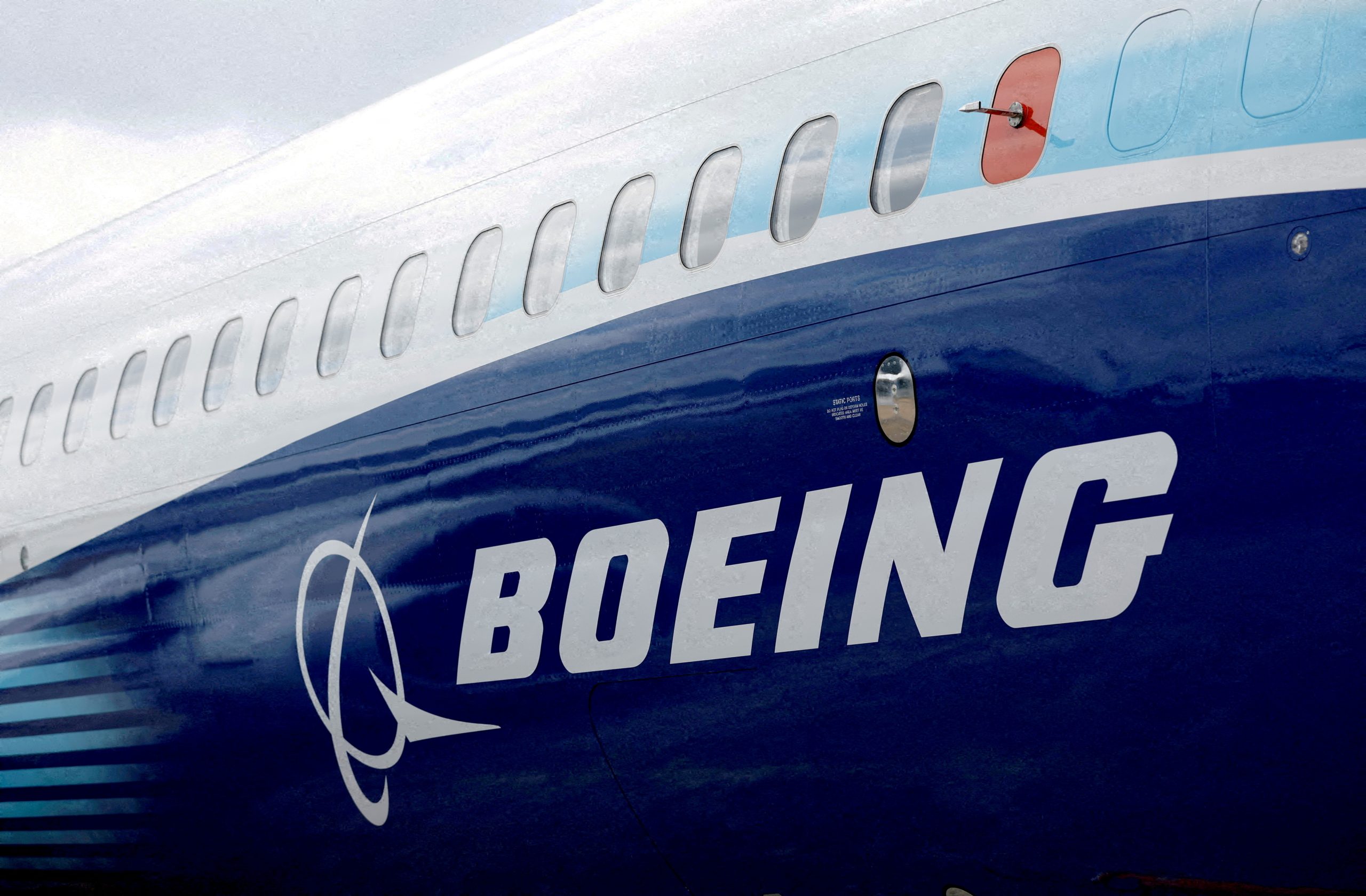
Boeing Co has restarted deliveries of its commercial aircraft to China for the first time since early April, marking a significant development in the ongoing trade tensions between the United States and the world’s second-largest economy. Flight tracking data from Flightradar24 revealed that a Boeing 737 Max, registered as N230BE, departed from King County International Airport-Boeing Field in Seattle at approximately 10am local time on Friday. The aircraft’s first stop is Kailua-Kona, Hawaii, en route to Zhoushan, China, where Boeing completes final delivery processes for jets bound for domestic Chinese customers.
This milestone follows a temporary easing of tariffs between the two countries. On 12 May, Chinese authorities lifted a previous ban on airlines accepting Boeing aircraft after a temporary trade truce with the United States. Under the agreement reached in Geneva, China reduced tariffs on US goods from 125 percent to 10 percent, while the United States agreed to cut combined duties on Chinese imports from 145 percent to 30 percent. However, the truce is valid for only 90 days, leaving the future of aerospace trade vulnerable to renewed escalation.
The resumption of Boeing deliveries to one of the world’s largest aviation markets comes amid renewed geopolitical friction surrounding critical technologies and minerals. In recent weeks, both Washington and Beijing have imposed restrictions involving semiconductors and rare-earth elements. Additionally, the White House has advanced efforts to limit the transfer of US aerospace technologies to China’s state-backed aircraft manufacturer, Commercial Aircraft Corporation of China Ltd (Comac), which is developing the C919 jetliner as a challenger to Boeing and Airbus.
Boeing has not commented on the resumed shipments. However, the move signals the possible unfreezing of its Chinese inventory, as Chinese carriers including Air China, Hainan Airlines, and Xiamen Airlines have resumed taking deliveries, according to data from Aviation.flights, a platform that monitors aircraft handovers.
The developments also coincide with reports that China may soon place a major order for aircraft from Boeing’s European competitor, Airbus SE. Bloomberg recently reported that an order for several hundred Airbus jets could materialise as early as next month, heightening the strategic stakes for Boeing in the Asia-Pacific region.
The temporary détente may provide Boeing with a narrow window to alleviate financial pressure by delivering dozens of jets previously sidelined due to trade policy. Prior to the April dispute, Boeing had planned to deliver approximately 50 aircraft to China. These plans were disrupted when China responded to fresh US tariffs by increasing levies that rendered the aircraft unaffordable for Chinese carriers.
China’s dependence on diversified aircraft sources, including US-made engines and avionics for Comac’s C919, highlights the mutual reliance underpinning the aviation sector. Despite ongoing tensions, both countries have historically benefited from aerospace trade, with the United States recording consistent surpluses in the sector.
Industry analysts have warned, however, that further disruption may hinder Boeing’s delivery schedule. Kristine Liwag of Morgan Stanley noted in a 16 May client briefing that while Boeing could potentially redirect aircraft to other buyers if tensions escalate, doing so might jeopardise its short-term delivery targets.
As commercial air travel demand continues to outpace supply, Boeing’s ability to navigate geopolitical headwinds while maintaining production and delivery timelines remains a critical factor for its global market position.
-Bloomberg