Energy & Technology

Energy & Technology

Sinopec Reportedly In Merger Talks With China’s Top Aviation Fuel Company

China’s biggest oil refiner, Sinopec Group, is reportedly in talks to acquire China National Aviation Fuel Group Co (CNAF), the country’s main jet fuel supplier, according to sources familiar with the matter. The discussions, initiated by Beijing, are part of efforts to streamline the nation’s energy and fuel distribution sectors, said the sources, who requested anonymity as the talks remain private. The negotiations are ongoing, with no fixed timeline or assurance that a deal will be finalised. Sinopec — also known as China Petrochemical Corp — refines both imported and domestic crude oil and currently supplies jet fuel to CNAF, which oversees the nation’s airport refuelling network. CNAF also manages imports and exports of jet fuel through subsidiaries, including its 51%-owned China Aviation Oil (Singapore) Corp. If the merger proceeds, Sinopec is expected to take over CNAF’s assets and operations, consolidating control over China’s jet fuel supply chain. The potential merger comes as China’s aviation industry rebounds strongly from the pandemic, with flight activity surging and jet fuel demand projected to exceed 40 million tonnes this year — roughly one million barrels per day, valued at about US$30 billion (RM125.9 billion). China Aviation Oil (Singapore) confirmed in a stock exchange filing that its controlling shareholder is undergoing a “corporate restructuring with another conglomerate,” though it did not name the other party. The company added that the restructuring remains subject to regulatory approvals and will not affect its daily operations. Neither Sinopec nor CNAF have issued official comments regarding the merger discussions.
Energy & Technology

South Korea To Revamp Steel Sector Amid Tariffs And Supply Glut

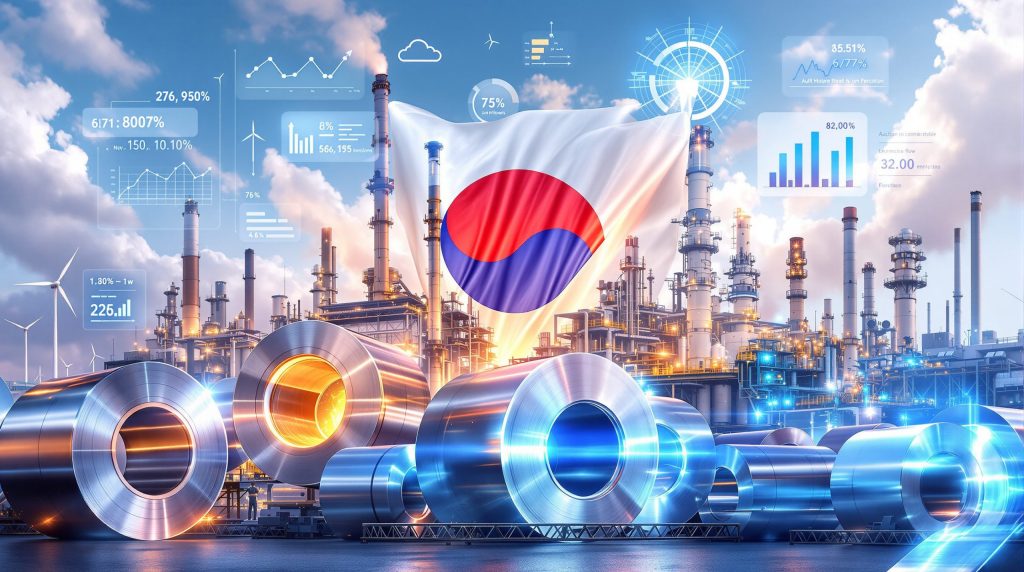
SEOUL, South Korea has announced plans to overhaul its steel industry as the sector grapples with growing challenges from international tariffs and persistent oversupply, the Ministry of Trade, Industry and Energy said on Tuesday. According to the ministry, the restructuring initiative will focus on improving the industry’s overall competitiveness and resilience amid mounting global trade pressures. The United States and the European Union have recently imposed higher tariffs on steel imports, placing added strain on South Korean producers who are already contending with declining margins and weaker global demand. The ministry said the government will take pre-emptive measures to adjust production capacity for steel products facing excess supply, in an effort to stabilise prices and improve operational efficiency across the sector. In addition, financial aid and policy support will be expanded to help exporters mitigate the impact of tariffs and maintain access to key international markets. Authorities are also considering targeted investments in advanced steelmaking technologies and environmentally sustainable production methods to help local companies transition toward greener and higher-value products. “The restructuring plan aims to ensure the long-term stability and competitiveness of Korea’s steel industry, particularly in light of global market changes and trade barriers,” the ministry said. Industry observers note that South Korea, one of the world’s top steel exporters, has been under increasing pressure to adapt as the global market faces slower growth and heightened protectionism. The government’s move is seen as a step toward balancing industrial capacity while fostering innovation and sustainability within the steel sector.

Energy & Technology

Petronas, Eni Form JV To Invest Over US$15b In Five Years

KUALA LUMPUR, Italy’s Eni and Petroliam Nasional Bhd (Petronas) have signed a binding agreement to establish a jointly owned company (NewCo), combining their upstream oil and gas assets in Indonesia and Malaysia. The agreement, which follows the framework pact inked in June 2025, will see both parties hold equal stakes in NewCo, which will manage 19 assets — 14 in Indonesia and five in Malaysia — representing substantial enterprise value. According to Eni, NewCo will be a financially independent entity with plans to invest over US$15 billion (US$1 = RM4.18) within the next five years. Eni chief executive officer Claudio Descalzi said the collaboration would leverage existing production assets and development initiatives in Indonesia’s Kutei Basin and offshore Malaysia, targeting over 500,000 barrels of oil equivalent (boe) per day in the mid-term. “This partnership will generate significant value for Eni, Petronas, as well as for Indonesia and Malaysia, driven by our strong exploration capabilities and track record in delivering efficient, high-value projects,” he said. Through NewCo, both companies will merge their complementary portfolios, technical expertise, and regional experience to drive operational excellence, long-term value creation, and leadership in the energy transition. The planned US$15 billion investment will fund at least eight new development projects and 15 exploration wells, aiming to develop around three billion boe of discovered reserves and unlock an estimated 10 billion boe in potential resources. NewCo will integrate a large portfolio of gas-producing and development assets across both countries, starting with more than 300,000 boe per day in production and targeting over 500,000 boe per day in the medium term. The venture aligns with Eni’s “satellite model” strategy, following successful partnerships such as Vår Energi in Norway, Azule Energy in Angola, and Ithaca Energy in the United Kingdom. Both companies will now seek the necessary regulatory, government, and partner approvals in Malaysia and Indonesia, with the deal expected to close in 2026.

Energy & Technology

Enproserve Wins Petronas Carigali Onshore Pipeline Maintenance Contract

KUALA LUMPUR, Enproserve Group Bhd has clinched a two-year contract from Petronas Carigali Sdn Bhd to provide maintenance services for onshore pipeline facilities along the east coast of Peninsular Malaysia. In a statement on Friday, the mechanical and civil engineering firm said the contract, awarded to its subsidiary Enproserve (M) Sdn Bhd on Oct 7, covers preventive and corrective maintenance, emergency repairs, civil works, onshore coating services, and upkeep of the cathodic protection system. The company noted that the contract value will be determined based on work orders issued by Petronas Carigali over the contract period. “This project strengthens our upstream onshore capabilities and aligns with our commitment to deliver safe, reliable, and efficient maintenance solutions,” said Enproserve group CEO Mohd Nizam Yaakub. Shares of Enproserve closed half a sen or 2.13% lower at 23 sen on Friday, valuing the group at RM241.5 million.

Energy & Technology

Sabah Acquires 25% Ownership In Petronas’ PFLNG 3 Project

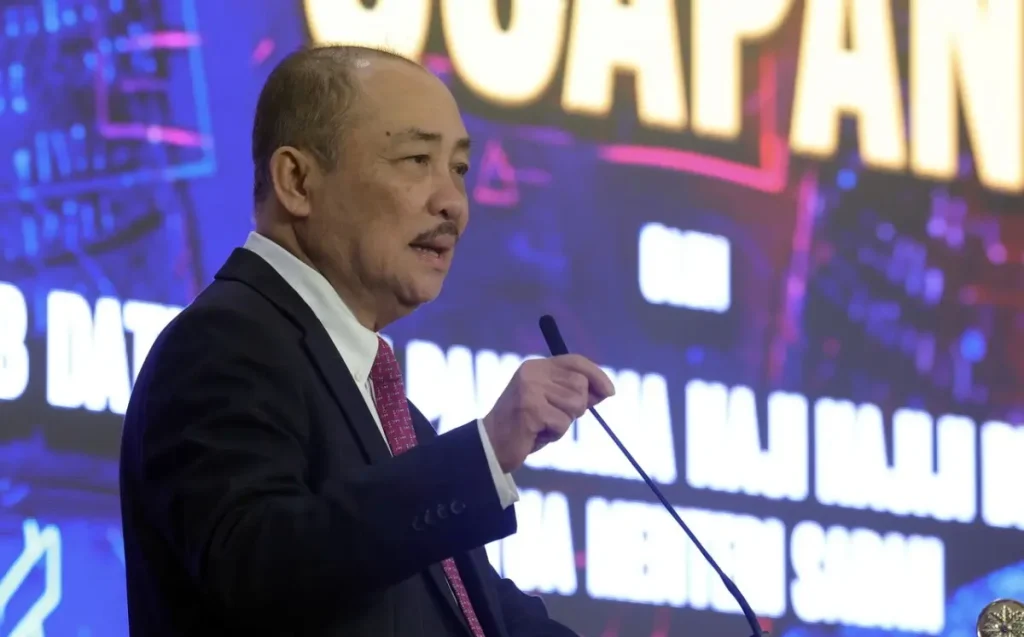
KOTA KINABALU, Sabah has officially completed the acquisition of a 25% equity stake in Petronas PFLNG 3 Sdn Bhd, marking a significant step forward in the state’s efforts to strengthen its participation in Malaysia’s oil and gas sector and deepen collaboration with Petroliam Nasional Bhd (Petronas). Chief Minister Datuk Seri Hajiji Noor said the move, executed through SMJ Energy Sdn Bhd — Sabah’s state-owned energy company — in partnership with Petronas LNG Sdn Bhd, represents a major milestone in enhancing Sabah’s role in upstream and downstream energy ventures. “This acquisition not only reinforces the close working relationship between Sabah and Petronas, but also sets the foundation for future strategic collaborations in the oil and gas industry,” Hajiji said in a statement on Friday. Petronas PFLNG 3 is currently developing a US$3.1 billion (RM13 billion) nearshore floating liquefied natural gas (FLNG) facility located at the Sipitang Oil and Gas Industrial Park (SOGIP). Designed to produce two million tonnes of LNG annually, the project is scheduled to commence operations in the second half of 2027. Hajiji said the state’s participation in PFLNG 3 aligns with Sabah’s broader ambition to secure a stronger foothold in key energy projects within its borders, ensuring greater revenue generation and long-term sustainability for its energy sector. The equity acquisition follows the signing of a heads of agreement between SMJ Energy and Petronas LNG Sdn Bhd in July 2025, witnessed by Hajiji and Petronas president and group chief executive officer Tan Sri Tengku Muhammad Taufik in Kuala Lumpur. “With this partnership, Sabah is taking concrete steps towards becoming a significant player in Malaysia’s LNG industry. It reflects our commitment to developing local capacity, encouraging technology transfer, and ensuring that the people of Sabah benefit directly from the state’s natural resources,” Hajiji said. The latest acquisition adds to SMJ Energy’s expanding investment portfolio, which already includes a 50% participation interest in the Samarang Production Sharing Contract, a 10% stake in Petronas LNG 9 Sdn Bhd, and 25% equity in Petronas Chemicals Fertiliser Sabah Sdn Bhd (SAMUR). In addition, SMJ Energy fully owns Sabah International Petroleum Sdn Bhd (SIP), which manages strategic offshore assets such as floating production storage and offloading (FPSO) and floating storage and offloading (FSO) vessels — key infrastructure supporting the state’s growing energy operations. Hajiji added that the state government will continue exploring new partnerships with Petronas and other major players to advance Sabah’s participation in sustainable energy development, boost industrial activity at SOGIP, and enhance the state’s position as a regional energy hub.

Energy & Technology

Nvidia Signs AI Partnerships With South Korea’s Top Conglomerates

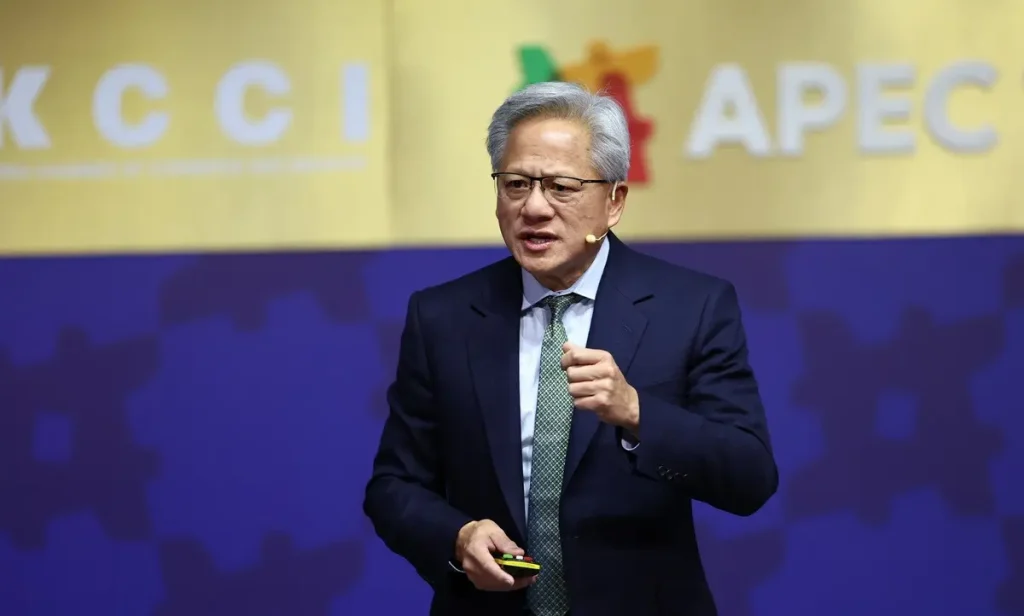
Nvidia Corp has sealed a major deal with South Korea’s largest conglomerates to supply its advanced AI technology, strengthening its global footprint in artificial intelligence infrastructure. In collaboration with the Ministry of Science and major corporate giants — Samsung Electronics Co, Hyundai Motor Group, and SK Group — Nvidia will deliver over 260,000 AI accelerator chips to power South Korea’s expanding AI ecosystem. Financial details of the deal were not disclosed. Nvidia CEO Jensen Huang is in South Korea, attending the Asia-Pacific Economic Cooperation CEO Summit on Friday. The agreements were formalised during the Asia-Pacific Economic Cooperation (APEC) CEO Summit 2025, attended by Nvidia chief executive officer Jensen Huang, who is on an international campaign to promote AI adoption and extend Nvidia’s technological reach. Under the partnership, the South Korean government plans to establish “sovereign AI” infrastructure, deploying more than 50,000 Nvidia accelerators in national data centres and facilities owned by Kakao Corp, Naver Corp, and NHN Cloud Corp. “South Korea’s goal is to become the AI capital of the Asia-Pacific region,” President Lee Jae Myung said in a statement. Samsung Electronics, one of the world’s largest chipmakers, will set up a massive “AI factory” equipped with over 50,000 Nvidia chips. The company is also in discussions to supply next-generation HBM4 memory to Nvidia, aiming to begin mass production soon. Hyundai Motor Group will deploy a similar number of Nvidia’s Blackwell chips to enhance its AI model development, manufacturing automation, and autonomous driving technologies. Both companies will jointly invest US$3 billion (RM12.6 billion) to build a national AI computing centre in South Korea. Meanwhile, SK Group, along with its affiliates SK Telecom Co and SK Hynix Inc, will roll out Nvidia’s RTX Pro 6000 Blackwell chips to power Asia’s first “industrial AI cloud”, supporting robotics and advanced AI applications. The latest wave of deals underscores Nvidia’s dominance in the global AI boom, which has propelled its market capitalisation past US$5 trillion earlier this week. However, questions remain over whether Nvidia will be allowed to sell its high-end Blackwell processors to China amid ongoing U.S. export restrictions. Huang told Bloomberg News that while he hopes to re-enter the Chinese market, there are currently no concrete plans. The United States has tightened export controls on advanced AI chips to China. While former U.S. President Donald Trump has expressed openness to discussing the issue with Beijing, it was reportedly not addressed in his recent meeting with President Xi Jinping.

Energy & Technology

YTL Power Completes Nvidia-Powered AI Data Centre In Johor

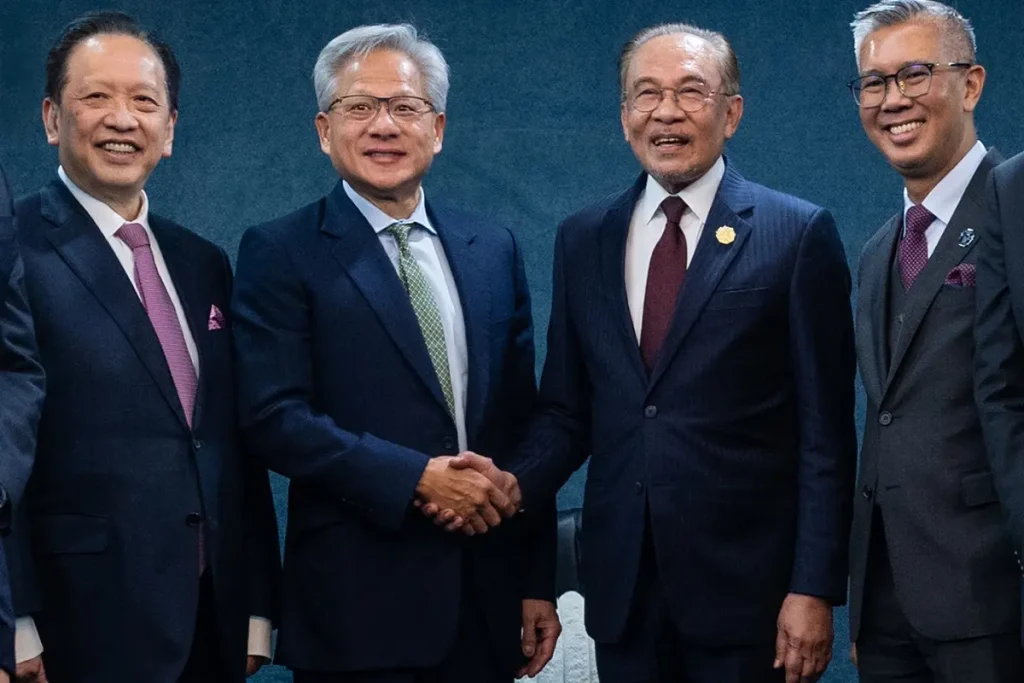
KUALA LUMPUR, Malaysia’s ambitions to become a regional hub for artificial intelligence (AI) have taken a major step forward with the completion and launch of the country’s first Nvidia-powered AI data centre in Johor, developed by YTL Power International Bhd in collaboration with US technology giant Nvidia Corp. In a statement, YTL Power announced that the cutting-edge facility—powered by Nvidia’s latest liquid-cooled NVL72 Grace Blackwell (GB200) GPUs—is now fully operational and will anchor the new YTL AI Cloud, designed to deliver large-scale computing power for AI, high-performance computing (HPC), and machine learning workloads. The announcement followed a high-level meeting in Gyeongju, South Korea, during the Apec Leaders’ Economic Summit 2025, where Prime Minister Datuk Seri Anwar Ibrahim met with Nvidia founder and CEO Jensen Huang and YTL Power managing director Datuk Seri Yeoh Seok Hong. Investment, Trade and Industry Minister Tengku Datuk Seri Zafrul Abdul Aziz was also present. During the meeting, YTL Power briefed Anwar and Zafrul on the successful completion of the AI data centre, located within the 600MW YTL Green Data Center Park in Kulai, Johor. The facility is expected to serve as the foundation for Malaysia’s AI ecosystem, powering both government and citizen-facing AI applications under the YTL AI Cloud platform. Anwar congratulated YTL Power and Nvidia on the achievement, calling it “a significant milestone that strengthens Malaysia’s position in the global AI landscape.” He added that the project aligns with the government’s goal to make AI and digital innovation key drivers of the national economy. “I congratulate YTL and Nvidia on achieving this major milestone and hope it will accelerate Malaysia’s AI transformation for the benefit of all citizens,” said Anwar. Meanwhile, Zafrul noted that the government’s RM5.9 billion allocation under Budget 2026 aims to strengthen the country’s AI infrastructure, foster innovation, and attract more global tech investments. “This project exemplifies Malaysia’s readiness to lead in next-generation digital technologies,” he said. Yeoh said the new facility will deliver one of the world’s most advanced AI supercomputing systems, making Malaysia a key player in regional AI and data centre development. “With the YTL AI Cloud now operational, we are ready to support Malaysia’s growing demand for advanced AI capabilities across both public and private sectors,” he said. Located on a 1,640-acre campus in Johor, the data centre is powered by renewable energy from a 500MW solar plant. It is built to handle large-scale, high-performance AI and deep learning workloads, supporting enterprises, researchers, and government initiatives seeking sustainable computing power. On Friday, shares in YTL Power rose as much as 1.77% to RM4.02, before closing 1.01% higher at RM3.99, with 8.06 million shares traded. The utilities group currently holds a market capitalisation of RM34.63 billion, reflecting growing investor confidence in its expansion into digital infrastructure and AI-driven ventures.

Energy & Technology

Zetrix AI Says Partnership Under Review Following Thai Raid On Worldcoin

KUALA LUMPUR, Zetrix AI Bhd said its partnership with Tools for Humanity, the developer behind Worldcoin, remains valid but is currently under review following reports of a raid on a Worldcoin-linked exchange in Thailand. The agreement — inked last year between Zetrix AI (then known as MyEG Services Bhd), Tools for Humanity and state-owned Mimos Bhd — is “still in effect and presently under further evaluation by the three parties,”. Thai authorities recently raided a Worldcoin-affiliated iris scanning and exchange site in Bangkok, arresting several individuals for operating an unlicensed digital asset business. The incident has intensified global scrutiny of Worldcoin, which collects biometric data through iris scans to create digital identities — a practice that has raised privacy concerns. In August 2024, MyEG announced a memorandum of understanding (MoU) with Mimos, the Worldcoin Foundation and Tools for Humanity to explore integrating Worldcoin’s identity verification technology into Malaysia’s blockchain infrastructure. Mimos clarifies scope of involvementMimos, under the Ministry of Science, Technology and Innovation, said its role in the collaboration is limited to technology assessment and development. “Our participation focuses on evaluating advanced technologies for potential use cases,” the agency said in an emailed statement, adding that all initiatives are guided by national priorities and regulatory frameworks to ensure data security, trust and governance. The agency reiterated its commitment to supporting Malaysia’s digital transformation agenda through research and strategic partnerships that strengthen the local technology ecosystem. Zetrix AI distances itself from Worldcoin’s operationsZetrix AI clarified that neither Worldcoin Foundation nor Tools for Humanity operates any digital asset exchange business and that the company is unaware of any such activities in Malaysia. While Worldcoin conducts iris-scanning operations locally using its Orb devices, Zetrix AI said its involvement is limited to renting space at its nationwide branches. “Zetrix AI is not directly involved, although we do rent some space to them where appropriate,” the spokesperson said. Despite recent developments, Zetrix AI maintains that its collaboration with Mimos and Tools for Humanity continues to hold potential for advancing Malaysia’s blockchain infrastructure initiatives.

Energy & Technology

Equator, China State Firm To Export Indonesian Power To Singapore

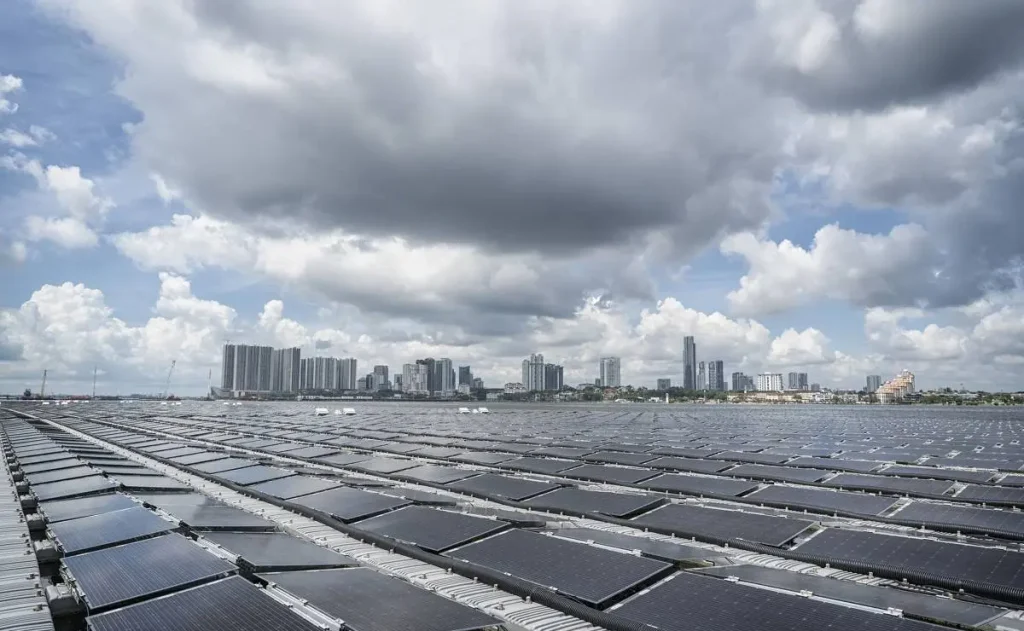
SINGAPORE, Singapore-based Equator Renewables Asia and China’s state-owned CRE International (CREI), a subsidiary of China National Nuclear Corp, have teamed up to develop a major solar and battery project in Indonesia’s Riau Islands to export clean electricity to Singapore. The partners plan to complete construction of a 900-megawatt (MW) solar photovoltaic (PV) plant and a 1.2 gigawatt-hour (GWh) battery energy storage system (BESS) by 2029, which will generate about 830 GWh of renewable energy annually, Equator said in a statement on Tuesday. Under the collaboration, CREI will lead investments, construction, and operations for the solar and battery facilities, while Equator will oversee transmission and coordinate power offtake arrangements. The multibillion-dollar project marks Equator’s first under Singapore’s cross-border renewable energy import initiative with Indonesia. The company is among six firms granted conditional approval to supply low-carbon electricity to Singapore. Financial terms were not disclosed. Cross-border grid links are seen as vital for Southeast Asia’s energy transition, reducing the region’s dependence on fossil fuels. Singapore aims to import around six gigawatts (GW) of low-carbon electricity by 2035, representing roughly one-third of its power needs. The city-state currently sources about 1% of its clean power from Malaysia.

Energy & Technology

China Omits EV Sector From Latest Five-Year Plan Amid Industry Oversupply Concerns

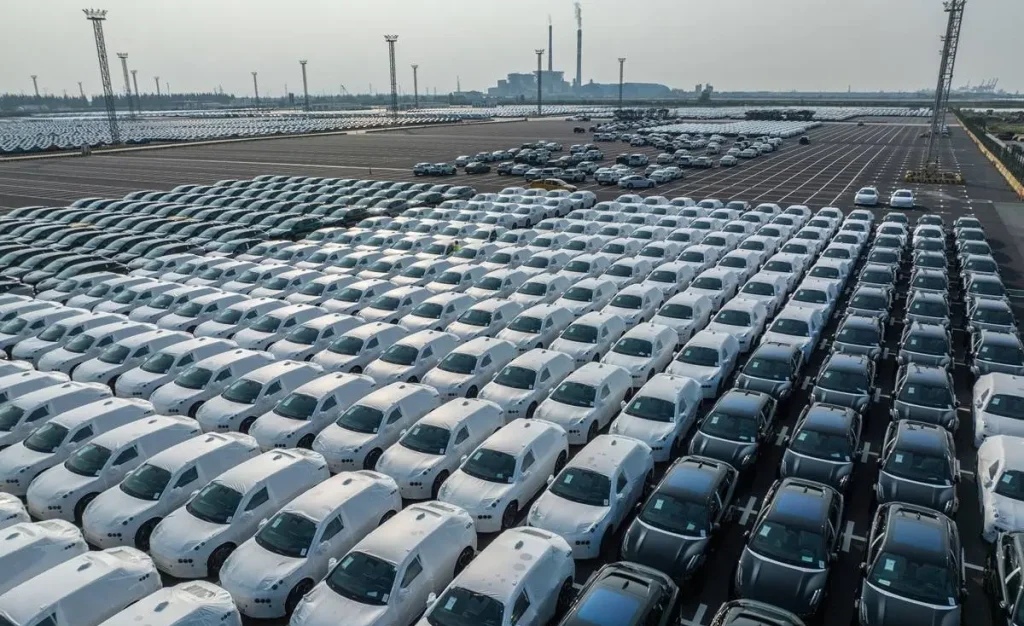
BEIJING, China has left electric vehicles (EVs) out of its list of strategic industries in the upcoming 15th five-year plan (2026–2030) — the first time in over a decade — as the country contends with mounting oversupply and intense competition in the sector. New energy vehicles (NEVs), which include EVs, plug-in hybrids and fuel cell cars, were previously designated as strategic emerging industries across the last three five-year plans, a move that helped cement China’s global dominance in EV production and technology through massive state subsidies and local government incentives. However, the latest plan, announced by state news agency Xinhua on Tuesday, shifts the government’s focus toward emerging fields such as quantum technology, bio-manufacturing, hydrogen energy and nuclear fusion — notably omitting NEVs from the list of priority sectors. While automobiles were briefly mentioned alongside housing, the government’s emphasis was on stimulating consumption by easing purchase restrictions rather than promoting industrial expansion. The full plan is expected to be officially approved at the National People’s Congress in March next year. China’s auto industry — the world’s largest — has been grappling with chronic overcapacity, a fierce price war and relentless competition among dozens of domestic EV makers. The saturation has prompted growing concern within Beijing over resource misallocation and unsustainable investment. Commenting on the plan, President Xi Jinping cautioned against “blind expansion” into trendy sectors, stressing the need for a more measured and coordinated approach to technological and industrial development. Earlier this year, Xi also questioned whether every province needed to pursue investments in sectors like artificial intelligence, computing power and EVs. Since launching its EV push in 2009, China has transformed cities such as Hefei and Xi’an into manufacturing hubs. Yet, with a glut in the domestic market and rising trade frictions threatening exports, the government appears to be recalibrating its priorities toward new frontiers of scientific innovation and energy technologies.

Scroll to Top

Subscribe
FREE Newsletter