Energy & Technology

Energy & Technology

WeRide Rolls Out Southeast Asia’s First Driverless Bus Service In Singapore

Chinese autonomous driving tech company WeRide has officially launched Southeast Asia’s first fully driverless bus service in Singapore, operating without a safety officer on board. The Robobus now runs on a fixed 1.2km route every 12 minutes, linking three hotels with The Galleria shopping mall on Sentosa Island. The bus is equipped with 360-degree sensors and can detect obstacles over 200 metres away, WeRide said in a statement on Thursday. This launch comes after a successful year-long trial that began in June 2024, during which the vehicle carried tens of thousands of passengers safely under the supervision of onboard safety operators. “All autonomous vehicle operators must first pass strict safety assessments before being allowed to remove human safety personnel from the vehicles,” said Lam Wee Shann, Deputy CEO and Chief Technology Officer at Singapore’s Land Transport Authority (LTA). Once these requirements are met, companies may transition to remote monitoring systems. The interior of WeRide’s fully driverless Robobus in Singapore. WeRide’s Chief Financial Officer and Head of International Business, Jennifer Li, said the service rollout demonstrates that its technology is ready for large-scale deployment in public transport systems. The announcement boosted WeRide’s stock, which rose 5.5% to close at US$9.26 on the Nasdaq on Thursday. Headquartered in Guangzhou, WeRide operates an R&D center in Singapore. It first introduced autonomous street-sweeping vehicles to the city-state in November, expanding operations to Jurong Lake Gardens by March. WeRide has secured testing approvals in five countries — China, the U.S., Singapore, France, and the UAE. In January, the company began testing driverless cars in Switzerland through a partnership with national railway operator SBB. That followed the launch of Europe’s first commercial autonomous minibus service at Zurich airport. Founder and CEO Tony Han previously said WeRide is focusing on Southeast Asia, the Middle East, Europe, Japan, and South Korea to grow its international presence and boost innovation. WeRide’s growing footprint abroad signals increasing global recognition of Chinese autonomous vehicle technologies. Other Chinese AV leaders such as Baidu and Pony.ai have also expanded overseas, with both partnering with Uber to test robotaxis in the Middle East.

Energy & Technology

PETRONAS At The Forefront Of Asia’s Carbon Capture And Storage Drive

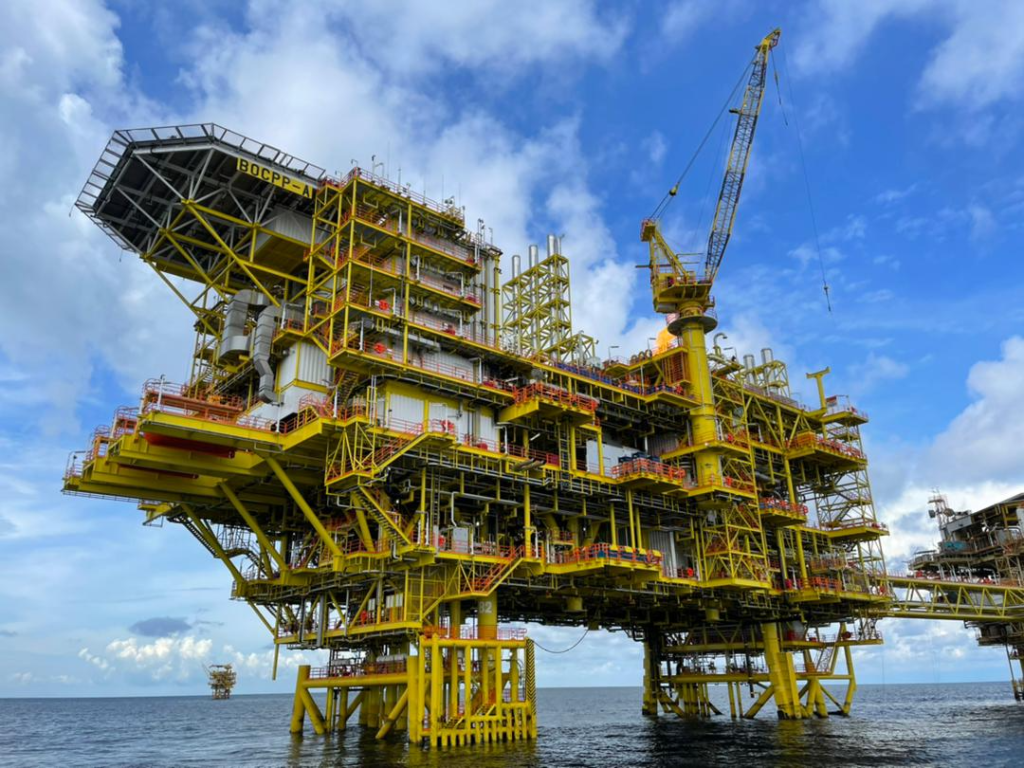
To achieve net-zero emissions by 2050, Malaysia is turning to a broad mix of decarbonisation strategies. While progress has been made in reducing operational emissions and expanding renewable energy, attention is now shifting to a crucial element: carbon dioxide (CO₂) removal. Central to this effort is Carbon Capture and Storage (CCS) — a technology that captures CO₂ emissions at their source, then transports and stores them deep underground in geological formations. Malaysia’s depleted oil and gas fields, along with its suitable geological structures, make it a prime candidate for CCS, especially for decarbonising hard-to-abate sectors such as steel, cement, and power. PETRONAS at the Forefront National oil and gas company PETRONAS has made CCS a key pillar of its decarbonisation strategy, both domestically and across Asia. The company has identified four active CCS sites — M1, Duyong, Penyu, and Lawit — as part of seven potential locations nationwide, according to Emry Hisham Yusoff, Senior General Manager of Carbon Management at PETRONAS. The M1 site, located offshore Sarawak, is the most advanced and will store CO₂ from the Kasawari gas field. The remaining three — Duyong, Penyu, and Lawit — are being developed to store emissions from non-oil and gas industries. “We’re offering CCS as a solution to other sectors,” said Nor A’in Md Salleh, PETRONAS General Manager of Carbon Capture and Storage. “Their adoption of CCS can directly contribute to meeting Malaysia’s national climate targets.” Regional Demand on the Rise CCS demand is rapidly increasing across Asia. Japan alone is expected to need 120 million to 240 million tonnes of CO₂ storage annually. PETRONAS sees this as an opportunity to not only help the region decarbonise but also strengthen Malaysia’s energy security. “Climate change doesn’t respect borders. Storing CO₂ in Malaysia benefits the entire region,” Emry noted. Beyond Japan, PETRONAS is in discussions with potential partners in South Korea and Singapore who are exploring CO₂ storage options in Malaysia. Backed by growing demand and geological advantages, PETRONAS plans to position Malaysia as a leading regional hub for cross-border carbon storage — supporting Asia’s broader transition to a low-carbon future.

Energy & Technology

Sarawak to Introduce Hydrogen Certification Scheme

KUCHING, Sarawak is developing its own hydrogen certification platform as part of its broader ambition to become a leading hydrogen hub for ASEAN, Premier Tan Sri Abang Johari Tun Openg announced. Sarawak Premier Tan Sri Abang Johari Tun Openg The platform, which will comply with international standards, is designed to enhance transparency, traceability, and buyer confidence in hydrogen trade. “This initiative could also pave the way for a regional ASEAN-level certification framework,” he said during his keynote at the World Hydrogen Asia 2025 event in Tokyo. Themed “Securing Asia’s sustainable energy future with hydrogen and low carbon fuels,” the event spotlighted Sarawak’s green energy efforts, which are outlined under the Sarawak Sustainability Blueprint 2030. Central to this is the Hydrogen Economy Roadmap — a plan to accelerate the state’s green transition by leveraging hydrogen to drive clean energy, industrial transformation, and economic growth. Major hydrogen projects are already progressing in Sarawak. The H2biscus initiative — a collaboration between SEDC Energy and South Korean firms Samsung Engineering, Lotte Chemical, and Posco — is expected to produce 630,000 tonnes of green ammonia, 600,000 tonnes of blue ammonia, 460,000 tonnes of green methanol, and 7,000 tonnes of green hydrogen annually at the Sarawak Hydrogen Hub in Bintulu. Except for the green hydrogen meant for domestic use, the rest will be exported to South Korea. Meanwhile, Project H2ornbill — involving SEDC Energy, Eneos, and Sumitomo Corporation — will add two hydrogen production plants to the same hub. Together, both projects could yield 240,000 tonnes of green hydrogen a year, potentially making Sarawak a global leader in hydrogen production. To support the domestic hydrogen ecosystem, Sarawak is also advancing local applications. A hydrogen plant in Rembus, Samarahan will supply fuel for the state’s upcoming autonomous rapid transit (ART) system, set to launch in stages from late 2026. This system includes 38 ART trams and 55 hydrogen-powered feeder buses. Hydrogen refuelling stations are already operational in Kuching. In rural development, Sarawak has successfully deployed hydrogen technology to power Malaysia’s first hybrid clinic in Long Loyang, Marudi. The modular system delivers up to 30kWh of power daily, providing reliable electricity for medical equipment and services to over 2,000 residents. Abang Johari outlined five strategic pillars of Sarawak’s hydrogen strategy: scaling up cost-efficient hydrogen hubs, promoting domestic applications, securing international offtake agreements, fostering public-private partnerships, and supporting talent development. He stressed the importance of regional collaboration to avoid fragmented efforts. “Shared infrastructure, joint R&D, and coordinated investments across ASEAN will ensure a stronger and faster transition,” he said, calling for co-investments in export terminals, storage facilities, and conversion plants. Bintulu’s recent selection as Malaysia’s first Transitioning Industrial Cluster (TIC) under the World Economic Forum underscores Sarawak’s leadership in clean industrial transformation. The cluster now joins 35 similar hubs globally, representing 66% of the world’s GDP. “This recognition positions Sarawak at the forefront of sustainable industry development, where climate goals align with economic opportunity,” said Abang Johari.

Energy & Technology

Sabah Government to Take 25% Stake in US$3.1 Billion Petronas Plant

PETALING JAYA, The Sabah government, via its energy arm SMJ Energy Sdn Bhd (SMJE), will acquire a 25% equity stake in Petronas’ US$3.1 billion (RM13.17 billion) nearshore floating liquefied natural gas (ZLNG) facility in Sipitang. The agreement was formalised through a heads of agreement signed between SMJE and Petronas at the Malaysia Petroleum Club. Chief Minister Hajiji Noor said the collaboration supports the state’s long-term development goals by fostering industrial growth, boosting energy security, and unlocking new economic opportunities. “The ZLNG project, with a production capacity of two million tonnes per annum (MTPA), is a significant addition to Malaysia’s LNG portfolio,” the statement from the Chief Minister’s Department said. Currently under construction, the facility is expected to begin operations in the second half of 2027. The ZLNG plant will further strengthen Sabah’s role in the LNG sector, alongside two other floating facilities — PFLNG1 (1.2 MTPA) and PFLNG2 (1.5 MTPA) — already operating in state waters. Sabah also plans to acquire a 40% participating interest in PFLNG1 through SMJE, with due diligence slated to begin in the second half of 2025.

Energy & Technology

Silver Ridge Secures Contract For Underground Cable Installation

KUALA LUMPUR – Silver Ridge Holdings Bhd announced that its 51%-owned subsidiary, Total SR Web 3.0 Sdn Bhd, has secured a RM16.9 million contract for underground cable installation works. In a filing with Bursa Malaysia on Friday, the telecommunications services provider said the contract was awarded by Elektron Berkat Sdn Bhd. The job involves installing IIKV aluminium XLPE cables and accessories across all zones of the distribution network division. Silver Ridge said the contract is expected to positively impact the group’s earnings for the financial year ending June 30, 2025. For the third quarter ended March 31, 2025, the group’s net profit surged over tenfold to RM327,000 from RM31,000 a year ago, driven by increased revenue of RM12.49 million, supported by new projects, especially in construction-related segments. Silver Ridge shares, which have fallen more than 50% year-to-date, closed at 20 sen on Friday—up three sen or 14.29%—giving the company a market capitalisation of RM57.25 million.

Energy & Technology

Infomina Unveils Malaysia’s First Industry-Recognised Digital Property Valuation Platform

KUALA LUMPUR – Technology solutions provider Infomina Bhd has introduced ValuationXchange, Malaysia’s first digital property valuation platform officially recognised by the industry. The platform is the result of a strategic collaboration with Geolytik Tech Sdn Bhd, forming a new joint venture called Infomina Geolytik Sdn Bhd. This initiative aims to transform property valuation and financing in Malaysia by increasing transparency, efficiency, and compliance. ValuationXchange is endorsed by PEPS Ventures Bhd, the commercial arm of the Association of Valuers, Property Managers, Estate Agents and Property Consultants in the Private Sector Malaysia (PEPS Malaysia), and supports adherence to Malaysian Valuation Standards (MVS). Infomina CEO and managing director Yee Chee Meng said the platform addresses growing demand for a more transparent and streamlined valuation process, especially in loan financing. “ValuationXchange creates a seamless ecosystem connecting valuers, real estate agents, and banks—improving accuracy, reducing delays, and enhancing compliance,” he said. The platform enables real estate agencies to pre-validate buyer credentials before submission to banks, helping reduce loan rejection rates and shorten approval timelines. It also benefits banks with more qualified applications and improves overall operational efficiency. Designed to comply with Bank Negara Malaysia’s Risk Management in Technology (RMiT) guidelines, ValuationXchange features real-time collaboration tools, transparent audit trails, and secure digital infrastructure built on Infomina’s banking-grade systems. Geolytik Tech executive director Joe Thor noted that the platform combines Geolytik’s data intelligence with Infomina’s secure infrastructure to tackle long-standing inefficiencies in the property and financing sectors. “This collaboration brings sharper decision-making and renewed trust to the ecosystem,” he added. Infomina Geolytik is currently onboarding valuation firms, estate agencies, and financial institutions nationwide. Positioned at the crossroads of fintech, proptech, and enterprise tech, the company aims to modernise one of Malaysia’s most crucial yet traditionally underserved sectors—aligning with the government’s MyDIGITAL vision for a tech-driven economy.

Energy & Technology

NexG Establishes MyNasional Holdings as AI and Data Intelligence Division

KUALA LUMPUR, NexG Bhd has announced the establishment of MyNasional Holdings Sdn Bhd, a new wholly owned subsidiary that will serve as the group’s dedicated artificial intelligence (AI) and data intelligence division. The initiative aligns with Malaysia’s Digital Economy Blueprint and the national MyDigital ID roadmap. In a statement on Friday, NexG said MyNasional Holdings is set to play a key role in supporting the government’s digitalisation agenda by providing secure, intelligent, and interoperable digital solutions across both public and private sector ecosystems. The new entity will focus on three core areas: Digital identity and eKYC (electronic Know Your Customer) verification Business data and corporate intelligence AI and smart analytics solutions To drive innovation, NexG will also establish MyNasional AI, a specialised unit under the new subsidiary, which will lead the development of next-generation AI technologies. These include behavioural analytics, intelligent screening systems, public safety forecasting, and smart city infrastructure solutions such as automated surveillance, digital traffic control, and data-driven resource management. As Malaysia moves towards becoming a digitally connected and AI-enabled nation, MyNasional AI is positioned to support inter-agency digital transformation while offering scalable models for smart cities, automated public services, and export-ready AI solutions for the regional market. NexG – Deputy Chairman Tan Sri Mohd Khairul Adib Abd Rahman NexG Deputy Chairman Tan Sri Mohd Khairul Adib Abd Rahman said the launch of MyNasional Holdings represents a foundational step in building Malaysia’s next-generation digital trust infrastructure. “Through platforms spanning eKYC, business intelligence, and AI innovation, we aim to accelerate public service delivery, strengthen digital resilience, and foster inclusive growth for all Malaysians,” he said.

Energy & Technology

Petrobras May Send More Oil to Asia After U.S. Tariff, Says CEO

RIO DE JANEIRO, Brazil’s state oil company Petrobras is considering shifting some of its oil exports away from the United States and towards Asia and Pacific markets, following the U.S. government’s decision to impose higher tariffs on Brazilian imports, CEO Magda Chambriard told Reuters on Thursday. While oil and gas make up a large portion of Brazil’s exports to the U.S., Chambriard said the American market is not critical to Petrobras. “We don’t export that much to the U.S. Overall, we’re not too concerned,” she said, addressing the 50% tariff announced last week by U.S. President Donald Trump—her first public comments on the matter. In the first quarter of 2025, U.S. exports made up only 4% of Petrobras’ total oil shipments. Analysts say that if Brazil stops sending oil to the U.S., the impact on both sides would likely be minimal. According to consultancy StoneX, Brazil supplied less than 3% of U.S. oil consumption so far this year. There is still some uncertainty over whether the new tariffs—set to take effect August 1—will apply to crude oil, which had previously been excluded from Trump’s 10% tariff hikes. In terms of refined oil products, 37% of Petrobras’ exports—roughly 209,000 barrels per day—went to the U.S. in the first quarter, though analysts believe that volume could be redirected to other markets without significant disruption.

Energy & Technology

Bintulu Port Subsidiary Strengthens Role in Offshore Energy Operations

Borneo Oil and Gas Supply Base Sdn Bhd (BOGSB), a subsidiary of Bintulu Port Holdings Bhd, has reaffirmed its commitment to advancing offshore energy operations through strategic infrastructure development and integrated support services. The company’s participation in International Energy Week (IEW) 2025, held at the Borneo Convention Centre Kuching (BCCK) from Tuesday to Thursday, underscored its dedication to enhancing Sarawak’s energy sector. “The event provided a valuable platform for meaningful engagement with industry stakeholders, paving the way for potential collaborations aimed at driving Sarawak’s energy ambitions,” BOGSB said in a statement. As Sarawak’s only dedicated supply base, BOGSB showcased its expertise in supporting offshore logistics and energy operations, receiving high-level recognition from state leaders during the exhibition. The strategic importance of BOGSB’s role was further highlighted by a visit from Sarawak Premier Tan Sri Abang Johari Tun Openg, accompanied by State Secretary Datuk Mohamad Abu Bakar Marzuki and members of the BOGSB board of directors. “As Sarawak’s premier supply base, we are committed to building infrastructure and forging partnerships that will shape the future of energy in the region and beyond,” the company added. With strong government endorsement and sustained industry engagement, BOGSB’s presence at IEW 2025 reinforced its position as a leader in transforming offshore logistics and supporting Sarawak’s growing prominence in the global energy landscape.

Energy & Technology, News

Malaysia Mandates Strategic Trade Permit for US-Origin AI Chip Exports

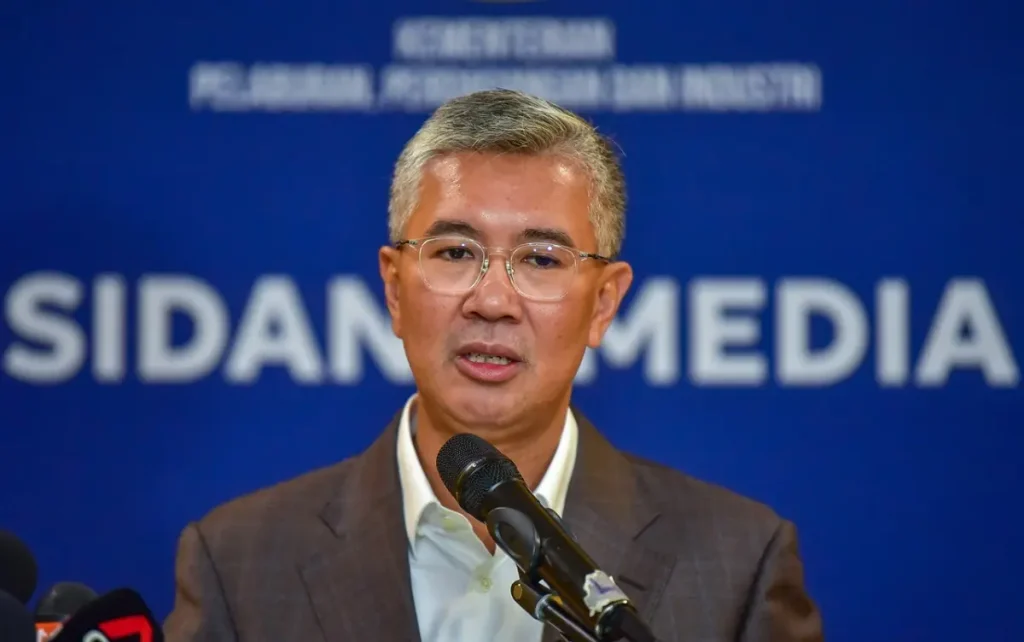
The Ministry of Investment, Trade and Industry (Miti) has announced the immediate enforcement of a Strategic Trade Permit requirement for all exports, transshipments and transits involving high-performance artificial intelligence (AI) chips of United States origin. The move, aimed at addressing regulatory blind spots, forms part of a broader commitment to uphold Malaysia’s international obligations. In a formal statement, Miti confirmed that the measure is instituted under Section 12 of the Strategic Trade Act 2010 (STA 2010), known as the Catch-All Control provision. This provision compels exporters to notify authorities a minimum of 30 days in advance should they intend to export, transship or transit any item not listed under the Strategic Items List (SIL), where there is knowledge or reasonable suspicion that the item could be misused or linked to restricted activities. “This initiative serves to close regulatory gaps while Malaysia undertakes further review on the inclusion of high-performance AI chips of US origin into the SIL of the STA 2010,” said the ministry. Miti reinforced Malaysia’s zero-tolerance policy toward the circumvention of export controls or participation in illicit trade. It emphasised that individuals or entities found in breach of the STA 2010 will be subject to strict legal action. The ministry underscored that Malaysia remains committed to facilitating investment and trade aligned with international standards and multilateral commitments. It also cautioned that all operating entities must adhere to international obligations to avoid potential secondary sanctions that could impact their commercial interests. “Malaysia will not tolerate any misuse of its jurisdiction for the purposes of illegal trade,” Miti affirmed, reiterating its resolve to ensure a secure, transparent, and rules-based trading environment. Stephen Innes, Managing Director of SPI Asset Management, commented that while the new directive does not directly disrupt Malaysia’s growing AI and data centre ecosystem — which continues to be underpinned by infrastructure expansion, strategic cloud partnerships and local talent — it signals an era of enhanced compliance oversight. “If you want to play in the AI sandbox, you now need to watch your sourcing, disclosure and compliance trail more carefully,” Innes told Bernama. He added that although multinational tech firms may absorb the regulatory shift with relative ease, smaller local enterprises and startups could face headwinds without strong legal frameworks in place. Malaysia’s established role in chip testing and packaging may, however, buffer the broader industry from serious operational disruption. “This law forces the industry to mature quickly in terms of compliance infrastructure. The upside is that it may accelerate Malaysia’s push toward more transparent, globally integrated standards,” he said. Echoing a similar sentiment, economist Professor Geoffrey Williams observed that the regulatory update represents a more cooperative stance compared to previous trade negotiations. “This will deliver a much better chance of lowering the 25% reciprocal tariffs and is better than taking a belligerent stance. It is a closer win-win engagement,” Williams said. He noted that the United States has voiced concern over potential rerouting of AI chips to China via third-party countries within ASEAN, in contravention of US export restrictions. Malaysia’s move, therefore, signifies a key step in the direction of harmonised regional controls. “Getting better coordinated regulation across ASEAN is a positive response to address US concerns, and Malaysia is playing a key role in this,” Williams added, noting that the measure is unlikely to affect the country’s legitimate data centre and AI operations, aside from clamping down on illicit activity. -The Star

Scroll to Top

Subscribe
FREE Newsletter