ESG

ESG

Wah Seng Centre First Malaysian Warehouse To Get GreenRE Platinum

Wah Seng (1986) Distribution Centre in Taman Maju Rapat has become the first warehouse in Malaysia to earn the prestigious GreenRE Platinum certification. Wah Seng (1986) Sdn Bhd, an Ipoh-based wholesale grocery and food supplier operating since the 1950s, serves over 800 hotels, restaurants, and cafés across Perak and the Cameron Highlands, providing dairy products, frozen meats, and bakery ingredients. Shaun Lai, the company’s business development director, said Wah Seng invested around RM9 million over three years to renovate and upgrade the warehouse in phases, focusing on sustainable design and operations. “The refurbishment integrates advanced strategies for energy, water, and carbon management, reducing environmental impact while boosting operational efficiency,” he said. Key sustainability measures include: 15% overall energy savings via high-performance building design and solar PV installation 57.53% reduction in water usage through efficient fittings and rainwater harvesting Reduced carbon emissions through tree planting around the warehouse “As a third-generation business, we understand that efficiency, sustainability, and responsibility must go hand in hand to secure Wah Seng’s future,” Lai added. GreenRE executive director Ir Ashwin Thurairajah said the evaluation took several months, reviewing over 100 criteria across energy efficiency and industrial decarbonization. “The Wah Seng Distribution Centre meets the highest standards, earning the GreenRE Platinum rating,” he noted. The GreenRE Platinum is Malaysia’s top recognition for sustainable building design, awarded by the Real Estate and Housing Developers’ Association (REHDA) to buildings scoring over 90 points in energy efficiency, water usage, and indoor environmental quality.

ESG

PAAB Launches Malaysia’s First Islamic Finance Framework With Blue Finance

Pengurusan Aset Air Bhd (PAAB) has introduced Malaysia’s first sustainable Islamic finance framework incorporating blue finance elements, with Maybank Investment Bank Bhd (Maybank IB) acting as the sole sustainability structuring adviser. From left, PAAB Chief Executive Officer (CEO) Zulkiflee Omar and right Maybank Invesment Bank Berhad Chief Executive Officer (CEO) Michael Oh-Lau. Wholly owned by the Minister of Finance (Incorporated), PAAB plays a key role in supporting the government’s efforts under the Ministry of Energy Transition and Water Transformation (PETRA) to improve efficiency, service quality, and long-term sustainability in the water services sector. In a joint statement, PAAB and Maybank IB said the framework is the first in Malaysia to integrate blue finance within an Islamic finance structure. It enables PAAB to issue instruments such as Blue Sukuk in line with international guidelines, including those by the International Finance Corporation (2025) and the International Capital Market Association (2023). The framework is designed to support improvements in efficiency, resilience, and sustainability of Malaysia’s water sector, while contributing to the United Nations Sustainable Development Goals. RAM Sustainability has independently reviewed the framework and awarded it a “platinum” rating—the highest under its second-party opinion (SPO)—confirming strong alignment with global sustainable finance standards. PAAB is the first organisation to receive this top distinction, reflecting robust governance and giving confidence to investors. PAAB CEO Zulkiflee Omar said the framework strengthens PAAB’s role as the nation’s water asset custodian and supports sector transformation by embedding sustainability into its financing strategy. Meanwhile, Maybank IB CEO Michael Oh-Lau said the collaboration aligns with Maybank’s ROAR30 strategy, which aims to mobilise RM300 billion in sustainable finance by 2030, including RM100 billion for new economy sectors. He added that the bank has already mobilised RM176.12 billion between 2021 and 2025. He noted that the initiative will help address funding needs for water infrastructure while supporting efforts to reduce non-revenue water.

ESG

MPOB Launches Used Cooking Oil Price Portal

The Malaysian Palm Oil Board (MPOB) is encouraging industry players and the public to actively participate in the trading of used cooking oil (UCO) to support the nation’s circular economy initiatives. In a statement, MPOB announced the launch of a domestic UCO price reference portal, which is accessible free of charge to all stakeholders. The platform aims to improve transaction transparency and facilitate the buying and selling of used cooking oil in Malaysia. The initiative, introduced through the Ministry of Plantation and Commodities, is part of ongoing efforts to enhance market transparency, strengthen price discovery, and reduce uncertainty across the oil palm industry value chain. MPOB director general Datuk Dr Ahmad Parveez Ghulam Kadir said the reference price provides a clearer and more reliable benchmark, helping to develop a transparent and inclusive UCO supply chain. He added that the move also supports the government’s push for a circular economy, positioning used cooking oil as a valuable raw material. UCO is increasingly in demand globally as a feedstock for sustainable energy products such as biodiesel and sustainable aviation fuel (SAF), as well as various oleochemical products. Demand for SAF is expected to rise significantly as the aviation industry targets net-zero carbon emissions by 2050, with projections showing demand could grow three to five times by 2030. MPOB noted that Malaysia has strong potential in UCO supply, given the widespread use of palm-based cooking oil in households and the food service sector, including catering businesses and fried food vendors.

ESG

Maybank Provides S$65M Loan For Singapore’s Fourth Egg Farm

Maybank has extended a term loan facility of up to S$65 million (RM200.42 million) to ISE Foods Holdings (IFH) as the sole financier to partly fund the development of Singapore’s fourth egg farm (SG4EF). IFH is a subsidiary of SGX-listed Ellipsiz Ltd, and the project represents a key milestone for both the company and Singapore’s local food production efforts. The large-scale farm will be built on a site identified in collaboration with the Singapore Food Agency (SFA) and other government agencies. Maybank and Ellipsiz said the project is expected to boost local egg production and support Singapore’s target of meeting 30% of its protein needs by 2035, enhancing food security and reducing reliance on imports. Maybank Singapore country CEO Alvin Lee said the financing aligns with the bank’s focus on the new economy and sustainability. He added that the SG4EF project will incorporate advanced agritech and smart warehousing solutions, and qualifies as a social loan under Maybank’s food security and sustainable food systems category.

ESG

RHB Brings Raya Cheer Through “Projek Baju Raya”

RHB Banking Group (“RHB” or “the Group”) recently collaborated with the Projek Baju Raya initiative, to support the collection and distribution of pre-loved and new Baju Raya for the underserved communities and orphanages. Through this initiative, RHB served as the collection and distribution platform, enabling members of the public to contribute Baju Raya that they wish to donate. Donation points were made available to encourage wider public participation. A total of 9,000 pieces of festive clothing were successfully collected and delivered to 18 charity homes across Klang Valley, extending festive cheer and support to the underserved communities ahead of Hari Raya Aidilfitri. Volunteers also distributed close to 200 sets of essential food supplies, including rice, sugar, flour and condensed milk, to help ease the financial burden of families preparing for the upcoming celebrations. Dato’ Mohd Rashid Mohamad, Group Managing Director/Group Chief Executive Officer of RHB Banking Group said, “Hari Raya is a time to share kindness, celebrate togetherness and uplift those in need. Through Projek Baju Raya, RHB is honoured to serve as a platform for the public to contribute meaningfully to the underserved communities and orphanages. We are heartened by the overwhelming support received, which saw 9,000 pieces of clothing delivered to 18 charity homes. This initiative reflects the power of collective action in bringing joy, dignity and festive cheer to those in need as they prepare for the Aidilfitri celebrations.” As part of its wider Hari Raya Aidilfitri outreach, RHB also organised RHB Shopping Raya 2026, where RHB volunteers accompanied 100 underserved families on a festive shopping experience in collaboration with AEON BiG Kepong. The programme was aimed at helping ease the financial burden of the families in need while ensuring they could celebrate Aidilfitri with greater comfort and joy. Volunteers joined the families during the shopping trip, helping them pick out festive essentials for the upcoming celebrations. Beyond Klang Valley, RHB also extended festive assistance to 20 underserved families nationwide to help ease their Hari Raya preparations. “Seeing the smiles on their faces mean a lot to us. Moments like these remind us that even the smallest act of kindness can mean so much. Together, we hope to let these families know that RHB cares deeply and will continue to do our very best to support them,” added Dato’ Mohd Rashid. Projek Baju Raya was made possible through the collective efforts of RHB employees and the Group’s community partners, including the Community Recycle for Charity, Dinda Arya, Gatefold Solutions, Kebi Apothecary, the Inland Revenue Board of Malaysia, the MARA Japan Industrial Institute, the Securities Commission Malaysia and Watsons, each playing their own unique role in the project.

ESG

Vietnam Signs $974 Million LNG Deal To Boost Energy Security

Vietnam is accelerating its liquefied natural gas (LNG) development to meet surging electricity demand amid strong economic growth. State utility Electricity of Vietnam (EVN) has awarded a $974 million construction contract to a consortium led by PowerChina and Lilama to build the Quang Trach II LNG power plant in central Quang Tri province. Once completed, the facility will provide 1,612 megawatts of capacity, making it one of the country’s largest new power generation assets. The move comes as Vietnam’s economy expanded 8% last year, driving industrial growth and putting pressure on the national grid. EVN described Quang Trach II as both an energy security measure and a transitional climate investment, noting that it will enhance grid reliability while supporting the country’s greenhouse gas reduction commitments. Vietnam’s energy mix remains heavily coal-dependent, with coal generating over 40% of electricity. The new LNG plant reflects a pragmatic shift toward lower-carbon fuels as the country ramps up renewable energy deployment. LNG offers faster deployment compared with large-scale renewables and adds flexibility to the grid during the transition. The project will use General Electric Vernova turbines, highlighting the growing involvement of international technology providers in Southeast Asia’s energy buildout. Analysts see Quang Trach II as part of a broader strategy to diversify the energy mix, reduce reliance on coal imports, and balance investor expectations on emissions and governance. The partnership between PowerChina and Lilama underscores Vietnam’s reliance on foreign engineering expertise for major energy projects, even amid geopolitical competition and increasing scrutiny of environmental, social, and governance (ESG) factors. Set to be fully operational by 2030, the plant aligns with Vietnam’s medium-term power development roadmap. As electrification expands across manufacturing hubs and urban centres, reliable supply will be critical to sustaining economic momentum and attracting foreign investment. For executives and investors, Quang Trach II highlights the challenge for emerging markets to balance energy security, economic growth, and climate commitments. While LNG reduces emissions compared with coal, it still extends fossil fuel reliance, raising questions about long-term sustainability. Policy updates and financing structures for similar projects will be closely watched by ESG investors and multinational stakeholders. Quang Trach II reflects a wider regional trend: governments are increasingly investing in transitional fuels to maintain economic stability while building the infrastructure needed for a low-carbon future.

ESG

Sunway Invests RM23m To Expand SJK(C) Cheah Fah In Johor

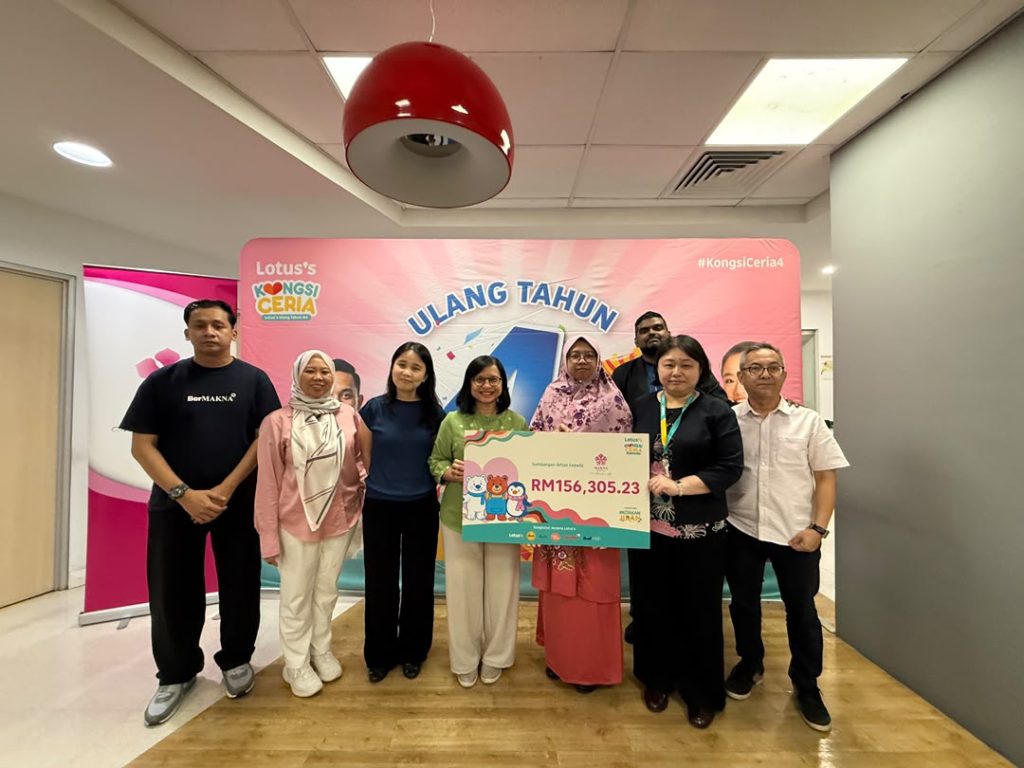
SJK (C) Cheah Fah has begun the second phase of its expansion, backed by a RM23 million investment from Sunway Group, to accommodate rising student enrolment as Johor’s southern corridor continues to grow. The primary school, which opened in 2022 with RM18 million in funding from Sunway Group and the Jeffrey Cheah Foundation, was the first of 10 Chinese national-type schools approved under the Johor state government’s allocation. Sunway City Iskandar Puteri chief executive officer Gerard Soosay said the expansion reflects the increasing demand for quality education as the township evolves into a family-oriented community. “Education remains one of the most powerful pathways out of poverty and a key driver of social mobility. This expansion ensures that public schooling capacity grows alongside the increasing population in the area,” he said in a statement. Currently, the school has more than 820 students and is approaching its existing capacity of 1,000 pupils. The new expansion will add 12 classrooms, increasing the school’s capacity to about 1,500 students. The canteen will also be upgraded to accommodate all students at the same time. The design of the new facilities also takes into account possible future policy changes, including the government’s proposal to allow six-year-olds to enrol directly into Standard One. To date, Sunway has contributed RM23 million to the school, including an additional RM5 million pledged following a fundraising dinner held in 2025, which raised RM1 million from more than 900 donors. According to Sunway, construction will proceed without disrupting ongoing classes and is expected to be completed by the end of the year. The expansion comes amid renewed economic momentum in Johor, driven by rising industrial investments, increased cross-border activity and growing residential demand. Once completed, the expanded campus is expected to further strengthen Sunway City Iskandar Puteri’s position as a family-focused township centred on education, while reflecting Sunway’s continued support for national-type schools. SJK (C) Cheah Fah is one of eight schools nationwide adopted by Sunway Group and the Jeffrey Cheah Foundation, Malaysia’s largest education-focused social enterprise. To date, the foundation and Sunway have contributed more than RM62 million to these schools and awarded over RM967 million in scholarships and grants to thousands of students across the country.

ESG

Entrepreneurs Urged To Accelerate Technology Adoption And Good Governance

Micro, small, and medium enterprise (MSME) entrepreneurs are being urged to change their mindset and accelerate the adoption of technology and sustainable governance practices to remain competitive in today’s economy. Rizal Datuk Nainy, Chief Executive Officer of SME Corp Malaysia, said digital transformation has become a key factor in business survival. “Entrepreneurs must view digitalisation as a core necessity in business operations, not just an option. Without it, businesses risk falling behind — not only in profitability but also in efficient and systematic business management,” he said during the PuTERA35 programme. He also highlighted the growing importance of Environmental, Social, and Governance (ESG) practices, which are increasingly valued in the global business ecosystem. “Multinational corporations and high-performing companies now require ESG reporting as a condition for participation in their supply chains. Major buyers today expect SMEs to provide disclosure reports as part of business collaboration requirements,” he explained. Meanwhile, Nadira Yusoff, CEO of Kiddocare, noted that technology adoption also enables companies to create broader social impact. “Every service provided by our childcare platform supports not only families in need but also creates employment opportunities for caregivers. Each service impacts two lives — the family receiving care and the caregiver earning an income,” she said. She added that business expansion is not just about increasing the number of clients but also about ensuring that the community of caregivers grows alongside the platform.

ESG

Jemaluang Dairy Gets RM95.8M To Increase Milk Production By 2027

Jemaluang Dairy Valley (JDV), a joint initiative between the Johor government and the East Coast Economic Region Development Council, has obtained RM95.8 million in financing from MBSB Bank Bhd to expand its milk production capacity to 14 million litres per year by 2027. The funding will be used to acquire high-tech equipment, additional A2 Jersey Friesian cattle from Australia, and a state-of-the-art milk processing facility capable of producing 14 million litres annually. Once operational, JDV is expected to supply roughly 16% of Malaysia’s fresh milk, reducing the country’s reliance on imports and enhancing national food security. From left: Arizan Arifin (ECERDC), Abdul Hakim Abd Manap (Mersing District Office), Raven Kumar Krishnasamy (Johor Unity, Heritage & Culture), Datuk Zahari Sarip (Johor Agriculture & Rural Development), Johor Menteri Besar Datuk Onn Hafiz Ghazi, Datuk Syed Mohamed Syed Ibrahim (JCorp), Dr Lim Ban Keong (Rhone Ma Holdings), and Qasem Alhasan (JDV CEO). The new processing plant will produce fresh pasteurised milk as well as flavoured variants such as strawberry, chocolate, and kurma. The facility, part of JDV’s integrated dairy ecosystem, is planned to begin operations in early 2027 with the potential to scale up to 30 million litres. JDV is owned by Jemaluang Dairy Valley Sdn Bhd (JDVSB), a joint venture between Kulim (Malaysia) Bhd, a subsidiary of Johor Corporation (JCorp), and A2 Fresh Holdings Sdn Bhd. Kulim holds a 65% controlling stake — including a 30% interest held in trust for the Johor state government — while A2 Fresh Holdings, part of Rhone Ma Holdings Bhd, holds 35%. The farm will also serve as an agro-tourism destination. The first phase, opening mid-2027, will welcome school visits with activities such as ATV rides, camping, and a mini zoo. The second phase will open to the general public in 2028. MBSB group CEO Rafe Haneef highlighted that food security is a national priority requiring substantial investment. He noted that the RM95.8 million facility supports Johor’s first fully integrated, tech-enabled, and ESG-compliant dairy ecosystem. JDVSB CEO Qasem Alhasan said the project is designed as a comprehensive dairy ecosystem, combining modern farming technology, sustainable practices, and local talent development. The initiative aims to deliver high-quality, locally produced milk at scale while contributing to Malaysia’s long-term food security goals.

ESG

Tropicana, Signature And EDCA Energy Partner On Sustainable Homes

Tropicana Corporation Bhd has formed a strategic partnership with Signature Distribution Sdn Bhd and EDCA Sdn Bhd (EDCA Energy) to promote sustainable living and improve the home ownership experience at Avisa Residences. Ixora Ang, Tropicana’s managing director of marketing, sales, and business development, said the tie-up with Signature offers Avisa homeowners seven curated home-enhancement packages tailored to different lifestyle needs. These packages can be paid progressively over six, 12, or 18 months before renovation work begins, starting from as low as RM20,800. The instalment-based prepayment plan makes renovation costs more manageable, easing financial commitments for new homeowners. Through the partnership with EDCA Energy, homeowners at Avisa Residences can also access competitively priced solar panel systems under the Solar Accelerated Transition Action Programme (Solar ATAP), limited to the first 50 units. This initiative encourages energy-efficient, future-ready living at Tropicana Alam. Ang said the collaboration demonstrates Tropicana’s commitment to sustainable practices, green building excellence, and a seamless, enhanced home ownership experience. Signature group CEO Lau Kock Sang added that the partnership allows homeowners to begin financial and design planning early through structured prepayments, making the moving process more structured, transparent, and stress-free.

Scroll to Top

Subscribe
FREE Newsletter