Investment & Market Trends

Investment & Market Trends, News

Ringgit Continues 11-Day Rally Against US Dollar

KUALA LUMPUR: The Malaysian ringgit reached 4.4000/4150 against the US dollar earlier this morning at 11.32am, which appreciated from 4.4930/5010 at 8am versus the US dollar from last Friday’s close of 4.4945/4995. This is a continued upward momentum for 11 straight days against the US dollar as investors redirect their investments towards the Asia Pacific region, following wearker US jobs data last Friday. It was reported that the US unemployment rate jumped to a near 3-year high of 4.3% in July compared to 4.1% in June. UOB Kay Hian Wealth Advisors Head of Investment Research Mohd Sedek Jantan said that in the wake of the weak US jobs data, US bond yields dropped significantly as investors sought safety in fixed income. Consequently, the 2-year treasury yields experienced a notable decline, from 4.39% to the current 3.91%, marking the lowest level since March 2023 and resulting in the dollar index (DXY) dropping more than 1% in a single day. “Additionally, the dovish tone from both the Bank of England and the Federal Reserve last week was likely to Sustain the increased demand for the ringgit,” he said. Meanwhile, Bank Muamalat Malaysia Bhd Chief Economist Dr Mohd Afzanizam Abdul Rashid believes the ringgit versus US dollar is on track to move towards its current support level of RM4.40. As such, he anticipated the ringgit against greenback to range between RM4.47 and RM4.48. “The US bond markets are in bullish mode, indicating that the players are expecting a steeper drop in Fed Fund Rate,” he said. Meanwhile, the ringgit traded lower against a basket of major currencies and was mixed against ASEAN currencies. It fell against the British pound to 5.7447/7550 from 5.7264/7328 at Friday’s close, dropped vis-a-vis the euro to 4.9019/9106 from 4.8635/8689 previously, and decreased versus the Japanese yen to 3.0848/0913 from 3.0177/0214 last week. Against the ASEAN Currencies, the local note was almost flat versus the Indonesian rupiah to 277.3/277.9 from 277.4/277.8 and was flat vis-à-vis the Philippine peso at 7.37/7.57. It slid against the Singapore dollar to 3.3889/3952 from 3.3750/3793 and dropped versus the Thai baht to 12.7158/7503 from 12.7093/7284 previously.

Investment & Market Trends, News

Datasea Enters into Sales Agreements, Expecting $62 Million in Sales

BEIJING: Datasea Inc., a Nevada corporation engaged in innovative businesses in high-tech intelligent acoustics and 5G-Artificial Intelligence multimodal communication technology in the United States and China, announced 3 sales agreements with its subsidiaries in China. The agreements reached a total value of approximately US$61.7 million that encompass two agreements for its 5G-AI communications segment, and one agreement for Datasea’s high-tech acoustic products segment. Datasea CEO Liu Zhixin commented, “We are pleased to enter into the new agreements as they are expected to increase new customer orders for both our 5G AI communications and acoustics products segments. We believe that both of our businesses are beginning to gain excellent traction due to their high value in the 5G communications and healthy living marketplaces. “In addition, we are confident that the two segments’ core AI functionality will drive further technological innovation and increased market share,” she Zhixin. Datasea’s three new sales agreements include the company’s Guozhong Haoze subsidiary signing a 5G AI Multimodal Communication Agreement with Shenzhen Juhaowan Technology Co., Ltd., an online lifestyle services and application service provider on 15 May 2024. According to the agreement, Juhaowan can purchase 5G multimodal communication delivery services from Guozhong Haoze over the course of 12 months which have an estimated total value of up to US$30 million. Another agreement was made on 13 May 2024, involving the company’s Heilongjiang Xunrui subsidiary that signed a 5G AI Multimodal Communication Agreement with Shenzhen Yuzhongqing Technology Co., Ltd., a firm primarily engaged in internet and related services. According to the agreement, Yuzhongqing can purchase 5G multimodal communication delivery services from Heilongjiang Xunrui over the course of 12 months which have an estimated total value of up to US$30 million. Finally, on 8 June 2024, the company’s Shuhai Jingwei subsidiary entered into an Acoustic Products Sales Agreement with Tianjin Qianli Culture Communication Co., Ltd., an internet promotion and marketing service provider, for the Company’s acoustic high-tech products. According to the agreement, Qianli Culture will purchase a total of approximately 20,000 units of the company’s “Tianer” and “Star Sleep” branded products, including air disinfection machines, restroom deodorization and disinfection devices, and sleep aids, by 31 December 2024, with the total contract amount reaching approximately US$1.7 million.

Investment & Market Trends, News

Boost Exports of Cars, Parts & Components to Make Malaysia Regional Auto Hub

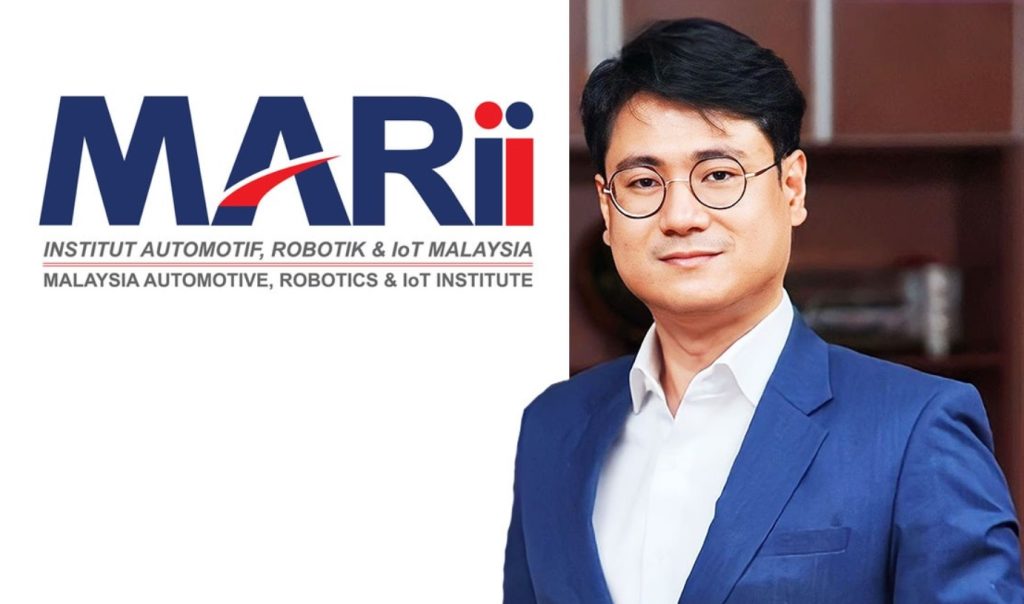
KUALA LUMPUR: Malaysia’s potential to become an automotive hub for ASEAN not only lies in strategies to boost car exports, it also hinges on the increased export of parts and components. To achieve this, Malaysian automotive and parts companies must persevere to increase exports of cars significantly, enabling parts to be sold at more competitive prices. Increased sales volumes can reduce production costs and subsequently, component prices, making them more competitive than those in regional and neighbouring countries where auto parts are cheaper due to the high sales volume. Car manufacturers, auto industry researchers and economists believe that these endeavours are crucial to establishing Malaysia as a regional automotive hub for ASEAN and taking advantage of the region’s close to 700 million consumer base. “We urge original equipment manufacturers (OEMs) to not only export cars but also parts and components, thereby enhancing the overall competitiveness of the Malaysian automotive industry,” said Azrul Reza Aziz, MARii Chief Executive Officer. He said this in response to reports that Malaysia’s supply chain costs are 30% higher than Chin’s and 10% costlier than Thailand’s. Azrul Reza pointed out that it is essential to recognise that these costs vary significantly, depending on each company’s cost structure, car model and supply chain ecosystem. He highlighted that companies may have different levels of maturity in their supply chains, which impacts their overall cost efficiency. Malaysia undoubtedly has a lot of catching up to do, as, despite marking significant growth, its record-high total production volume (TPV) was only 775,000 vehicles, compared to China’s TPV which stood at around 30 million vehicles and Thailand’s at 1.8 million vehicles. Azrul Reza said Malaysian companies must transform by embracing digital advancements, leveraging Industry 4.0 (IR4.0) technologies to address the challenges. This is crucial as the country aims for carbon neutrality by 2050, focusing on the development of electric vehicle (EV) components, autonomous vehicles (AV), and Internet of Things (loT) components. “Given the constraints on purchasing raw materials in bulk due to cost implications and the added expenses of stock handling and maintenance, digital solutions offer respite in terms of immediate insights and resolutions. “Furthermore, digital solutions enhance efficiency and effective improvements in research and development, notably through the utilisation of computer-aided engineering and additive manufacturing technologies,” he said. Meanwhile, Malaysian Automotive Association (MAA) president Mohd Shamsor Mohd Zain noted that China and Thailand’s domestic pool of population, vehicles, and maintenance networks are considerably larger than Malaysia’s. Their reduced reliance on exports means that their vendors are less vulnerable to fluctuating exchange rates. Similarly, such costs are largely driven by the push and pull of demand and supply, he said. “Although Malaysia has a relatively mature automotive supply chain, dating back more than 50 years, the cost of setting up, or refreshing component manufacturing with new technology is very high. “The most effective way to justify these investments is for Malaysia to position itself as an export hub,” he said. Mohd Shamsor said the local automotive industry needs to build its competencies in terms of quality, affordability and productivity in locally-produced parts by expanding the export volume and ramping up OEMs’ capacities. He added that manufacturers often have different perspectives on how their business models are structured and cost is only one consideration among many. — BERNAMA

Investment & Market Trends, News

Government Strives to Ease Cost of Living Amidst Economic Growth

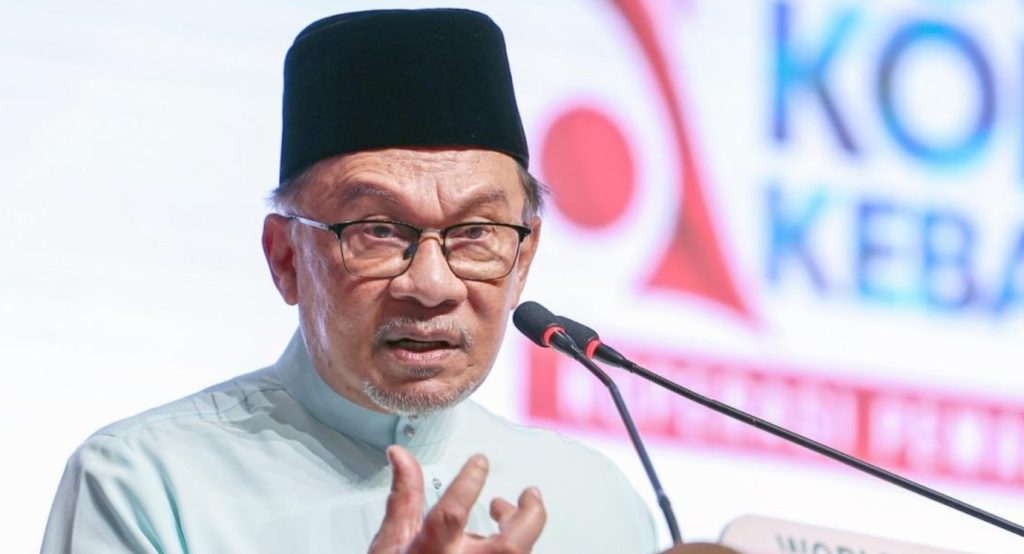
KUALA LUMPUR: Despite the ringgit’s recent strengthening and a 5.8% economic growth in the second quarter, the government is still working to ease the cost of living burden, Prime Minister Datuk Seri Anwar Ibrahim said. He said with various measures taken, the inflation rate has been successfully controlled at 2%, and the national unemployment rate at 3.3%. “But am l satisfied? No, because we are still facing cost-of-living issues in some areas, which put pressure on everyday life,” he said at the National Cooperative Congress 2024 closing ceremony, which was attended by Entrepreneur Development and Cooperatives Minister Datuk Ewon Benedick, his deputy Datuk R Ramanan, Chief Secretary to the Government Tan Sri Mohd Zuki Ali and Angkasa president Datuk Seri Dr Abdul Fattah Abdullah. Anwar emphasised that the government is continually seeking solutions to the cost-of-living issue, including the Sumbangan Tunai Rahmah (STR) totalling RM10 billion to 9 million people. He also highlighted the government’s move to review the Public Service Remuneration System (SSPA) to raise civil servants’ salaries as an effort to alleviate living costs. “Next October, we will finalise the new remuneration system with significant salary increases for civil servants. We hope this will lead to more efficient work. Control and supervision will also be tougher, as the increase is not small. It is the highest in history, exceeding 15% he said. Anwar also called for national unity to elevate the country’s dignity and expressed his desire for the cooperative movement to become a pillar of economic growth. — BERNAMA

Investment & Market Trends, News

Selangor to Focus on Developing Service Sector in 5 Years

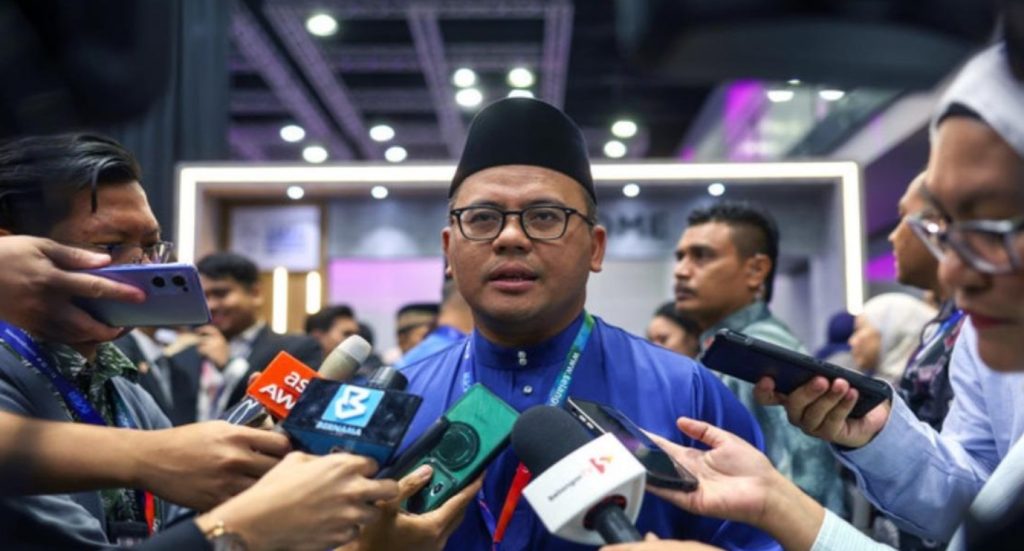
KUALA LUMPUR: The Selangor government will focus on the development of the service sector for this 5-year period, said Selangor Menteri Besar Datuk Seri Amirudin Shari. He said the development of a third port on Carey Island, Kuala Langat which is included in the plan is expected to drive higher economic growth in the state. “The transition to services based on online or digitalised service sector is one of the key strategies forward to drive the economy in Selangor and Malaysia in general,” he added. Amirudin also outlined some of Selangor’s unique features that are able to attract investors to the state and that Selangor’s position in the middle of Peninsular Malaysia, mega infrastructure such as the airport, seaport and highway network also developed more industrial areas that contributed to the economic growth of the state. “Selangor also produces more than 40,000 graduates from 150 higher education institutions every year who can meet the needs of the industry. “The Selangor government’s durable and agile policies and administration is also one of the unique features of this state,” he said at the Selangor ASEAN Business Conference (SABC). Amirudin said the First Selangor Plan (RS-1) which is the state’s development framework is expected to increase the rate of contribution to the state’s gross domestic product (GDP) up to 0.5% in the future. He said the matter was proven when Selangor managed to contribute 25.9% to Malaysia’s GDP with an increase of 0.4% in 2023, compared to the previous year. “Before RS-1 was presented, the contribution to GDP increase was only between 0.2% and 0.3%, but when it was launched, the contribution percentage (to GDP) increased to almost 0.5%. “This is because RS-1 is more in-depth in its planning, supported by manpower and infrastructure, so we are confident of being able to contribute RM500 billion within these few years,” he said. The dialogue session which was also attended by Penang Chief Minister Chow Kon Yeow discussed the strength of the two states to attract investment into the country. Meanwhile, Selangor State Investment, Trade and Mobility Committee chairman Ng Sze Han said SABC has served as a vital platform for ASEAN and global leaders to discuss important economic issues, explore trade opportunities, and form strategic partnerships. In his opening speech, he said SABC 2024 aimed to build on its past successes, where it attracted over 2,400 participants from all 10 ASEAN countries and beyond. — BERNAMA

Investment & Market Trends, News

MSMEs Contribution to GDP Grew 5% in 2023, Added Value of RM613.1 Bil

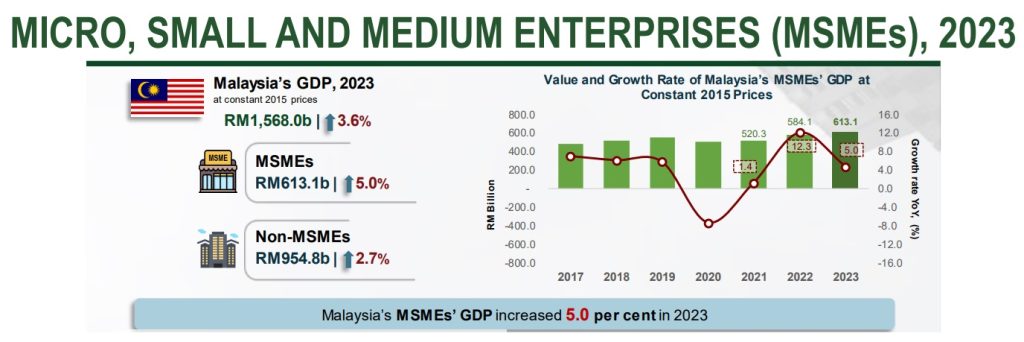
The contribution to the gross domestic product (GDP) by micro, small and medium enterprises (MSMEs) grew by 5% in 2023, with a value-added of RM613.1 billion and contributing 39.1% to Malaysia’s economy, according to the Department of Statistics Malaysia (DOSM). MSMEs’ growth has surpassed Malaysia’s GDP growth of 3.6% in 2023. Chief Statistician Datuk Seri Dr Mohd Uzir Mahidin said that the services and manufacturing sectors are the main contributors, which comprises 84.8% of the MSMEs’ GDP. “The agriculture sector contributed 9.1% to MSMEs’ GDP, followed by the construction (4.5%) and mining and quarrying (0.5%) sectors,” he said in a statement. Mohd Uzir said the services sector increased 6.5% in 2023 from 17.2% in the preceding year. “The performance was supported by steady growth in the main sub-sectors, namely wholesale and retail trade, food and beverages and accommodation (5.7%), finance, insurance, real estate and business services (6.3%) and transportation and storage and information and communication (10.6%). The manufacturing sector recorded a growth of 1.5% (2022: 6%) and was influenced by positive growth in food, beverages and tobacco (5%) and non-metallic mineral products, basic metal and fabricated metal products (5.3) sub-sectors. The value added of MSMES in the agriculture sector increased 1.3% in 2023, higher than the 0.9% growth in the preceding year. The performance was supported by the rubber, oil palm, livestock & other agriculture (1.8%) and fishing (0.5%) sub-sectors. Meanwhile, MSMEs’ value added of construction, mining and quarrying sectors also expanded by 5.8% (2022: 5%) and 4.9% (2022: 10.7%), respectively. On another note, Mohd Uzir said exports of MSMEs stood at RM152.2 billion with a growth of 4.5% in 2023, slower than the 17.2% recorded in the preceding year. He said MSMEs’ employment continued to register an increase, albeit at a slower annual growth of 3.5% compared to 3.8% in 2022, to record a total of 7.86 million persons from 7.59 million persons in 2022. “Accordingly, the contribution of MSMEs employment to Malaysia’s employment in 2023 was 48.5%, which grew 0.3 percentage points from 48.2% in 2022,” he said. — BERNAMA

Investment & Market Trends, News

Inflation, Economic Growth Forecasts Not Affected By Targeted Subsidy Implementation

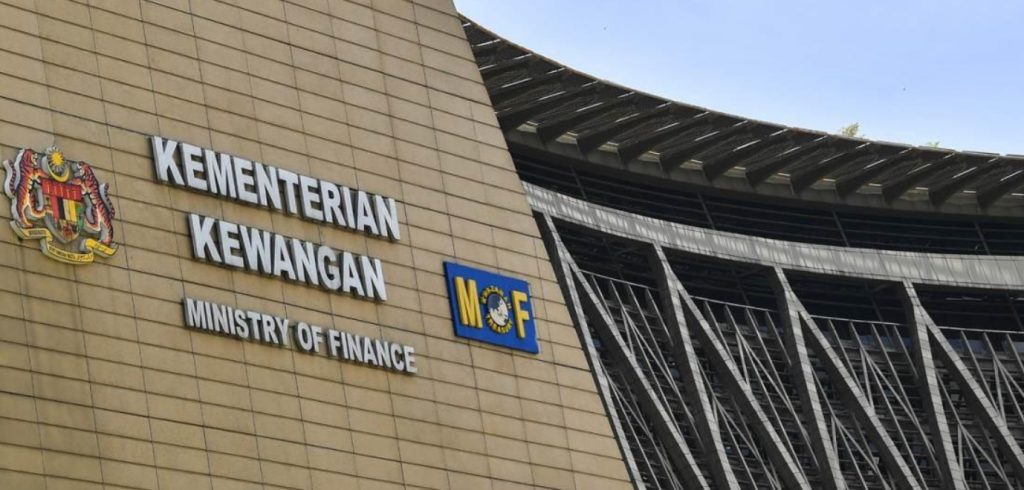
KUALA LUMPUR: The implementation of targeted diesel subsidies is not expected to have a significant impact on inflation and economic growth as the government has taken into account the rate of increase in diesel retail price and the cash assistance provided. Therefore, the official 2024 forecasts for inflation and gross domestic product (GDP) growth remain at 2%-3.5% and 4%-5% respectively, said the Ministry of Finance (MoF). “In principle, the government takes the approach of subsidy rationalisation while continuing to provide subsidies to groups that are in need, especially those with low to medium incomes,” MoF said in a written reply on the Parliament website. The ministry explained that the retargeting of subsidies is intended to reduce leakages to groups that are not eligible to receive them such as foreign citizens, large private companies and high-income individuals. Under the diesel subsidy retargeting, cash assistance to vehicle owners is only given to 300,000 individuals with assistance provided based on a single rate of RM200 per month, which is estimated to be sufficient for individual owners of diesel vehicles who mainly use pickup trucks. “In contrast, the number of RON95 petrol consumers is larger, including owners of motorcycles and cars as well as e-hailing drivers. Therefore, if cash assistance is used as the ROM95 approach, it may differ from diesel,” MoF said. — BERNAMA

Investment & Market Trends, News

ASEAN Region Could Be More Competitive With Members Complementing Each Other

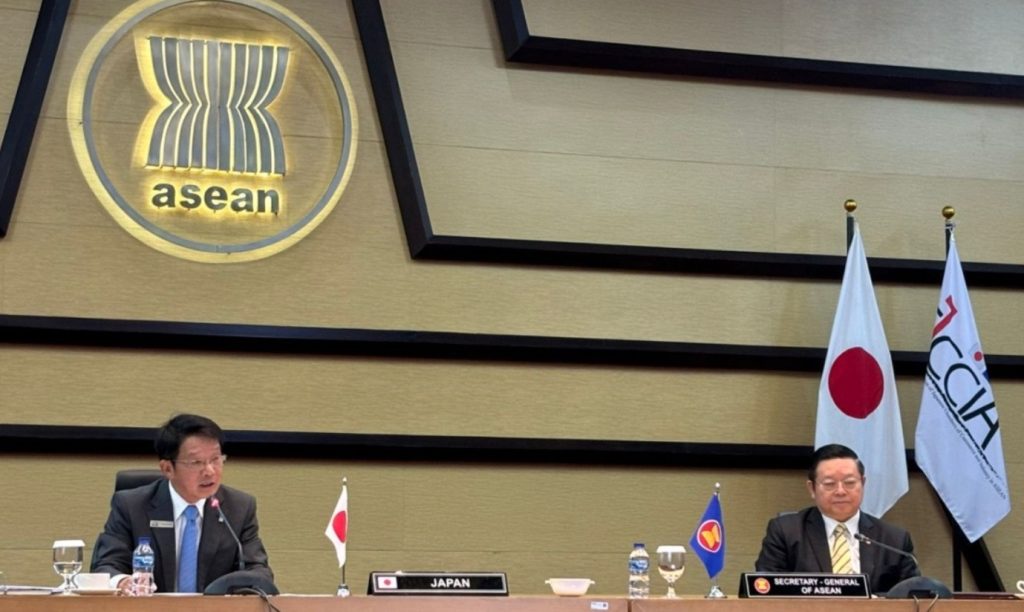
KUALA LUMPUR: ASEAN member states will transform into a more competitive region and become the best investment destination by complementing each other. Federation of Japanese Chambers of Commerce and Industry in ASEAN (FJCCIA) Chairman Takero Sawamura said during the 16th dialogue between FJCCIA and ASEAN Secretary-General Dr Kai Kim Hourn, that in order to maximise ASEAN’s competitiveness and attractiveness, regional integration is of key importance. “For this reason, FJCCIA would like to support the ASEAN Economic Community (AEC) Post-2025 Agenda,” he said in a statement. On 17 July, FJCCIA held a dialogue with Kao at the ASEAN Secretariat in Jakarta. Representatives from 9 ASEAN chambers including the Japanese Chamber of Trade & Industry Malaysia (Jactim) gathered to discuss ways in which Japanese companies can contribute to the future sustainability of ASEAN and human resource development, as well as potential improvements to systems and rules to make ASEAN an even more attractive business destination. The FJCCIA consists of 10 Japanese Chambers of Commerce and Industry (JCCIs) in 9 ASEAN member states with 7,370 companies in total. The Japan External Trade Organisation (Jetro) facilitated the dialogue as an intermediary between Japanese companies operating in ASEAN, the ASEAN Secretariat and various stakeholders. Sawamura noted that from a long-term perspective, the FJCCIA is greatly interested in the formulation of the “AEC Post-2025 Agenda”, which will chart the path beyond the AEC Blueprint 2025. Since its adoption in 2015, the AEC Blueprint 2025 charted the strategic path for ASEAN’s economic integration and work is in progress now for ASEAN policy makers in the development and preparation of the post-2025 agenda. Six Pillars of Recommendations for AEC Post-2025 The proposals outlined by FJCCIA were also developed in alignment with the economic components of the ASEAN Community Vision 2045, which outlines future strategic direction of ASEAN’s economic integration. The 6 pillars proposed by FJCCIA for the ASEAN economy comprised a seamlessly connected single market and production site, green economy and sustainability, digital economy and innovation, and emerging technologies. It included proposals for ASEAN to play an active role in the global community with resilient and abundant human resources and inclusive and equitable development. FJCCIA proposed eliminating non-tariff barriers and cutting down market-distorting policies. To promote green economy and sustainability, FJCCIA proposed the facilitation and systems for the trade of renewable energy, electricity certificates and carbon credits in a wider region. In the promotion of the digital economy, proactive implementation of countermeasures against counterfeit goods on e-commerce sites was proposed. It also suggested developing a legal framework and system for digital data and governance as well as strengthening supply chain connectivity and resilience. Sawamura, who is also the Jactim President, proposed the electronification for receiving and issuing the specified certificates of origin for the Regional Comprehensive Economic Partnership (RCEP) Agreement involving countries in the Asia-Pacific region and the ASEAN-Japan Comprehensive Economic Partnership (AJCEP) Agreement. He is also the Deputy Chief Executive Officer of MSIG Insurance (Malaysia) Bhd. FJCCIA’S Vision on ASEAN FJCCIA said 2023 saw the formulation of ‘ASEAN-Japan Economic Co-Creation Vision’ by the Japanese public and private sectors. “This vision aims to build a secure, prosperous and free economy and society through fair and mutually beneficial economic co-creation, with the trust ASEAN and Japan, have nurtured over the past 50 years of friendship and cooperation as driving force,” it said. In support of this vision, the FJCCIA, as a member of ASEAN economic system, would like to make an active contribution through sharing practices for economic growth and overcoming social challenges and being grounded in diverse realities and geopolitical conditions of the region. It would also like to promote 2-way exchange of human resources to bring mutually beneficial innovations. A survey conducted by member companies under FJCCIA revealed that business confidence deteriorated in 2023 due to factors such as dampened demand in the local market but is expected to recover in 2024. The survey also showed that efforts toward carbon neutrality and dealing with decoupling also need to be addressed as urgent issues. — BERNAMA

Investment & Market Trends, News

Meihua Announced Share Repurchase Programme of Up to US$3 Mil

YANGZHOU: Meihua International Medical Technologies (MHUA), a reputable manufacturer and provider of Class I, II and III disposable medical devices with operating subsidiaries in China, announced that its board of directors has approved and authorised a share repurchase program of up to US$3 million of the company’s outstanding ordinary shares with the intention to cancel all shares repurchased pursuant to this Share Repurchase Programme. The ordinary shares may be repurchased from time to time through open market purchases or privately negotiated transactions at prevailing prices, in accordance with securities laws and other legal requirements, including Rule 10b-18 and Rule 10b5-1 under the Securities Exchange Act of 1934, as amended, as well as the Company’s insider trading policy, and subject to market conditions and other factors. “With ongoing efforts to innovate, expand our premium product offerings, and enhance operational efficiency through optimised production processes and the application of AI, we continue to strengthen our business model and generate significant cash flow, which enables us to invest for the long term,” said Meihua CEO, Xin “Steven” Wang. “This Share Repurchase Programme including the planned cancellation of repurchased shares not only underscores our confidence in Meihua’s future growth but also demonstrates our commitment to enhancing shareholder value through concrete actions,” he added. However, the adoption of this Share Repurchase Programme does not obligate the company to acquire any specific amount of ordinary shares and it may be suspended or discontinued at any time by the board. The company expects to implement the Share Repurchase Program and a corresponding 10b5-1 plan following the filing of its Semi-Annual Report on Form 6-K for the period ending 30 June 2024.

Investment & Market Trends, News

AIIB Invests US$75 Mil in Green and Blue Bonds of SeABank

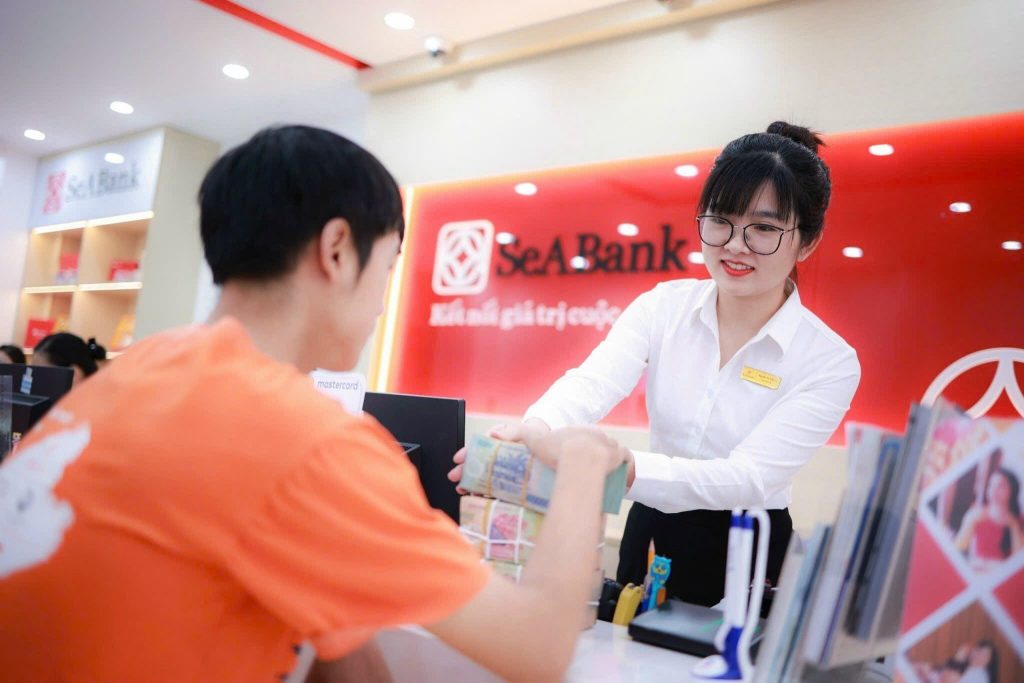
HANOI: Asian Infrastructure Investment Bank (AIIB) provides an investment of US$75 million to the green and blue bonds issued by Southeast Asia Commercial Joint Stock Bank (SeABank). AIIB’s US$75 million investment is expected to further strengthen the bank’s strong capital base to expand financing for sustainable economic activities linked to the sea and water, and grow green assets such as green buildings, renewable energy and energy efficiency. “Vietnam’s Nationally Determined Contribution lays emphasis on the importance of resource mobilisation from financial and international credit institutions to support climate mitigation and adaptation ambitions. “This cooperation will supplement the ongoing measures to reduce greenhouse gas emissions and contribute to the thematic capital market development,” said AIIB Director General of Financial Institutions and Funds, Global, Gregory Liu. Following SeABank’s sustainable commitment, one of the current priorities is to issue the first blue bond in Vietnam and to issue the first green bond by a private commercial bank in the country. “We hope the partnerships with financial institutions such as AIIB and IFC could supplement SeABank with capital sources to foster green credit and sustainable strategies associated with green and blue economy,” said SeABank Vice Chairwoman of the BOD, Le Thu Thuy. The investment was mobilised by the co-investor introduction of IFC, SeABank’s strategic partner in terms of sustainable projects, in partnership with the Australian government. Previously at the end of June, IFC provided a US$150 million financing package which includes investments in SeABank’s blue and green bonds. Sharing the same goal of promoting Vietnam’s sustainable economy, together AIIB and IFC are investing US$150 million in SeABank’s blue and green bonds. Further, IFC will advise SeABank on the bond issuance, application of related frameworks, and pipeline development. With its sustainable development goal, in recent years, SeABank has continuously prioritized application of E&S risk management, implementation of financial inclusion and green finance projects. As a result, the bank has been entrusted with and has received continuous investments from various international financial institutions such as DFC, IFC and ADB with a total capital of approximately US$850 million.

Scroll to Top

Subscribe
FREE Newsletter