News

News

Kumho Tire Suspends Gwangju Plant Operations Following Fire Incident

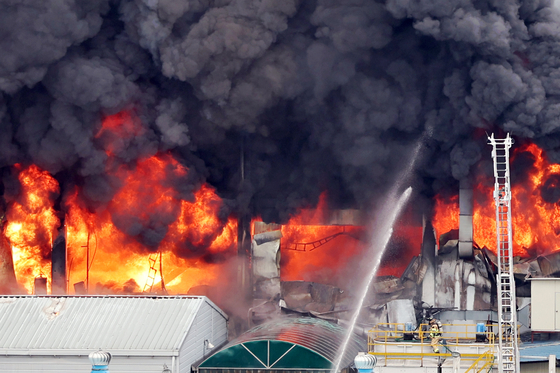
SOUTH KOREA: Kumho Tire Co., South Korea’s second-largest tyre manufacturer, has halted operations at its Gwangju plant after a fire broke out at the facility early Saturday morning. The incident occurred at approximately 07:11 KST, prompting the immediate evacuation of around 400 employees who were on site at the time. The fire is believed to have originated from machinery used in the heating of raw rubber materials. As a precaution, the company has suspended all production activities at the site until the situation is fully stabilised. A company spokesperson confirmed to Yonhap News Agency that “All production will be suspended until the situation is brought under control.” Emergency response teams were quickly dispatched, with 167 personnel and 65 firefighting units deployed to the scene. One male employee in his 20s sustained injuries during the incident and has been transported to a nearby hospital. His condition is reported as non-life threatening. Authorities estimate that extinguishing the blaze may take several days due to the significant volume—approximately 20 tonnes—of raw rubber stored at the facility, which has made firefighting efforts more complex. Kumho Tire has not yet provided an estimate for when operations will resume, as emergency response remains the immediate priority. -Yonhap

News

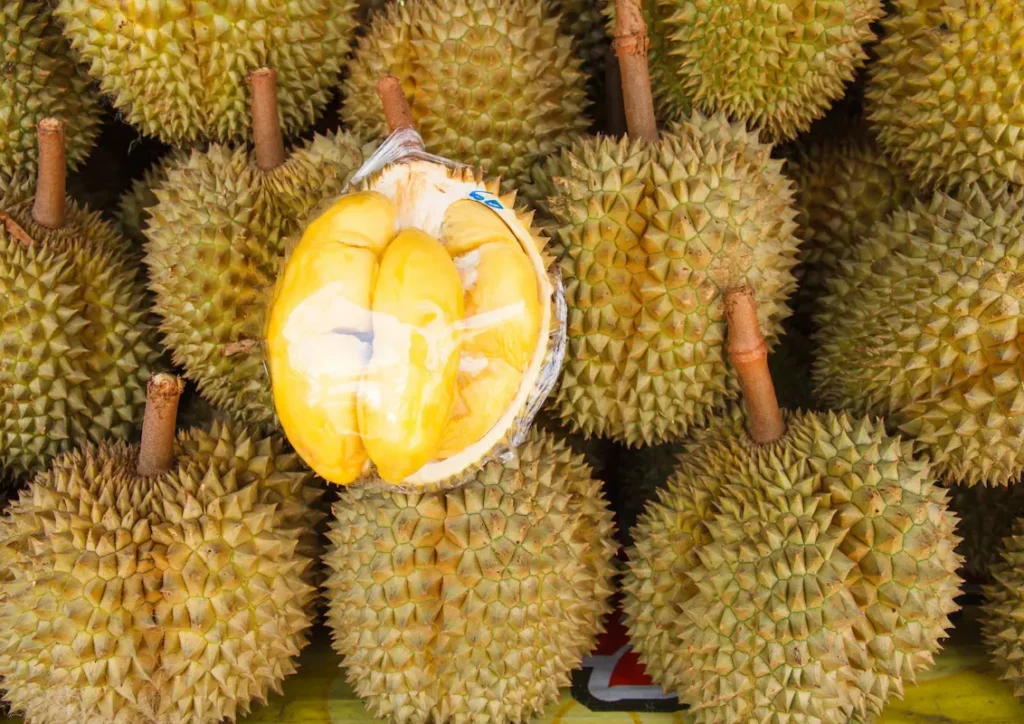
Cambodia Breaks into China’s US$7 Billion Durian Market

Cambodia has officially begun exporting fresh durians to China, joining the ranks of Southeast Asian producers vying for a share of the world’s largest durian market. The move follows Beijing’s approval in late April for Cambodian shipments that comply with China’s food safety regulations, part of a broader agreement signed earlier in the month between Chinese President Xi Jinping and Cambodian officials. The entry positions Cambodia against regional heavyweights Thailand, Vietnam, and Malaysia, which already enjoy established reputations in China for their premium durian varieties. Thailand alone accounted for 57% of China’s US$6.99 billion durian imports last year, with Vietnam supplying 38%. Malaysia and the Philippines, meanwhile, contributed a combined US$38.2 million, according to Chinese customs data. While Cambodia’s durians are gaining regulatory access, industry analysts caution that the country still has work to do to win over Chinese consumers. Lim Chin Khee, an adviser to Malaysia’s Durian Academy, noted that Cambodia lacks the brand equity enjoyed by Thailand’s Monthong or Malaysia’s Musang King. “Cambodia is still building its reputation in the international market,” Lim said. However, there is optimism. Some Chinese consumers are reportedly eager to sample Cambodia’s native Ah Khak durian variety. According to Rajiv Biswas, CEO of Asia-Pacific Economics in Singapore, rising numbers of ASEAN nations are meeting China’s phytosanitary standards, giving Chinese consumers a broader range of quality durian choices. Cambodian durians are said to rival Malaysian counterparts in quality, supported by increasing foreign investment and technical assistance—particularly from China. The country’s durians are also reported to have a high market value due to labour-intensive cultivation and limited suitable farmland, according to research published on the travel platform Adventures Cambodia. Durian consumption in China continues to surge, with individual fruits selling for up to 200 yuan (US$27.75). The fruit is often considered a premium delicacy and is even given as formal gifts. Cambodia’s durian exports are also expected to support broader trade goals between the two countries. China’s move to greenlight the shipments strengthens ties with a close Southeast Asian partner, while further diversifying trade relationships in light of ongoing tensions with the United States. Since 2018, the trade war initiated under former US President Donald Trump has accelerated Beijing’s shift towards ASEAN, which became China’s largest trading partner in Q1 2025, accounting for 16.6% of total trade. A joint statement issued on 18 April confirmed that Beijing and Phnom Penh plan to fast-track the negotiation and signing of quarantine protocols to facilitate additional agricultural exports from Cambodia to China. According to Carl Thayer, emeritus professor at the University of New South Wales, these developments offer a modest but meaningful way of addressing China’s US$12 billion trade surplus with Cambodia. -South China Morning Post

News, Property

Avillion Bhd Plans RM11.5 Million Private Placement for Port Dickson Hotel Upgrade

KUALA LUMPUR: Avillion Bhd  has proposed a private placement of 283 million new shares to raise approximately RM11.5 million, primarily to fund refurbishment works at its flagship property, Avillion Port Dickson. The proposed exercise is subject to shareholder approval. Datuk Dani Abdul Daim, the son of the late Tun Daim Zainuddin, holds a 21.8% stake in the company. Post-placement, his shareholding will dilute to 17.5%. According to its filing with Bursa Malaysia, Avillion intends to allocate RM4 million of the proceeds for the refurbishment of hotel rooms, the restaurant, gymnasium, and swimming pool. A further RM3.9 million will be channelled towards working capital, while RM3 million will be used for partial repayment of bank borrowings. The total cost of the refurbishment project is estimated at RM15 million. The remaining RM11 million required will be sourced through internal funds or bank borrowings. Refurbishment works are scheduled to commence in the third quarter of 2025, with a projected completion timeline of 24 months. As of now, Avillion’s total bank borrowings amount to RM76.5 million. The company also announced its intention to seek shareholder approval for a proposed variation in the utilisation of proceeds from its 2021 private placement. Initially, RM3 million from the earlier fundraising—earmarked for hotel upgrades and the development of an eco-tourism park at Avillion Admiral Cove—will now be redirected towards working capital and loan repayment. In 2021, Avillion raised RM22.7 million via a private placement at an issue price of 12 sen per share. Owing to the impact of the Covid-19 pandemic, RM5.5 million of the RM10 million originally allocated for loan repayments and upgrades was redirected towards operational needs. To date, RM2.6 million has been utilised for refurbishments at Avillion Hotel Port Dickson, specifically on its ballroom, function spaces, and public amenities. As of April 2025, RM3 million remains unutilised. Avillion confirmed the cancellation of the eco-tourism park project at Avillion Admiral Cove, which had not commenced. The group now aims to focus its resources on enhancing existing assets—namely, room upgrades, facility improvements, and ongoing maintenance at Avillion Port Dickson—to maintain competitiveness. The group stated it remains committed to asset improvement but will proceed cautiously in alignment with the market’s recovery trajectory. Future projects may be funded through debt financing or strategic partnerships. On Friday, shares of Avillion closed 11.11% higher at five sen, valuing the group at RM56.7 million. Year to date, the counter has gained 11.11%. -The Edge Malaysia

News

Abang Johari Urges Sarawak Energy Restructuring to Support Expansion Ambitions

KUCHING: Sarawak Premier, Tan Sri Abang Johari Tun Openg, has called for a strategic restructuring of Sarawak Energy Berhad (SEB) to better align with the state’s ambitious plans to scale up energy production and supply capabilities. Speaking at the Sarawak Energy Vendors Excellence Awards 2025 Night on Friday, Abang Johari urged SEB’s board of directors to review the provisions under the Electricity Ordinance governing the utility, with a view to establishing a dedicated entity to spearhead expanded energy production for regional and international markets. “I leave it to the SEB board to deliberate on this matter, and I look forward to receiving a proposal paper by the end of this year,” he said. The Premier highlighted that the proposed restructuring supports Sarawak’s goal of reaching 10 gigawatts (GW) of energy generation capacity by 2030, and 15GW by 2035. This initiative is in line with Prime Minister Datuk Seri Anwar Ibrahim’s vision of positioning Sarawak as the nucleus of the ASEAN power grid. “The Prime Minister has identified Sarawak as a key player in the ASEAN energy grid, and we are moving towards realising this objective,” he stated. Abang Johari further disclosed that SEB is in advanced negotiations to export electricity to Brunei, with ongoing plans to expand the state’s power supply network to Peninsular Malaysia and Singapore. The state also aims to begin supplying electricity to Sabah by the end of this year, with future prospects to extend supply to the southern Philippines. He emphasised that regional expansion would unlock new market opportunities for SEB’s vendor network across ASEAN nations, underscoring the importance of professionalism and capability within the vendor ecosystem. “Once you meet SEB’s standards, opportunities will naturally follow. It is essential that our vendor ecosystem evolves in step with the expectations of the primary utility provider,” he added. -Bernama

News

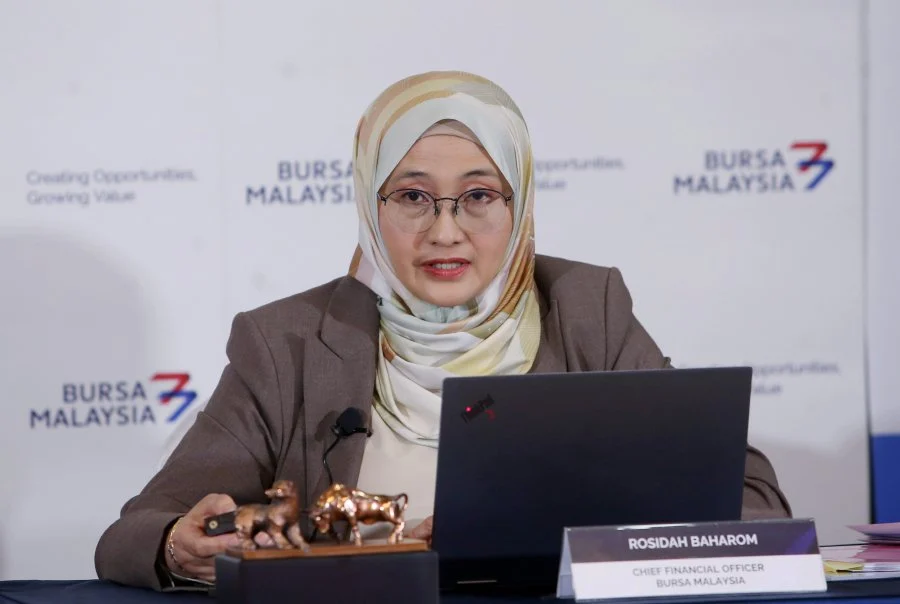
Bursa Malaysia CFO Rosidah Baharom Resigns; Rasmona Abdul Rahman Appointed Acting CFO

KUALA LUMPUR: Bursa Malaysia Berhad has announced the resignation of its Chief Financial Officer (CFO), Rosidah Baharom, effective today. In a filing with the stock exchange, the bourse operator stated that Rosidah is stepping down to pursue personal interests. “The Board, through its Nomination and Remuneration Committee, had earlier commenced a process to identify and appoint a new CFO for the company,” the statement read. An announcement regarding the permanent appointment will be made in due course. In the interim, Rasmona Abdul Rahman, currently Executive Vice President of Group Finance and Corporate Services, will assume the role of Acting CFO with immediate effect. -Bernama

News

Japan Display Inc. to Cut 1,500 Jobs Amid Continued Losses

Japan Display Inc. (JDI) has announced plans to reduce its workforce by approximately 1,500 jobs in Japan, accounting for nearly 60% of its domestic employees. The move follows 11 consecutive years of financial losses, with the company reporting a consolidated net loss of ¥78.2 billion ($538.7 million) for the fiscal year 2024, significantly higher than the previous year’s loss of ¥44.3 billion. Chief Executive Officer Scott Callon is set to resign on 1 June, assuming responsibility for the ongoing financial challenges. He will continue to support his successor as non-executive chairman following approval at the general shareholders meeting on 21 June, though he will forgo compensation. Jun Akema, the current head of JDI’s procurement division, will succeed Callon, also taking on the role of president. During a news conference, Callon expressed regret over the company’s performance, offering apologies to shareholders, client companies and employees for the inconvenience caused by the deteriorating business results. The job cuts will primarily be managed through a voluntary redundancy programme running from 26 June to 25 August. This initiative aligns with JDI’s decision to cease liquid crystal display (LCD) panel production at its Mobara plant in Chiba Prefecture by March next year. The company also plans to implement job reductions at its overseas locations. JDI’s financial performance for the year ending March showed a 21.4% drop in sales compared to the previous year, totalling ¥188 billion. Its operating loss increased to ¥37.0 billion from ¥34.1 billion. Due to ongoing restructuring efforts, the company has not released an earnings forecast for fiscal year 2025. Formed in 2012 through the merger of LCD panel operations of Hitachi, Toshiba and Sony Corp., JDI’s domestic production will be consolidated at its remaining facility in Kawakita, Ishikawa Prefecture, once the Mobara plant ceases operations. -Japan Times

News

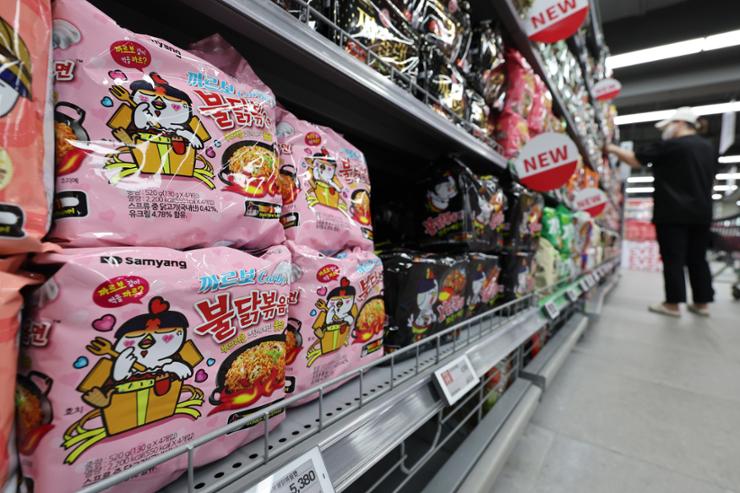
Buldak Ramyeon Maker Sees 20 Percent Surge in Share Price

Samyang Foods Inc., the South Korean company renowned for its globally popular Buldak spicy ramyeon, has experienced a significant rise in its share value following a robust first-quarter earnings report. As of 2:30 p.m. on May 16, the company’s shares were trading 20 percent higher at 1.19 million won (US$855), considerably outperforming the broader Korea Stock Price Index (KOSPI), which saw a modest increase of 0.2 percent. The surge in share value came after Samyang Foods reported a 49 percent year-on-year increase in net profit for the January to March period. Operating profit climbed 67 percent compared to the previous year, reaching an all-time high of 133.99 billion won. The company also recorded a 37 percent rise in sales, hitting a record high of 529.01 billion won. These financial results highlight the company’s strong performance in overseas markets, which accounted for more than 80 percent of its total revenue. The company’s export performance has been particularly impressive, with last year marking the first time exports exceeded the 1 trillion-won mark. This achievement was driven by robust sales of the Buldak ramyeon series, particularly in the United States and China. Looking ahead, Samyang Foods aims to surpass the 1 trillion-won mark in overseas sales again this year, supported by plans to expand its production capacity. To meet growing global demand, the company currently operates three domestic production plants and plans to open a fourth in the first half of this year. Additionally, Samyang Foods intends to construct its first overseas manufacturing facility in China, with work expected to commence in July. The company already has established business operations in China, Japan, Indonesia, the Netherlands, and the United States. Samyang Foods’ Buldak Bokkeummyeon, widely known as “fire ramyeon,” continues to be a significant driver of the company’s success. Since its launch in 2012, the hot chicken-flavored instant noodles have sold more than 7 billion units, generating over 4 trillion won in revenue. Approximately 1 billion units are sold annually across 100 countries. The product gained substantial international attention following a viral food-eating challenge in 2014, cementing its status as a global phenomenon. The company’s strategic expansion and sustained product popularity have positioned Samyang Foods as a prominent player in the global instant noodle market, as evidenced by its strong financial performance and positive market response. -Yonhap

News

Alibaba Reports 6% Revenue Growth Despite Economic Hurdles

Alibaba has reported a 6% rise in annual revenue, offering a positive indication for China’s technology sector despite ongoing economic uncertainties, including subdued spending and concerns over trade relations. The Hangzhou-based tech giant, one of China’s largest companies with operations in retail, digital payments, artificial intelligence, and entertainment, recorded revenue of ¥996.3 billion (US$138.2 billion) for the fiscal year ending March 31. This marks a 6% increase from the previous year. Net income attributable to ordinary shareholders rose by 62% to ¥129.5 billion, according to a statement released on the Hong Kong Stock Exchange. In the final quarter alone, the company reported revenue of ¥236.5 billion, slightly below a Bloomberg forecast, while net income attributable to ordinary shareholders surged by 279% to ¥12.4 billion compared to ¥3.3 billion in the same period the previous year. CEO Eddie Wu stated that the company’s results reflect the effectiveness of Alibaba’s “user first, AI-driven” strategy, with core business growth continuing to accelerate. This growth arrives amid a renewed investor interest in China’s technology sector, sparked earlier this year by the release of the advanced AI chatbot DeepSeek. Alibaba’s share price has been highly volatile, influenced by fluctuating investor enthusiasm regarding Chinese AI advancements. A surge of optimism in January was followed by a significant decline last month after US President Donald Trump imposed a series of global tariffs. As competition intensifies, Alibaba, alongside tech giants Tencent and Baidu, is channeling substantial investments into developing and integrating advanced AI applications. This renewed focus comes at a time when China’s economy faces challenges from sluggish consumer spending and strained trade relations with the United States. Despite recent improvements, including announcements by Beijing and Washington to reduce tariffs, economic forecasts remain cautious. Economists suggest that China may find it difficult to meet the government’s growth target of approximately 5% for the year. Earlier this week, Alibaba’s industry counterparts Tencent and JD.com also reported moderate revenue growth in the first quarter, indicating a potential recovery in consumer spending. However, official figures released last Saturday revealed continued deflationary pressure, with consumer prices remaining low. In recent years, Alibaba has faced increased regulatory scrutiny as part of China’s crackdown on large domestic tech companies. Jack Ma, Alibaba’s co-founder, who was notably critical of China’s financial regulations, kept a low profile during this period. However, his public appearance alongside President Xi Jinping in February signaled a potential shift in the government’s stance, leading to a rise in Alibaba’s share price. Although Ma is no longer actively involved in the company’s management, he is believed to retain a significant ownership stake. -AFP

News

AMMB Maintains Minimal Trade Loan Exposure at 4.7 Percent

AMMB Holdings Bhd has revealed that loans directly tied to the trade segment constitute a mere 4.7 percent of its total loan portfolio, reflecting minimal exposure. This assessment is aligned with similar trends observed across other banking institutions, according to CIMB Securities. CIMB Securities noted that while the direct exposure to the trade segment remains low, the market’s primary concern lies with the potential second-order knock-on effects, which most banks are finding challenging to quantify at present. The financial group highlighted that AMMB’s exposure to sectors directly related to US trade amounts to RM6.4 billion, equating to 4.7 percent of its overall loans and involving 143 customers. The total loan commitment approved for these trade-related loans stands at RM9.3 billion. AMMB has categorised the 143 customers with a cumulative exposure of RM6.4 billion into three groups based on the level of revenue impact. The first group, with a high direct impact where more than 50 percent of revenue is affected, represents RM140 million. The second group, experiencing a moderate impact with 25 to 50 percent of revenue affected, accounts for approximately RM680 million. The remaining amount, representing RM6.4 billion, is attributed to low-impact customers, where less than 25 percent of revenue is affected. CIMB Securities pointed out that most of these customers are classified as high-grade, typically possessing robust balance sheets. The report also indicated that loans related to the electrical and electronics sector total RM935 million, representing 0.7 percent of AMMB’s total loans, with RM1.1 billion in approved loans spread across 95 customers. In the furniture segment, loans amount to RM600 million, making up 0.4 percent of total loans, involving 220 customers. Maintaining a neutral stance, CIMB Securities reiterated its ‘Hold’ rating on AMMB and kept the target price unchanged at RM5.70 for the financial year 2026. This valuation is based on an anticipated return on equity of 8.6 percent for the calendar year 2026 and a fair price-to-book ratio of 0.9 times. -Business Times

News

Lynas Malaysia Commences Production of Separated Heavy Rare Earths at Kuantan Facility

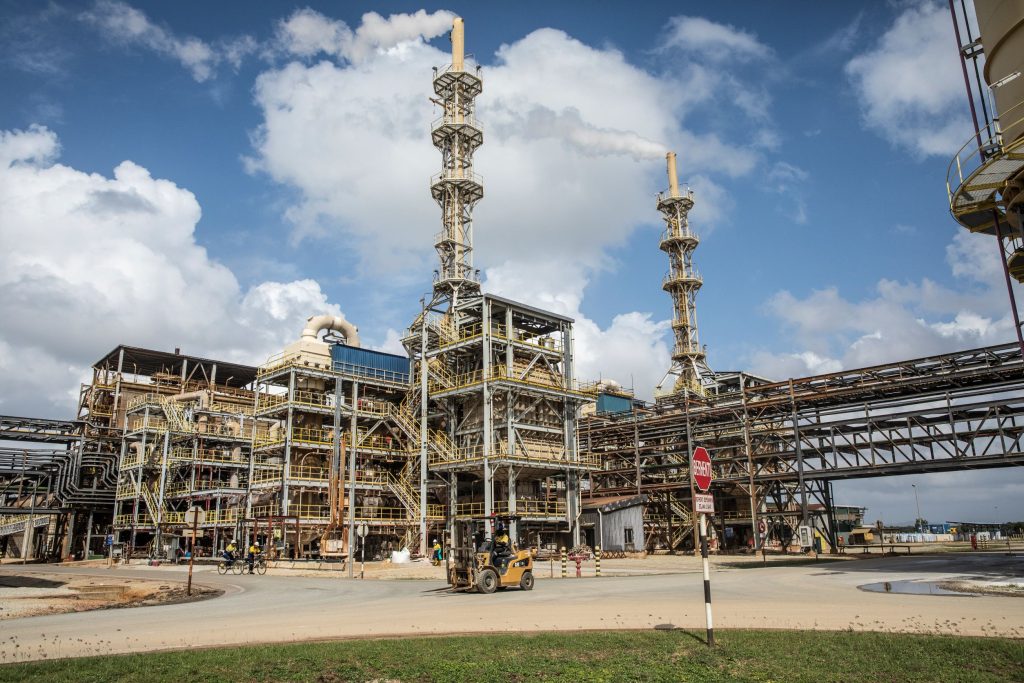
Lynas Rare Earths Malaysia has officially commenced the production of separated heavy rare earths at its advanced facility in Kuantan. The milestone marks a significant achievement for the company, which now operates the only commercial facility outside China producing these essential materials. In a statement, Lynas highlighted that the facility’s new heavy rare earths production line, commissioned earlier this year, has successfully produced dysprosium oxide (Dy). The plant is also set to begin production of terbium (Tb) in June. Both materials are critical components in the manufacturing of high-performance rare earth magnets, widely utilised in electric vehicles and advanced electronics, including micro-capacitors. According to Lynas, the successful establishment of the heavy rare earths separation circuit demonstrates the advanced skills and expertise of its workforce. Chief Executive Officer and Managing Director Amanda Lacaze expressed pride in the team’s accomplishment, noting that the production of Dy represents a strategic development in the company’s operations. Lacaze further emphasised that the addition of separated heavy rare earths enhances Lynas’ position as a global supplier of essential materials for modern manufacturing. Located within the Gebeng Industrial Estate, a prominent petrochemical zone near Kuantan on the east coast of Peninsular Malaysia, the Lynas Malaysia plant occupies a 100-hectare site. Since its inception in 2012, the facility has supplied separated rare earth materials to markets in East Asia, the United States, and Europe. The plant processes Mt Weld concentrate and mixed rare earth carbonate through three primary stages: cracking and leaching, solvent extraction, and product finishing. The separated materials produced at the site play an essential role in a range of high-tech applications, including electronics, wind turbines, and hybrid and electric vehicles. Lynas Malaysia’s latest advancement underscores the country’s growing involvement in the global rare earth supply chain, positioning both the company and Malaysia as key players in meeting the increasing demand for advanced manufacturing materials. -The Edge Malaysia

Scroll to Top

Subscribe
FREE Newsletter