News

News

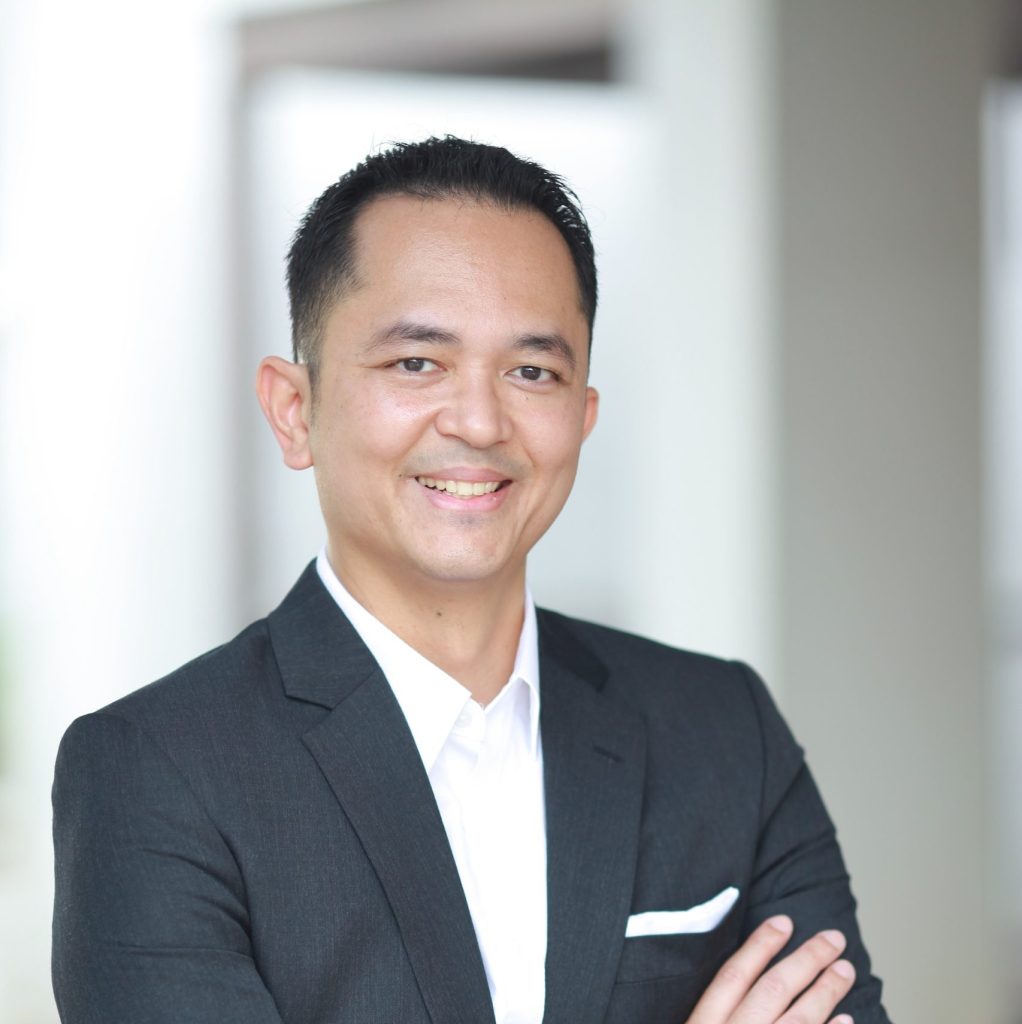
RHB appoints Ng Chze How as MD, CEO of RHB Asset Management

KUALA LUMPUR: RHB Banking Group has appointed Ng Chze How as managing director (MD) and chief executive officer of RHB Asset Management Sdn Bhd (RHBAM). He will also serve as head of group asset management and trustee of RHB Banking Group, effective Sept 11, 2024. RHB Group Wholesale Banking MD Datuk Fad’l Mohamed said Ng’s extensive experience and deep understanding of the asset management industry would be invaluable as the group continues to focus on delivering innovative and sustainable solutions tailored to its customers’ needs. “We are confident Ng will play a key role in strengthening RHBAM’s position as a leading asset management company in the market,” he said in a statement. Ng has over two decades of experience in the asset management industry and has held senior leadership roles at companies including Prudential Funds, AmFunds, AIA Pension and Asset Management, and AIA Bhd. Ng’s background in sales management and product development, coupled with his involvement in the executive and investment committees of leading asset management firms, will support RHBAM’s continued growth, according to the statement. — BERNAMA

News

AirAsia pushes for a more liberalised air travel landscape in Asean

KUALA LUMPUR: Despite a thriving operation in major ASEAN countries, AirAsia’s persistent difficulty in obtaining an operating licence in Singapore highlights a key challenge in the aviation sector-the conflict between national protectionism and the need for open competition. Besides Malaysia, AirAsia operates in Thailand, Indonesia, the Philippines, and Cambodia. However, the low-cost airline has faced rejection three times from the island state. Universiti Kuala Lumpur Malaysian Institute of Aviation Technology economist (aviation and aerospace) Associate Professor Mohd Harridon Mohamed Suffian advocates for establishing AirAsia Singapore and procuring aviation entities in Singapore by AirAsia. “The open market concept should be embraced by countries in ASEAN, where myriad flight options would be available to consumers, and the subsequent price battle would be regulated by market forces, which would benefit the consumers,” he told Bernama recently. He said aviation is a dynamic ecosystem where evolution in technology, methods, regulations, prices, and other factors occurs every 10 to 15 years or less. This frequently leads to shifts in manpower, as employees seek placements at organisations that value their experience and expertise in accordance with the technological dexterities gained through the evolutionary process. For judicial and economic fairness, and to promote an open and free market in the ASEAN region, he emphasised that it is favourable and within the spirit of ASEAN for Singapore to cater to international companies, thereby creating a competitive aviation ecosystem in the region. “I support the notion by (AirAsia’s group chief executive officer Tan Sri) Tony Fernandes that it is imperative for consumers to have numerous options for flight services. “This would lead to a competitive aviation ecosystem, where airlines would enhance their flight services and offer distinctive packages for consumers to choose from,” he said. Moreover, he believes airlines would gain traction in terms of consumer-centricity, which is beneficial for the aviation industry. Currently, Singapore is home to four air operator certificate (AOC) holders: Singapore Airlines Ltd, Jetstar Asia Airways Pte Ltd, Scoot Pte Ltd and ST Engineering Defence Aviation Services Pte Ltd. Earlier this month, BBN Airlines Indonesia, a cargo airline, was reported to have received a foreign operator permit (FOP) from the Civil Aviation Authority of Singapore (CAAS). Additionally, questions arose after SIA Engineering Company (SIAEC) recently signed a 15-year agreement with Khazanah Nasional’s subsidiary company, Impeccable Vintage Properties, to lease two hangars at Sultan Abdul Aziz Shah Airport in Subang. Tony expressed his support for SIAEC’s presence in Malaysia, noting its potential benefits for the country and economy, but called for fairness regarding the lack of approval for AirAsia Singapore. In a recent post on LinkedIn, Tony also called for transparency from SIAEC regarding its recent recruitment of Malaysian Airlines Bhd’s (MAS) engineering staff, indicating that less than 10 per cent of SIAEC’s new hires came from MAS’s engineering arm. Endau Analytics founder and aviation analyst Shukor Yusof pointed out that Malaysia has produced highly skilled aviation talent for decades, yet many have been lost to Gulf carriers, not just to Singapore. “There is no shortage of local talent in engineering. How to keep them contented in Malaysia, with local airlines, is a different proposition, and no solution has been found. This applies to all industries, across all races,” he said. To resolve this issue, he said, it requires honesty and a willingness to change because the longer it is allowed to fester, the worse it will become. Perhaps collaborating with educational institutions to create specialised training programmes between both countries could also ensure a steady pipeline of skilled professionals. It’s time for not only Singapore, but also other countries in the region, to reconsider their stance and embrace the spirit of ASEAN integration. – Bernama

News

Healthy loan growth to sustain into 2025

PETALING JAYA: The domestic banking sector is poised to show its resilience going into 2025. Most analysts are maintaining their “positive” and “overweight” stance on the sector and projecting loan growth of 4.5% to 5.5% for next year. They said this would be underpinned by sustained economic growth which would lead to a healthy loan growth and lower credit risks, as well as improved liquidity that would help sustain interest margins. Economists expect Malaysia’s economic growth to hit 4% to 5% for next year, with a similar forecast for 2024. Real gross domestic product (GDP) rose by 5.9% in the second quarter of 2024 (2Q24), up from 4.2% in 1Q24, underpinned by stronger private consumption and further recovery in exports amid a global tech upcycle. Economic growth was further supported by greater capital formation activity from capital investments and construction works. MARC Ratings Bhd chief executive officer Rajan Paramesran told StarBiz that loan growth for 2025 is anticipated to be at 4.5% to 5.5% from 5% for 2024. He said this would be supported by the continued healthy growth of the country’s economy, translating into sustained demand for credit from both business and consumer sectors. He said based on MARC Ratings projections, GDP growth for 2025 is expected to remain resilient at 4.4%, and the rating agency is maintaining its “stable “outlook on the banking sector. For the first half of 2024 (1H24), consumer loans grew at an annualised 5.2%, slightly outpacing business loans growth of 4.8%. Delving into loans, Rajan said: “We note the recovery in business loans which began in late 2023 was largely sustained in 1H24. Potentially, the rollout of big-ticket public infrastructure projects and transition to renewable energy investments will spur financing over the next few years. “Additionally, the anticipation of a stable overnight policy rate (OPR) would accommodate continued growth for the sector going into 2025,” he added. Maybank Investment Bank banking analyst Desmond Ch’ng, who is maintaining a positive stance on the sector, said: “Against a GDP growth forecast of 5.2% for 2024 and 5.1% for 2025, we are maintaining the industry loan growth forecast of 5.5% for 2024.” “This is slightly ahead of the 5.3% growth achieved in 2023, and introduce our industry loan growth forecast of 5.5% for 2025,” he said. In 2025, he expects an aggregate core net profit growth of 6.1% for the sector, supported by fairly decent loan growth of 5.5%, net interest margin (NIM) expansion and marginally lower credit costs, mitigated in part by lower non-interest income. NIM, a measure of profitability, is the spread bank earns between borrowing and lending. A wider NIM indicates higher earnings for banks. Bank Negara had raised the OPR four times in 2022, and by 25 basis points (bps) each time – on May 11, July 6, Sept 8 and Nov 3. It raised rates by another 25 bps on May 3, 2023, leaving the OPR at 3%. While higher interest rates will typically benefit banks’ margins in the short term, intense and irrational competition over the past year has effectively negated any positives. Having bottomed out at an average of 2.04% in 4Q23, NIMs had sequentially improved over the past two quarters and improved four bps since to 2.08%. This was after having compressed by a hefty 39 bps between 4Q22 and 4Q23. NIMs are expected to expand marginally by two bps next year. CIMB Securities banking analyst Rachel Huang is forecasting loan growth at 6.1% for 2024 and 5.4% for 2025. “Following our earlier revision in cost of fund assumptions from 2H24 onwards, we are now projecting NIM at 2.23% for 2024, upgraded by three bps from 2.20% previously. “The NIM upgrade is a more significant eight bps (to 2.26% from 2.18%) due to the full-year impact in calendar year 2025,” said Huang, who is maintaining her “overweight” stance on the banking sector. Rajan said there is a respite in the banks’ NIMs following significant compression in 2023 as the hike in the OPR and elevated deposits competition had led to a higher cost of funds for banks. Moving forward, he expects margins to gradually recover as funding competition eases on the back of expectation of stable OPR. Stronger trading and investment income on the back of improvements in the capital market could provide some upside to banks’ margins going forward, he pointed out. In terms of asset quality, Rajan said the rating agency viewed the downtrend movement of the banking gross impaired loans (GIL) ratio at 1.6% as at end-June 2024 favourably, compared with 1.65% in 2023 and 1.72% in 2022. He said the rollout of subsidy cuts, persistent inflationary pressures and the vulnerability of some business sectors could give rise to delinquencies. “Nevertheless, we view the current loan loss coverage ratio of about 198% (including regulatory reserves) to be adequate for the banks to mitigate downside risk to its asset quality. “We expect the GIL ratio to remain below the 2% levels in 2024 and 2025, backed by banks’ prudent underwriting,” Rajan added. Separately, he said the key downside risk to the banking sector is largely dominated by external factors, namely the uncertain global economic environment amid rising concerns on geopolitical conflicts. However, he said there has been no major contagion effect to the Malaysian banking sector. “We draw comfort from the strong regulatory oversight and capitalisation buffers. MARC Ratings maintains a ‘stable’ outlook on the Malaysian banking sector given strong fundamentals that provide headroom to weather the macroeconomic headwinds,” he said.–THE STAR

News

AirAsia to continue seeking S’pore licence

KUALA LUMPUR: AirAsia will not give up on securing a licence to operate in Singapore, despite having been rejected three times, says Capital A chief executive officer Tan Sri Tony Fernandes. “Don’t block me in Singapore,” he said. “Three times we had applied for an airline licence, three times we were rejected. We have airlines in Cambodia, the Philippines, Indonesia, Thailand and Malaysia. “We could get other Asean countries but Singapore has blocked us all the time because it protects its airlines,” he said after the opening of 14-line Asia Digital Engineering’s maintenance, repair and overhaul hangar at the Kuala Lumpur International Airport yesterday. Commenting on his post on Linkedln about SIA Engineering Co (SIAEC), he said that he had no problem with the company coming to Malaysia. SIAEC had signed a 15-year agreement with Khazanah Nasional Bhd’s subsidiary company, Impeccable Vintage Properties, to lease two hangars at the Sultan Abdul Aziz Shah Airport in Subang. — Bernama

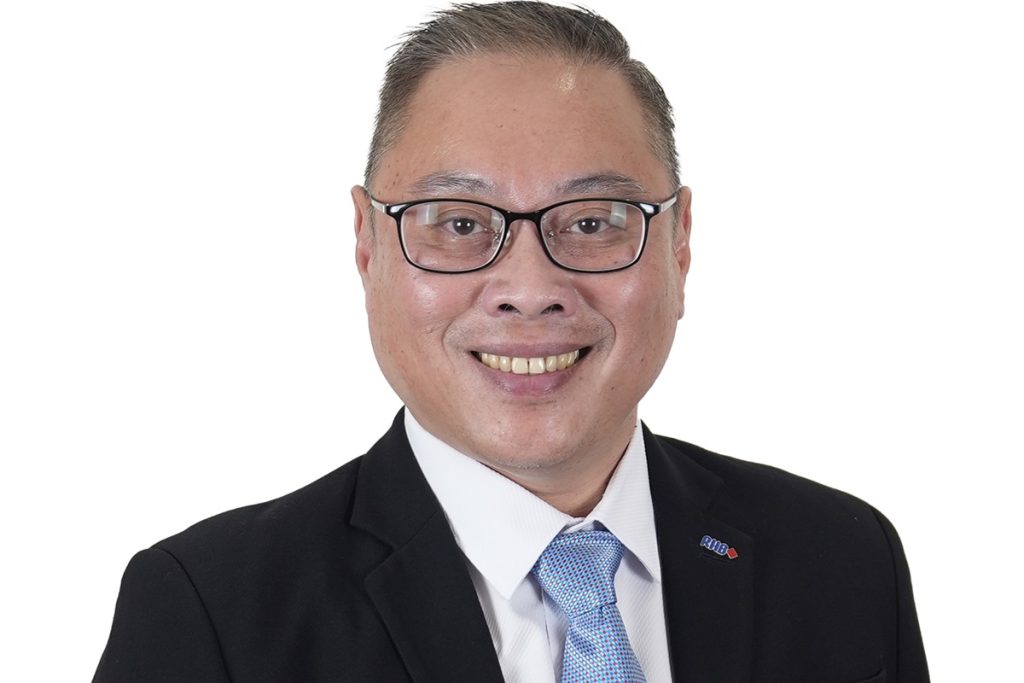
Haris Izmee, Managing Director of Equinix Indonesia
News

Equinix Appoints Haris Izmee as Managing Director of Indonesia

HONG KONG: Equinix, Inc. (Nasdaq: EQIX), the world’s digital infrastructure company®, today announced the appointment of Haris Izmee as Managing Director of Equinix Indonesia, a joint venture company between Equinix and PT Astra International Tbk (“Astra”), with immediate effect. In his new role, Haris will spearhead the company’s growth strategy and drive expansion efforts in Indonesia, including the recently announced JK1 International Business ExchangeTM (IBX®) data center in Jakarta. Haris, who holds an Aeronautical Engineering degree from Queen Mary University of London, brings nearly 25 years of experience in cloud computing, aerospace, and technology, with a strong track record of driving growth and business transformation across ASEAN markets. He has held leadership roles at major companies like Amazon Web Services (AWS) and Microsoft, leading expansion and market penetration efforts. Aviation and space have been his passion since childhood. Merrie Williamson, Executive Vice President and Chief Customer and Revenue Officer, Equinix, said, “We are thrilled to welcome Haris to Equinix to lead our team in Indonesia as we accelerate our expansion and build a world-class team in this exciting new market. Our presence in Indonesia will add a high-growth market to Equinix’s extensive network of interconnected data centers worldwide. You’ll hear more from Haris in the coming months as we approach the launch of JK1 and continue our growth in this strategic region.”   Haris Izmee, Managing Director, Equinix Indonesia, added, “I’m excited to join Equinix in its momentous journey in Indonesia! This dynamic market holds immense potential, and as a leading data center provider, Equinix is uniquely positioned to drive growth and innovation here. I’m passionate about leveraging Equinix’s robust platform to make a significant impact on Indonesia’s digital landscape and contribute to the broader region’s advancement. I look forward to collaborating with the team and unlocking new opportunities in this vibrant market.”   In April 2023, Equinix and Astra announced a joint venture with a 75% and 25% equity stake, respectively, known as Equinix Indonesia, to develop the digital infrastructure in Indonesia that multinationals and local businesses need to accelerate their digital transformation.

News

GoTo appoints William Xiong as group chief technology officer

JAKARTA: GoTo has appointed William Xiong as its new group chief technology officer. He joins GoTo from Alibaba where he served as vice president of Alibaba Cloud, general manager of enterprise service cloud and general manager of international industry solution development. William, a French citizen, brings more than 25 years of experience in software and product development, with a strong background in e-wallets, insurance core systems, business intelligence, data platforms, and ESG platforms. In his new role, William will lead GoTo’s group technology strategy, with a focus on building a development team and leveraging the latest technology to improve efficiency and drive customer satisfaction through innovative products. Prior to Alibaba Cloud, William was the senior director of engineering at Ant Group, where he led e-wallets implementation and cooperation in many countries across Asia, including PayTM in India, Dana in Indonesia, TNGD in Malaysia, GCash in the Philippines, Bcash in Bangladesh, Easypesia in Pakistan, Kakaopay in Korea and True Money in Thailand. During his tenure at Ant Group, William also served as CTO of TNGD, and CTO of Worldfirst where he was responsible for Ant International’s B2B payment technology. Prior to this, he held senior roles at several high-profile technology companies including eBaoTech, SAP and Siemens. Speaking on his new role, he said, “I am excited to join GoTo Group at such a pivotal time in its growth journey. The opportunity to contribute to Indonesia’s leading digital ecosystem and work with a team that is committed to innovation and excellence is truly inspiring. I look forward to leveraging my experience to drive the technological advancements that will shape the future of the company.” Meanwhile, Patrick Walujo, CEO at GoTo Group, commented, “We are thrilled to welcome William to GoTo as our group chief technology officer. His extensive experience and proven track record in leading large-scale technology initiatives make him a perfect fit for our company. William’s leadership in driving our technology vision forward will be invaluable as we continue to evolve and scale our business.” William’s appointment follows a series of GoTo’s technology-driven partnerships with Microsoft, Alibaba, and Tencent to improve its digital services.–MARKETECH APAC

News

Taiwan’s GDP tipped to grow 3.8% this year

TAIWAN: Taiwan’s economy might grow 3.8 percent this year amid robust external demand, but might only gain 1.7 percent next year, as key export drivers such as chips are losing steam, Moody’s Analytics said yesterday. The Asia-Pacific region, including Taiwan, is outpacing most of the world’s economies with regional GDP growth expected to average 3.9 percent this year and 4 percent next year, faster than expected global GDP growth of 2.6 percent and 2.7 percent respectively, the research body said. However, economic conditions within the region vary widely, it said. Taiwan has enjoyed robust growth in exports thanks to the rise of artificial intelligence (AI), which has fueled demand for advanced semiconductors, it said. Taiwan’s exports in the first eight months of this year expanded 10.9 percent year-on-year to US$308.57 billion, thanks to demand for electronics used in cloud-based data centers and the development of AI applications, government data showed. The AI boom has not lifted Southeast Asia, which mainly produces low to mid-tier chips. Trade has played a key driver of growth for much of the region, but its impact has been uneven, Moody’s Analytics said. Nevertheless, external demand in the region has been treading water due to slowing US growth and Europe’s stalled economy, it said. Specifically, growth in global chip billings has decreased in the past few months, suggesting that shipments of tech products would decline, with no guarantee that domestic demand would offset the drop, Moody’s Analytics said. At the same time, consumer prices are cooling in the region despite intermittent hiccups linked to bad weathers, it said, as is the case with Taiwan. Moody’s Analytics said that inflation is mostly in line with central bank targets even though risks are still skewed toward inflation overshooting rather than undershooting. Food prices are jumpy and energy prices hover above pre-pandemic averages, it said, noting that a flare-up in commodity prices could stoke inflation and fuel monetary tightening. Taiwan’s central bank last week left key policy rates intact, but hiked the required reserve ratio and stiffened lending terms to rein in the housing market, at odds with a rate cut by the US Federal Reserve to support the economy. Meanwhile, elections in the US and Europe would further complicate the growth outlook, it said. Potential shifts in US economic policy following the presidential election in November are a major concern, as US exports drive growth for much of the region, it said, adding that economies heavily dependent on strong US ties would be most affected. The US has grown into Taiwan’s second-largest export destination due to a rapid increase in shipments of AI-related electronics. Moody’s Analytics expects regional currencies to appreciate going forward after the US Federal Reserve cut interest rates by 50 basis points last week and its median projections suggest more cuts of 50 basis points toward the end of this year.

News

Alliance Bank appoints Amirsham to the board

KUALA LUMPUR: Alliance Bank Malaysia Bhd has appointed Tan Sri Amirsham A Aziz, the former president and chief executive officer of Malayan Banking Bhd (Maybank), to its board. Amirsham, 74, will officially assume his position as an independent and non-executive director on October 1. He will also serve as a member of the executive committee. With over 30 years of experience in the financial services industry, Amirsham spent 31 years at Maybank Group, holding various senior positions. He also served as a Minister in the Prime Minister’s Department, overseeing the Economic Planning Unit and Department of Statistics from March 18, 2008, to April 9, 2009. Currently, he is the chairman of Sunway REIT Management Sdn Bhd, which manages the Sunway Real Estate Investment Trust, listed on Bursa Malaysia. He also sits on the board of Hap Seng Plantations Holdings Bhd. Previously, Amirsham held positions as chairman of Bursa Malaysia Bhd and was a member of the boards of CapitaLand Limited in Singapore, Petroliam Nasional Bhd (PETRONAS), and RAM Holdings Bhd.–THE STAR

News

Hong Kong overtakes Singapore to secure third place in global financial ranking

HONG KONG: Hong Kong regained third place in the latest global ranking of international financial centers, surpassing Singapore for the first time in more than two years, according to a report published on Tuesday, as the city continues to step up its efforts to consolidate its financial edge through various measures. The 36th edition of the semi-annual Global Financial Centres Index, released by London-based think tank Z/Yen Group and Shenzhen-based think tank China Development Institute, showed that the Hong Kong Special Administrative Region ranked third out of the 121 financial centers across the globe, behind New York and London, which grabbed the top and second spots respectively. Hong Kong’s overall rating jumped eight points, the biggest enhancement among the leading five. Granular ratings showed that Hong Kong achieved top place in various competitive areas such as “business environment”, “human capital”, “infrastructure”, and “reputational and general”. The report also ranked the SAR as a top 10 financial technology hub globally. An HKSAR government spokesperson said the report clearly validates Hong Kong’s status and prowess as a leading global financial hub. “As an international financial center, Hong Kong brings together the world’s top financial institutions and talent, provides professional financial services, and owns a deep and broad capital market,” the spokesperson said, citing the city’s regulatory system, free flow of information and capital as well as its unique geographical position. Since 2007, the joint ranking by the British and mainland think tanks has been released in March and September every year. The latest index is based on a global online questionnaire and uses some 100 instrumental factors provided by third parties including the World Bank, The Economist Intelligence Unit, the OECD and the United Nations. Singapore overtook Hong Kong to become Asia’s top financial center in 2022. To restore Hong Kong’s allure, the city has been acting on multiple fronts, from opening up its virtual asset sector and proceeding with its offshore renminbi business, to wooing super-rich families. The latest figures from the Securities and Futures Commission showed Hong Kong’s asset and wealth management business demonstrated resilience last year, logging a modest growth of 2.1 percent year-on-year to above HK$31 trillion ($3.98 trillion) in assets under management. Net capital inflows surged by more than 3.4 times last year compared to 2022 thanks to strong performances in private banking and private wealth management businesses. Laurence Li, chairman of the Financial Services Development Council, said Hong Kong’s return to third position is a testament to the collaborative efforts of its financial community. “As a premier international financial center, Hong Kong acts as a superconnector between Chinese mainland and the global market, fostering an environment that promotes innovation, sustainability, and connectivity,” said Li. “Capitalizing on our strong foundations and diverse strengths across sectors, we will continue attracting talent and investment from around the world.”

News

PwC resigns as Pharmaniaga’s auditor after 19 years

KUALA LUMPUR: Pharmaniaga Bhd has announced the resignation of PricewaterhouseCoopers PLT (PwC) as its external auditor following a written notice served to the former on Sept 20. In a bourse filing on Monday, Pharmaniaga said the resignation is on a voluntary basis, pursuant to Section 281 of the Companies Act 2016. “The board noted that PwC has served as the external auditor for the company for the past 19 years, and the board agrees that the resignation and the subsequent appointment of new external auditors would allow a fresh perspective for the board and the company. “The change is also intended to align with the group-wide approach to streamline its external auditors,” it said. Pharmaniaga said with the audit committee’s recommendation, the board has approved the appointment of Ernst & Young (EY) as its new auditor. This was decided after assessing EY’s independence, capabilities, audit team and proposed audit fees for the financial year ending Dec 31, 2024.–NST

Scroll to Top

Subscribe
FREE Newsletter