News

News

APAC investors eye Hong Kong’s living sector market

HONG KONG: Across the APAC region, Hong Kong’s living sector market is attracting investors, particularly in the co-living and student housing subtypes, CBRE reported. Hong Kong is a target market for these two subtypes, with its strategy focusing on purpose-built properties and conversion as well as collaboration with operators for co-living projects. This trend is supported by the influx of non-locals and expatriates increasing the preference for renting over buying as well as rising rents. CBRE has observed growth in the number of investors exploring niche products and opportunities in these markets.–HONG KONG BUSINESS

News

Hong Kong Government Issues $220b bonds for green projects

HONG KONG: The government has issued $220b green bonds to fund 116 green projects, according to its Green Bond Report 2024. Projects to be funded include the North East New Territories Sewerage System Upgrade; the Redevelopment of the Prince of Wales Hospital, Phase 2 Stage 1; the Yuen Long Barrage Scheme, and the Improvement of Yuen Long Town Nullah Town Centre Section. Secretary for Financial Services & the Treasury Christopher Hui said that the green bond report provides comprehensive information on the projects funded by the bond programme, showing investors the contributions brought by their investments in green bonds to sustainable development. Hui added that the government will continue to push for green transformation amongst enterprises and enhance the sustainability reporting for business in Hong Kong, amongst other sustainability-related goals.– HONG KONG BUSINESS

News

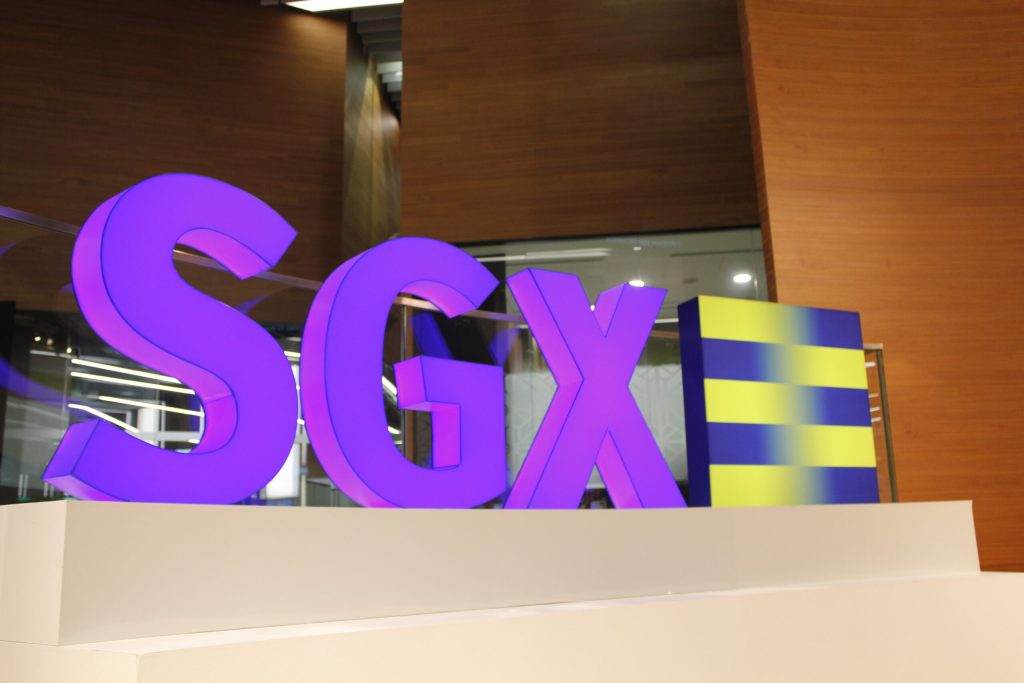
As pillar of Singapore financial ecosystem, SGX needs help to build investor demand: chairman

SINGAPORE: A vibrate and liquid stock market is vital to securing Singapore’s continued success as a global financial centre, and it is “evident” that this business needs more work, a senior executive of the local bourse said. Beyond generating profits for the Singapore Exchange (SGX), the purpose of the local stock market is to serve as a trusted and efficient marketplace for growing enterprises to readily raise capital and advance further. Should it fail to enable venture capital and private equity to exit their investments and recycle the capital deployed, the supply of such capital will eventually dry up and threaten the start-up ecosystem that Singapore has built and nurtured over the past decades. That was the gist of SGX chairman Koh Boon Hwee’s letter to shareholders in the exchange’s latest annual report for the year ended Jun 30, 2024. It was the first time in 14 years that the chairman had issued a separate letter from the chief executive officer in SGX’s annual report. “Some may argue that the stock market is only one aspect of our financial ecosystem, but it is more like a pillar. And we should recognise that if this one pillar were to falter, the whole is put at risk,” Koh wrote. “It is evident that our cash equities business needs more work.” Koh highlighted the importance of having a liquid stock market that is supported by a strong supply of companies wanting to list, as well as corresponding demand from investors, including domestic institutional investors. “We must learn to accept market volatility and the occasional challenges that come with it. With volatility comes active trading. And active trading in turn enhances liquidity. A highly liquid market drives valuation, paving the way for initial public offerings.” Koh added: “These things are all interlinked. But to achieve this, we require greater diversity in the demand side of the equation.” He noted that previous attempts at addressing the issues of the stock market have been incremental and focused on the supply side, and that more emphasis should be given to the demand side of the marketplace. “This includes fostering an institutional asset-management ecosystem that includes the local stock market.” Even as efforts are being made to draw more investor demand, Koh cautioned that “winning and losing are par for the course in every marketplace, whether it is listed shares, over-the-counter derivatives or cryptocurrencies”. While SGX will always have zero tolerance for fraud and uphold Singapore’s hallmarks of trust and good governance, investors must be actively owning their investment decisions and outcomes. “Unless fraud is involved, the same tolerance for losses in foreign-listed shares or cryptocurrencies should apply domestically,” he said. His remarks come after a review group was set up on Aug 2 by the Monetary Authority of Singapore to strengthen the local equities market development after new listings tumbled and low average daily trading volumes on the exchange. In his letter to shareholders, CEO Loh Boon Chye noted that overall volumes in the cash equities business was “subdued”, and that “more needs to be done to structurally enhance liquidity and listings”. He added that “a more holistic approach with efforts from all stakeholders is required for real change to take place”. THE STRAITS TIMES

News

Singapore data centre market to grow 12.7% CAGR from 2024-2032

The Singapore data centre market is projected to exhibit a growth rate (CAGR) of 12.70% during 2024-2032, IMARC Group reported. This growth will be driven by Singapore’s strategic location, robust digital infrastructure, and strong demand from cloud service providers and enterprises. Singapore also puts a strong emphasis on sustainability and energy efficiency within the data centre industry which attracts eco-conscious companies and ensures long-term viability amidst rising energy costs and environmental concerns. In addition, IMARC Group noted that Singapore’s political stability and strong regulatory framework provide a secure and reliable environment for data centre operations.–SINGAPORE BUSINESS REVIEW

Investment & Market Trends, News

Malaysia is Set for Transformative Economic Renewal, Says Economist

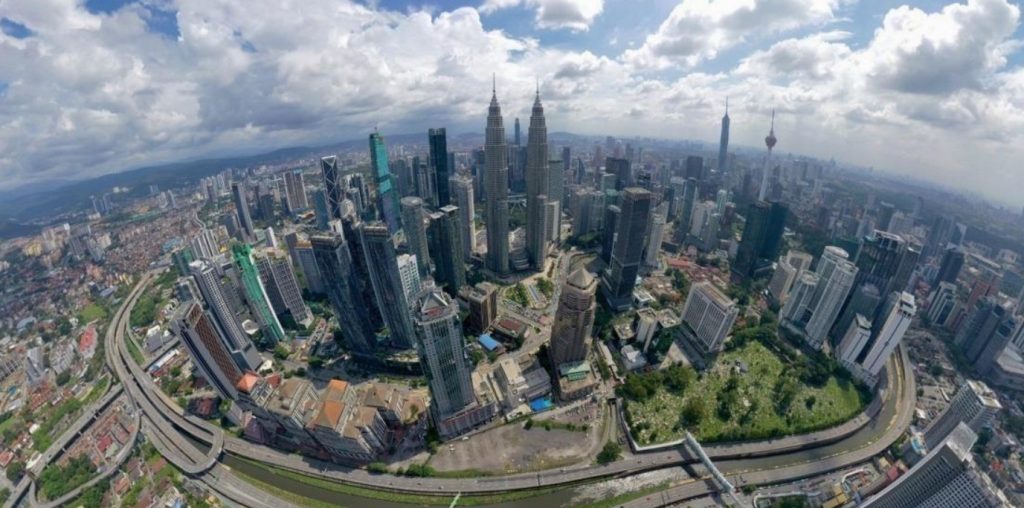
KUALA LUMPUR: Malaysia is set to undergo a transformative economic renewal, promising substantial impacts across various sectors. SPI Asset Management Managing Partner, Stephen Innes said that the RM120 billion domestic Direct Investments initiative unveiled by the Finance Ministry via 6 government-linked investment companies in the next 5 years represents a significant milestone in the nation’s economic strategy. Known as GEAR-uP, the ambitious plan led by Prime Minister Datuk Seri Anwar Ibrahim, who is also the Finance Minister, targets critical areas such as green technology, infrastructure and the Johor-Singapore Special Economic Zone (SEZ), These strategic investments are designed to catalyse job creation, stimulate sectoral growth and attract foreign direct investment (FDI). At the sectoral level, he said the emphasis on green and technology sectors positions Malaysia to assume leadership industries within ASEAN. The expected outcomes include the development of new expertise, the emergence of new industries, and the diversification of Malaysia’s economic portfolio well beyond its traditional reliance on natural resources. “Investments in infrastructure are pivotal and render Malaysia an increasingly attractive destination for investments. “Over the next decade, these investments are anticipated to yield tangible benefits such as a robust infrastructure, a fortified high-tech sector, and enhanced economic indicators, propelling Malaysia toward a diversified and resilient economy,” said Innes. The 6 GLICs involved in the first phase of GEAR-UP are Khazanah Nasional Bhd, the Employees Provident Fund (EPF), Kumpulan Wang Persaraan (Diperbadankan), Permodalan Nasional Bhd, Lembaga Tabung Haji, and Lembaga Tabung Angkatan Tentera. He said the timing of these investments is opportune and aligns with global movements toward sustainability and advanced technology from a macroeconomic perspective. These developments ‘safeguard’ Malaysia against economic downturns while enhancing its competitive edge internationally. On the microeconomic level, he stressed that the projected growth is expected to permeate various economic strata. Small and medium enterprises (SMEs), in particular, would benefit from heightened demand and new opportunities spawned by these expansive projects, fostering local business innovations and entrepreneurship within the targeted sectors. The journey ahead, nonetheless, is fraught with challenges, He said the consensus among economists and investors – both domestic and international – is one of cautious optimism. “They acknowledge the significant potential of these investments but are also mindful of possible impediments such as implementation delays, funding challenges and the pressing need for a skilled workforce. “The ultimate success of this programme will depend on its efficient and transparent management, ensuring that the investments are well-integrated with Malaysia’s broader economic goals and global market dynamics,” he said. Overall, he opined that Malaysia’s focus on sustainability and technological innovation, supported by inclusive societal values, is poised to substantially refine its socio-economic landscape, heralding a new era of prosperity and resilience under Anwar’s adept leadership via strategic capital investments. — BERNAMA

News

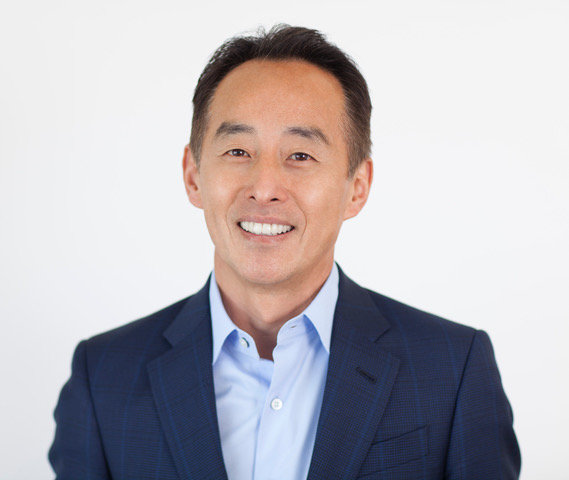
Samsung senior adviser Young Sohn to rejoin Arm’s board

British chip firm Arm Holdings said on Thursday that Young Sohn, a senior adviser at Samsung Electronics, will rejoin its board. Having previously served on Arm’s board, Sohn said that his history with the company has “provided unique perspective into how critical Arm technology is to the world that relies on it.” “The depth of experience that Young brings will be invaluable to Arm as we continue to diversify our business and work to address the very real and complex computing challenges in the age of AI,” said Arm’s CEO Rene Haas. Sohn is the chairman of audio electronics maker Harman’s board, which Samsung bought for $8 billion in 2017. He is also on the board of Cadence Design Systems.–REUTERS

News

Hong Kong Launches New Silver Bonds Batch

HONG KONG: The Hong Kong government has announced a new series of silver bonds for subscription, targeting a total issuance of $50b. Each bond is priced at $10,000, with a three-year term and semi-annual interest payments tied to inflation, with a minimum rate of four percent. Eligibility is for Hong Kong residents aged 60 or older by the end of 2025 (born in 1965 or earlier) with a valid Hong Kong ID. The bonds are part of the Infrastructure Bond Programme, with proceeds going to the Capital Works Reserve Fund for infrastructure projects. Annual updates on fund allocation will be provided. Financial Secretary Paul Chan said that these bonds offer a low-risk investment for seniors and support infrastructure development, benefiting both the economy and public welfare. The government plans to issue HK$50b in bonds this year, with a potential increase to $55b depending on market demand. Silver bonds will not be traded on the secondary market but can be sold back to the government at face value plus accrued interest. Each investor can purchase up to $1m worth of bonds (100 units). The subscription period runs from 9 a.m. on 30 September to 2 p.m. on 14 October, with bonds issued on 23 October. Applications can be made through designated banks and brokers.–HONG KONG BUSINESS

News

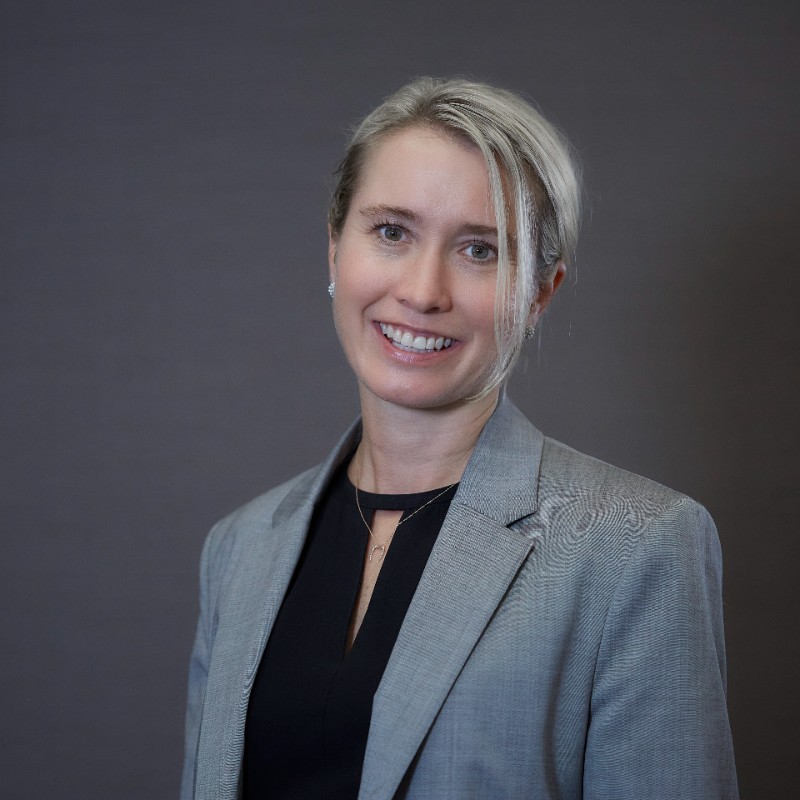
Armis Appoints Christina Kemper to Vice President of International

 SYDNEY: Armis, the asset intelligence cybersecurity company, today announced the appointment of Christina Kemper to VP of International. In her role, Kemper will accelerate international sales growth and expand Armis’ global presence forging strategic partnerships with organisations across EMEA and Asia Pacific to help businesses manage their cyber risk exposure in real time. “Christina brings a wealth of experience and a track record of success in the industry,” said Alex Mosher, Chief Revenue Officer, Armis. “Her strategic vision and deep understanding of the global market will be invaluable as she leads our international expansion efforts, supporting customers to effectively balance innovation and security as they embrace digital transformation. I’m confident that we will achieve great success in the international market with her leadership, expertise and passion.”   London-based Kemper brings over 20 years of sales and leadership experience with global technology enterprises. Most recently, Kemper served as Vice President of EMEA at threat intelligence company Recorded Future. Prior to this, Kemper spent 11 years at sales performance solutions provider CallidusCloud, now part of SAP, where she rose through the ranks of the sales team, ultimately serving in the role of Senior Vice President of Sales for EMEA. Kemper holds an MBA from Columbia Business School.   “I’m thrilled to join the Armis team at such an exciting time in the company’s journey,” said Kemper. “On a global scale, Armis is achieving remarkable growth, driven by its world-class technology, dedicated team and commitment to helping enterprises of all verticals to protect the ever-expanding attack surface. I’m eager to dive right in and look forward to contributing to Armis’ success and to making an impact working with our customers and partners internationally.”   The news of Christina Kemper’s appointment follows the recent announcement that Armis surpassed US$200M in annual recurring revenue (ARR) globally, doubling ARR in less than 18 months. Armis is one of just a few companies that has achieved this rapid scale, not just in the cybersecurity market, but of any SaaS company worldwide. Armis’ explosive growth has been driven by its award-winning AI-powered cyber exposure management platform, Armis Centrix™, which has been adopted by the world’s leading organisations, including 35 of the top Fortune 100 companies.   Armis is expanding globally to provide unparalleled cybersecurity solutions and to protect its customers’ digital assets in an ever-evolving threat landscape. Find open career opportunities here.

ALPHA IVF
News

Alpha IVF commences its operations in China

PETALING JAYA: Fertility care provider Alpha IVF Group Bhd has commenced operations in China with the opening of a new sales representative office in Shanghai’s Huangpu district. This is Alpha IVF’s second international expansion following its initial public offering in March 2024, adding to its recent venture into the Philippines. Last week, Alpha IVF announced its entry into the Philippine medical sector, focusing on obstetrics, gynaecology, and fertility, through a joint venture with two local doctors to form Alpha IVF (Manila) Inc. Additionally, the group operates in Malaysia and Singapore, with three specialist centres in Malaysia – two in Kuala Lumpur and one in Penang – and one in Singapore. Operated through its wholly-owned subsidiary Alpha International (Shanghai) Medical Consulting Ltd, the new office in Shanghai aims to capitalise on China’s rapidly growing in-vitro fertilisation (IVF) market besides strengthening the group’s regional footprint. In a statement, Alpha IVF said its Shanghai office would serve as a key gateway for Chinese patients to access its advanced fertility services. This includes preimplantation genetic testing for aneuploidies. This is a screening technique for chromosomal abnormalities that is not yet available in China. “The office will also emphasise the group’s high IVF success rates and streamline the process for patients seeking treatment in Malaysia,” Alpha IVF pointed out. Group managing director Datuk Dr Colin Lee Soon Soo highlighted China’s potential, noting that the new office would enhance patient experience, reduce logistical challenges, and expand access to advanced fertility treatments. “With China facing chronic fertility challenges, we hope to play a pivotal role in helping couples set up their families, facilitating access to our cutting-edge reproductive technologies and high IVF success rates,” he noted. The Shanghai office is projected to have the capacity to recruit over 150 egg retrieval procedures annually. Before the Covid-19 pandemic, Chinese patients accounted for 21% or RM12.8mil, of the group’s Malaysia operations revenue for the financial year ended May 31, 2020 (FY20). The pandemic resulting in border closures had led to a decline in this contribution. It had since recovered. The company mainly focuses on assisted reproductive services, with a strong emphasis on IVF.

News

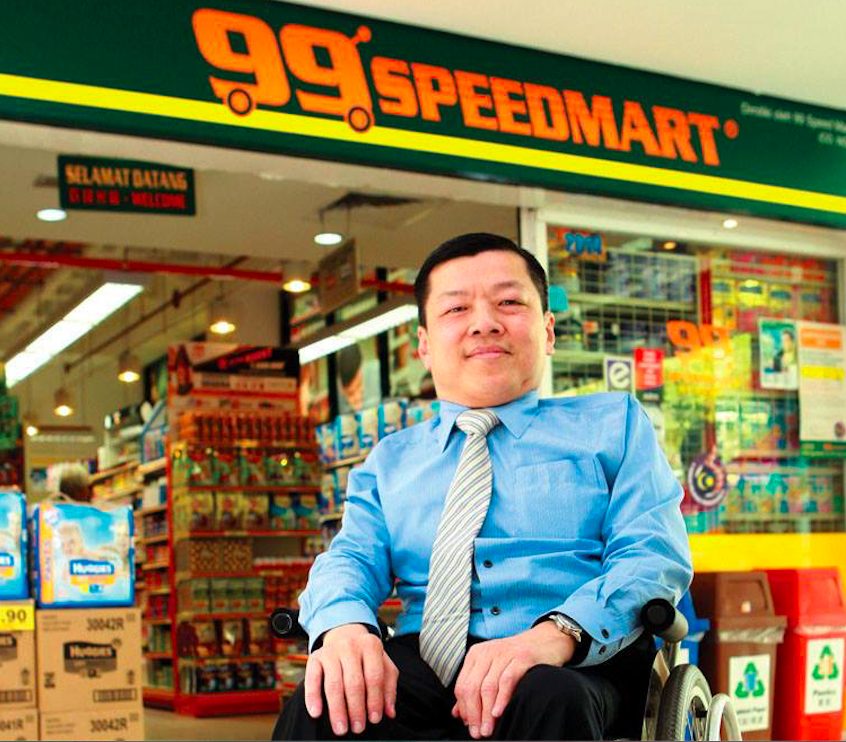
Founder of 99 Speed Mart is Now Among the Richest Billionaires in Malaysia

KUALA LUMPUR: Investor interest in 99 Speed Mart Retail Holdings Bhd shares has led to a RM2 billion increase in the wealth of its Founder and CEO, Lee Thiam Wah. This follows the company’s initial public offering (IPO), which was the largest in Malaysia in seven years, since Lotte Chemical Titan Holding Bhd’s RM3.77 billion IPO in 2017, priced at RM1.65 per share.   As of the last count, 99 Speed Mart shares were trading at RM1.90 each, giving the company a market value of RM15.9 billion and boosting Thiam Wah’s net worth by another RM2 billion. He now ranks alongside billionaires like the Founder and Chairman of Sunway Group, Tan Sri Dr. Jeffrey Cheah, who is eighth on Forbes’ list of Malaysia’s 50 richest individuals (US$2.4 billion), and Genting Bhd’s corporate figure, Tan Sri Lim Kok Thay (US$2.2 billion). As of September 9, Thiam Wah held a direct 28.2% stake in 99 Speed Mart and an indirect 51.5% stake through his fully-owned company, Lee LYG Holdings Sdn. Bhd. Based on the RM1.90 share price, Thiam Wah’s net worth now stands at RM13 billion. Despite life’s challenges, Thiam Wah carved a successful path in the retail industry. He has been unable to use his legs since childhood due to polio. During his childhood, his family’s financial struggles only allowed his parents to support his education up to primary school. To fill his days that should have been spent in secondary school, he began selling snacks by the roadside, which marked his first experience in entrepreneurship. In 1987, at 23, Thiam Wah opened a grocery store named Pasar Raya Hiap Hoe in Klang, using money he had saved from selling snacks. Between 1992 and 1998, he opened his first store called Pasar Mini 99 and added eight more branches in Klang. All eight branches were rebranded as part of an intensive expansion plan from 2000 to 2003. These stores were taken over and rebranded as 99 Speedmart, the well-known brand today. His first headquarters and distribution center, located on Jalan Kapar, Klang, was completed in October 2022. Today, Thiam Wah owns more than 2,600 branches nationwide and aims to reach 3,000 stores by 2025. While there are currently no plans to enter the regional market, Albert Lee, Alternate Director of 99 Speed Mart, mentioned in a press conference that they would be open to the opportunity if it arises. In addition to its retail stores, the company launched an online wholesale platform last year, 99 Bulksales, offering customers and businesses bulk purchase options. With this listing, Lee hopes the company will reach its expansion goals while focusing on improving its wholesale operations.

Scroll to Top

Subscribe
FREE Newsletter