News

Investment & Market Trends, News

MSMEs Contribution to GDP Grew 5% in 2023, Added Value of RM613.1 Bil

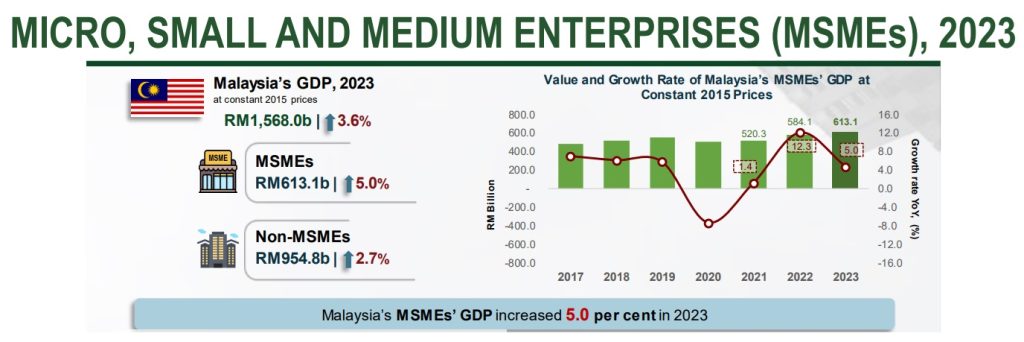
The contribution to the gross domestic product (GDP) by micro, small and medium enterprises (MSMEs) grew by 5% in 2023, with a value-added of RM613.1 billion and contributing 39.1% to Malaysia’s economy, according to the Department of Statistics Malaysia (DOSM). MSMEs’ growth has surpassed Malaysia’s GDP growth of 3.6% in 2023. Chief Statistician Datuk Seri Dr Mohd Uzir Mahidin said that the services and manufacturing sectors are the main contributors, which comprises 84.8% of the MSMEs’ GDP. “The agriculture sector contributed 9.1% to MSMEs’ GDP, followed by the construction (4.5%) and mining and quarrying (0.5%) sectors,” he said in a statement. Mohd Uzir said the services sector increased 6.5% in 2023 from 17.2% in the preceding year. “The performance was supported by steady growth in the main sub-sectors, namely wholesale and retail trade, food and beverages and accommodation (5.7%), finance, insurance, real estate and business services (6.3%) and transportation and storage and information and communication (10.6%). The manufacturing sector recorded a growth of 1.5% (2022: 6%) and was influenced by positive growth in food, beverages and tobacco (5%) and non-metallic mineral products, basic metal and fabricated metal products (5.3) sub-sectors. The value added of MSMES in the agriculture sector increased 1.3% in 2023, higher than the 0.9% growth in the preceding year. The performance was supported by the rubber, oil palm, livestock & other agriculture (1.8%) and fishing (0.5%) sub-sectors. Meanwhile, MSMEs’ value added of construction, mining and quarrying sectors also expanded by 5.8% (2022: 5%) and 4.9% (2022: 10.7%), respectively. On another note, Mohd Uzir said exports of MSMEs stood at RM152.2 billion with a growth of 4.5% in 2023, slower than the 17.2% recorded in the preceding year. He said MSMEs’ employment continued to register an increase, albeit at a slower annual growth of 3.5% compared to 3.8% in 2022, to record a total of 7.86 million persons from 7.59 million persons in 2022. “Accordingly, the contribution of MSMEs employment to Malaysia’s employment in 2023 was 48.5%, which grew 0.3 percentage points from 48.2% in 2022,” he said. — BERNAMA

News

Bank of America Appoints Winnie Chen as Head of Asia Pacific Global Payments Solutions

Bank of America has announced the appointment of Winnie Chen as the new head of Asia Pacific Global Payments Solutions (GPS), effective September. Chen will be based in Singapore and will also join the Asia Pacific Executive Committee. In her new role, Chen will drive the Global Payments strategy and execution for the region, aiming to deepen client relationships and ensure close collaboration with partners in Global Corporate and Investment Banking. Her extensive experience and leadership will be pivotal in advancing Bank of America’s GPS business in the Asia Pacific. Chen rejoins Bank of America after previously serving as head of Sales for Financial Institutions and the Public Sector for Hong Kong and Macau. Most recently, she held the position of head of Treasury Services for Asia Pacific and Singapore Chief Executive at Bank of New York Mellon. With over 20 years of experience in financial services across the United States, Greater China, and Singapore, Chen brings a wealth of international perspective and deep expertise in credit administration, sales, relationship management, and transaction banking. Chen will oversee Bank of America’s GPS business across 12 Asia Pacific markets and an additional seven markets through strategic alliances. The Asia Pacific region is crucial to Bank of America’s $11 billion+ global GPS business, given its significant importance to clients. Bank of America maintains relationships with 62% of the Global Fortune 500. Chen’s appointment comes at an opportune time for both the region and the industry. The Asia Pacific team has been developing innovative solutions, such as CashPro Forecasting, to help clients navigate new regulatory requirements and simplify cross-border payments, exemplified by a solution that connects clients to the China Customs platform. Bank of America recognizes that the role of the treasurer has evolved, making it essential for providers to offer comprehensive consulting on managing interest rate volatility and protecting FX exposure during large volumes of routine cross-border payments. The appointment of Chen underscores the importance of a strategic approach to payments, beyond merely adopting new innovations.

Energy & Technology, News

Recent Gas Discoveries in Malaysia, Indonesia to Trigger Offshore Gas Boom in SEA

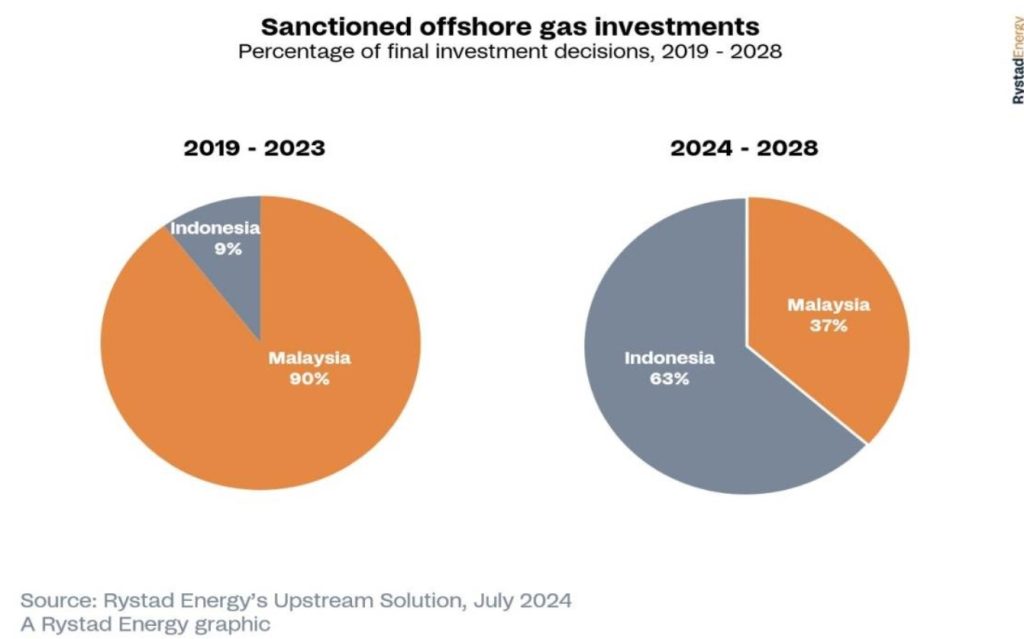
KUALA LUMPUR: Offshore gas production in Southeast Asia is poised to unlock a US$100 billion potential driven by a flurry of planned final investment decisions (FIDs) expected to materialise by 2028. According to global research and energy intelligence company, Rystad Energy, the upcoming period of rapid growth is bolstered by deepwater projects, recent discoveries in Malaysia and Indonesia as well as positive carbon capture and storage (CCS) advancements. “This represents an over double increase of the US$45 billion worth of developments that reached FID from 2014 to 2023 and signals a surge for the region’s offshore gas industry,” it said in a statement. Rystad Energy said oil and gas majors are expected to drive 25% of these planned investments through 2028 while national oil companies (NOCs) will account for a 31% share. Notably, East Asia’s upstream companies are emerging with a 15% share and show potential for growth through their focus on merger and acquisition opportunities and upcoming exploration ventures. “The role of majors could further expand to 27% following TotalEnergies’ substantial acquisition efforts in Malaysia,” Rystad Energy said. Earlier this year, it was reported that TotalEnergies had signed an agreement with OMV to acquire its 50% interest in Malaysian independent gas producer and operator SapuraOMV Upstream Sdn for US$903 million, a move that will increase the French oil and gas major’s presence in the region. “Recent discoveries and the involvement of NOCs will play a vital role in the growth (of new project investments and capital commitments in the region), particularly in deepwater developments, which are pivotal in determining how much of this anticipated US$100 billion boom can be realised, Rystad Energy Vice President of Upstream Research, Prateek Pandey said in the statement. Indonesia stands out in its efforts to accelerate its offshore gas activities driven by major projects, making it a formidable contender for Malaysia’s established dominance in the field. Nevertheless, the research firm said that Malaysia continues to maintain robust activity levels with recent FIDS, exploration success and planned exploration efforts. Malaysia’s upcoming FID projects underscore significant discoveries made since 2020, primarily managed by Petronas, Thailand’s national oil and gas company PTTEP and Shell. — BERNAMA

Investment & Market Trends, News

Inflation, Economic Growth Forecasts Not Affected By Targeted Subsidy Implementation

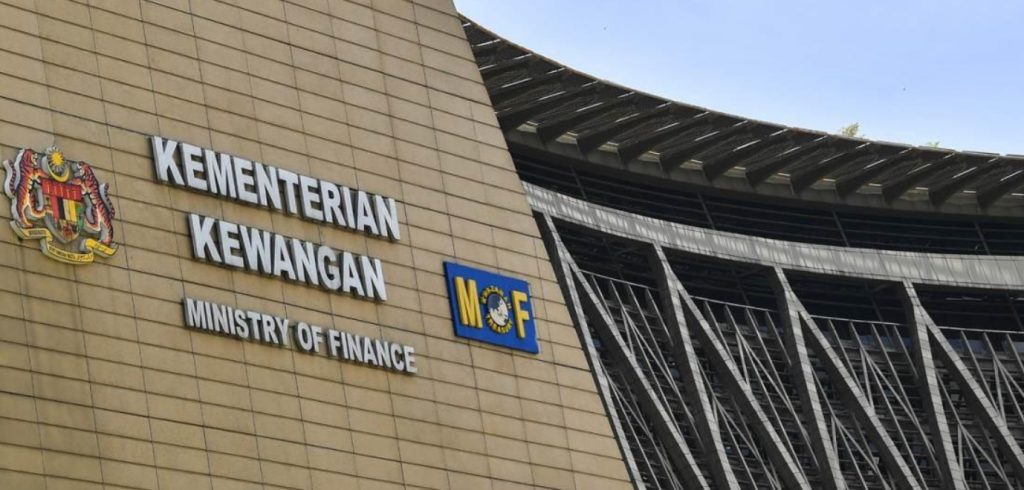
KUALA LUMPUR: The implementation of targeted diesel subsidies is not expected to have a significant impact on inflation and economic growth as the government has taken into account the rate of increase in diesel retail price and the cash assistance provided. Therefore, the official 2024 forecasts for inflation and gross domestic product (GDP) growth remain at 2%-3.5% and 4%-5% respectively, said the Ministry of Finance (MoF). “In principle, the government takes the approach of subsidy rationalisation while continuing to provide subsidies to groups that are in need, especially those with low to medium incomes,” MoF said in a written reply on the Parliament website. The ministry explained that the retargeting of subsidies is intended to reduce leakages to groups that are not eligible to receive them such as foreign citizens, large private companies and high-income individuals. Under the diesel subsidy retargeting, cash assistance to vehicle owners is only given to 300,000 individuals with assistance provided based on a single rate of RM200 per month, which is estimated to be sufficient for individual owners of diesel vehicles who mainly use pickup trucks. “In contrast, the number of RON95 petrol consumers is larger, including owners of motorcycles and cars as well as e-hailing drivers. Therefore, if cash assistance is used as the ROM95 approach, it may differ from diesel,” MoF said. — BERNAMA

News

Public Mutual declares RM94mil distributions for seven funds

KUALA LUMPUR: Public Bank Bhd’s wholly-owned subsidiary, Public Mutual Bhd has declared distributions of over RM94mil for seven funds. In a statement, Public Mutual said the gross distributions declared are 5.50 sen per unit for Public Islamic Income Fund, 4.50 sen per unit for Public e-Income Fund, 4.25 sen per unit for Public Bond Fund and 4.25 sen per unit for Public Islamic Select Bond Fund. It also declared 3.50 sen per unit for Public e-Islamic Income Fund, 0.40 sen per unit for Public Optimal Growth Fund and 0.20 sen per unit for Public Far-East Property & Resorts Fund. Public Mutual is Malaysia’s largest private unit trust company with more than 180 funds under its management. It is also an approved private retirement scheme (PRS) provider, managing nine PRS funds. –The Star

Investment & Market Trends, News

ASEAN Region Could Be More Competitive With Members Complementing Each Other

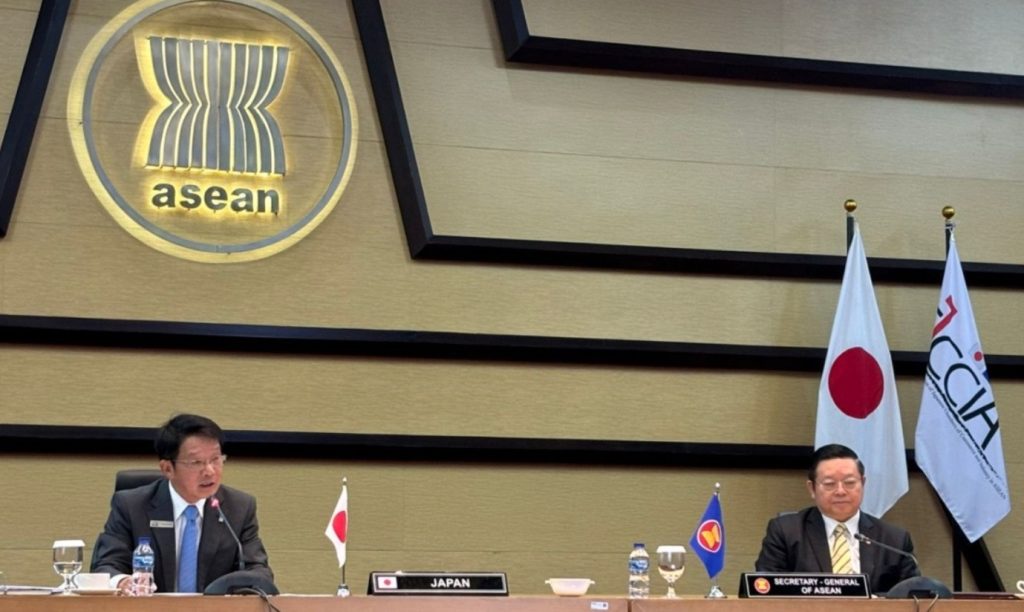
KUALA LUMPUR: ASEAN member states will transform into a more competitive region and become the best investment destination by complementing each other. Federation of Japanese Chambers of Commerce and Industry in ASEAN (FJCCIA) Chairman Takero Sawamura said during the 16th dialogue between FJCCIA and ASEAN Secretary-General Dr Kai Kim Hourn, that in order to maximise ASEAN’s competitiveness and attractiveness, regional integration is of key importance. “For this reason, FJCCIA would like to support the ASEAN Economic Community (AEC) Post-2025 Agenda,” he said in a statement. On 17 July, FJCCIA held a dialogue with Kao at the ASEAN Secretariat in Jakarta. Representatives from 9 ASEAN chambers including the Japanese Chamber of Trade & Industry Malaysia (Jactim) gathered to discuss ways in which Japanese companies can contribute to the future sustainability of ASEAN and human resource development, as well as potential improvements to systems and rules to make ASEAN an even more attractive business destination. The FJCCIA consists of 10 Japanese Chambers of Commerce and Industry (JCCIs) in 9 ASEAN member states with 7,370 companies in total. The Japan External Trade Organisation (Jetro) facilitated the dialogue as an intermediary between Japanese companies operating in ASEAN, the ASEAN Secretariat and various stakeholders. Sawamura noted that from a long-term perspective, the FJCCIA is greatly interested in the formulation of the “AEC Post-2025 Agenda”, which will chart the path beyond the AEC Blueprint 2025. Since its adoption in 2015, the AEC Blueprint 2025 charted the strategic path for ASEAN’s economic integration and work is in progress now for ASEAN policy makers in the development and preparation of the post-2025 agenda. Six Pillars of Recommendations for AEC Post-2025 The proposals outlined by FJCCIA were also developed in alignment with the economic components of the ASEAN Community Vision 2045, which outlines future strategic direction of ASEAN’s economic integration. The 6 pillars proposed by FJCCIA for the ASEAN economy comprised a seamlessly connected single market and production site, green economy and sustainability, digital economy and innovation, and emerging technologies. It included proposals for ASEAN to play an active role in the global community with resilient and abundant human resources and inclusive and equitable development. FJCCIA proposed eliminating non-tariff barriers and cutting down market-distorting policies. To promote green economy and sustainability, FJCCIA proposed the facilitation and systems for the trade of renewable energy, electricity certificates and carbon credits in a wider region. In the promotion of the digital economy, proactive implementation of countermeasures against counterfeit goods on e-commerce sites was proposed. It also suggested developing a legal framework and system for digital data and governance as well as strengthening supply chain connectivity and resilience. Sawamura, who is also the Jactim President, proposed the electronification for receiving and issuing the specified certificates of origin for the Regional Comprehensive Economic Partnership (RCEP) Agreement involving countries in the Asia-Pacific region and the ASEAN-Japan Comprehensive Economic Partnership (AJCEP) Agreement. He is also the Deputy Chief Executive Officer of MSIG Insurance (Malaysia) Bhd. FJCCIA’S Vision on ASEAN FJCCIA said 2023 saw the formulation of ‘ASEAN-Japan Economic Co-Creation Vision’ by the Japanese public and private sectors. “This vision aims to build a secure, prosperous and free economy and society through fair and mutually beneficial economic co-creation, with the trust ASEAN and Japan, have nurtured over the past 50 years of friendship and cooperation as driving force,” it said. In support of this vision, the FJCCIA, as a member of ASEAN economic system, would like to make an active contribution through sharing practices for economic growth and overcoming social challenges and being grounded in diverse realities and geopolitical conditions of the region. It would also like to promote 2-way exchange of human resources to bring mutually beneficial innovations. A survey conducted by member companies under FJCCIA revealed that business confidence deteriorated in 2023 due to factors such as dampened demand in the local market but is expected to recover in 2024. The survey also showed that efforts toward carbon neutrality and dealing with decoupling also need to be addressed as urgent issues. — BERNAMA

Investment & Market Trends, News

Meihua Announced Share Repurchase Programme of Up to US$3 Mil

YANGZHOU: Meihua International Medical Technologies (MHUA), a reputable manufacturer and provider of Class I, II and III disposable medical devices with operating subsidiaries in China, announced that its board of directors has approved and authorised a share repurchase program of up to US$3 million of the company’s outstanding ordinary shares with the intention to cancel all shares repurchased pursuant to this Share Repurchase Programme. The ordinary shares may be repurchased from time to time through open market purchases or privately negotiated transactions at prevailing prices, in accordance with securities laws and other legal requirements, including Rule 10b-18 and Rule 10b5-1 under the Securities Exchange Act of 1934, as amended, as well as the Company’s insider trading policy, and subject to market conditions and other factors. “With ongoing efforts to innovate, expand our premium product offerings, and enhance operational efficiency through optimised production processes and the application of AI, we continue to strengthen our business model and generate significant cash flow, which enables us to invest for the long term,” said Meihua CEO, Xin “Steven” Wang. “This Share Repurchase Programme including the planned cancellation of repurchased shares not only underscores our confidence in Meihua’s future growth but also demonstrates our commitment to enhancing shareholder value through concrete actions,” he added. However, the adoption of this Share Repurchase Programme does not obligate the company to acquire any specific amount of ordinary shares and it may be suspended or discontinued at any time by the board. The company expects to implement the Share Repurchase Program and a corresponding 10b5-1 plan following the filing of its Semi-Annual Report on Form 6-K for the period ending 30 June 2024.

Investment & Market Trends, News

AIIB Invests US$75 Mil in Green and Blue Bonds of SeABank

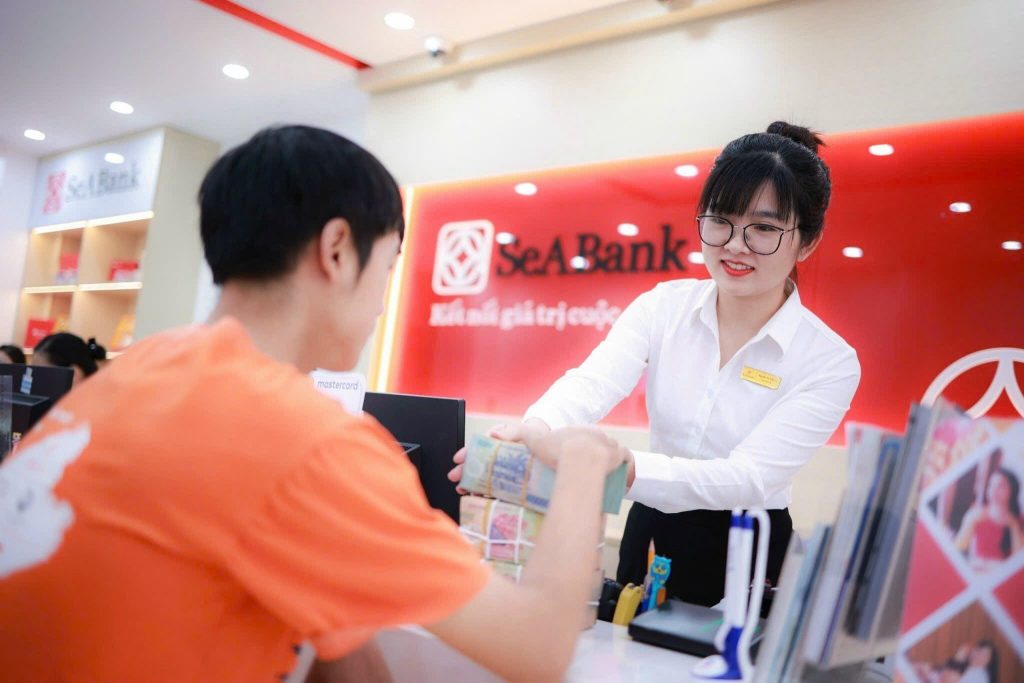
HANOI: Asian Infrastructure Investment Bank (AIIB) provides an investment of US$75 million to the green and blue bonds issued by Southeast Asia Commercial Joint Stock Bank (SeABank). AIIB’s US$75 million investment is expected to further strengthen the bank’s strong capital base to expand financing for sustainable economic activities linked to the sea and water, and grow green assets such as green buildings, renewable energy and energy efficiency. “Vietnam’s Nationally Determined Contribution lays emphasis on the importance of resource mobilisation from financial and international credit institutions to support climate mitigation and adaptation ambitions. “This cooperation will supplement the ongoing measures to reduce greenhouse gas emissions and contribute to the thematic capital market development,” said AIIB Director General of Financial Institutions and Funds, Global, Gregory Liu. Following SeABank’s sustainable commitment, one of the current priorities is to issue the first blue bond in Vietnam and to issue the first green bond by a private commercial bank in the country. “We hope the partnerships with financial institutions such as AIIB and IFC could supplement SeABank with capital sources to foster green credit and sustainable strategies associated with green and blue economy,” said SeABank Vice Chairwoman of the BOD, Le Thu Thuy. The investment was mobilised by the co-investor introduction of IFC, SeABank’s strategic partner in terms of sustainable projects, in partnership with the Australian government. Previously at the end of June, IFC provided a US$150 million financing package which includes investments in SeABank’s blue and green bonds. Sharing the same goal of promoting Vietnam’s sustainable economy, together AIIB and IFC are investing US$150 million in SeABank’s blue and green bonds. Further, IFC will advise SeABank on the bond issuance, application of related frameworks, and pipeline development. With its sustainable development goal, in recent years, SeABank has continuously prioritized application of E&S risk management, implementation of financial inclusion and green finance projects. As a result, the bank has been entrusted with and has received continuous investments from various international financial institutions such as DFC, IFC and ADB with a total capital of approximately US$850 million.

Investment & Market Trends, News, Property

Rapid Construction Initiative Could Draw Investments Into Pahang

KUALA LUMPUR: The rapid construction initiative launched by the Malaysian Productivity Corporation (MPC) with the Kuantan City Council (MBK) is expected to have a major impact on the Pahang economy. Pahang MPC Director Noor Aishah Hassan said the hands-on workshop involving 36 participants from technical agencies, developers and project negotiators was organised to discuss the initiative to be implemented in the pioneer project to build a tyre plant worth RM1.33 billion in Kuantan, Pahang. In a statement, she said the strategic collaboration between MBK, technical agencies, developers and project consultants will be the key to the project’s success. “This initiative will not only accelerate the construction process with high compliance but also increase the economic competitiveness and productivity in Pahang,” she said. Noor Aishah said that the rapid construction initiative is also expected to improve the productivity of the construction sector and attract significant investments into the state. With the large investment value, she said the construction of the tyre plant is expected to create more than 700 jobs, of which 80% will benefit locals. Meanwhile, MBK expressed hope that the project’s success will pave the way for more efficient and rapid construction projects and strengthen Pahang’s position as a productive and competitive investment centre. — BERNAMA

ESG, News

Malaysia, China to Cooperate on EU Deforestation Regulation

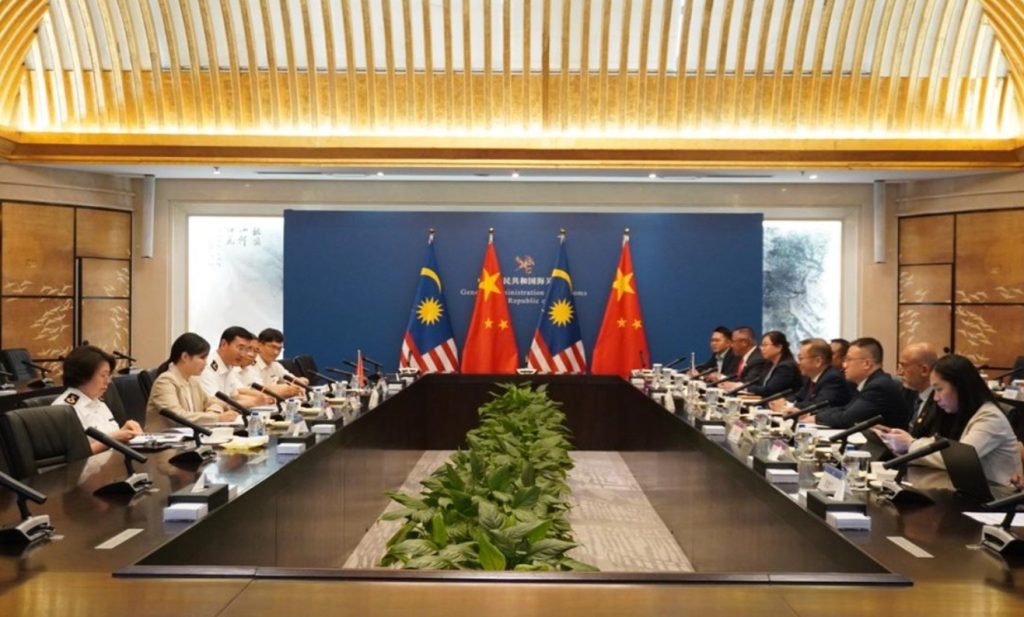
PUTRAJAYA: Malaysia seeks to cooperate with China in establishing a shared consensus during engagements with the European Union, particularly regarding the European Union Deforestation Regulation (EUDR), said Deputy Plantation and Commodities Minister Datuk Chan Foong Hin. Chan affirmed Malaysia’s commitment to supplying China with Malaysian Sustainable Palm Oil (MSPO) certified products, aiming to address the EUDR’s implementation and impact. “Malaysia looks forward to cooperating with China’s Ministry of Ecology and Environment (MEE) to promote sustainable development, environmental protection, and address climate change through the MSPO Certification Scheme in the Chinese market,” Chan said in a statement. He said these issues were raised during a G2G bilateral meeting with vice minister of China’s Ministry of Ecology and Environment Zhao Yingmin in Beijing last Friday, which received a positive response. According to the statement, Chan highlighted Malaysia’s active efforts to address the four challenges posed by the EUDR: Traceability System, Legal Land Title, Deforestation-Free and No Forced Labour. The MSPO certification scheme, mandatory since 1 January 2020, plays a key role in these efforts. In addition to the green value chain, Malaysia welcomes initiatives by the Chinese Government to use biofuel, especially biodiesel and Sustainable Aviation Fuel. “In this regard, Malaysia pledges support for these efforts through technical information exchange and biofuel supplies,” Chan said. Chan also spoke at the Roundtable Dialogue on the Malaysia-China Green Value Chain Partnership, discussing low-carbon development and the transition in the palm oil sector. He emphasised that developing a green economy requires international cooperation and joint efforts. He said Malaysia and China will continue to strengthen policy alignment, deepen technical exchanges and promote green projects for mutual benefit. “We hope that through this high-level dialogue, we can work with all parties to explore low-carbon development and the transition to palm oil, promoting the green economy and resilient recovery,” Chan added. Chan also held a G2G bilateral meeting with vice minister of the General Administration of Customs of China (GACC) Zhao Zenglian to discuss technical collaboration and trade agreements. “Malaysia looks forward to continued cooperation with the GACC on port supervision and food safety. “This is crucial as smooth collaboration paves the way for exploring international cooperation in key areas, such as palm oil,” he said. — BERNAMA

Scroll to Top

Subscribe
FREE Newsletter