News

Investment & Market Trends, News

Malaysian RE, Pacific Life Re Collaborate to Enhance Takaful Solutions

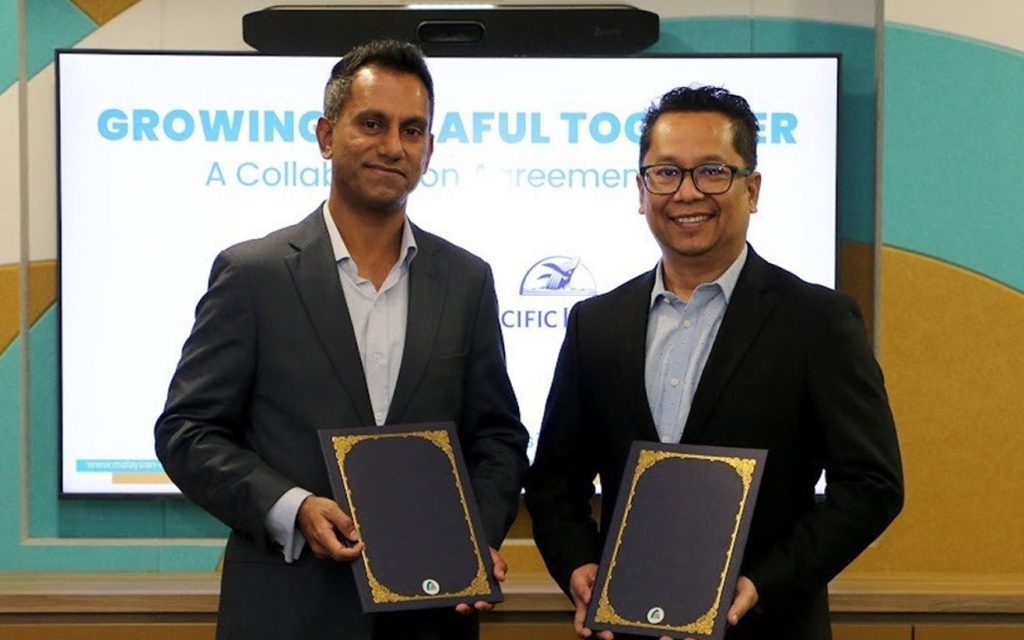
KUALA LUMPUR: Malaysian Reinsurance Bhd and the Singapore branch Pacific Life Re Ltd have inked a Memorandum of Understanding (MoU) to provide sustainable retakaful solutions to takaful operators. In a statement, Malaysian Re’s President and Chief Executive Officer Ahmad Noor Azhari Abdul Manaf said the collaboration has allowed both parties to deliver exceptional retakaful solutions to meet the diverse needs of their customers. The collaboration was first established in 2019 and since then, Malaysian Re through its retakaful division Malaysian Re Retakaful Division (MRRD) has worked with Pacific Life Re to provide family retakaful solutions leveraging on Pacific Life Re’s global experience and technology solutions powered by UnderwriteMe, Pacific Life Re’s fully-owned subsidiary. “Within the first 5 years of this collaboration, Malaysian Re has expanded not only its takaful business but also its conventional business and we look forward to unlocking new opportunities from the extension of this collaboration. “By combining both Malaysian Re and Pacific Life Re’s strengths and advantages, we are well-positioned to continue providing innovative retakaful solutions to address complex risk challenges faced by the industry as well as promote the benefits of retakaful to a larger pool of industry players,” Noor Azhari said. Meanwhile, Pacific Life Re’s Managing Director Vasan Errakiah said this collaboration underscores the shared vision and commitment of both Malaysian Re and Pacific Life Re to meet the demands of the sector and contribute to the enhancement of retakaful solutions. “By combining our expertise, we are confident that we will continue to deliver greater value to our customers and contribute to the development of a robust and innovative retakaful market,” he added.

Investment & Market Trends, News

Economist Calls for Buoyancy, Reforms in Malaysia’s Tax System

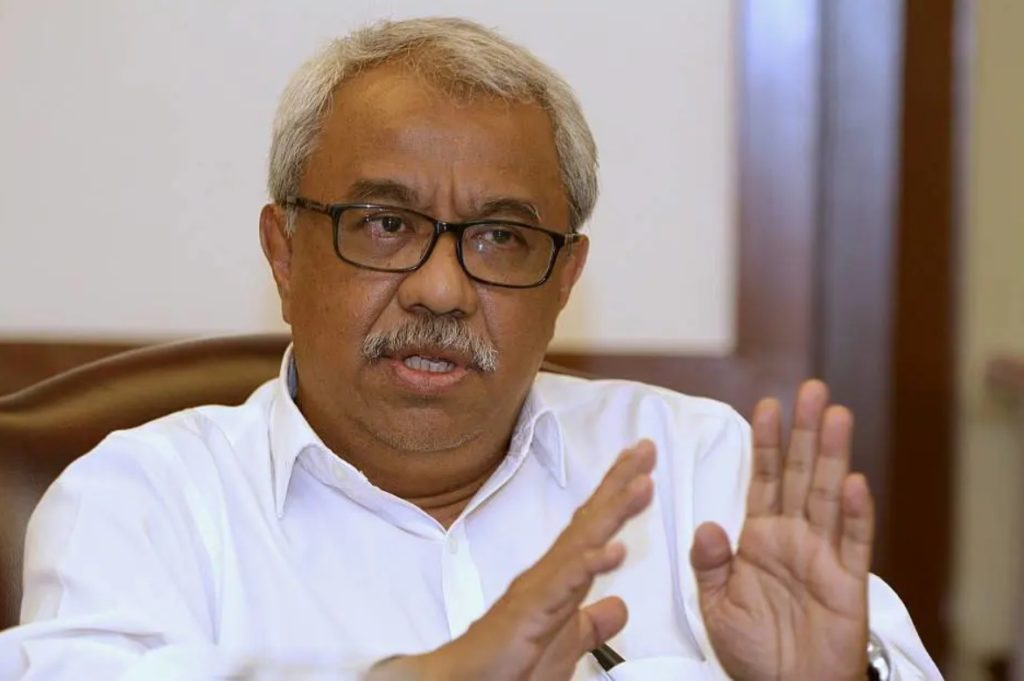
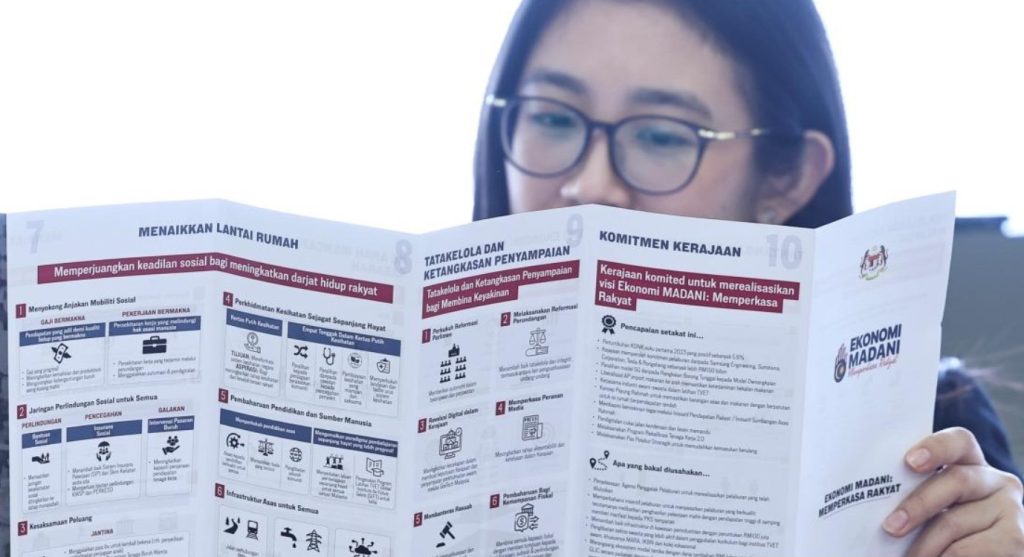
KUALA LUMPUR: Malaysia’s tax system requires reform due to its imbalanced distribution of non-tax revenue, which tends to narrow the tax base, said an economist. Bank Negara Malaysia’s (BNM) board of directors member, Dr Nungsari Ahmad Radhi said that the country’s taxation system must undergo reform to give greater buoyancy to government revenue and to broaden the tax base. “The problem with our tax base is that it is not buoyant to show a 1% gross domestic product (GDP) growth yields more than 1% tax revenue,” he said at the BNM-organised Sasana Symposium 2024. Nungsari emphasised that the current taxation system relied on direct taxes, such as income and corporate taxes and taxpayers will be monitoring government spending. Nungsari said the dependency on non-tax revenue in the form of dividends from Petroliam Nasional Bhd (Petronas) is not sustainable in the long run. “We have been taking so much from Petronas, that they are not making enough investments to explore more wells to pay the dividend they have been paying. “We have to be prepared for the post-carbon, post-(crude) oil scenario where petroleum-based revenues will no longer be there as in the past,” he said. Nungsari also said that in the longer term, structural issues highlighted in Madani Economic framework would need close attention. — BERNAMA

Energy & Technology, News

Proton to Launch 5 EV Models Under e.MAS Brand

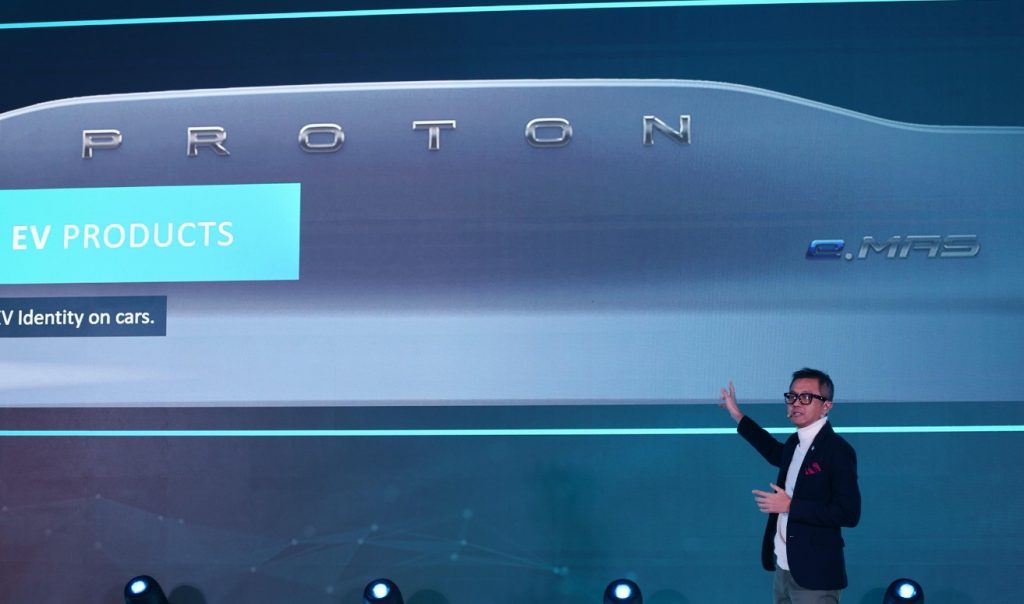
SUBANG JAYA: National carmaker Perusahaan Otomobil National Sdn Bhd (Proton) is planning to launch 5 electric vehicle (EV) models that use the Global Modular Architecture (GMA) platform under its newly launched EV brand, Proton e.MAS. Proton Edar Sdn Bhd Chief Executive Officer Roslan Abdullah said the first EV model under the new brand is set to be launched by 2025. “We have not decided on the timeline but the first model (will be launched) very soon, it could be early 2025 or earlier. We want to ensure the acceptance of Proton EV in the market. In terms of the volume and model, we will decide (to launch more EVs) based on the demand and acceptance by the public of Proton EVs,” Roslan said. He said that the company would look for suitable prices to market the Proton e.MAS EVs that would benefit the public and the government. “Apart from developing an automotive ecosystem, we are also entrusted by the government and shareholders to produce cars that are affordable for Malaysians. “We notice most EV cars currently in the market are ranged above RM100,000 and we are looking at a suitable price range that is good for Proton, the public as well as the government,” he added. Meanwhile, Proton CEO Dr Li Chunrong said, “This is the next step in the evaluation of the company and in the coming months, there will be additional announcements to build brand recognition and product advocacy in the run-up to the launch of the first Proton e.MAS EV in December this year.” — BERNAMA

ESG, News

Invest in Green Tech IT Infrastructure to Support Country’s Sustainability Goals

KUALA LUMPUR: Organisations with a keen interest in supporting Malaysia’s sustainability goals as outlined in the Industrial Master Plan 2030 and the National Energy Transition Roadmap are recommended to commence their sustainability efforts by investing in IT infrastructure monitoring tools.   ManageEngine President Rajesh Ganesan said the tools could effectively monitor energy consumption in buildings, devices and cloud infrastructure. He said this would help them understand how much energy they are consuming and emitting, which helps in planning and validating necessary changes, such as outsourcing, adopting green-coding practices and reducing overall energy usage. “Organisations can then implement green practices, such as investing in renewable and solar energy, whilst ensuring that they are complying with local regulations and growing responsibly in the realm of energy transition and sustainable development. Effective governance frameworks can then guide organisations in embedding sustainability into their core operations. “In addition, business leaders need to have a mindset shift regarding how sustainability will impact their bottom line and competitiveness in the long run, aside from focusing on short-term investments in costs and resources,” he said. Rajesh said in Malaysia’s context, the recognition of how green initiatives are critical for the country’s industry growth could be seen in the Malaysia Investment Development Authority’s (MIDA) approval of 4,073 green projects worth over RM38.9 billion as of September 2023 and is expected to increase in 2024. He said the Malaysian government’s strong commitment, partnered with support from the private sector in the areas of energy, agriculture, transportation and manufacturing, would enable the nation to achieve its net zero emissions target by 2050. “Local businesses need to focus on integrating sustainable practices and balance technological advancements with environmental responsibility. “By recognising that reducing Malaysia’s carbon footprint is one of the catalysts for transforming the economy on a more sustainable path, Malaysia is on the right path towards success and achieving a greener future,” he said. On ways for organisations to build a greener future, such as focusing on operational efficiency and green upgrades Rajesh recommended conducting surveys to identify unsustainable practices, using energy-efficient applications and investing in eco-friendly software and equipment. “Besides that, explore renewable energy options where applicable. Some companies strategically locate near renewable energy plants, while others install solar units on-premises,” he said. He also suggested organisations manage data centres efficiently to reduce storage and power usage by using data centre management software to analyse performance and identify bottlenecks for optimal usage. — BERNAMA

Investment & Market Trends, News

Malaysia’s Economy Predicted to Grow 4-5% in 2024, Aided by Export Recovery

KUALA LUMPUR: Finance Minister II Datuk Seri Amir Hamzah Azizan expects the Malaysian economy is projected to grow between 4-5% in 2024, supported by export recovery and resilient domestic demand. He mentioned that trade recovery will be underpinned by the global technology upcycle and further recovery in tourism activity. “Household spending would be underpinned by improving income and employment. “Investment activities will be driven by further progress of multi-year investment projects by both the public and private sectors,” he said in his keynote address at Bank Negara Malaysia’s Sasana Symposium 2024. He also said that the implementation of catalytic initiatives under various master plans, such as the National Energy Transition Roadmap (NETR), New Industrial Master Plan 2030 (NIMP 2030) and the 12th Malaysia Plan, would further boost investment. Amir Hamzah also said that the government is committed to delivering meaningful structural reform as it is necessary to build a more prosperous and inclusive Malaysia. In this regard, he noted that parallel multi-pronged strategic reforms are being pursued to support this endeavour. “First, to raise the floor by creating more fiscal space and making the economic pie bigger for more participation. Second, to raise the ceiling by enhancing social protection and third, to put in place good governance,” he said. He also said that the Public Finance and Fiscal Responsibility Act (FRA) and the Medium-Term Fiscal Framework (MTFF) are crucial measures to broaden and diversify the revenue base. “To make the most of this opportunity, we prioritise policies to attract high-quality investments that boost our economic competitiveness and create high-value jobs,” he added. Hence, by advancing these structural reforms, Malaysia will enhance its global competitiveness relative to other nations that are also rapidly working to bolster their growth potential, address fiscal deficits and improve resource efficiencies. — BERNAMA

Energy & Technology, ESG, News

Giti in the Running to Become as Fastest-Growing Tyre Brand in the World

SINGAPORE: In Brand Finance’s recent release of its 2024 World’s Most Valuable and Strongest Tyre Brands ranking, Giti was recorded to have a US$924 million increase since 2023, an impressive 19% growth, which saw Giti’s Brand Value rank improve to 9th position out of the Top 10 Tyre Brands in the world, and be hailed as the “fastest-growing tyre brand in the world this year”. With over 70 years of development, Giti has continually grown its original equipment manufacturing (OEM) business base, currently appearing as original tyres on over 675 vehicle models around the world. This secures Giti strong, stable future revenue growth prospects while increasing brand presence around the globe through the export of vehicles from the manufacturing capital of the world. Outside the vicinity of its manufacturing facilities, Giti has experienced strong acceptance and brand loyalty in Indonesia, while its reputation has seen upward progression in the UK, Italy and Germany. Setting itself apart from other tyre brands of similar origins, Giti’s focus on sustainability has also been recognised, raising the brand’s Sustainability Perceptions Value up 3 positions, to 7th position. Dedicated to all-rounded sustainability, Giti sets ambitious targets, like 100% sustainably-sourced materials, and net zero manufacturing by 2050. On track to achieve these targets, Giti has reported a year-on-year decrease in carbon dioxide equivalent emissions through initiatives like reforestation and the installation of solar panels to offset factory energy requirements. Recognised by Brand Finance as establishing a ‘solid, core technology system’, Giti embraces Industry 4.0 concepts in its recently-announced new factory (that is in the process of being constructed), which will feature state-of-the-art manufacturing facilities and the latest sustainable warehousing technologies that reduce energy consumption. Poised with a wide array of products, with particular success in EV-ready tyres, Giti has armed itself with an arsenal of tools to ride on the wave of new energy vehicles (NEVs) that has been taking the world by storm. Providing worldwide support through its global distribution network, Giti brings its high-quality products to support the increasing global demand for tyres. “We are proud of our achievements thus far, but Giti is not going to rest on these laurels. Supported by a shared corporate direction, our dedicated team from all around the world will continue to work hand-in-hand to further our developments sustainably, and to build Giti into a brand that is synonymous with the future of the automotive industry,” comments Giti Tyre Head of Marketing (Rest of World), Shiroo Chia.

Investment & Market Trends, News

GRP Completes Investment Partnership in Its Structural Steel Business

JAKARTA: In a significant move signalling a new phase of growth and expansion, PT Gunung Raja Paksi Tbk (GRP) and its affiliated company, PT Gunung Garuda (GRD), announced the completion of the sale process involving a combined 95% stake in its subsidiary, PT Nusantara Baja Profil (NBP), to Yamato Kogyo Corporation (YKC), Siam Yamato Steel (SYS), and Hanwa Indonesia (HWI), a subsidiary of Hanwa Co Ltd, as agreed upon in definitive agreements executed on 8 August 2023. This strategic alignment of vision and goals among all parties involved signals a new phase of growth and expansion for the companies. Alongside the successful acquisition, NBP also changes its name and identity to Garuda Yamato Steel (GYS). Before the sale, GRP and GRD held 81.07% and 18.93% respectively. Following the sale, GRP will retain a 5% stake with YKC holding 45%, SYS holding 35% and HWI holding a 15% stake in GYS respectively. The investment in GYS represents a strategic move by YKC, SYS and HWI to expand their business in Southeast Asia. The transaction, valuing GYS at US$450 million, underscores the immense potential and attractiveness of the Indonesian steel market. This investment by a diverse and strategic group of investors is a testament to the successful transformation of the company. “With the collective financial strength and operational expertise of our investment partners, GYS is well-positioned to be the leading structural steel company in the region. “We have exciting plans ahead to launch new steel products that will capture the immense market opportunities in Indonesia and will continue extracting further margin expansion through our production efficiency initiatives,” said Garuda Yamato Steel President Director, Tony Taniwan. The acquisition of GYS by YKC, SYS, and HWI emphasises their strategic vision to expand their presence in the domestic market, reflecting a shared vision for growth and prosperity in the region. The companies’ collaborative effort aligns with the projected growth in national steel consumption, estimated to reach 18.3 million tonnes in 2024 with a 5.2% increase. Collectively, the strategic investors will focus on growing their presence in SEA and be able to bring synergies through their expertise in the structural steel business, global procurement and marketing networks and financial strength. “This strategic realignment not only creates tangible value for shareholders but also reinforces GRP’s financial position, empowering management to focus on further enhancing the company’s competitiveness and sustainability efforts,” said GRP Finance Director, Roymond Wong. With the conclusion of the transaction, GRP will focus on its existing flat business and has big and exciting plans to transform into the lowest carbon-emitting steel producer in the region. “Our vision for the future of GRP lies in green steel and signals our strong commitment and support to Indonesia’s government initiative to achieve net zero emissions by 2060. There is going to be massive market disruption as carbon policies around the world put pressure on supply chains to deliver low-carbon solutions and players that are not able to adapt will not survive,” said GRP Chairman of the Executive Committee, Kimin Tanoto. Meanwhile, GRP Strategic Advisor, Kelvin Fu said, “Through this transaction, we have achieved significant value creation for shareholders, bolstered GRP’s financial strength and empowered management to focus on developing the flats business. “We deeply appreciate the unwavering support, dedication, and confidence demonstrated by our Japanese and Thai investment partners, and we are committed to maintaining and enhancing our partnership.”

News

Targeted Subsidies a Move in the Right Direction, Says BNM Governor

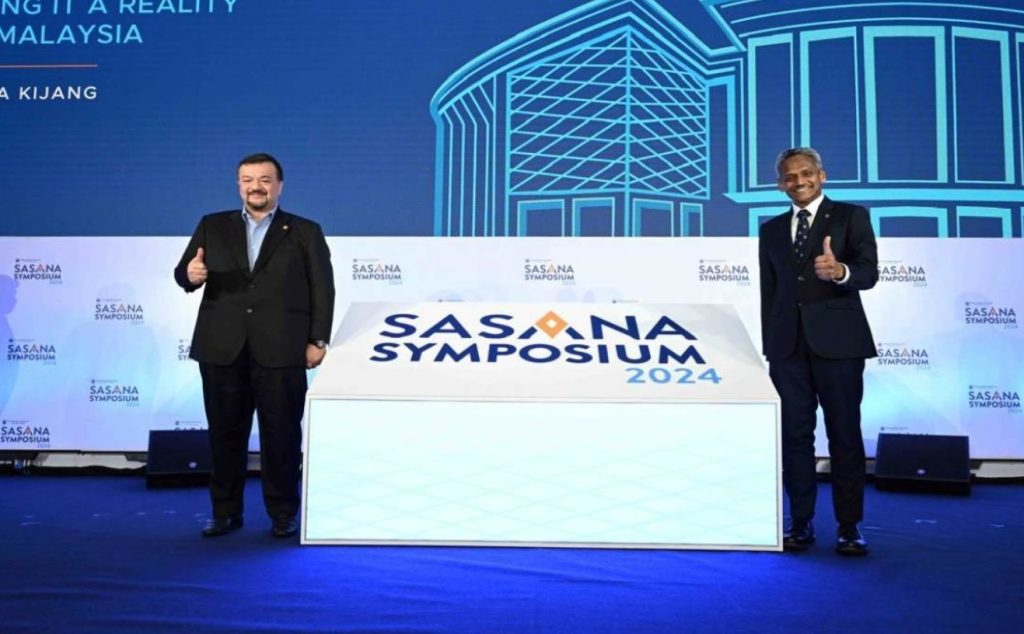
KUALA LUMPUR: The shift from blanket subsidies, including for diesel, towards support that is better targeted to those in need should be welcomed as a positive step towards more equitable, sustainable policies while building fiscal policy space, Bank Negara Malaysia (BNM) governor Datuk Abdul Rasheed Ghaffour said. He said the current period of relative macroeconomic stability provides the country with a window of opportunity to pursue meaningful reforms and build a brighter future. “We cannot assume that this window will not close upon us. We need to come together to make reforms a reality for Malaysia,” he said in his welcoming address at the Sasana Symposium 2024. “Our economic environment is constantly changing and as we spot risks and weaknesses, our policies must evolve to match. “Reforms, from fiscal responsibility to improved social safety nets and enhanced climate resilience, are crucial for Malaysia’s sustainable growth and to the welfare of the rakyat,” he said. Commenting on the Sasana Symposium, he said it is more than just keynotes and in-depth technical discussions. “The symposium is also about demonstrating how reforms and policy are more than just abstract concepts and ideas, about how reforms can make a positive impact in the lives of Malaysians,” Abdul Rasheed said. Giving an example, he said that iTEKAD, a social finance programme launched by BNM at the height of the pandemic, has been making inroads. “We’re happy to share that over 6,000 small and micro businesses have benefitted from iTEKAD, with them seeing almost a 90% increase in monthly sales and creating job opportunities in their communities,” he added. iTEKAD is an umbrella programme established by the central bank to assist low-income microentrepreneurs in strengthening their financial management and business acumen towards generating sustainable income. Each iTEKAD programme combines the provision of business assets funded by social finance instruments with microfinance, supplemented with structured financial and business training. — BERNAMA

News

Perodua Plans East Coast Spare Parts Hub

KUALA LUMPUR: Malaysia’s leading car manufacturer, Perusahaan Otomobil Kedua Sdn Bhd (Perodua), is planning to establish a regional hub for spare parts on the East Coast, leveraging the upcoming East Coast Rail Link (ECRL). Perodua’s President and CEO, Datuk Seri Zainal Abidin Ahmad, indicated that Kuantan, Pahang, is a strong candidate for the hub’s location, though other sites in the East Coast are also being considered. “This initiative will benefit our East Coast customers by providing a comprehensive vehicle hub, including spare parts and pre-owned vehicles,” Zainal said during the panel session titled “East Coast Rail Link (ECRL): ECRL@Selangor – Economic Benefits & Opportunities” at the National Investment Seminar yesterday. He emphasized that the project could significantly stimulate economic development in the area through partnerships with Malaysia Rail Link Sdn Bhd (MRL) and local entities in Pahang. Earlier this week, Perodua signed a memorandum of understanding with MRL, the 665-km ECRL project owner, to utilize the rail network for transporting cars from its Serendah, Selangor plant to the East Coast, as well as to Sabah and Sarawak. The ECRL will feature 20 passenger stations and 10 freight stations. MRL’s head of strategy, Mohd Zaidi Sharif, highlighted the Puncak Alam ECRL station in Selangor as a potential site for a steel products distribution hub and the manufacturing of finished steel products. “We will bring all the raw steel products from Kemaman and Kuantan to the Puncak Alam ECRL station for distribution to the Klang Valley area,” Mohd Zaidi said. Zainal noted that the proposed steel hub at Puncak Alam could attract investments in auto-related steel-based activities such as tools, molds, and dies, which are crucial for stamping and injection molding processes in the local automotive industry. “For the automotive industry, we have brought in vendors from Japan, China, and South Korea to invest in Malaysia and set up joint ventures with our local vendors. However, we have not been able to attract investments to produce automotive-grade steel. Japanese vendors have indicated that while incentives from the Malaysian Investment Development Authority are important, a comprehensive logistics supply chain is crucial. This presents an opportunity to promote the automotive industry and attract investors to Puncak Alam for steel-related investments, particularly in tools, molds, and dies for our stamping and injection molding processes,” he explained. Zainal also highlighted the cost savings expected from transporting cars, parts, and components via the railway instead of by road. Currently, Perodua ships its cars from Port Klang to customers in Sabah and Sarawak via the Straits of Malacca. The ECRL is expected to enhance regional integration between the East Coast, Sabah, Sarawak, and the West Coast. “We used to transport our completely built-up (CBU) vehicles using trucks and lorries, which posed challenges in efficiency and safety. Efficient transportation infrastructure is key to attracting investors. Currently, we do not have vendors in Sabah and Sarawak due to logistical difficulties, with most vendors situated in Shah Alam and Penang. With the ECRL, more suppliers will be able to invest in Pahang and Terengganu,” he said. Domestically, Perodua holds a 40% market share and aims to increase this to 45% this year. The company also plans to grow its exports over the next few years. “We want to increase our exports but still have about 120,000 outstanding bookings to fulfill domestically. We must deliver these bookings first before we can export. Based on our plan, exports should constitute about 10% of our total production. Currently, our production supports 350,000 units, so we aim for 35,000 units for export. We used to export to Sri Lanka, but the country is not accepting any CBU imports due to economic circumstances. We have shipped cars to African countries and are looking at markets like Mozambique. Additionally, we export used cars to Fiji and other countries,” Zainal said. The ECRL railway line from Kota Baru to the Gombak Integrated Terminal is projected to be completed by December 2026 and operational by January 2027. The extension from Gombak to Port Klang is expected to be finished by December 2027, with full operations beginning in January 2028. Mohd Zaidi stated that the project is progressing according to plan and is targeted to be completed slightly ahead of schedule. “Those familiar with the construction industry understand that a project of this scale and size, a 665-km linear project involving more than 1,400 construction sites, is a mega challenge to keep on track,” he said.

Investment & Market Trends, News

Malaysian Corporates Hold US$190 Bil in Foreign Liquid Assets Abroad

KUALA LUMPUR: The Malaysian corporate sector holds US$190 billion in foreign currency liquid assets located abroad, which is indicative of the country’s robust international investment position, said Bank Negara Malaysia (BNM) Deputy Governor Datuk Marzunisham Omar. He said the corporate sector is compromised of financial institutions, government-linked investment companies and government-linked companies that have investments abroad and generate income from their foreign investments. “We are not asking them to liquidate their assets, but BNM is encouraging them to bring back the realised profits and covert them into ringgit,” he said. According to Marzunisham, Malaysia has maintained a current account surplus for the past five years, which includes the holding of foreign assets by corporate and financial institutions. “They can use this (foreign holding) to meet their financial obligations and this will significantly reduce the need to come to the central bank for foreign currency,” he added. The session was timely with Malaysia’s international reserves adequacy, which has gained increasing attention in the media and among analysts in recent periods, particularly against the backdrop of the strengthening US dollar. Focusing on the international reserves of BNM, the deputy governor said that the country’s reserves remained resilient due to the level of external debt to the gross domestic product being manageable. “One-third of the external debt is in the form of ringgit and we are not exposed to foreign currency fluctuation, with less than 3% of government debt in foreign currencies and almost 96% of government debt is in ringgit,” Marzunisham noted. Meanwhile, ASEAN+3 Macroeconomic Research Office (AMRO) Group Head and Principal Economist Dr Ruchana Ponsaparn said ASEAN economies are well prepared financially, particularly in terms of international reserves. “We have a low public debt and at the same time, our banking system has already built a significant buffer in terms of capital and liquidity,” she said. — BERNAMA

Scroll to Top

Subscribe
FREE Newsletter