News

News

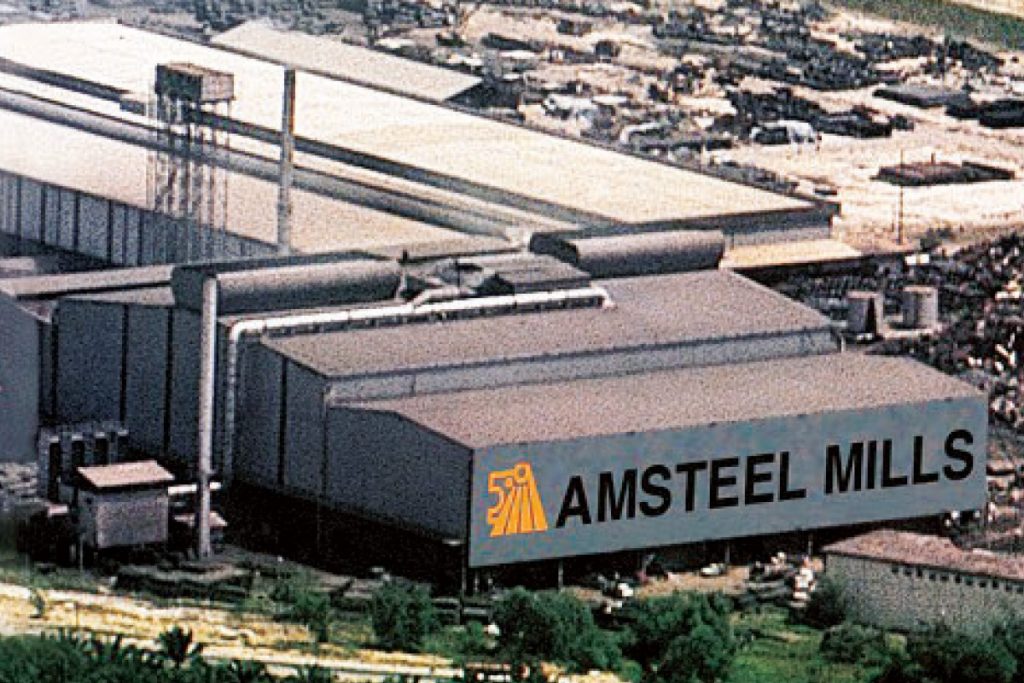
Lion Industries May Shut Down Amsteel’s Two Steel Mills

KUALA LUMPUR, Lion Industries Corp Bhd is reportedly considering shutting down its two long steel mills in Banting and Bukit Raja, Klang, operated under its wholly owned unit Amsteel Mills Sdn Bhd, according to industry sources familiar with the matter. While details remain limited, sources indicate the potential closures could happen as early as the end of this year. The Banting and Klang facilities — which produce steel bars, speciality bars and wire rods for the construction and manufacturing sectors — are key revenue contributors for Lion Industries. Apart from steel manufacturing, the group is also involved in property development and, through its 74%-owned subsidiary Lion Posim Bhd (KL:LIONPSIM), distributes building materials, sanitary ware, tap fittings, tiles, ironmongery, and lubricants. In response to queries from The Edge, a company spokesperson said: “Amsteel is in operation, though the steel industry, domestically and globally, continues to face challenging times. The company remains focused on improving operational efficiency, enforcing strict cost controls, diversifying its product range, and pursuing sustainable growth.” Financial filings show that Amsteel has recorded losses in four of the past five financial years. In FY2024, it posted a net loss of RM100.82 million on RM1.12 billion in revenue. The only profitable year during that period was FY2021, when it booked an after-tax profit of RM887.37 million on RM2.13 billion in revenue — a figure likely supported by a RM440.5 million gain from a subsidiary disposal and a RM193.1 million gain from a secured debt settlement. As of end-December 2024, Amsteel’s total assets stood at RM1.2 billion, with total liabilities of RM1.07 billion. Of this, nearly RM700 million were current liabilities due within 12 months. The company’s share premium and reserves were negative RM550.92 million. Lion Industries itself has also been struggling. For the six months ended June 2025, it reported a net loss of RM83.4 million on RM657.28 million in revenue, compared with a net loss of RM71.51 million on RM838.51 million a year earlier. As at end-June 2025, the group had RM102.9 million in cash, short-term loans of RM112.1 million, and long-term borrowings of RM22.42 million, with accumulated losses of RM360.17 million. In its latest financial statement, the company noted that the operating environment for Malaysia’s steel industry remains challenging, citing persistent overcapacity, stiff competition, and rising operational costs that continue to pressure margins. It added that it would focus on efficiency improvements and cost containment to mitigate the situation. In recent years, both Lion Industries and Amsteel have been divesting assets. They are currently in the process of selling two parcels of freehold land measuring 19.78 acres and seven acres to Unichamp Mineral Sdn Bhd for RM67.96 million and RM24.07 million, respectively — a related-party transaction. Lion Industries is 34.59%-owned by Tan Sri William Cheng Heng Jem, who also controls Parkson Holdings Bhd and other ventures in the steel and retail sectors. Shares of Lion Industries ended last Friday unchanged at 19.5 sen, valuing the company at RM132.8 million. Industry observers say intense competition from Alliance Steel (M) Sdn Bhd, a subsidiary of China’s Guangxi Kunyi Investment Co Ltd, has weighed heavily on local steelmakers. Alliance Steel operates a US$1.4 billion plant spanning 710 acres in the Malaysia-China Kuantan Industrial Park. In late 2023, four major long steel producers — Ann Joo Resources Bhd, Malaysia Steel Works (KL) Bhd, Southern Steel Bhd (KL:SSTEEL) and Lion Industries — appealed for government assistance, alleging that Alliance Steel had breached its manufacturing licence terms and was dumping certain steel products into the Malaysian market. Alliance Steel’s manufacturing licence requires it to export at least 50% of its production, except for products not produced locally, such as H-beams.
News

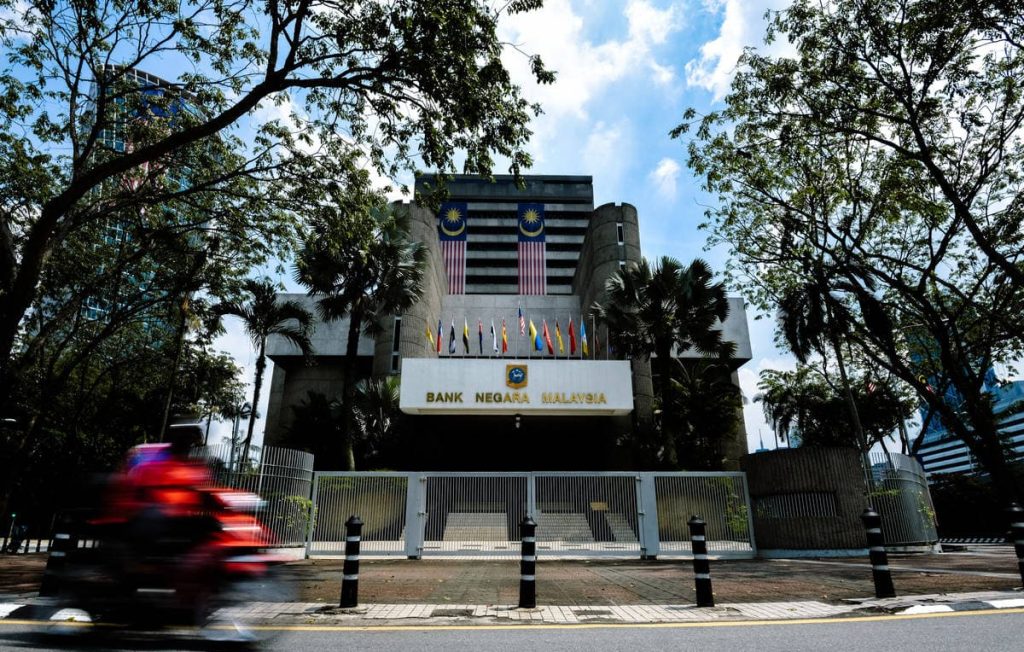
BNM To Make MYOR-i The Mandatory Islamic Reference Rate Starting July 2027

KUALA LUMPUR, Bank Negara Malaysia (BNM) will make the Malaysian Islamic Overnight Rate (MYOR-i) the mandatory benchmark for all Islamic financial products starting July 1, 2027 — a move the central bank calls a major structural shift in the Islamic finance industry. Governor Datuk Seri Abdul Rasheed Ghaffour said MYOR-i, the world’s first transaction-based Islamic benchmark rate, will enhance transparency, consistency and shariah compliance across the sector. “This is not just a technical adjustment; it is a structural transformation,” he said in his opening remarks at the Global Islamic Finance Forum 2025, officiated by Prime Minister Datuk Seri Anwar Ibrahim on Monday. The adoption of MYOR-i is part of five key initiatives Malaysia is implementing to strengthen its Islamic financial ecosystem — focusing on risk-sharing structures, inclusive development, global connectivity and talent building. Abdul Rasheed said the first initiative involves promoting risk-sharing contracts such as musharakah and mudarabah through programmes like i-Cita, which was launched last month with RM100 million in government support to encourage shariah-compliant financing innovation. He added that BNM is also reviewing policies related to shariah contracts and investment accounts to foster a more enabling environment for Islamic investment intermediation. The second initiative aims to align Islamic social finance with mainstream systems, citing the iTekad programme as a model that combines financial inclusion with social impact. The programme’s latest expansion, supported by a RM5 million government matching grant for takaful contributions, will further enhance financial protection for participants. Malaysia also aims to position Islamic finance as a key driver in the halal economy and sustainable finance — two trillion-dollar growth sectors. Through the Malaysia International Islamic Financial Centre (MIFC) Leadership Council, the country has established a global connectivity framework, now advancing with the creation of the MIFC Business Network (MBN). Abdul Rasheed said nine industry leaders across banking, takaful, capital markets and related services have already committed as founding members of the MBN, with more to join soon. The final pillar focuses on talent development and innovation. He noted that institutions such as INCEIF University and the Islamic Banking and Finance Institute Malaysia (IBFIM) are evolving their roles to nurture the next generation of Islamic finance professionals across ASEAN. “The message is clear — for Islamic finance to lead, we must invest in people who can imagine, design and deliver its future,” he said. The governor also highlighted that the global Islamic finance market is expected to exceed US$9.7 trillion (RM41 trillion) by 2029, adding that its growth must be driven not only by size but by leadership, innovation and purpose.

News

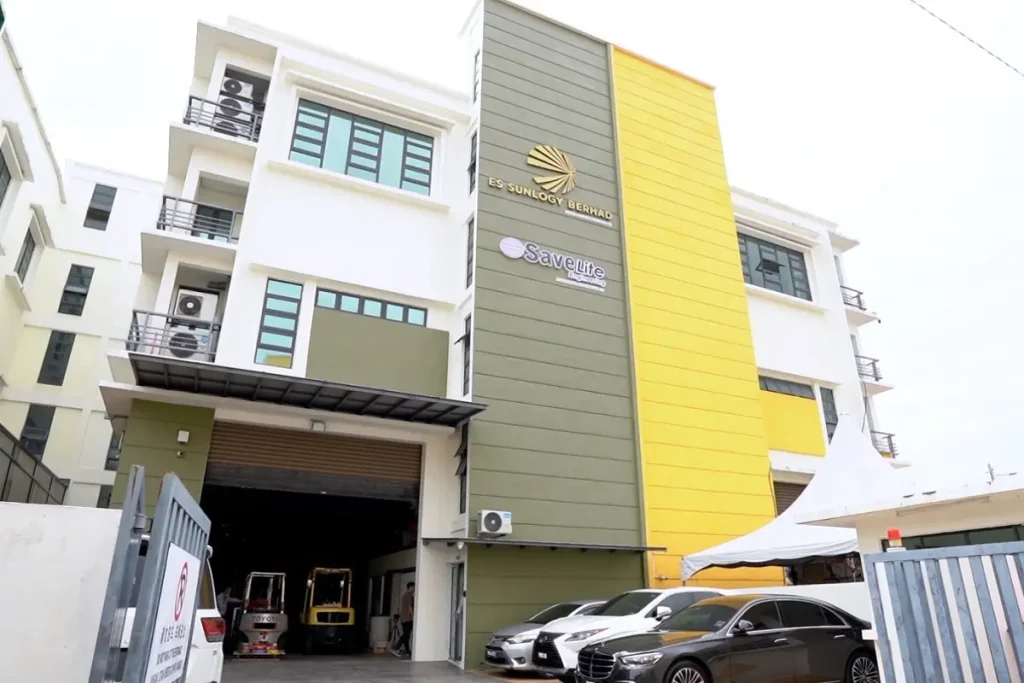
ES Sunlogy Unit Settles RM1.12m Dispute Through Eight-Month Payment Plan

KUALA LUMPUR, ES Sunlogy Bhd said its wholly-owned unit, Savelite Engineering Sdn Bhd, has reached a settlement agreement to resolve a RM1.12 million judgment sum owed to Askey Media Technology Sdn Bhd through an eight-month instalment plan. The payment stems from a legal dispute after Savelite completed renovation and electrical works for a two-storey office and warehouse more than a year behind schedule, causing Askey to suffer rental losses. The High Court had earlier ordered Savelite to pay RM768,900 in liquidated damages, plus interest and legal costs. The Court of Appeal later upheld this decision, rejecting Savelite’s appeal in July 2025. Following negotiations, both parties agreed to a full and final settlement, with Savelite paying RM10,000 in legal costs upfront and the remaining amount via eight post-dated cheques from October 2025 to May 2026. Under the terms, Askey will not initiate enforcement or winding-up proceedings as long as Savelite complies with the payment schedule. ES Sunlogy said it will continue to monitor the matter and update shareholders on any material developments. At Monday’s close, ES Sunlogy’s shares fell 1.5 sen or 3.9% to 37 sen, valuing the group at RM259 million. The stock has gained 23% since its February debut at 30 sen.

News

UOA Development Faces RM166 Mil Additional Tax Bill

KUALA LUMPUR, UOA Development Bhd said its subsidiary, Distinctive Acres Sdn Bhd, has received an additional tax assessment with penalties totalling RM165.66 million over the 2020 disposal of UOA Corporate Tower in Bangsar South to UOA Real Estate Investment Trust. According to UOA Development’s filing to Bursa Malaysia, the Inland Revenue Board (IRB) ruled that the gain from the sale is subject to corporate income tax rather than real property gains tax (RPGT). The company, however, said it disagrees with the assessment and, based on advice from its tax consultant, believes it has a strong case to challenge the IRB’s decision. It plans to file an appeal within 30 days, noting that there will be no immediate financial impact pending the outcome. Earlier this month, UOA Development announced plans to sell three properties in UOA Business Park near Subang Jaya to UOA REIT for RM200 million, a deal expected to be completed by fourth quarter 2025 and generate a net gain of RM35.8 million. Shares of UOA Development closed unchanged at RM1.84, valuing the group at RM4.89 billion, while UOA REIT also ended flat at 84.5 sen, with a market value of RM570.9 million.

News

Tax Break For Vehicles Under RM300,000 In Langkawi, Labuan To Prevent Misuse

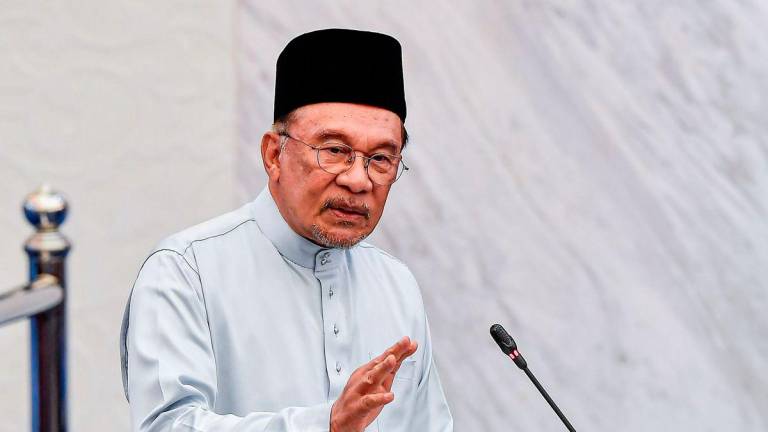
ALOR SETAR, The government’s proposal to cap vehicle tax exemptions in Langkawi and Labuan to vehicles priced at RM300,000 and below starting Jan 1, 2026, has been welcomed by locals and consumer groups as a timely step to curb tax leakages. Residents said the move would help prevent abuse of the existing policy, where some individuals had exploited loopholes to avoid paying taxes on luxury vehicles. Kedah Consumers Association president Mohd Yusrizal Yusoff said the proposal to limit vehicle tax exemption in Langkawi and Labuan to vehicles priced at RM300,000 and below could help reduce leakages in luxury vehicle taxes, thereby generating additional revenue for the government. “It’s a fair decision that ensures only eligible buyers benefit from the exemption. Those who can afford luxury cars should pay their taxes, as the revenue is needed for the people’s benefit,” said Nur Amalina Azman, 35, from Kampung Ulu Melaka, Langkawi. Kedah Consumers Association (Cake) president Mohd Yusrizal Yusoff said the measure would help plug leakages in luxury vehicle taxes and boost government revenue. “This policy is timely, as some had been exploiting the current exemption to avoid paying duties on luxury cars. It will also benefit tourism operators in Langkawi who rely on affordable vehicles for rental services,” he said. Car rental operator Azmi Ashaari, 51, said the policy would not affect most local businesses since their vehicles are already priced below RM300,000. Prime Minister Datuk Seri Anwar Ibrahim, when tabling Budget 2026 last Friday, said the exemption limit aims to prevent misuse of tax privileges in Langkawi and Labuan. Anwar, who is also the finance minister, said the revised policy is part of efforts under the Belanjawan Madani Keempat: Belanjawan Rakyat (Fourth Madani Budget: A Budget for the People) to promote fair and responsible tax practices.

News

Govt Allocates RM6.87b To Boost Food Supply, Farm Productivity

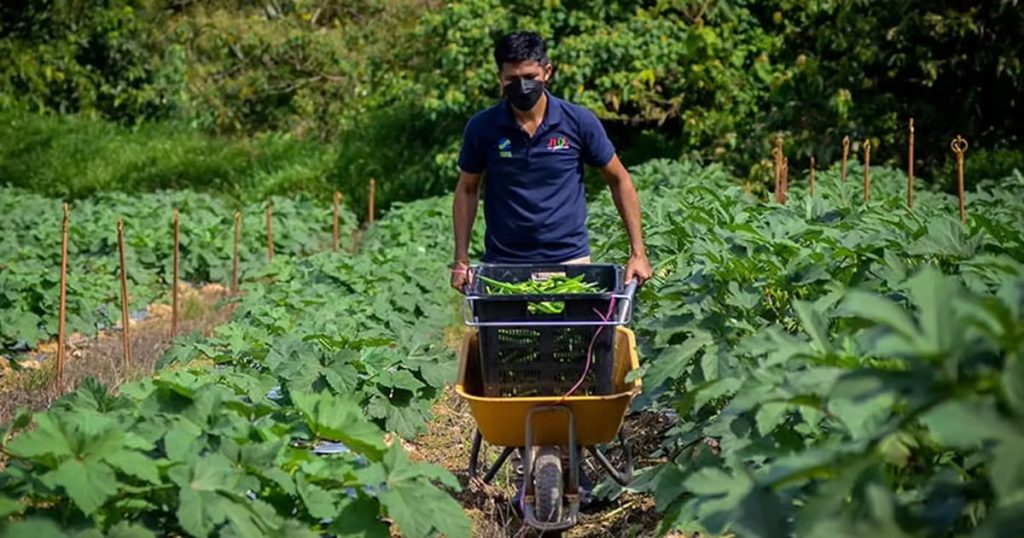
PUTRAJAYA, The government’s RM6.87 billion allocation for the Ministry of Agriculture and Food Security (KPKM) under Budget 2026 underscores its commitment to strengthening national food security and boosting productivity in the agro-food sector, said Minister Datuk Seri Mohamad Sabu. He said the 7% increase from RM6.42 billion last year aligns with the National Agro-Food Policy 2021–2030 (DAN 2.0), which focuses on modernising agriculture, enhancing infrastructure, and improving farmers’ welfare. “The ministry will continue driving agro-food sector growth in line with DAN 2.0’s objectives — ensuring food sustainability, strengthening agricultural infrastructure, and protecting target groups,” Mohamad said in a statement. Among key initiatives in Budget 2026: RM300 million for agricultural projects with state governments to optimise land use, RM55 million to support local fruit entrepreneurs through crop and infrastructure incentives, and RM2.62 billion in subsidies and incentives for farmers, including paddy price, fertilizer, and seed support. Rice farmers are expected to receive RM4,300 per hectare per season in 2026, up from RM3,790 previously. For the fisheries sector, RM160 million is allocated for catch incentives, with fishermen continuing to receive a living allowance of up to RM300 monthly. Diesel subsidies remain at RM1.65 per litre, while RM10 million is set aside to build or upgrade 380 fishermen’s homes. Additionally, RM20 million will be used to modernise vessels and reduce reliance on foreign captains and crews. Mohamad said KPKM is committed to implementing these initiatives efficiently and with good governance to ensure that all intended beneficiaries receive support.

News

Budget 2026: Angkasa Welcomes RM50mil Allocation To Boost Cooperative Sector

KUALA LUMPUR, Angkatan Koperasi Kebangsaan Malaysia Berhad (Angkasa) has lauded the government’s RM50 million allocation to the Cooperative Commission of Malaysia (SKM) under Budget 2026, describing it as a strong reflection of the government’s recognition of cooperatives as a key pillar of Malaysia’s economic framework. In a statement on Saturday, Angkasa said the initiatives outlined in the budget — particularly those aimed at targeted aid, strengthening SMEs, and promoting community-based economic development — would help cooperatives expand their capacity and strengthen their role as contributors to national growth. “Angkasa also supports the Budget’s focus on strategic sectors such as agriculture, green technology, and the digital economy, which provide new opportunities for cooperatives to venture into high-value industries,” the statement read. The organisation added that increased access to development funds and training programmes would improve cooperatives’ operational efficiency and enhance economic benefits for their members. Representing over 16,284 active cooperatives with more than 7.2 million members and a combined annual turnover exceeding RM68.2 billion, Angkasa also welcomed the expansion of the Rahmah Basic Aid (SARA) programme. The initiative, it said, would not only ease the burden on consumers purchasing essential goods but also benefit cooperative outlets and local retailers. “With more cooperatives being appointed as authorised distributors for SARA goods nationwide, the programme will strengthen local economies, encourage the consumption of locally produced goods, and create new business opportunities, especially in rural areas,” Angkasa noted. Angkasa reaffirmed its commitment to working closely with the government to ensure cooperatives play a proactive role in supporting the food supply chain and retail sectors under the initiative. Its president, Datuk Seri Dr Abdul Fattah Abdullah, expressed gratitude for the government’s continued focus on the cooperative movement, saying Budget 2026 demonstrates the administration’s commitment to empowering the people through sustainable economic models. “Angkasa is thankful for the government’s trust in the cooperative sector as an engine of inclusive economic growth. Budget 2026 opens new avenues for cooperatives to expand their presence in high-value industries,” he said. “With the right support and policy framework, cooperatives can serve as strategic partners in achieving the Malaysia Madani vision and contribute to a more equitable and resilient economy,” he added. Prime Minister Datuk Seri Anwar Ibrahim on Friday unveiled the RM470 billion Budget 2026 — themed Belanjawan Madani Keempat: Belanjawan Rakyat (Fourth Madani Budget: A Budget for the People) — focusing on strengthening economic resilience and supporting small businesses amid global challenges. The budget aims to optimise public resources by mobilising funds from GLICs, statutory bodies, and MOF Inc-linked entities, compared to RM452 billion allocated last year.

News

MUI Secures US$20 Million Loan To Cover Financing And Operating Costs

KUALA LUMPUR, Malayan United Industries Bhd, or MUI, has obtained a US$20 million (RM84.3 million) term loan from Singapore-based direct lending fund Indies Special Opportunities LV Ltd to support its financing needs. According to MUI’s filing, the loan will be used to partially fund capital expenditure for its wholly owned subsidiary Plaza on Hyde Park Ltd, as well as to cover general working capital requirements and refinance certain existing Malaysian bank facilities. The group said the new facility will help optimise capital allocation and ensure continued progress in the renovation and refurbishment of the Corus Hyde Park Hotel. It will also strengthen liquidity, providing greater financial flexibility and operational efficiency. Following the new borrowing, MUI expects additional finance costs of about US$2.6 million (RM11.1 million) for the financial year ending June 30, 2026 (FY2026), which would result in an extra loss per share of 0.34 sen. The group’s gearing ratio is projected to rise to 0.97 times in FY2026 from 0.87 times previously, while net assets per share are expected to remain unchanged at 25 sen. As of end-June 2025, MUI’s cash and cash equivalents stood at RM143.03 million, with total borrowings of RM905.72 million and lease liabilities of RM98.52 million. Indies Special Opportunities IV, managed by Indies Capital Partners Pte Ltd, focuses on private credit and private equity investments across Asia, serving clients including sovereign wealth funds, regional financial institutions, family offices, and high-net-worth investors. MUI’s shares closed half a sen lower at six sen, valuing the company at RM194 million.

News

UOB Malaysia CEO Ng Wei Wei Named In Fortune’s 2025 Most Powerful Women List

KUALA LUMPUR, United Overseas Bank (Malaysia) Bhd (UOB Malaysia) chief executive officer Ng Wei Wei has been recognised as one of the most influential women in Asia, earning a spot on Fortune’s Most Powerful Women in Asia 2025 list. Ng ranked 95th among 100 leaders across the region who are driving transformation and shaping the future of their industries. According to Fortune, the women featured were selected based on their measurable impact, strategic influence, and ability to lead change. The 2025 list highlights founders, CEOs, and senior executives whose reach extends across borders and sectors. Over a third of those named are leaders from Global 500, China 500, and Southeast Asia 500 companies, spanning 14 markets including Southeast Asia, Greater China, India, Japan, South Korea, and Australia. Ng is one of four Malaysian women on the list, alongside Capital A Bhd group CEO Teh Mun Hui, Affin Bank Bhd group chief financial officer Joanne Rodrigues, and PwC Malaysia executive chair Nurul A’in Abdul Latif. Appointed as UOB Malaysia’s first female CEO in 2022, Ng rejoined the bank in 2019 after over a decade with HSBC. Under her leadership, UOB Malaysia recorded a 15.9% year-on-year growth in pretax profit for 2024, with the bank now focusing on the Johor economic zone along the Malaysia-Singapore border. Fortune said the selection process combined editorial judgment with data analysis, drawing from company filings, public disclosures, independent reporting, and both internal and external nominations. The evaluation considered company performance, leadership influence, innovation, and social impact — with rankings reflecting both current achievements and future potential.

News

Greenyield Shareholders Call Fresh EGM To Oust Chairman After Trio Of Resignations

KUALA LUMPUR, A group of Greenyield Bhd shareholders, led by Tham Chong Sing, has issued a fresh notice to convene an extraordinary general meeting (EGM) seeking the removal of the company’s non-executive chairman, Tham Foo Keong — his brother — amid a continuing family dispute for control of the group. The move comes after three independent directors — Saryani Che Ab Rahman, Supramaniam R Ramasamy, and Mohd Ghozali Yahaya — resigned on Oct 1, just days after the board rejected the shareholders’ earlier EGM request. The trio cited personal reasons for their departure. The shareholder group — comprising Chong Sing, Chew Kee Foo, Foong Sai Cheong, and DKIC Capital — collectively controls more than 10% of Greenyield’s shares. They are now renewing efforts to restructure the board, maintaining their earlier proposal to appoint the same slate of new directors. Notably, two current directors — Foo Choon and his son Kin Shun, who align with Chong Sing’s faction — are not being targeted for removal. The proposed new directors include: Voon Sze Lin Tham Kin Yiq Tham Kin Wai Chong Sin Hao Proposed independent directors: Syakur Mohd Suhaimi Kamarudin Md Derom Lee Kim Hong Founded in 1937 by the Tham family, Greenyield manufactures and markets agro-tech products. Foo Keong remains the largest shareholder with a 17.31% stake, followed by Chong Sing with 13.06%, Foo Choon with 12.99%, and Fau Sin with 10.89%. At Thursday’s close, Greenyield’s shares were unchanged at 19 sen, giving the company a market capitalisation of RM105.3 million. The stock has declined 19.15% year to date.

Scroll to Top

Subscribe
FREE Newsletter