News

News

BOLT Malaysia Bets On Localisation: Inside Its Fast Start, Product Tweaks, And Next Moves

When BOLT Malaysia switched on its app in November 2024, the launch capped months of groundwork: market studies, regulator briefings and dozens of on-the-ground conversations with drivers and riders. The result, says the team, was an unusually smooth entry—and a clear thesis: in a crowded e-hailing market, you win by solving local frictions quickly and transparently. Why Malaysia—and why now BOLT already operates across Europe, Africa and parts of Asia. For Malaysia, the company built a full business case—sizing demand, mapping risks, and meeting the Ministry of Transport and related agencies. Officials were welcoming and supportive of healthy competition, and once licensing was in place BOLT set up in the Klang Valley with the aim of giving passengers more choice and drivers a more predictable earnings model. The localisation playbook BOLT’s early moves were guided by what local drivers and riders said most often. Instead of auto-assigning trips, the app allows drivers to accept or decline each request; the company argues that when a driver opts in, that driver is more likely to arrive promptly rather than ask a rider to cancel. On earnings, BOLT launched with a 15% flat commission—below the 20% legal ceiling—eschewing dynamic service fees so drivers can estimate take-home pay without surprises. To remove a frequent source of friction, toll charges are calculated and included in the fare automatically, which avoids end-of-trip disputes and lets drivers focus on the road. The app also adds small quality-of-life touches such as a preferred-destination setting that nudges end-of-day trips toward a driver’s home and clearer earnings views that show both per-trip and per-hour performance. Together, these changes aim to lift both sides of the marketplace: steadier income and fewer cancellations for drivers, tighter pick-up times and fewer annoyances for riders. Safety as a system, not a button Safety begins at onboarding. Drivers must meet Malaysia’s baseline rules—citizenship, vehicle age limits, PSV licence and an e-hailing vehicle permit—and pass background checks. In ride, BOLT layers active and passive protections. Drivers can switch on audio trip recording if a situation feels uncomfortable, share live trip details, or access emergency services and outbound support with a tap. In the background, the app periodically asks for selfie verification to prevent account misuse, while a trip-anomaly engine flags routes that stall or deviate for too long and triggers proactive support outreach. For people who make their living on the road, the combination is designed to provide genuine peace of mind. Corporate travel: Bolt Business lands in Malaysia Within months of launch, BOLT introduced Bolt Business, a corporate travel layer that sits inside the consumer app. Companies can bulk-create accounts, assign monthly ride allowances—think prepaid limits per employee—and consolidate receipts without chasing paper. For riders, checkout simply includes a choice to pay personally or via the company profile; for finance teams, the attraction is budget control and clean reconciliation. The platform borrows from deployments in other regions but has been tuned for Malaysian workflows and price points. Growth, constraints and the “people problem” Internally, BOLT points to faster-than-budget traction across driver supply and completed trips. The bigger constraint was staffing: the local team had to scale quickly, prompting three office moves and, after feedback that many drivers prefer face-to-face help, the launch of a driver centre to complement in-app support. Walk-ins have nearly doubled month on month since opening, providing both a steady stream of new registrations and hands-on activation for existing drivers who need guidance. Pricing philosophy: stable beats spiky Surge sticker shock is the fastest way to push riders back to alternatives. BOLT says it is working to stabilise base pricing and reduce heavy surges, while stimulating demand with discounts funded on its side rather than shaving driver pay. On the supply side, it tweaks base fares and incentives and keeps its commission take lower so that daily and monthly earnings are more predictable. The company’s view is simple: a marketplace is healthy only when both sides feel the model is fair. Where next—and how they choose For now, operations remain focused on the Klang Valley, although pre-registrations and requests from other states are piling up. Expansion decisions hinge on the size of local demand, the available driver supply pool and the ability to maintain service quality—measured in pick-up times, cancellation rates and safety metrics—from day one. BOLT is not committing to dates; the near-term focus is to deepen product-market fit in its core market before widening the footprint. AI, autonomy and the road ahead In the short term, BOLT is applying AI to improve routing, matching and support triage—quiet optimisations that shave minutes off pick-ups and clear tickets faster. Looking further out, the company sees a role in autonomous ecosystems not as a vehicle maker but as the marketplace layer that matches fleets to demand. That future depends on regulation and infrastructure, and BOLT says discussions with ministries are ongoing. What to watch BOLT hints at two driver-requested features slated for release in the next one to two months, alongside continued work on earnings mechanics and safety tooling. If the company sustains its localisation cadence—small but meaningful fixes shipped fast—it will keep pressure on incumbents to improve and give riders and drivers a credible second option.
News

EHH Food Industry Unveils New Product, Subsidiary, And Refreshed Cap Kunci Logo

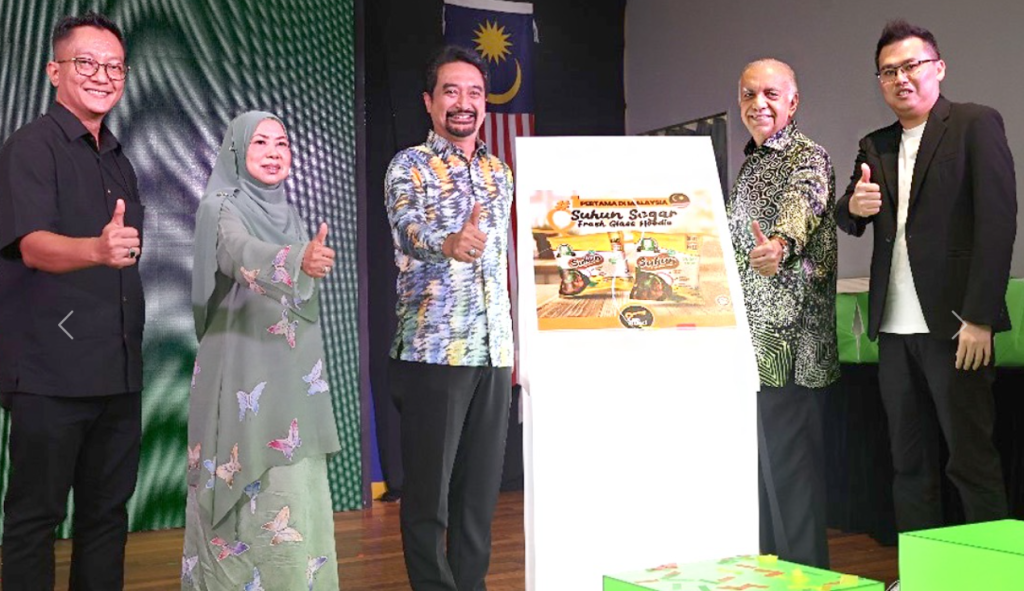
KUALA LUMPUR, EHH Food Industry Sdn Bhd has marked a new milestone in Malaysia’s food sector with the unveiling of its new corporate logo and a refreshed logo for its well-known brand, Cap Kunci. The initiative is part of the company’s strategy to strengthen its presence in both local and international markets. Held at Mydin Subang Jaya USJ from Sept 29 to Oct 5, the event — themed “Cap Kunci Bersama Keluarga MADANI @ Mydin USJ” — also featured the introduction of EHH’s latest product, Suhun Segar (Fresh Glass Noodles). According to EHH Food Industry, the campaign “Bringing Malaysians Together Through Food” celebrates the nation’s spirit of unity and the shared bond created through meals enjoyed together. “Food is more than just nourishment — it represents togetherness and unity that transcend backgrounds, cultures, and generations,” the company said in a statement. Corporate communications executive Nismawaty Nurdin said the launch highlights EHH’s dedication to producing halal, healthy, safe, and affordable food accessible to all Malaysians.“In line with our tagline, ‘Sentiasa Segar, Sentiasa Sedap’ (Always Fresh, Always Delicious), this reflects our belief that food connects communities and strengthens social harmony,” she added. As part of its corporate social responsibility (CSR) initiative, EHH Food Industry also launched the ‘Kotak SARA Rahmah’ programme — a collaboration with halal wholesaler and retailer Mydin Mohamed Holdings Bhd. Through this effort, 20 asnaf families received boxes of groceries worth RM100 each, personally sponsored by EHH staff. “This initiative supports Mydin’s ongoing efforts to assist underprivileged communities in line with the government’s aid programmes,” said Nismawaty. Officiating the event, Port Klang assemblyman Azmizam Zaman Huri commended EHH’s initiative for aligning with the state’s efforts to boost the halal economy and promote local brands.“Such events create opportunities for Malaysian SMEs to expand and collaborate with major platforms like Mydin. Cap Kunci continues to set a benchmark by maintaining high product standards and full compliance with the Food Act,” he said. He added that EHH’s new product demonstrates how local brands can rival international ones while promoting innovation within the food sector. The event also recognised 10 loyal SME partners for their continued support and featured a community cooking competition, which was won by Syarifah Norsyuhadah Syed Mohamed Rashid, 39, with her fried Vietnamese spring roll dish. EHH Food Industry will next showcase its Suhun Segar in 200g and 500g packs at the upcoming Selangor International Food & Beverage Expo (SIE) 2025 at the Kuala Lumpur Convention Centre (KLCC) on Oct 9, focusing on the business-to-business (B2B) segment.

News

Brewers Urge Freeze On Excise Duty To Safeguard RM7b GDP Contribution

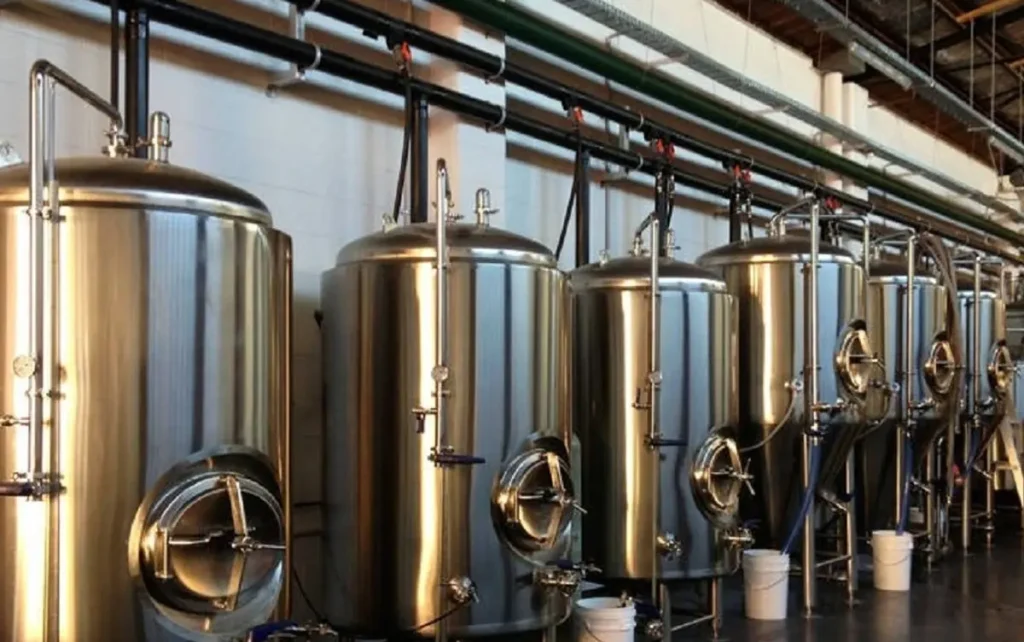
KUALA LUMPUR, Malaysia’s brewing industry has urged the government to keep excise duty rates on beer unchanged, warning that any increase could fuel illicit trade, cut into tax revenues, and threaten jobs across the sector. The Confederation of Malaysian Brewers Bhd (CMBB), representing Carlsberg Brewery Malaysia Bhd and Heineken Malaysia Bhd, released findings of an independent study showing the industry contributed an average of RM7.1 billion to the economy in 2022–2023, equal to 0.4% of Malaysia’s GDP. The brewing industry has called on the government to maintain the current excise duty rates on beer, saying the freeze can help curb illicit trade in beer, prevent revenue leakages as well as provide employment. The study, conducted by the Southeast Asia Public Policy Institute and the University of Nottingham Malaysia, also found that the sector generates RM3.3 billion in annual tax revenue — around 1.5% of the government’s total tax collection — while supporting more than 52,000 jobs across brewing, logistics, retail, and hospitality. CMBB noted that Malaysia already ranks among the countries with the highest beer tax rates globally. Raising duties further, it said, would widen the price gap between legal and illicit products, undermining both government revenue and industry stability. In a joint statement, Carlsberg Malaysia managing director Stefano Clini and Heineken Malaysia managing director Martijn van Keulen highlighted the sector’s role in driving employment and industrial growth. They also commended the Multi-Agency Task Force, led by the Finance Ministry together with Customs and the police, for ramping up enforcement against smuggling and illegal beer sales. “We look forward to further collaboration with the government to safeguard the brewers’ economic contribution, strengthen enforcement, and support Malaysia’s long-term policy goals,” they said. The brewers also reaffirmed their commitment to Malaysia’s broader development and sustainability priorities, including the 13th Malaysia Plan, the New Industrial Master Plan 2030, and the Circular Economy Blueprint, pledging to work with stakeholders to advance sustainable growth and industrial competitiveness.

News

Brazil, China Launch Joint Investment Fund

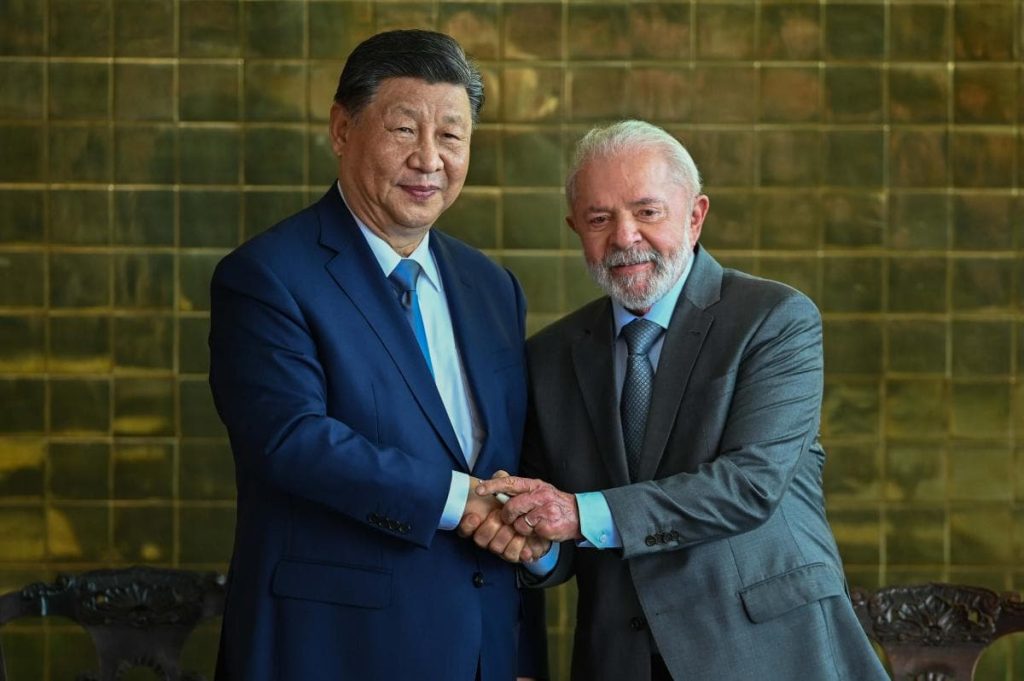
RIO DE JANEIRO, Brazil’s Development Bank (BNDES) and the Export-Import Bank of China (Cexim) have formalized an agreement to establish a landmark US$1 billion (RM4.21 billion) joint investment fund aimed at financing strategic sectors that support economic development and innovation. The fund, set to begin operations in 2026, will target investments across energy transition, infrastructure, mining, agriculture, and artificial intelligence (AI), reflecting both nations’ shared priorities in advancing sustainable growth and technological competitiveness. Chinese President Xi Jinping (left), with Brazilian President Luiz Inácio Lula da Silva (right). Under the arrangement, BNDES will contribute US$400 million, while Cexim will provide US$600 million. Together, the two institutions will deploy capital through a combination of debt securities and equity investments in Brazil, with a focus on projects that can accelerate industrial modernization, boost productivity, and support the low-carbon transition. BNDES and Cexim have already signed a commitment term and a declaration of intent to cooperate in structuring the fund. According to BNDES planning director Nelson Barbosa, the initiative represents the first bilateral investment fund jointly developed by a Brazilian and a Chinese financial institution, marking a significant milestone in the countries’ economic partnership. Notably, the fund will operate primarily in Brazilian reais, underlining its commitment to supporting domestic market financing while reducing reliance on external currency volatility. Speaking at the signing ceremony in Rio de Janeiro, Barbosa emphasized the broader importance of the initiative. “This new partnership between the two institutions will strengthen the commercial and economic relationship between Brazil and China. It will also create new channels of financing for projects that are crucial to Brazil’s long-term development and competitiveness, while deepening integration between our two economies,” he said. The announcement comes at a time when Brazil is actively seeking to diversify its sources of foreign investment and build stronger ties with strategic partners such as China, which remains its largest trading partner and a growing source of capital inflows. The collaboration also complements China’s broader engagement in Latin America, where it has steadily increased investments in energy, infrastructure, and technology projects over the past decade. Analysts say the fund could serve as a template for future bilateral investment platforms, especially those seeking to balance traditional sectors like mining and agriculture with forward-looking industries such as renewable energy and AI. For Brazil, the initiative offers a powerful financing mechanism to accelerate industrial transformation, while for China, it opens an avenue to strengthen its economic footprint in one of Latin America’s largest markets. The new fund is expected to announce its first wave of investments soon after its official launch in 2026, with further details on governance and project selection criteria to be revealed in the coming months.

News

MAS Names Abigail Ng As Chief Sustainability Officer

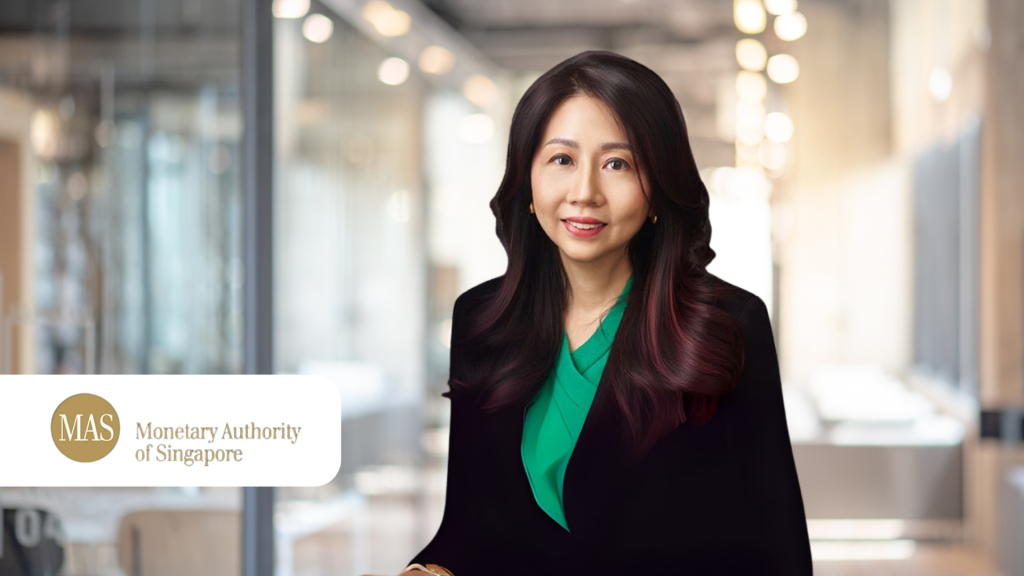
The Monetary Authority of Singapore (MAS) has named Abigail Ng as its new Chief Sustainability Officer (CSO), effective 6 October 2025, underscoring the city-state’s next phase in embedding climate and sustainability goals into financial regulation. Ng succeeds Gillian Tan, who had carried the dual portfolio of Assistant Managing Director (Development & International) and CSO since 2022. Monetary Authority of Singapore (MAS) has named Abigail Ng as its new Chief Sustainability Officer (CSO). This appointment marks a structural shift for MAS, which has chosen to carve out the CSO role as a dedicated leadership position, distinct from its broader developmental and international mandates. Officials said the move comes as Singapore transitions from designing sustainability frameworks to scaling and executing them across financial markets. Building Asia’s sustainable finance architecture Over the last three years, MAS’ Sustainability Group has spearheaded multiple high-impact initiatives. Under Tan’s leadership, MAS launched the Finance for Net Zero Action Plan to mobilise capital for Asia’s decarbonisation. Other landmark programs included: The Singapore-Asia Taxonomy, setting consistent standards for green finance. The Transition Credits Coalition (TRACTION), to support credible transition credits. The Financing Asia’s Transition Partnership (FAST-P), a blended finance platform to crowd in private capital. A Sustainable Finance Jobs Transformation Map, aligning workforce skills with the sector’s growing demand. Tan will continue with MAS as Group Head of the Development & International Group, focusing on global engagement and policy development. Ng’s regulatory focus Ng, currently Head of the Markets Policy & Consumer Department, has played a key role in shaping sustainability disclosure requirements and coordinating with global regulators on financial standards. Her promotion signals MAS’ intention to reinforce policy clarity, regulatory credibility, and international alignment in sustainable finance. In her new role, Ng is expected to prioritise: Strengthening disclosure frameworks and taxonomy-based standards. Guiding financial institutions in transition financing. Enhancing Singapore’s credibility as a hub for green and sustainable capital flows. Broader implications for global finance For international banks, investors, and corporates operating through Singapore, the change reflects three clear messages: Sustainability is now institutionalised at the highest level of MAS’ governance. The regulator is shifting from framework design to practical enforcement and execution. Singapore aims to maintain leadership in the global dialogue on transition finance, particularly in Asia’s distinct energy and industrial pathways. Market participants should expect closer scrutiny of ESG claims, stricter alignment with disclosure rules, and deeper integration of taxonomy-based financing into market practices. A structural pivot for Singapore MAS’ decision to establish a dedicated CSO role highlights Singapore’s long-term calculation: sustainable finance is no longer a temporary agenda but a core pillar of financial regulation and competitiveness. Ng’s leadership will be closely watched as Singapore continues to position itself as a bridge between Asia and global capital markets. Her role is expected to shape not only domestic frameworks but also influence regional and international standards, particularly in areas like blended finance, transition pathways, and credible ESG reporting. For investors and corporates, the message is clear: sustainability is now fully embedded in the DNA of Singapore’s financial system, setting a precedent for regulators across Asia.

News

Khazanah Eyes Partnerships In US And China, Says CIO

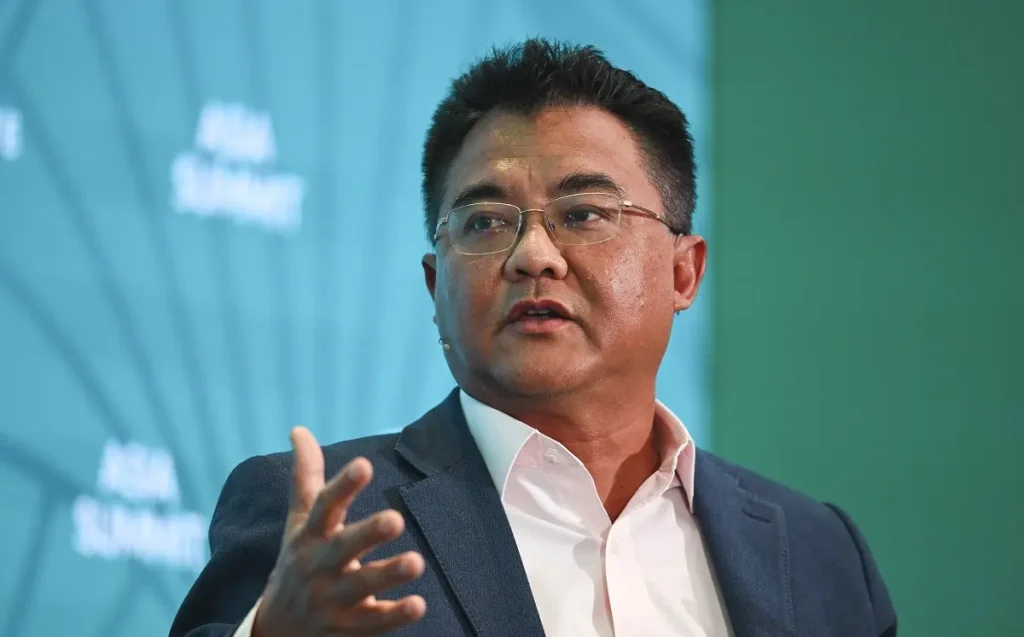
SINGAPORE, Malaysia’s sovereign wealth fund, Khazanah Nasional Bhd, is looking to strengthen its partnerships with both the United States and China, recognising their pivotal roles in shaping global capital flows, supply chains, and technological advancement, according to its Chief Investment Officer, Datuk Hisham Hamdan. Speaking on the sidelines of the Milken Institute Asia Summit 2025 in Singapore, Hisham said Khazanah’s mandate extends beyond investing in foreign companies. A key focus, he noted, is to identify businesses in the US and China that can collaborate with Malaysian entrepreneurs and contribute expertise in research and development (R&D). “You have to pay attention to these countries,” Hisham told Reuters in an interview, highlighting China’s R&D expenditure of 2.7% of GDP as a benchmark that underscores the importance of knowledge partnerships. Malaysia has in recent years attracted growing inflows of investment from both the US and China, particularly in data centre infrastructure, with major commitments from global technology giants including Microsoft, Alphabet, and Amazon, as well as Chinese leaders such as Tencent, Alibaba, and Huawei. The nation is also positioning itself as a regional hub for semiconductors, automotive manufacturing, and critical minerals such as rare earths. On macroeconomic conditions, Hisham said he was encouraged by the potential convergence of US interest rate cuts and China’s supply chain realignments. “That reminds me of the roaring 90s,” he said, recalling the period when Malaysia’s economy surged on the back of US monetary easing and Japan’s supply chain relocations to Southeast Asia. “We want to take advantage of this shift — China’s supply chain diversification into ASEAN and Malaysia,” he added. Khazanah currently holds investments across more than 8,000 companies worldwide. Hisham stressed that the fund’s strategy is not just about targeting individual firms, but rather ensuring the right balance between geographic exposure and sectoral positioning. Founded in 1994 and wholly owned by the Malaysian government, Khazanah has in recent years pivoted toward a more diversified and global portfolio, with rising allocations to technology, renewable energy, and private equity. When asked about Reuters’ exclusive report on Khazanah’s potential partnership with a Chinese state-owned enterprise to develop a rare earth refinery in Malaysia, Hisham declined to confirm the discussions, saying it was “way too early.” However, he acknowledged that rare earths remain one of the industries under review by the fund.

News

Eurospan MGO Completes Listing With Ng Holding 84% Stake

KUALA LUMPUR, The mandatory general offer (MGO) for Eurospan Holdings Bhd has officially closed, with the company’s new controlling shareholder, Samuel Ng Heng Hong, now holding a commanding 84.11% stake in the Malaysian furniture manufacturer. According to a statement by AmInvestment Bank Bhd, which acted on behalf of Ng’s private investment vehicle, EC Synergy (M) Sdn Bhd, the MGO concluded yesterday with valid acceptances totaling 4.43 million shares. This represents approximately 9.97% of Eurospan’s issued share capital. Prior to the MGO, Ng had already acquired a 74.14% block of shares from Eurospan’s chairman Tan Han Chuan and non-executive director Tan Ching Ching. With the additional shares obtained through the MGO, Ng now controls a total of 37.36 million shares. The initial acquisition of the Tan siblings’ majority stake was valued at RM75.75 million, or RM2.30 per share, and triggered the mandatory offer under Malaysian takeover rules. Independent adviser MainStreet Adviser had recommended that shareholders reject the MGO, citing the offer price. Although the RM2.30 per share price represented a 132% premium over Eurospan’s net asset value, it was still priced at discounts ranging from 4.1% to 21.4% compared with recent market trading levels. This MGO is Eurospan’s second in just over a year, following a previous takeover bid by the Tan siblings at RM1.70 per share in May 2024. In reaction to the news, Eurospan’s shares jumped 21.25% yesterday to close at RM2.91, giving the group a market capitalisation of RM129.3 million. The stock has seen substantial gains over the past year, rising more than 71%, while year-to-date, the share price has increased by over 27%. The latest developments cement Samuel Ng’s control over Eurospan, giving him the ability to influence strategic decisions and future growth plans for the company, while also highlighting the active movements in Malaysia’s small-cap furniture manufacturing sector.

News

Censof Secures RM3 Million Contract From LGM

PETALING JAYA, Censof Holdings Bhd has secured a contract valued at RM2.78 million from Lembaga Getah Malaysia (LGM) for the subscription of its financial management and accounting software system, reinforcing the group’s presence in the government technology sector. In a filing with Bursa Malaysia, Censof said the contract was awarded through its subsidiary, Century Software (M) Sdn Bhd, and is set to run for five years and six months, starting from Oct 1, 2025, until March 31, 2031. Century Software chief executive officer Mohd Faiz Alias highlighted that the contract underscores the continued demand for digital solutions in the public sector. “This win reflects our proven ability to deliver mission-critical platforms that enhance accountability, transparency, and operational efficiency for government agencies,” he said. The contract will involve the full implementation and ongoing support of the software system, allowing LGM to streamline its financial management processes, improve reporting accuracy, and strengthen internal controls. Mohd Faiz added that Censof’s expertise in designing and deploying robust financial systems positions the company well for future government projects. “Securing this contract demonstrates the trust and confidence that public sector entities have in our capabilities. We remain committed to supporting LGM and other clients in their digital transformation journey,” he said. The company also noted that this project aligns with its long-term strategy of expanding its footprint in the government and institutional markets, delivering sustainable growth and value to shareholders.

News

Singapore Court Rules Foreign Liquidators Cannot Sue Banks Over 1MDB Deals Made Before 2018

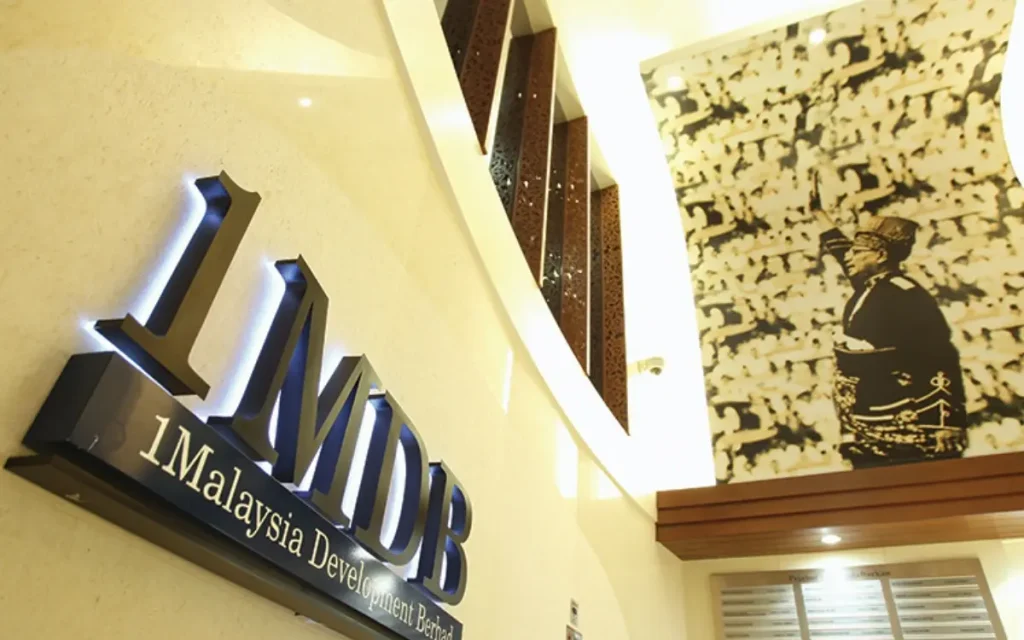
KUALA LUMPUR, A Singapore court has ruled that foreign liquidators cannot sue Standard Chartered Bank and BSI Bank over 1Malaysia Development Bhd (1MDB)-linked transactions that took place before 2018, the year Singapore’s cross-border insolvency law came into effect. The liquidators of Blackstone Asia Real Estate Partners and Brazen Sky — both linked to the 1MDB scandal — had sought to recover assets they claimed were improperly transferred, using avoidance claims to challenge the deals. However, High Court judge Aidan Xu cited Article 23(9) of Singapore’s Insolvency, Restructuring and Dissolution Act, which bars such claims for transactions made before 2018. While acknowledging the transactions appeared “dubious,” he said the law clearly prevents the court from intervening, stressing that any change would have to come from Parliament. The liquidators argued that Article 21 of the law should allow the court to act on past fraudulent deals, warning that otherwise wrongdoers might escape liability. The banks, however, maintained that Parliament had intentionally added Article 23(9) to protect the finality of earlier transactions. Xu agreed, ruling that Article 21 cannot override the restriction. The decision narrows the scope of action available to foreign liquidators under Singapore’s model law framework but does not prevent them from pursuing claims through regular court channels, which are lengthier and more complex. Brazen Sky has already filed separate suits against BSI Bank and certain bankers, alleging dishonest assistance in the same transactions. In response, Angela Barkhouse, joint liquidator of Blackstone Asia Real Estate Partners, said they respect the ruling but noted that the judge himself admitted the outcome may not align with the spirit of the UN’s model law. She added that her team is considering other legal avenues, including a possible appeal. “We remain undeterred in our mission to recover assets from those responsible and maximise returns for Malaysia,” she said.

News

Director Accused Of Seeking RM5m Bribe To Halt SC Legal Action

KUALA LUMPUR, A company director has been charged with soliciting a RM5 million bribe — allegedly using the name of the Securities Commission Malaysia (SC) — to prevent legal action against independent trust firm UBB Amanah Bhd. P Kuhan Arunasalam, 39, faces one count of seeking the bribe from V Siva Ananthan in July 2024 at a restaurant in Bangsar. The charge, filed under Section 16(a)(A) of the Malaysian Anti-Corruption Commission (MACC) Act 2009 and punishable under Section 24(1), carries a maximum 20-year jail term and a fine of at least five times the bribe amount or RM10,000, whichever is higher. Kuhan pleaded not guilty. Sessions Court judge Suzana Hussin granted bail of RM20,000, ordered his passport to be surrendered, and required him to report to the MACC once a month. Prosecution officer Selvam T Armugom led the case, while lawyer Wan Shahrizal Wan Ladin represented the accused. Kuhan is believed to be linked to Spherix Sdn Bhd, described as a digital compliance and traceability platform. In response, the SC reiterated that it does not comment on ongoing cases and stressed that it takes a serious view of any unauthorised use of its name for endorsements or solicitations.

Scroll to Top

Subscribe
FREE Newsletter