News

News

Asian Lenders Drive Over US$2 Billion Loan Surge for Middle East Borrowers

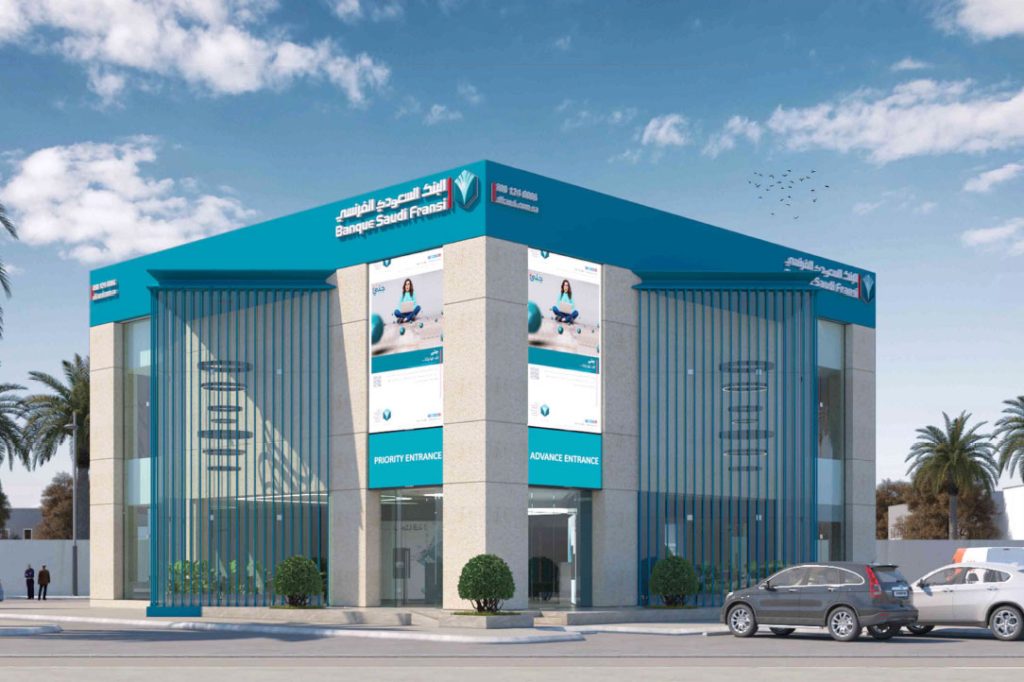
Middle Eastern borrowers are increasingly turning to Asia-Pacific’s syndicated loan market in a bid to broaden their funding base, as global bond issuance and domestic capital flows prove insufficient for their expansive economic transformation agendas. In recent weeks alone, more than US$2 billion worth of deals have been brought to market by Gulf-based borrowers, specifically targeting Asian bank liquidity. Among these, Saudi Electricity Company secured a US$1 billion loan, Banque Saudi Fransi obtained US$750 million, and Al Ahli Bank of Kuwait raised US$500 million. This strategic pivot comes amid growing fiscal pressures across the Gulf. Saudi Arabia, for example, continues to run a budget deficit, with crude oil prices sitting well below the US$92 per barrel threshold that the International Monetary Fund estimates is needed for the Kingdom to balance its books. The result is a sustained drive for capital to support Crown Prince Mohammed bin Salman’s Vision 2030 — a transformative programme valued at US$2 trillion. Qatar, Kuwait, and the United Arab Emirates are similarly pushing ahead with long-term economic diversification plans. These require substantial investment, much of which is being sourced beyond their traditional markets, as governments and corporates seek more competitive funding terms and expanded lender bases. “Middle Eastern borrowers, given the significant borrowing requirements, have been much more open to diversifying their lending relationships and willing to tap into the demand from Asia,” said Amit Lakhwani, global head of loan syndicate at Standard Chartered plc. He added that Asia offers unique advantages such as alternative currencies and maturities that may not be readily available in the regional loan market. Loan activity from Middle Eastern issuers in Asia-Pacific reached a six-year high of US$5.2 billion in 2024, according to Bloomberg data. The recent surge follows Qatar National Bank’s US$2 billion loan in March, which attracted nearly 30 lenders, many of them from China, Japan, and Taiwan. The appeal of such deals for Asian banks lies in both the scarcity of opportunities within their home markets and the comparative strength of Gulf-based borrowers. Year-to-date syndicated loan volumes in Asia-Pacific excluding Japan have dropped 30% to US$53 billion — the lowest in a decade — creating an incentive to pursue international deals that offer favourable risk-return profiles. “Not only do Middle Eastern companies often benefit from superior credit ratings, but the loans also deliver higher margins relative to similarly rated Asian borrowers,” said Aaron Chow, managing director for loan capital markets, Asia-Pacific at Sumitomo Mitsui Banking Corp. For instance, Saudi Electricity’s five-year loan, rated A+ by Fitch, priced at approximately 85 basis points over the secured overnight financing rate (SOFR). By comparison, Shinhan Card of South Korea, rated A, recently closed a near five-year facility at 80 basis points over SOFR. Nonetheless, capacity constraints may limit future activity, as banks must navigate internal exposure limits related to geography and sector concentration.
News

China Extends US$3.4 Billion in Commercial Loans to Support Pakistan’s Reserves

China has rolled over a total of US$3.4 billion in commercial loans to Pakistan, significantly reinforcing Islamabad’s foreign exchange reserves and helping meet International Monetary Fund (IMF) requirements, according to a source within Pakistan’s Ministry of Finance. The financing package includes the continuation of US$2.1 billion that has remained in Pakistan’s central bank reserves for the past three years, as well as the refinancing of a separate US$1.3 billion loan previously repaid by Islamabad two months ago. In addition to the Chinese support, Pakistan has secured US$1 billion from Middle Eastern commercial banks and a further US$500 million through multilateral financing channels. “These inflows have brought our reserves in line with the IMF target,” the official stated, confirming that the funds have pushed Pakistan’s foreign exchange reserves to US$14 billion, in line with the IMF’s year-end requirement. The financial assistance comes as Pakistan implements structural reforms under a US$7 billion IMF bailout programme. Officials assert that the economy has shown signs of stabilisation, underpinned by international financing and adherence to reform conditions. -Reuters

Energy & Technology, News

VinFast Opens Second Vietnam EV Plant, Targets One Million Annual Vehicle Output

VinFast, Vietnam’s leading electric vehicle (EV) manufacturer, commenced operations at its second domestic production facility on Sunday, 29 June, marking a strategic step towards increasing output of its compact urban EVs amid challenges in its international growth trajectory. The newly inaugurated factory, situated in Ha Tinh province in central Vietnam, boasts an initial annual capacity of 200,000 units and covers 36 hectares, according to a company statement. This expansion complements the manufacturer’s flagship facility in Haiphong, which is projected to achieve a production capacity of 950,000 units by 2026. Backed by Vingroup, Vietnam’s largest conglomerate, VinFast has laid out an ambitious roadmap to establish manufacturing footprints in key international markets including the United States, India, and Indonesia. However, its global expansion efforts have encountered obstacles, ranging from subdued demand to intense competition across the EV sector. The company last year confirmed a delay in the commencement of operations at its planned US-based factory, pushing the launch to 2028. Meanwhile, its assembly plant in India is scheduled to become operational in July 2025. “Once operational, the VinFast Ha Tinh factory will contribute to VinFast’s goal of producing 1 million vehicles per year to meet the increasing demand of domestic and foreign markets,” said Nguyen Viet Quang, Chief Executive Officer of Vingroup. Despite its global ambitions, VinFast continues to concentrate on domestic performance. The EV maker has set a target of delivering 200,000 vehicles in 2025, having already sold approximately 56,000 units in the first five months of the year, largely within Vietnam. Financially, the company reported a net loss of US$712.4 million for the first quarter of 2025. While this figure reflects a reduction from the US$1.3 billion loss posted in the previous quarter, it represents a 20 per cent increase year-on-year. Nonetheless, revenue surged by 150 per cent during the same period, reaching US$656.5 million. -Reuters

Energy & Technology, News

Seoul Urges Temu, AliExpress to Suspend Sales of Children’s Goods Breaching Safety Standards

The Seoul Metropolitan Government has formally requested that major e-commerce platforms Temu and AliExpress suspend the sale of several children’s products, citing significant safety concerns following a recent inspection. In a statement issued today, city officials reported that a review of 35 children’s items available on the platforms — including umbrellas, raincoats and rain boots — revealed that 11 of them failed to meet South Korean safety regulations. The inspection found several products containing hazardous substances in quantities far exceeding the country’s legal limits. Of particular concern were six umbrellas containing phthalate-based plasticisers at concentrations up to 443.5 times higher than permitted levels. Phthalates, commonly used to increase the flexibility of plastic, are associated with endocrine disruption. In addition, two products were found to contain lead at concentrations reaching 27.7 times the allowable threshold. Lead exposure beyond safety limits is known to impair reproductive function and elevate the risk of cancer. Although the platforms are not legally obligated to comply with the municipal government’s request, Seoul authorities have stressed the urgency of removing the non-compliant items from online sale. The government noted the long-term health risks of exposure to hazardous substances in children’s products and advised consumers to scrutinise product information thoroughly prior to purchase. Neither Temu nor AliExpress immediately responded to requests for comment. This development comes amid mounting international scrutiny of ultra-low-cost online retailers, including Temu, AliExpress, and Shein. These companies have rapidly gained global market share by offering fast fashion and accessories at competitive prices, positioning themselves as strong competitors to Western giants such as Amazon. However, concerns around product quality and consumer safety have increasingly accompanied their rise. In a related move last year, the Seoul government highlighted that women’s accessories sold by Temu, AliExpress and Shein contained toxic substances in concentrations several hundred times above acceptable limits. The European Union also added Shein to its list of major digital platforms subject to stricter product safety regulations, with a particular emphasis on protecting minors from harmful goods. -AFP

News

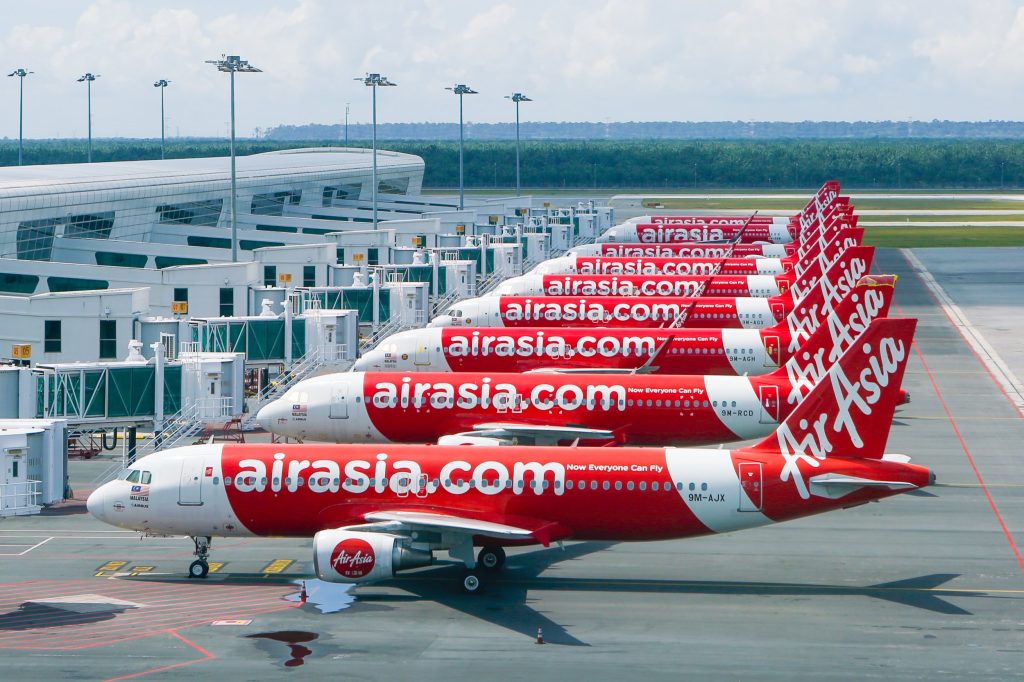
AirAsia Consolidates Operations in Strategic RM6.8 Billion Deal to Strengthen ASEAN Dominance

AirAsia is executing a transformative consolidation of its short-haul and long-haul operations to establish a more streamlined, efficient airline group under a unified corporate identity. This move is designed to enhance competitiveness across the ASEAN region and reinforce its position as Asia’s leading low-cost carrier. AirAsia Aviation Group Limited (AAGL) deputy group chief executive officer (corporate), Farouk Kamal, confirmed that the consolidation plan had been in the pipeline prior to the COVID-19 pandemic, but the global crisis significantly accelerated its implementation. “The idea of integrating AirAsia and AirAsia X is not new. COVID-19 expedited our timeline. By merging short-haul and long-haul networks, we are now able to cross-subsidise routes and enhance profitability on a network-wide scale,” Farouk said in a recent interview with Business Times. The integration will see AirAsia X Bhd become the listed parent company, enabling the group to manage route planning more strategically. A long-haul flight from Kazakhstan to Kuala Lumpur could, for instance, be synchronised with a short-haul leg to Bali, creating a seamless and commercially viable travel corridor. Going forward, all short-haul services under the AirAsia brand will fall under the AirAsia X umbrella and be rebranded to reflect the unified group structure. Earlier this year, Capital A Bhd CEO Tan Sri Tony Fernandes announced the group’s planned renaming to AirAsia Group. Capital A, currently the parent of both AAGL and AirAsia, has agreed to divest its airline operations to AirAsia X for RM6.8 billion. As part of the transaction, Capital A will receive RM3 billion in AirAsia X shares, with AirAsia X also assuming RM3.83 billion in debt from Capital A. Farouk confirmed that AAGL’s group CEO, Bo Lingam, will continue to lead the consolidated airline business. The current CEOs of the airline’s national affiliates in Malaysia, Thailand, Cambodia and the Philippines will remain in their existing roles. Bo stated that the integration aligns with the group’s fleet expansion strategy. AirAsia is scheduled to take delivery of 14 new Airbus A321 aircraft this year, with five already received. The remaining nine units are expected to arrive progressively before year-end. Unlike many global carriers, AirAsia did not cancel aircraft orders during the pandemic, helping the airline avoid major delays. “Some airlines are facing delays of one to two years. We’re only seeing delays of a month or two, which is manageable,” said Bo, citing the efficiency of AAGL’s single-type fleet strategy with Airbus. The airline remains committed to growth, supported by an existing order book of 358 A320 family aircraft, including the LR (long-range) and XLR (extra long-range) variants capable of operating up to 10-hour sectors. Farouk highlighted that these aircraft reduce the distinction between short and long-haul routes, offering better management of capacity and seasonality than wide-body A330s. Beyond Airbus, the group is evaluating alternative aircraft options from Embraer and COMAC for regional and secondary markets. The Embraer E2 and Airbus A220, both seating between 130 to 160 passengers, are under active consideration for point-to-point and underserved routes. Bo noted that these smaller narrow-body aircraft could enable access to markets in Indonesia, the Philippines, Cambodia, and regional hubs such as Kota Kinabalu. Discussions with multiple manufacturers regarding potential new purchases are currently ongoing. AirAsia is also implementing a network rationalisation programme to focus on profitability and core markets across ASEAN, India, China and key destinations within Asia. “We’re ceasing routes that no longer make commercial sense. The goal is sustainable growth, not presence for the sake of it,” said Bo. As part of this optimisation strategy, AirAsia aims to strengthen Kuala Lumpur’s position as a key regional hub. “We’re building a network where KL serves as a convenient transit point to neighbouring destinations such as Indonesia, Cambodia and the Philippines,” Bo explained, adding that most of the adjustments will be finalised in time for the winter schedule. In March, Business Times reported that AirAsia would cease operations on eight international routes and reduce frequency on four others. According to AeroRoutes, the discontinued routes include Ipoh-Singapore, Kota Kinabalu-Kaohsiung, Kota Kinabalu-Kunming, Kota Kinabalu-Manado, Kota Kinabalu-Ningbo, Kota Kinabalu-Wuhan, Kuala Lumpur-Port Blair, and Penang-Hong Kong. The final flights on these routes occurred between 27 March and 5 May 2024. Also in March, AirAsia announced the relocation of flights to Sabah and Sarawak from Sultan Abdul Aziz Shah Airport (Subang Airport) to Kuala Lumpur International Airport (KLIA) Terminal 2, effective from 7 April. -NST

News

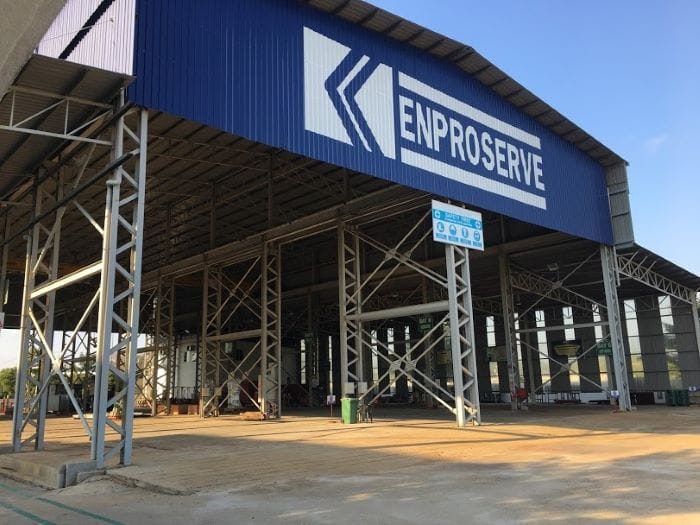
Enproserve Boosts Machinery and Fleet Ahead of Landmark Pengerang Turnaround

Enproserve Group Bhd, a specialist in plant maintenance and turnaround services, is significantly expanding its machinery and fleet capacity as it positions itself for robust growth in 2026 and 2027. This strategic build-up is driven by the anticipated large-scale plant turnaround at the Pengerang Integrated Petroleum Complex – a job that may be the largest of its kind in Malaysia – and the company’s expansion into new business segments, including mobile crane rental and facilities management. Managing Director Azman Yusof stated that the company, which is en route to a listing on the ACE Market, is actively preparing to execute the Pengerang turnaround by 2027 at the latest. “There will be substantial equipment and manpower requirements to stop the plant, open and inspect the equipment, undertake necessary repairs and safely restart operations,” Azman told StarBiz in a recent interview. The company’s initial public offering (IPO) entails the issuance of 210 million new ordinary shares, targeted to raise RM50.4 million at an IPO price of 24 sen per share. Concurrently, Azman will offer for sale 105 million existing shares, raising an additional RM25.2 million and diluting his ownership from 100% to 70% post-listing. Of the RM50.4 million to be raised from the public issue, RM23.68 million – or 47% – has been allocated for capital expenditure. This includes RM9.16 million for the acquisition of new machinery and equipment, RM9 million for lorries and a mobile crane, and RM5.5 million for the establishment of a dedicated crane depot. The investment is intended to support both existing and future contracts without eroding profit margins, while simultaneously reducing reliance on third-party leasing. “If you want to maintain strong margins in the oil and gas sector, you must own the assets required to deliver the work,” Azman added. Between 2019 and 2023, Enproserve completed 14 contracts. It currently holds 33 active contracts, including six turnaround contracts that will run through to 2029. The majority are within its core plant maintenance and turnaround division. In addition, the group has secured five engineering, procurement, construction and commissioning (EPCC) contracts, two facilities management contracts, and seven crane rental contracts. The company’s contracts are predominantly secured through long-term master service agreements based on unit-rate pricing, which ensures recurring revenue as specific work scopes are confirmed and executed. To further strengthen its balance sheet, RM11.65 million or 23% of the IPO proceeds will be allocated to repay existing bank borrowings. This will reduce the group’s net gearing from 1.07 times to 0.50 times. Another RM10 million (20%) will be reserved for working capital, while RM5.03 million (10%) will cover listing-related expenses. For the financial year ended 31 December 2024 (FY24), Enproserve recorded revenue of RM198.41 million and a net profit of RM20.22 million. Over the past three years, the company achieved a compound annual growth rate of 29.5% in revenue, driven largely by its plant maintenance and turnaround segment, which contributed RM164.95 million or 83% of total revenue. Notably, revenue from related services such as equipment and vehicle rental, as well as manpower supply, more than doubled to RM11.5 million in FY24 from RM4.08 million in FY23. This segment now contributes nearly 6% of the group’s topline, bolstered by seven long-term rental contracts awarded by Petroliam Nasional Bhd (PETRONAS) in September 2023. These contracts span three years from 2023 to 2026, with an option for a two-year extension, and cover the provision of mobile cranes, forklifts, lorries and other lifting equipment for daily operations and scheduled turnarounds. In response, Enproserve invested RM34.5 million to acquire 21 new mobile cranes, bringing its total fleet to 24 units. The IPO proceeds will further enable the company to expand its fleet and crane depot infrastructure to meet growing demand. The EPCC segment contributed RM10.98 million, or 5.5% of revenue, while facilities management services brought in RM11.08 million or 5.6%. Revenue from the company’s top five customers totalled RM195.03 million, representing 98.3% of FY24 revenue. Of this, Pengerang Refining and Petrochemical – a joint venture between PETRONAS and Saudi Aramco – contributed 47.6%, while PETRONAS Group accounted for 43.9%, primarily through plant maintenance, turnaround, and engineering services. “We are currently dependent on PETRONAS. But as a local oil and gas service provider, it is a reality we have to embrace. This listing provides a platform for us to establish our own brand identity,” said Azman. Enproserve also secured 4.1% of FY24 revenue from Malaysia’s Public Works Department via facilities management contracts for government buildings. The IPO application closes on 8 July, with a tentative listing date set for 18 July. -The Star

News

Digital Banks Gain Traction in Malaysia but Remain Small Players, Says UOBKH

Three of Malaysia’s five licensed digital banks have reported promising early figures, though they are not expected to disrupt the traditional banking landscape in the near to medium term, according to UOB Kay Hian (UOBKH) Research. GXBank, Boost Bank and AEON Bank are currently operational, while Ryt Bank and KAF Digital Bank remain in the pilot stage, conducting limited rollouts to refine their digital platforms prior to broader market entry. Deposit mobilisation has accelerated rapidly, with GXBank emerging as the frontrunner in both asset base and customer deposits. As of September 2024, GXBank reported RM2.4 billion in total assets and RM2.2 billion in deposits, reflecting robust early uptake. AEON Bank, as at November 2024, recorded RM711 million in assets and RM339 million in deposits, while Boost Bank—launched in the latter half of 2024—posted RM819 million in assets and RM573 million in deposits by March 2025. GXBank’s strong performance was underpinned by aggressive customer acquisition campaigns and market-leading deposit rates of up to 3%. These promotional efforts have since been moderated as the bank transitions into its second year of operations. AEON Bank and Boost Bank similarly introduced high-yield savings products, although Boost Bank has pursued a more measured strategy, maintaining a lower cost of funds at 1.7% in contrast to the 3% offered by its peers. Despite the initial traction, UOBKH Research highlighted that the combined asset base of the three active digital banks remains modest, comprising less than 1% of the Malaysian banking sector’s total RM3.7 trillion in assets as at end-April 2025. Even at Bank Negara Malaysia’s regulatory cap of RM3 billion per digital bank over the first three to five years, the collective maximum of RM15 billion would equate to just 0.4% of the industry’s current assets. The research further noted that the digital banks are still in a loss-making phase and anticipate a breakeven timeline of more than three years on average. Meanwhile, traditional banks continue to push forward with their own digital transformation strategies, supported by extensive product suites and wide-reaching distribution networks. UOBKH remains constructive on select incumbents, citing valuation support, capital strength and provisioning buffers as key defensive attributes. Its top recommendations include Hong Leong Bank Bhd, Public Bank Bhd and AMMB Holdings Bhd. AMMB was noted for its strong capital management, underpinned by robust Common Equity Tier 1 (CET1) ratios, while Hong Leong Bank and Public Bank are seen as defensive plays in a volatile macroeconomic environment, trading below historical price-to-book averages and backed by solid provisioning levels. -The Star

News

Zurich Malaysia Enhances Customer Experience with Digital Tools and Empathy-Driven Support

While digitalisation continues to reshape Malaysia’s insurance and takaful landscape, Zurich Malaysia remains focused on delivering both efficient technology and compassionate, empathy-driven support to customers during challenging times. Today, insurance and takaful is no longer just about financial protection, but about providing timely assistance and understanding when it matters most. Over the years, Zurich Malaysia has supported millions of customers through moments of crisis, from sudden loss of a loved one to major disruptions caused by accidents or illness. In these difficult moments, they were met with compassionate support that brought peace of mind when it was needed most. Their experiences reflect a growing shift in the industry, integrating digital innovation with empathy. At Zurich Malaysia, this approach is more than a strategy; it is a commitment to respond with efficiency and heartfelt care, ensuring customers receive the support they truly deserve. Through the streamlining of traditionally complex processes into seamless and efficient platforms, digitalisation across the insurance and takaful sector is empowering customers to take greater control over their protection. However, Zurich Malaysia believes that technological advancement alone is not enough as what truly matters is how these innovations impact customers’ lives. By combining the strengths of digital tools with customer care support rooted in empathy, it ensures that the service customers receive not only meets but exceeds their expectations. “‘Care For What Matters’ is more than a slogan we put on the wall. It’s a standard we hold ourselves to every day,” said Ally Robertson, Country Chief Operations Officer at Zurich Malaysia, “Digitalisation goes beyond speed and removes friction. It’s about enabling our people to respond with empathy, insights and purpose, especially when our customers are going through some of life’s hardest moments.” Among the many lives Zurich Malaysia has supported over the past year, the following stories reflect the emotional weight of those moments, and how timely protection made a real difference when life took an unexpected turn. In Johor, Nor Hasimah binti Ahmad Shukri was left to care for her young child after the sudden passing of her husband from cancer. Amid grief and uncertainty, she needed timely support to stabilise her family’s finances. Zurich Malaysia’s digitised claim verification and payout system ensured the death claim was processed swiftly, giving her the support she needed to secure her family’s future. A more complex case unfolded in Kota Bharu, where Hasnira binti Mat Jusoh’s late husband had not named a nominee in his insurance policy. What could have become a lengthy and difficult process was resolved through Zurich Malaysia’s internal records and dedicated staff follow-up. She was guided step by step until the payout was delivered, a reminder that while systems matter, follow-through matters even more. Meanwhile, Zainuddin bin Abdul Halim and his son were affected by the Putra Heights gas leak explosion that resulted in the total loss of their vehicles. Amid the disruption, Zurich Malaysia’s user-friendly digital claims platform helped them to submit reports, upload documentation, and track their claims with ease. Iris Dang, Chief Operations Officer, Property and Casualty at Zurich Malaysia, said “What truly matters to us is how we support our customers during their most difficult times. These stories remind us that insurance/takaful isn’t just about policies/certificates and payouts, it’s about listening with empathy, understanding unique needs, and being there with clear, caring support every step of the way. Our teams are trained to go beyond transactions and build meaningful connections, ensuring every interaction is focused on what our customers truly need. That human touch makes all the difference when lives are impacted.” As Zurich Malaysia continues to evolve, our focus remains on building solutions that are digitally enabled and deeply empathetic. We Don’t Just Cover, We Care is at the core of our heart. We stand with our customers, offering clarity, compassion and support when it matters most. This is our promise and our commitment to truly Care For What Matters. To learn more about how Zurich Malaysia supports customers, kindly please visit zurich.com.my.

News

China Confirms US Trade Framework and Reaffirms Export Review Commitment

China has confirmed the finalisation of a trade framework agreement with the United States, aligning with remarks made by US Commerce Secretary Howard Lutnick, who earlier outlined a mutual accord aimed at stabilising bilateral relations. According to a statement released on Friday by China’s Ministry of Commerce, both parties have maintained close communication following trade discussions held in London earlier this month. The Ministry noted that, upon receiving the necessary approvals, both sides had further clarified and agreed upon the framework’s details. “The Chinese side will review and approve eligible applications for the export of controlled items in accordance with the law. The US side will correspondingly cancel a series of restrictive measures taken against China,” the Ministry spokesperson stated. The announcement closely followed Lutnick’s comments in a Bloomberg Television interview on Thursday, where he disclosed that the US and China had finalised the terms of a trade agreement reached during talks in Geneva. He further indicated that the White House intends to pursue similar agreements with ten major trading partners in the near future. Lutnick confirmed that the agreement with China had been signed two days prior. The framework formalises terms discussed in prior negotiations, including a commitment from Beijing to resume the supply of critical rare earth materials. These resources are essential in a wide range of high-technology sectors, including wind energy and aerospace manufacturing. Despite the progress made in London, where discussions were led by US Treasury Secretary Scott Bessent and Chinese Vice Premier He Lifeng, limited information was publicly disclosed. This has led to ongoing speculation regarding key components, such as the resumption of exports of rare earth magnets. President Donald Trump characterised the outcome of the talks as “GREAT” in a social media post, although senior administration officials acknowledged that the agreement largely codifies understandings reached earlier in Geneva. These prior arrangements resulted in a partial easing of tariffs but left unresolved disputes around export control policies. The Chinese Commerce Ministry referred to a call between President Trump and President Xi Jinping on 5 June, reiterating that both nations should work collaboratively to ensure the stable development of economic and trade relations. Earlier this month, China announced it would intensify regulations on two chemical precursors used in fentanyl production. The move was widely seen as a gesture towards the United States, potentially aimed at preserving the fragile trade détente. The Trump administration had imposed 20% tariffs on Chinese goods in response to allegations of Beijing’s involvement in the US opioid crisis. These levies remain in effect. In his Thursday interview, Lutnick stated that punitive measures imposed by the US prior to the London negotiations would be rescinded once rare earth exports from China resumed. These US restrictions include curbs on key materials such as ethane, advanced semiconductor software and components for jet engines. The agreement coincides with the US government’s decision to ease certain restrictions on ethane exports. Earlier this week, the Department of Commerce notified energy producers that they could load ethane onto vessels destined for China, though unloading remains prohibited without explicit authorisation.

News

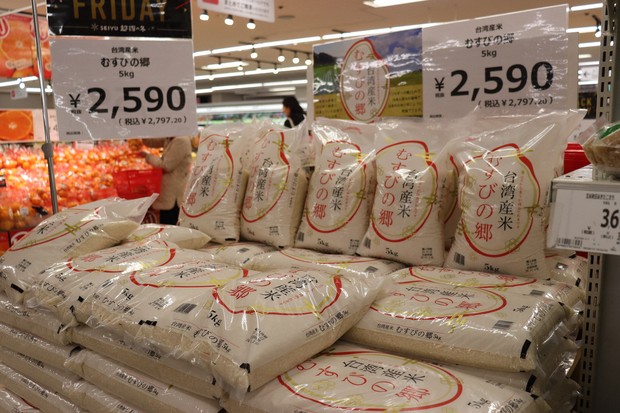
Japan Sees Surge in Private-Sector Rice Imports Amid Domestic Shortages

Japan witnessed a sharp rise in private-sector rice imports in May, signalling mounting pressure on the country’s food supply system. As rice prices continue to climb, trading firms and wholesalers imported approximately 10,600 metric tonnes of staple rice, a significant increase from the mere 3,004 tonnes imported throughout the previous fiscal year, which ended in March. This surge comes despite stringent levies on private-sector rice imports, currently set at ¥341 per kilogram. Although the volume remains modest compared to Japan’s annual consumption of around 7 million tonnes, the pace of import growth underscores the severity of the ongoing supply crisis. Domestic rice prices have doubled since last year, driven by an extreme heatwave that impacted the 2023 harvest. The situation was further exacerbated by stockpiling behaviour following a major earthquake, alongside increased demand fuelled by a resurgence in tourism. In response, the Japanese government began releasing rice from its strategic reserves to retailers in late May. This move allowed consumers to purchase 5kg bags of rice for approximately ¥2,000 (US$13.85), significantly lower than average supermarket prices, which have spiked sharply. In a notable shift, Japanese restaurants and households are increasingly turning to imported rice brands, particularly from the United States, as they seek more affordable alternatives. Despite its traditionally protectionist agricultural policies and long-standing reliance on domestic production, Japan has been forced to adjust. Under World Trade Organization rules, the government is permitted to import up to 100,000 tonnes of staple rice tariff-free annually. In a departure from routine, authorities moved up the tender for tariff-free rice imports from its usual September schedule to June, aiming to curb rising consumer costs. This early intervention reflects growing concern among policymakers about food security and price stability, particularly as global supply chains remain volatile.

Scroll to Top

Subscribe
FREE Newsletter