Property

Property

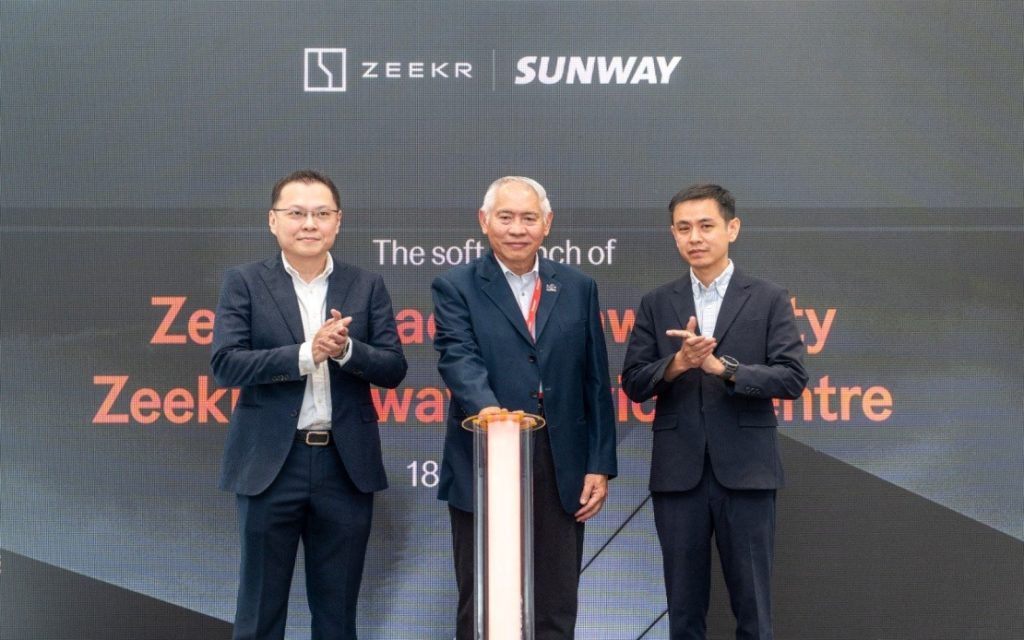
Sunway Marketing Unveils RM10 Million Zeekr Space and Service Centre in Sunway City

KUALA LUMPUR, Sunway Marketing Sdn Bhd, the appointed dealer partner of Zeekr Malaysia, has officially launched Zeekr Sunway, a flagship facility featuring both a Zeekr showroom and service centre in the heart of Sunway City, Kuala Lumpur. In a statement today, Sunway Marketing announced that the Zeekr Space Sunway City and Zeekr Sunway Service Centre were developed with a combined investment of over RM10 million. The launch aims to deliver a comprehensive and elevated ownership experience for both prospective customers and existing Zeekr owners in Malaysia. Strategically located along Persiaran Lagoon, the 11,100-square-foot Zeekr Space occupies the former site of Sunway City’s iconic helipad. The premium showroom showcases six display bays featuring the latest Zeekr models, including the Zeekr X and Zeekr 009. Two dedicated delivery bays are also available for customers to celebrate and document the handover of their new vehicles. Designed with customer comfort in mind, the facility includes a premium lounge, dedicated discussion areas with sales and product specialists, and four alternating current (AC) EV charging stations. Plans are also underway to add direct current (DC) charging infrastructure in the near future. Yeoh Yuen Chee, Chief Executive Officer of Sunway Trading and Manufacturing, described the launch as a significant step forward for both the Zeekr brand and Sunway City. “This marks more than just the expansion of our automotive portfolio. The simultaneous launch of Zeekr Space and Service Centre underscores our commitment to delivering a seamless, sustainable, and premium ownership experience for Zeekr’s New Energy Vehicles (NEVs), both within Sunway and across the broader Malaysian market,” he said.

Property

Combine Will International to Acquire Dongguan Land for USD2.2 Million

Combine Will International Holdings, through its indirect wholly owned subsidiary Dongguan Combine Will Tengda Technology Company Limited (DCWTT), has proposed the acquisition of a parcel of land in Tianraobu village, Hengli town, Dongguan city, China, from the Tianraobu Village Joint Stock Economic Cooperative (JSEC). The land, measuring 15,712.44 square metres (169,127.3 square feet), will be acquired for RMB12.4 million (USD2.2 million). The consideration was determined through negotiations and consultancy with the local government, with the final price set via public auction. The purchase price includes RMB2.5 million already paid as earnest money, with the balance due by 22 July. Combine Will plans to develop a manufacturing facility on the site to house its service centre and one of its toy manufacturing operations. This move follows the group’s disposal of parcels of land in the Shenshan industrial area of Hengli town, as announced on 8 November 2024. According to the group, the transfer term for the property is 50 years, with delivery expected before 12 July. An application for extension must be submitted approximately one year prior to the expiry date. Should the contract not be renewed, all buildings, structures and ancillary facilities constructed on the property will revert to the Tianraobu Village JSEC without compensation to DCWTT upon withdrawal of land rights. Construction on the site is scheduled to begin by 12 October and must be completed by 12 July 2027. Delays of up to one year would incur liquidated damages at 1% of the transfer price daily, payable to Tianraobu Village JSEC, until construction commences. Failure to settle the purchase consideration by the stipulated date would result in a penalty of 0.01% of the overdue amount per day, calculated from the final payment date until settlement. Should the delay exceed 60 days, Tianraobu Village JSEC reserves the right to terminate the land transfer contract, with no refund of the earnest money. The Tianraobu property has a book value and net tangible asset (NTA) value of RMB12.4 million (USD2.2 million) as of 23 June, the effective date of the land transfer contract. The acquisition will be financed through the group’s internal resources. -The Edge

Property

Eastin Hotel to Rebrand as Petaling Jaya Marriott Hotel by 2026

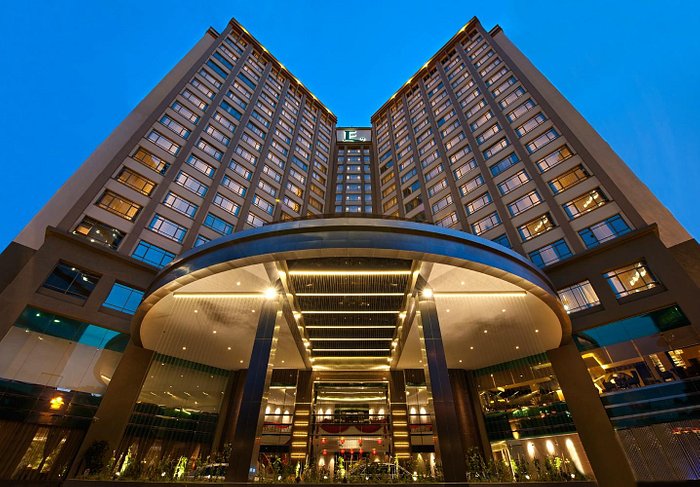
Marriott International has entered into an agreement with TSM Global Bhd to transform the 393-room Eastin Hotel Kuala Lumpur into the Petaling Jaya Marriott Hotel as part of its continued expansion in Malaysia’s hospitality sector. The hotel, strategically situated between Kuala Lumpur and Petaling Jaya, is expected to join the Marriott Hotels portfolio in December 2025 following a series of phased renovations. The renovations will commence with a complete lobby overhaul and guest room redesign to reflect Marriott’s contemporary brand standards. Planned additions include an exclusive M Club Lounge for Elite and Club members, a Chinese restaurant, and a Kids Club, all aimed at enhancing guest experiences. The fully rebranded property is scheduled to open its doors by December 2026, offering upgraded accommodations, signature Marriott service, and seamless access to key business and leisure destinations. Andree Susilo, Vice President of Hotel Development – Asia Pacific (excluding China) at Marriott International, highlighted the strategic importance of the project. “We are pleased to collaborate with TSM Global on this conversion project that will introduce the trusted Marriott Hotels brand to the dynamic commercial corridor of Petaling Jaya. The conversion-friendly platform of our flagship brand continues to resonate with owners and investors, and this agreement reflects our shared confidence in the future of Malaysia’s hospitality landscape,” Susilo said. TSM Global director Lim Tze Thean expressed optimism about the partnership. “We are excited to collaborate with Marriott International and introduce the Marriott Hotels brand to this strategic location. This signing represents our commitment to elevating hospitality standards in Malaysia, and we look forward to creating a compelling destination that delivers quality, consistency, and global recognition,” Lim said. Marriott International currently operates more than 60 properties in Malaysia under 20 brands and remains focused on expanding its footprint in strategic markets nationwide. -The Star

Property

Chin Hin Group Secures 2.63 Hectares of Prime Segambut Land for RM52 Million

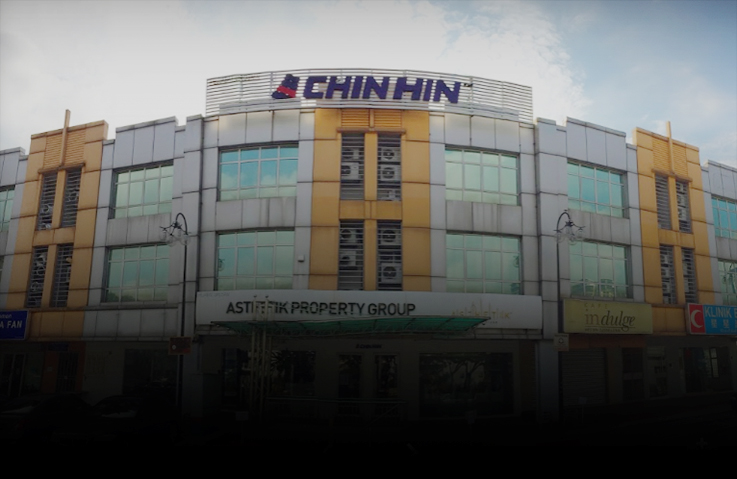
Chin Hin Group Property Bhd (CHGP) has acquired 2.63 hectares of land in Segambut, Kuala Lumpur, for RM52 million, marking a strategic expansion of its property development footprint in the capital. The acquisition was completed through its wholly-owned subsidiary, Chin Hin Property (Segambut) Sdn Bhd, which entered into a sale and purchase agreement with New York Empire Sdn Bhd and Kar Sin Bhd. The land, originally earmarked for a joint development between CHGP and Kar Sin, will now be fully owned and independently developed by CHGP. The group intends to undertake either a residential or mixed-use development project on the site, subject to the requisite regulatory approvals. “This acquisition is aligned with our ongoing strategy to broaden our property portfolio through the acquisition of land in key high-potential areas across Kuala Lumpur,” said Chin Hin in a statement. Chang Tze Yoong, Chief Executive Officer of Chin Hin Group’s property development division, noted that the move from joint venture to sole ownership would allow for enhanced control over both the execution and commercial positioning of the project. “The site’s strong connectivity and favourable market conditions give us confidence that this development will make a meaningful contribution to our future earnings,” he said. -Bernama

Property

Vietnam Sees Sharp Rise in Home Businesses Transitioning to Registered Enterprises

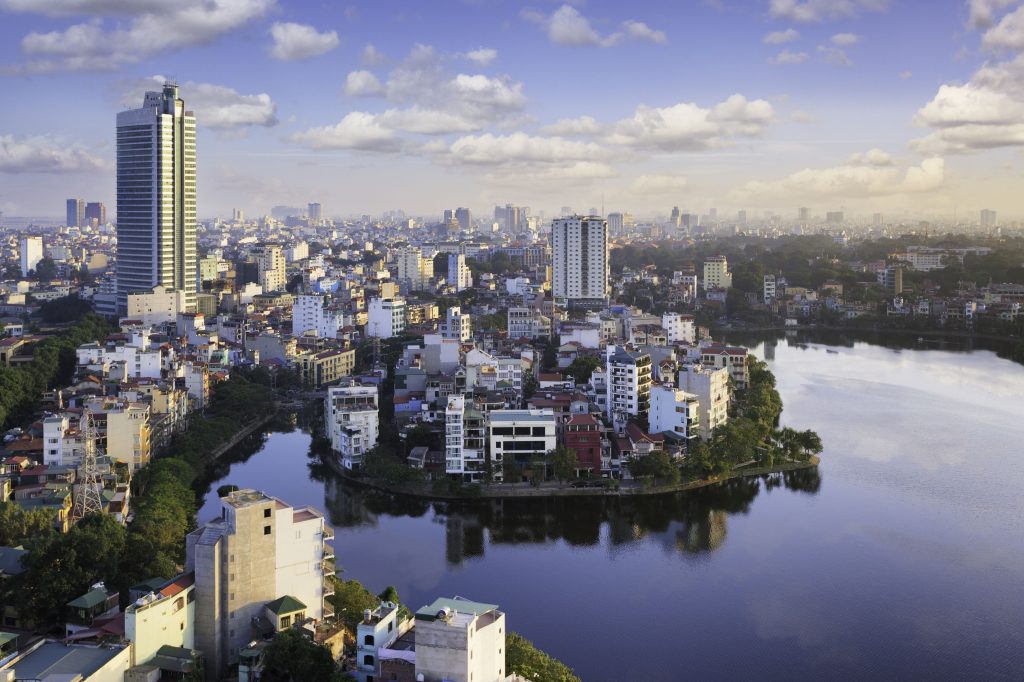
Vietnam is witnessing a significant shift in its business landscape, with nearly 1,500 household businesses officially converting into registered enterprises during the first half of 2025. Of these, 910 made the transition in June alone, accounting for nearly two-thirds of the total conversions. The data was disclosed by Mai Xuan Thanh, Director of the Department of Taxation under the Ministry of Finance, during a meeting held last Wednesday. This surge in formalisation reflects increasing momentum following the government’s issuance of Resolution 68 on 4 May 2025, which positions the private sector as a core pillar of the national economy. As of 30 June, more than 47,000 household businesses had registered for e-invoicing, surpassing the government’s projection by 125%. Under Decree 70, only 37,000 registrations were expected by March 2025. This strong uptake highlights the growing compliance and digital transformation among small businesses. The government’s revenue from eCommerce reached 98 trillion dong, marking a 58% year-on-year increase. Concurrently, tax debt management has shown signs of improvement, with total outstanding tax liabilities falling by 4.6% compared to the end of 2024. Tax collections also saw a notable rise, totalling over 43.1 trillion dong. Administrative reforms in the tax sector continue to accelerate, with plans underway to reduce procedures by more than 44%, cut processing times by 40%, and lower compliance costs by 45%. In a further push to enhance transparency and efficiency, field teams have been deployed to tax offices to observe citizen interactions and identify areas for improvement. As part of Project 06, 95% of tax identification numbers have now been standardised and synchronised with the national population database. From 1 July, companies have also been granted access to e-tax services via newly issued digital identity accounts. Thanh emphasised the critical role of technology and data integration in modernising tax administration, enhancing procedural clarity, and fostering trust between the government and taxpayers. -Viet Nam News

Property

Avaland Secures Strategic Land Deal Worth RM148.8 Million in Kuala Lumpur

Avaland Berhad has entered into a definitive agreement to acquire nine parcels of freehold development land in Kuala Lumpur, marking a strategic expansion of its footprint in the Klang Valley. The acquisition, valued at RM148.8 million, involves approximately 3.2 acres of land situated along Jalan Putra and is being purchased from Tan Chong Motor Holdings Berhad. The property developer confirmed the transaction via a filing with Bursa Malaysia, noting that the acquisition aligns with its long-term growth strategy aimed at strengthening its presence in key urban locations. This latest move enhances Avaland’s existing developments in Seputeh and Taman Desa and positions the group to further capitalise on high-value, investment-focused projects in the heart of the capital. According to the company, the parcels are located within a mature and established neighbourhood, surrounded by high-rise residential and commercial landmarks. The strategic positioning of the land offers a compelling opportunity for Avaland to extend its brand influence and reinforce its market presence in central Kuala Lumpur. Avaland stated that the acquisition not only supports its vision of sustainable growth within the Klang Valley but also underlines its commitment to delivering high-quality developments that resonate with both investors and residents. The group views the transaction as instrumental in reinforcing its reputation as a trusted name in urban property development. -The Star

Property

Singapore to Add 80,000 New Homes as Housing Demand Accelerates

Singapore is poised to see sustained housing demand in the coming years, propelled by a confluence of demographic shifts, lifestyle changes, and population growth. According to the Urban Redevelopment Authority (URA) and Housing and Development Board (HDB), these trends underpin the Draft Master Plan 2025, unveiled last month, which outlines the development of at least 80,000 new public and private homes over the next 10 to 15 years. In response to media queries, URA and HDB emphasised that housing strategies are shaped by multiple considerations, including managing near-term demand, ensuring a stable property market through consistent supply, and responding to long-term demographic and lifestyle trends. “We remain focused on ensuring that housing remains accessible in the long term for current and future generations,” the agencies stated. “We also account for a range of possible future scenarios, including socioeconomic changes and shifts in the global environment.” Demographic patterns are evolving significantly. Rising life expectancy is resulting in homes being occupied for longer periods, while an increasing number of young couples and single individuals are choosing to live independently rather than with extended families. This has led to a marked decline in household sizes, from 3.96 persons in 1995 to 3.09 in 2024. Additionally, the maturing cohort of “echo boomers” — individuals born in the late 1980s to 1990s — is reaching the age of home ownership, further fuelling demand. The government intends to phase in the new housing projects gradually and monitor market conditions closely to adjust supply as necessary. Population Growth Drives Demand Despite a declining birth rate, experts affirm that housing demand remains high due to broader demographic changes. A notable trend is the shift towards smaller and single-person households, reflecting changing social norms and preferences. Singapore’s total population reached 6.04 million in June 2024, representing a 2 per cent increase from the previous year. This marks the first time the population has exceeded six million, largely driven by a 5 per cent rise in the non-resident population. While much of this growth stems from foreign workers and expatriates, it contributes to increased demand for both owner-occupied and rental housing. Dr Woo Jun Jie, Senior Lecturer at the Lee Kuan Yew School of Public Policy, noted that Singapore’s housing strategy must adapt to accommodate a larger foreign workforce, necessary to offset the impact of declining fertility and an ageing population. Associate Professor of Economics Walter Theseira from the Singapore University of Social Sciences remarked that while the government has refrained from setting a formal population target since the controversial 2013 Population White Paper, the implications are clear. “Without immigration, the Singapore resident population and workforce will inevitably decline,” he said. He added that the government’s housing plans suggest preparations for continued inflows of both permanent and temporary migrants. Although the 2013 White Paper projected a population of between 6.5 million and 6.9 million by 2030, the government has since clarified that this figure was intended as a planning parameter, not a definitive goal. Strategic Locations for Future Housing New housing precincts under the Draft Master Plan 2025 are planned in areas including Newton, Paterson, Dover-Medway along Dover Road, the former Singapore Racecourse site in Kranji, and the Paya Lebar Air Base and Sembawang Shipyard. The type of housing in each area is determined by factors such as land value, permissible density, and land availability. For instance, high-value districts like Newton and Paterson are earmarked for private developments, reflecting both development costs and market demand for premium residences. Conversely, locations such as Dover-Medway, situated near the Greater One-North commercial and academic cluster, are expected to feature a mix of public and private housing to support a diverse residential base. Public housing projects, explained Assoc Prof Theseira, are typically large-scale and high-density to support necessary infrastructure investments, such as transport links, healthcare facilities, and retail centres. These projects are usually sited on land with relatively lower value to ensure affordability after subsidies. Private housing, on the other hand, tends to be allocated to areas where the development of public housing would not be viable due to cost or density constraints. Beyond residential considerations, the new housing areas are also integrated into broader urban strategies. Professor Qian Wenlan from the National University of Singapore’s business school highlighted that the government’s decentralisation efforts aim to create employment hubs outside the central business district, thereby reducing commuting needs and enhancing liveability. For example, Bishan town centre is set to be transformed into a mixed-use business district featuring 200,000 square metres of new office space, along with an integrated hawker centre, polyclinic, transport interchange, and retail facilities. Developments in neighbourhoods such as Newton and Paterson are expected to include a blend of residential, retail and dining options, maximising land-use efficiency through vertical integration. Even as new homes are added in less dense zones such as Kranji and Sembawang, denser areas like Bishan will see moderate increases in residential capacity through redevelopment and Build-to-Order (BTO) projects. However, Dr Woo noted that greater density does not necessarily equate to congestion. Thoughtful urban design, including green spaces and recreational amenities, will be crucial in maintaining a high quality of life and mitigating perceptions of overcrowding. -CNA

Property

Binastra Wins RM405 Million Bukit Jalil Residential Construction Contract

Binastra Corporation Berhad has announced the successful award of a RM405 million construction contract for a major residential project in Bukit Jalil, Kuala Lumpur. The contract, awarded to its wholly owned subsidiary Binastra Builders Sdn Bhd by Exsim Jalil Link Sdn Bhd, involves the construction and completion of two blocks of serviced apartments. Located along Jalan Jalil Perkasa 1, the development will feature 1,004 residential units spread across two towers. In addition to the apartment blocks, the scope of works includes a shop lot, two commercial units, podium parking, a utility floor with an electrical substation, and a comprehensive range of resident facilities including a guardhouse. Binastra stated in its filing with Bursa Malaysia that the project is to be completed within 41 months from a commencement date, which will be determined via an architect’s instruction in due course. The company expects the project to contribute positively to its earnings and net assets per share throughout the financial years ending 31 January 2026 to 31 January 2029. The contract is categorised as a recurrent related party transaction. Binastra confirmed that its Managing Director, Datuk Tan Kak Seng, and Executive Director, Lee Seng Yong, are deemed interested parties in the transaction. Other than these two individuals, no other directors or major shareholders are involved, either directly or indirectly. -Bernama

Property

Avaland Acquires Petaling Jaya Land for RM49 Million, Targets RM320 Million GDV Project

Avaland Bhd is set to expand its footprint in the Klang Valley with the proposed acquisition of a 2.17-acre parcel of leasehold land in Section 13, Petaling Jaya. The property developer announced plans to undertake a high-rise commercial development on the site, with an estimated gross development value (GDV) of RM320 million. In a filing with Bursa Malaysia on Tuesday, Avaland disclosed that the acquisition will be made through its wholly owned subsidiary, Leisure Event Sdn Bhd. The land, situated adjacent to Plaza 33, will be acquired from Comit Communication Technologies (M) Sdn Bhd (CCT) for a cash consideration of RM49 million. CCT is a subsidiary of Warisan TC Holdings Bhd (75.5%) and Tan Chong Motor Holdings Bhd (24.5%). Avaland intends to fund the purchase through a combination of internally generated funds and bank borrowings. Completion of the transaction is targeted for the fourth quarter of 2025. An independent valuation by CBRE WTW Valuation & Advisory Sdn Bhd has placed the market value of the property at RM49 million. The land currently carries a net book value of RM45.5 million. While the acquisition is not expected to have a material impact on Avaland’s financial performance for the year ending 31 December 2025, it is anticipated to contribute positively to future earnings. Avaland Chief Executive Officer Apollo Bello Tanco described the acquisition as a strategic move aligned with the group’s growth plans in key urban locations. “We are excited about this acquisition as it represents a strategic step in expanding our presence within the vibrant and thriving township of Petaling Jaya. The encouraging response to our earlier developments across the Klang Valley reinforces our confidence in this location,” he said in a statement. In a separate announcement, Warisan TC Holdings noted that the divestment was a prudent step, citing the 50-year remaining lease tenure as a key factor. The company highlighted that the property’s value is expected to decline as the lease term shortens, unless renewed at potentially significant cost. Warisan TC added that it had held the land for over a decade and that the disposal allows it to unlock shareholder value by monetising the asset at prevailing market value. At market close, Avaland shares rose half a sen or 1.8% to 29 sen, giving the company a market capitalisation of RM422.5 million. The stock has declined nearly 10% year-to-date. Meanwhile, Warisan TC Holdings ended unchanged at RM1.05, with a market capitalisation of RM70.56 million. Its shares have fallen close to 30% so far this year. -The Edge

Property

JS-SEZ and RTS Link Set to Drive Johor Property Market Expansion

JOHOR BARU : Johor’s property sector is set to enter a new phase of expansion following the formalisation of the Johor-Singapore Special Economic Zone (JS-SEZ) agreement and ongoing progress on the Johor Baru–Singapore Rapid Transit System (RTS) Link. Real estate consultancy Nawawie Tie reported that residential property demand in Johor is anticipated to rise steadily, particularly in the rental segment. The increase is attributed to growing interest from local buyers, Malaysians working in Singapore, and Singaporean investors, with the JS-SEZ expected to heighten foreign interest in the region. Despite the positive outlook, Nawawie Tie noted that owner-occupiers are likely to adopt a wait-and-see approach until there is more clarity on the supporting infrastructure and policy frameworks tied to these developments. Landed residential properties remain the top choice among buyers, accounting for 65% of total property transactions in Johor. The Johor Baru district continues to lead the market, contributing 60% of these transactions, underscoring its position as a focal point for residential activity. On the industrial front, the market in the Johor Baru district is forecasted to strengthen, underpinned by robust manufacturing growth and increasing levels of foreign direct investment. The state is also rapidly positioning itself as a regional data centre hub, which is further intensifying demand for industrial property assets. In the first quarter of 2025, Johor recorded 353 housing unit transactions, with terraced and semi-detached homes representing the majority of sales. Johor Baru remains the location of choice for industrial players due to its strategic connectivity and infrastructure pipeline. -Bernama

Scroll to Top

Subscribe
FREE Newsletter