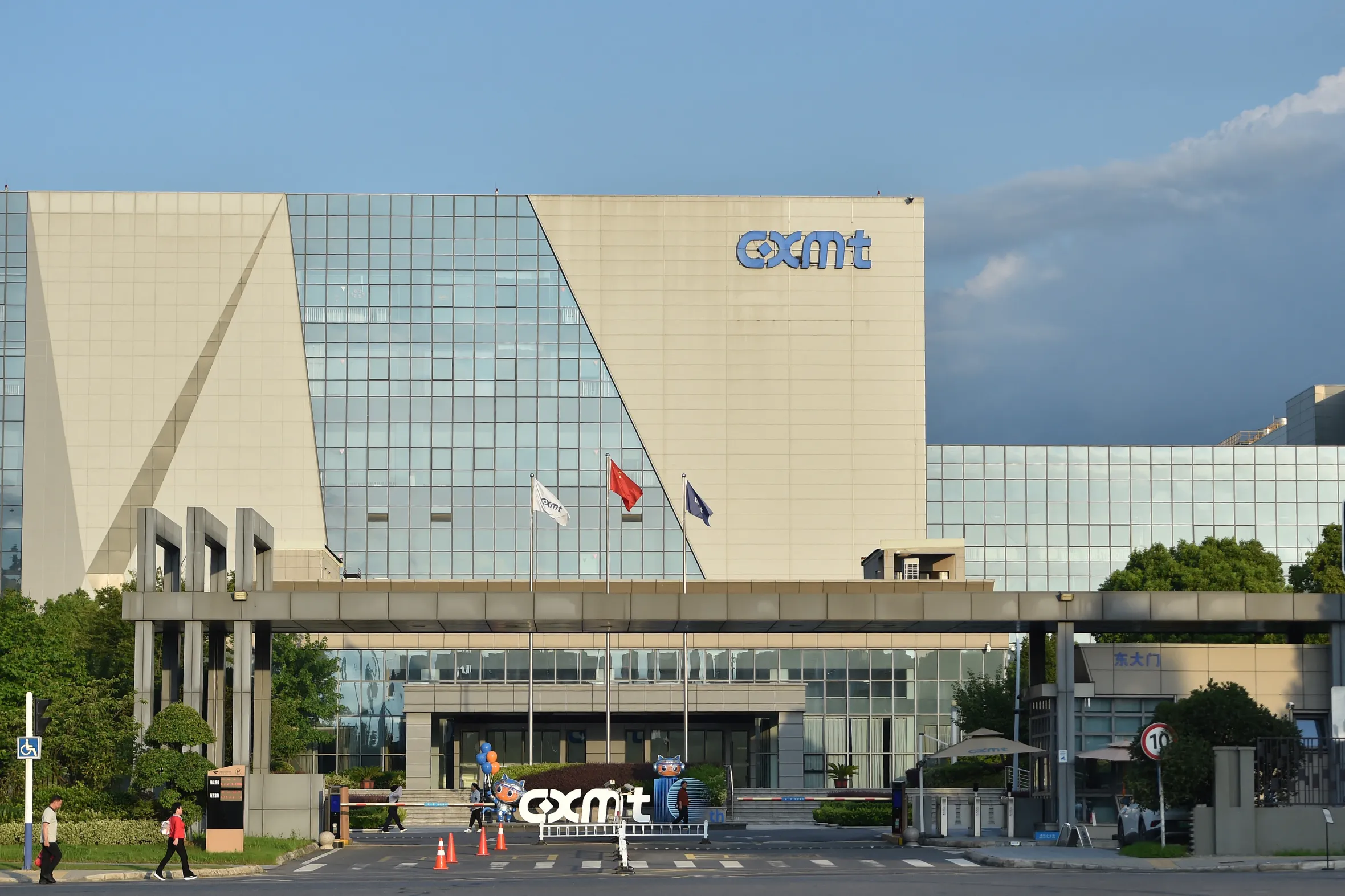
CXMT Corp’s highly anticipated stock market debut is expected to draw strong investor interest, with analysts predicting the listing could reignite momentum in China’s semiconductor sector and strengthen the country’s push for technological self-sufficiency.
The memory chipmaker is set to begin trading on Monday following its record-breaking US$86 billion (RM351.36 billion) initial public offering (IPO), making it China’s largest-ever semiconductor listing.
Investor attention has been focused on the debut after the STAR 50 Index, which tracks major technology companies listed on Shanghai’s STAR Market, slipped into bear market territory this month as investors repositioned their portfolios ahead of the offering.
Despite the recent pullback, analysts believe CXMT’s valuation remains attractive, standing at roughly one-tenth that of South Korean memory chip giant SK Hynix, leaving significant room for future growth.
The IPO attracted overwhelming demand, with subscriptions exceeding the number of shares available by hundreds of times. As is customary for STAR Market listings, the stock will not be subject to daily price movement limits during its first five trading sessions, raising expectations of a strong market debut.
Analysts said a robust performance could also provide a positive spillover effect for other Chinese semiconductor companies, particularly as CXMT is regarded as a key player in Beijing’s strategy to strengthen domestic semiconductor production and reduce reliance on foreign technology.
Bush Chu, Investment Manager at Aberdeen Investments, said the company could record a substantial gain on its first trading day, reflecting strong market optimism surrounding China’s semiconductor industry.
The listing comes amid continued global demand for memory chips driven by the rapid expansion of artificial intelligence (AI) applications. Chinese semiconductor stocks have also benefited from increased AI-related investment by technology giants including Alibaba Group Holding Ltd and Tencent Holdings Ltd, supported by government initiatives to strengthen the country’s semiconductor ecosystem.
Industry observers noted that CXMT’s major shareholders include several state-backed investors, providing additional confidence in the company’s long-term growth prospects and strategic importance to China’s technology ambitions.
From a valuation perspective, the IPO is also considered attractive. Based on its offering price of 8.66 yuan per share, CXMT is valued at approximately 2.4 times book value, representing a significant discount compared with leading global memory chip manufacturers such as SK Hynix, Micron Technology, and Nanya Technology, as well as several major Chinese semiconductor companies.
The company’s financial performance has improved significantly alongside rising demand and stronger pricing for conventional DRAM memory chips, which remain its core business.
Market research firm SemiAnalysis believes concerns over potential oversupply resulting from future capacity expansion are likely overstated in the near term, citing strong global demand for memory products over the next several years.
The global shortage of advanced memory chips has reportedly prompted companies such as Apple Inc to explore sourcing memory components from Chinese manufacturers, including CXMT and Yangtze Memory Technologies Co, for products sold within China, despite export restrictions and geopolitical challenges.
Although U.S. technology export controls have limited CXMT’s ability to manufacture advanced high-bandwidth memory chips used in AI applications, the company remains central to China’s long-term semiconductor strategy.
Analysts believe the success of CXMT’s market debut could boost investor confidence across China’s broader semiconductor supply chain, reinforcing the sector’s importance as the country accelerates efforts to build a more self-reliant technology industry.