Away from the headlines, Malaysian manufacturing is steadily changing how it competes — moving from cost and capacity towards engineering, precision and smarter production. Yoshitec is one of the companies making that transition.
Manufacturing transformations rarely happen overnight.
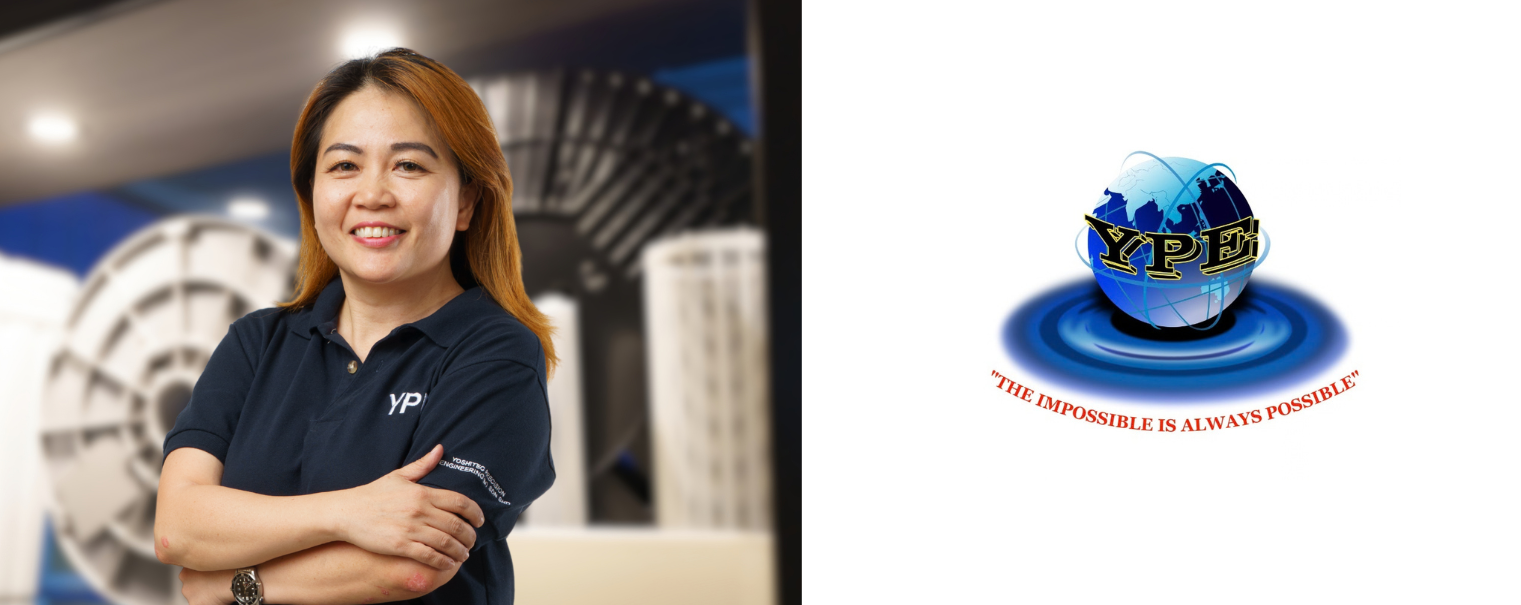
Vice President of Yoshitec – Elaine Soh.
They happen quietly inside factories: when production data begins informing decisions once driven largely by experience, when automation improves precision, and when manufacturers stop asking how cheaply something can be made and start asking how much value they can add.
In Mantin, Negeri Sembilan, Yoshitec offers a glimpse of that transition.
The plastic injection moulding manufacturer has spent 18 years building a business that today employs 131 people, generates approximately RM42 million in annual revenue and distributes globally. It holds ISO, Halal and medical-grade certifications and has developed the capabilities to support international companies, including global giant 3M.
But Yoshitec’s more interesting story is not how much it manufactures. It is what the company has decided to compete on.
Moving Away From Cheap
For decades, manufacturing competitiveness was largely defined by volume, efficiency and price.
That equation is changing.
There will almost always be another factory somewhere capable of quoting lower. Yoshitec has deliberately chosen not to enter that race, avoiding low-margin mass production in favour of higher-complexity and higher-value projects where engineering, reliability and technical execution matter.
It reflects a wider question confronting Malaysian manufacturers: rather than asking how much they can produce, should they be asking how difficult a problem they can solve?
For Yoshitec, that problem-solving begins before production.
Customers can arrive with little more than a sketch or product concept. An idea may look perfectly reasonable on paper but still be difficult, expensive or impossible to manufacture at scale.
Yoshitec works through mould design, material selection and production requirements to turn those concepts into market-ready products. Its growing turnkey capabilities extend through moulding and assembly, giving customers access to multiple stages of production through one manufacturing partner.
The manufacturer, in other words, is no longer simply receiving an order. It is increasingly helping determine how the product gets made.
Competing From Mantin
When Yoshitec began in 2009, it identified a gap between large multinational manufacturers focused on major accounts and smaller workshops that could not always handle technically demanding projects.
It positioned itself in the middle.
Since then, that market has become considerably more sophisticated. Product tolerances have tightened, documentation requirements have increased and suppliers are expected to comply with increasingly complex global supply-chain standards.
A factory may be located in Mantin, but the standard against which it is judged is international.
That reality has driven Yoshitec’s investment in Industry 4.0 capabilities, earning the company recognition through the Smart Manufacturing Award from the Ministry of Investment, Trade and Industry (MITI).
Its next phase includes deeper use of AI-driven quality systems.
In precision manufacturing, the value of such technology is practical. Detecting defects earlier reduces waste. Better production data improves decision-making. Automation increases consistency. Smarter quality systems can identify patterns before they become expensive problems.
The factory is no longer simply producing. Increasingly, it is learning from production.
Growing Without Becoming Slow
Technology, however, does not solve every scaling problem.
Growing to 131 employees has forced Yoshitec to introduce more formal management systems while attempting to preserve the agility of a smaller company.
It is a familiar dilemma. Structure creates discipline, but too much structure creates bureaucracy.
Yoshitec’s answer is to maintain what it describes as a “one-team” culture alongside stronger processes. Its internal YPE — Yes, Perfect, Excellent — ethos reinforces an emphasis on finishing details, quality and problem-solving.
When a customer presents a design that appears impossible, Yoshitec wants its engineers’ instinct to be: let’s figure it out.
As routine manufacturing becomes easier to automate and commoditise, that willingness to solve difficult problems could become increasingly valuable.
Less Waste, More Value
The reinvention extends to sustainability.
Yoshitec works around a straightforward principle: the best waste is no waste. It optimises plastic usage and recycles production scrap, recognising that sustainability and manufacturing efficiency increasingly overlap.
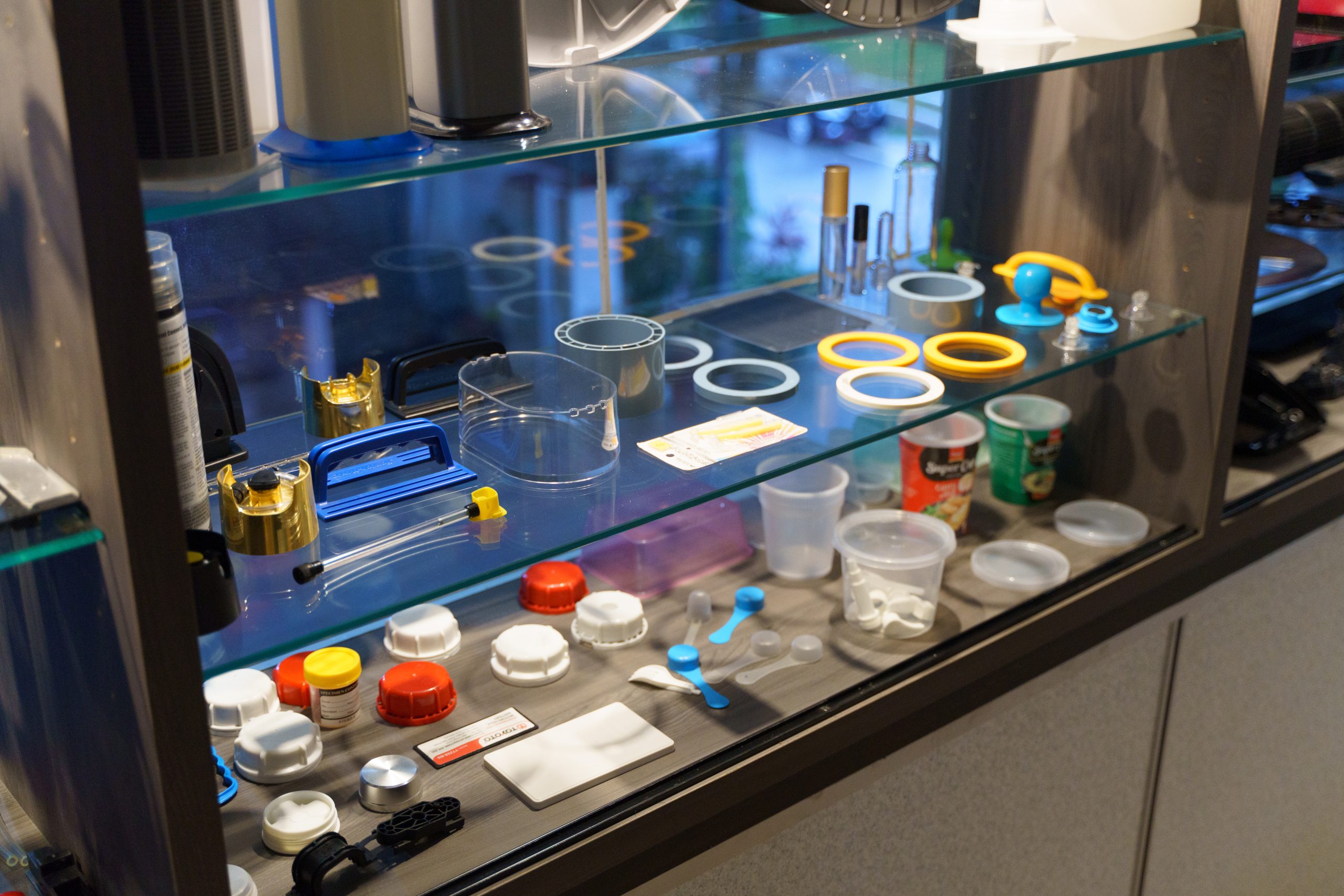
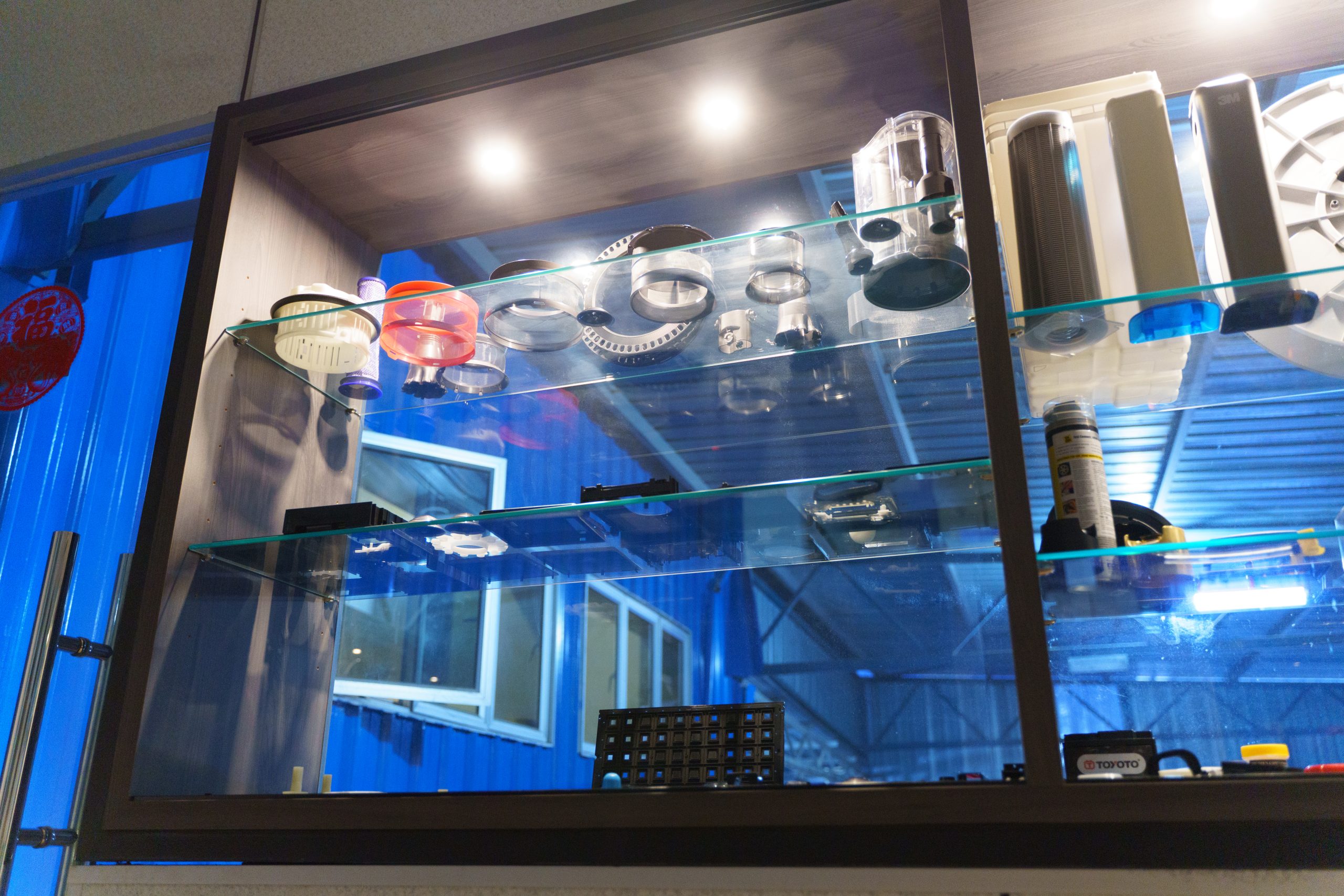
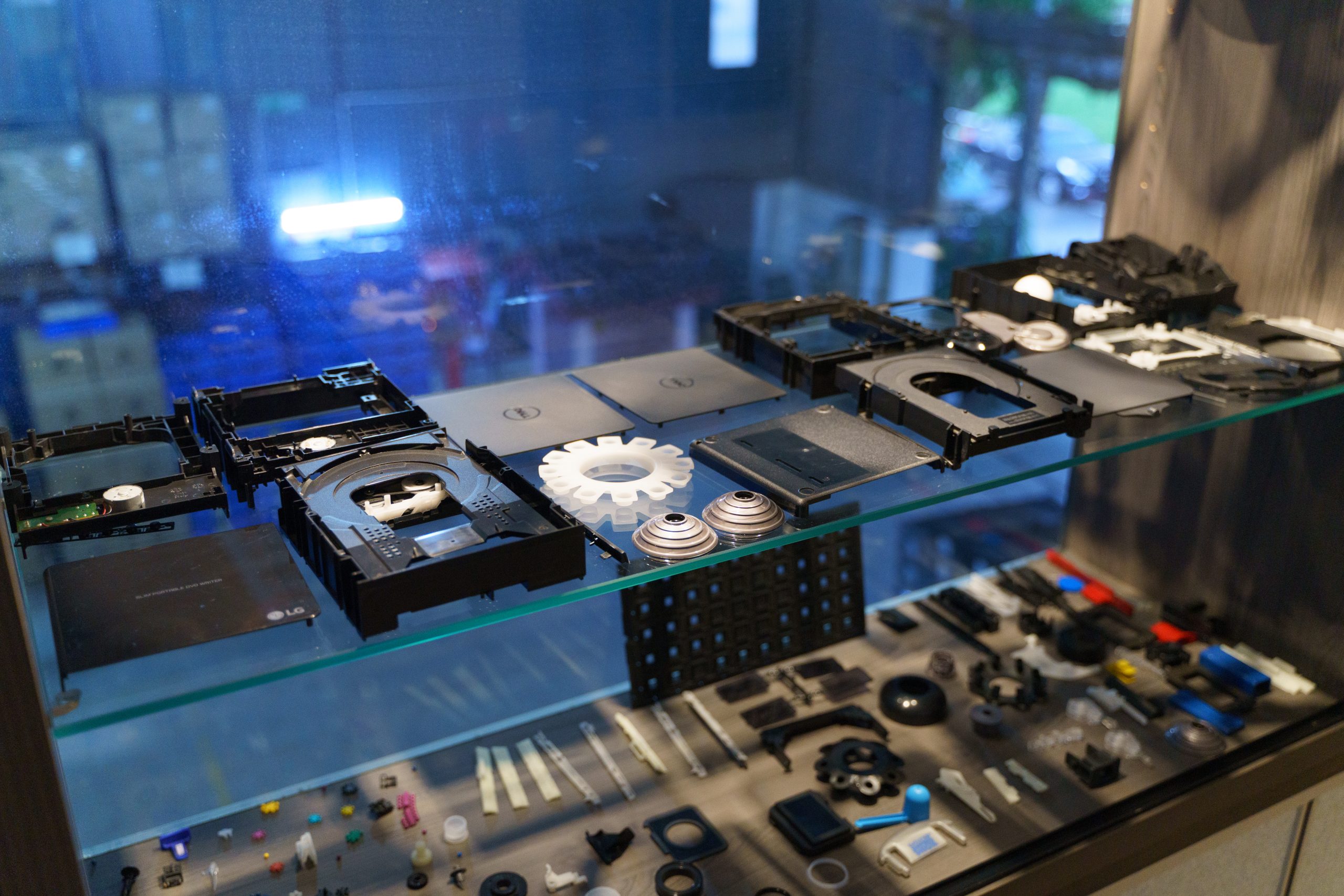
A rejected component represents wasted material, machine time, energy and labour. Producing more accurately therefore makes both environmental and commercial sense.
The company’s definition of responsible growth also includes people. Its team has volunteered with Pusat Jagaan Nur Hasanah, while internally Yoshitec maintains that expansion should not come at the expense of employee wellbeing.
Malaysia’s Bigger Manufacturing Opportunity
Yoshitec ultimately wants to become a benchmark for smart, sustainable precision moulding in ASEAN and help create an environment where global OEMs think of Malaysia when seeking sophisticated manufacturing partners.
That ambition points to a larger opportunity.
Malaysia’s next manufacturing advantage may not come from producing more for less. It may come from engineering expertise, automation, precision, integrated services and the ability to solve increasingly difficult production problems.
Yoshitec’s journey suggests that transition is already underway.
The factories are still here. The production lines are still running.
What is changing is the intelligence being built around them.
And much of Malaysia’s manufacturing reinvention is happening quietly — one factory, one engineer and one difficult problem at a time.