For Intotest, the next stage of growth rests on a delicate engineering challenge: retaining the flexibility that wins customers while building products that can be sold repeatedly. The Malaysian semiconductor automation company has built its proposition around specialised production requirements. Its ambition now is to turn more of that expertise into repeatable platforms, supported by an organisation capable of expanding beyond individual projects and key decision-makers.
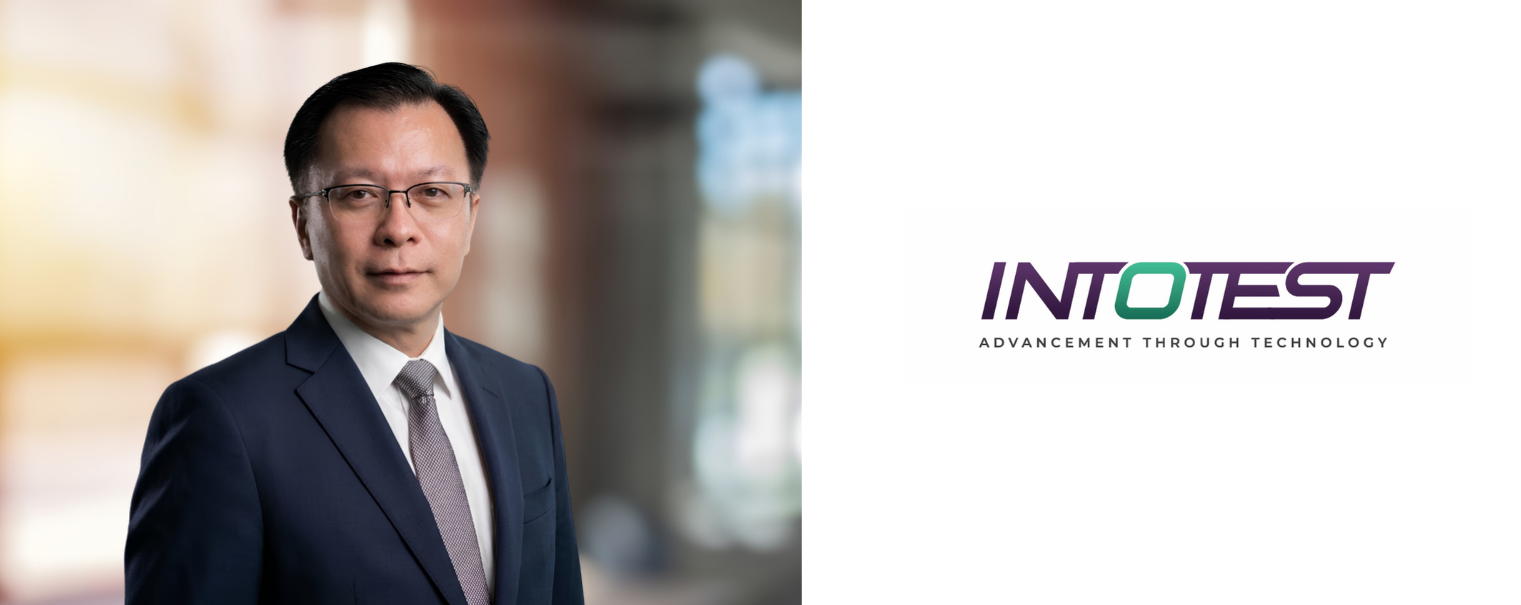
CEO of Intotest Sdn. Bhd. – Tan Kiat Jin.
Intotest designs and manufactures customised test handlers, laser marking equipment, X-ray inspection systems, pick-and-place machines and semiconductor handling systems. Serving manufacturers in Malaysia and international markets, it focuses on production problems that standard equipment cannot adequately address. Its value lies in combining engineering, automation and process knowledge to improve productivity, quality and consistency while reducing reliance on manual labour.
Finding Space Between Cost and Capability
The company identified an opening between expensive global equipment suppliers and lower-cost alternatives that might offer insufficient customisation or local support. Customers wanted competitive technology, but they also needed equipment adapted to their processes and engineers who could respond when production requirements changed.
That positioning places responsiveness at the centre of Intotest’s business model. Its engineers become involved early, helping customers define problems before committing to a machine specification. They study processes, question assumptions and refine proposed solutions around practical production requirements. This collaboration helps establish whether an engineering concept can work reliably on the factory floor.
As the semiconductor industry has matured, however, customer expectations have become more demanding. Speed, reliability and cost competitiveness must be delivered together. For Intotest, maintaining its position requires continuous improvements in both technical capability and project execution.
Making Expertise Repeatable
Changes in semiconductor packaging, rising automation requirements and pressure to reduce production costs shape the company’s investment decisions. Intotest assesses opportunities according to market potential, technical advantage and scalability, including whether development work can become a repeatable platform.
This is an important commercial distinction. A bespoke machine may solve an immediate customer problem, yet require substantial engineering effort that cannot easily be recovered through subsequent sales. A reusable platform offers the possibility of serving additional applications without restarting development each time.
Intotest is consequently becoming more selective about the work it accepts. Management defines growth through profitability, repeatable products, stronger leaders and reduced dependence on a small number of customers or individuals. Projects that introduce excessive customisation, weak margins or disproportionate operational pressure face greater scrutiny.
Over the past 12 to 18 months, this discipline has extended to development costs, design standardisation and the reuse of common components and platforms. The company says these measures reduce material waste, repeated engineering work and long-term support requirements. They also connect responsible resource use with the economics of building a more sustainable business.
Building an Organisation That Can Scale
The shift towards products and platforms requires an accompanying change in management. As Intotest expands, coordination and consistent execution have become harder to maintain through direct founder involvement.
Clear ownership, stronger middle management, measurable performance indicators and better communication across functions are becoming increasingly important. The leadership task is moving towards developing managers who can make decisions and remain accountable for delivery.
That transition matters because engineering flexibility depends on sound judgement across the business. Sales commitments, development priorities, production capacity and service obligations must remain aligned. As the organisation grows, those decisions require shared information and established responsibilities.
Intotest’s ambition is to become a stronger product and platform business with greater international reach. Achieving that will require it to preserve close customer relationships while making its engineering knowledge easier to reproduce across projects and markets.
Its next phase will therefore be measured by more than the sophistication of its machines. The stronger test is whether it can convert customised problem-solving into consistent products, dependable margins and management capacity that allows the company to grow beyond the daily involvement of its CEO.