KKR & Co’s Japan real estate arm is planning a major expansion in acquiring properties being divested by companies, targeting a market it estimates to be worth around ¥450 trillion (US$2.8 trillion).
The unit, KJRM Holdings, sees strong opportunities as Japanese firms increasingly offload non-core assets, including real estate, amid pressure from policymakers and investors to improve capital efficiency. Its president, Naoki Suzuki, said demand for such disposals is expected to remain robust over the next three to five years.
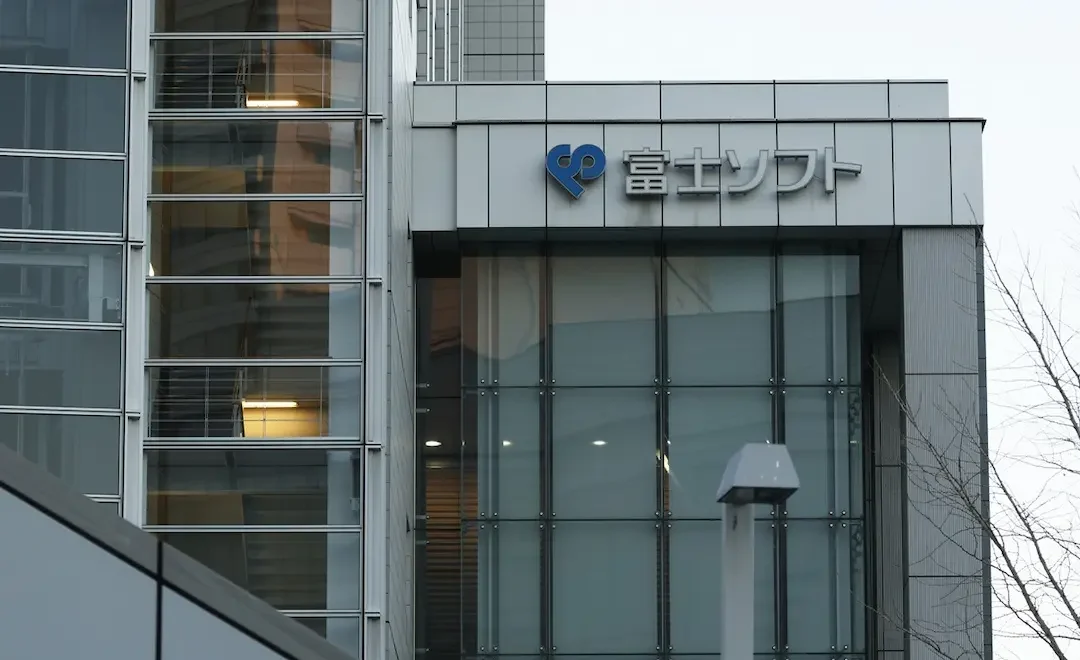
Fuji Soft Inc signage seen on the company’s headquarters building in Yokohama, Japan on Dec 24, 2024.
KJRM’s real estate portfolio grew 20% to about ¥2.53 trillion in 2025, placing it among the largest in Japan. The firm plans to further ramp up acquisitions of corporate divestment assets, although specific targets were not disclosed.
The push comes as the Tokyo Stock Exchange continues efforts to enhance shareholder returns, prompting companies to monetise underutilised property holdings. Historically, Japanese firms have maintained relatively high real estate exposure, with property accounting for about 12.6% of total assets — higher than in the US and UK.
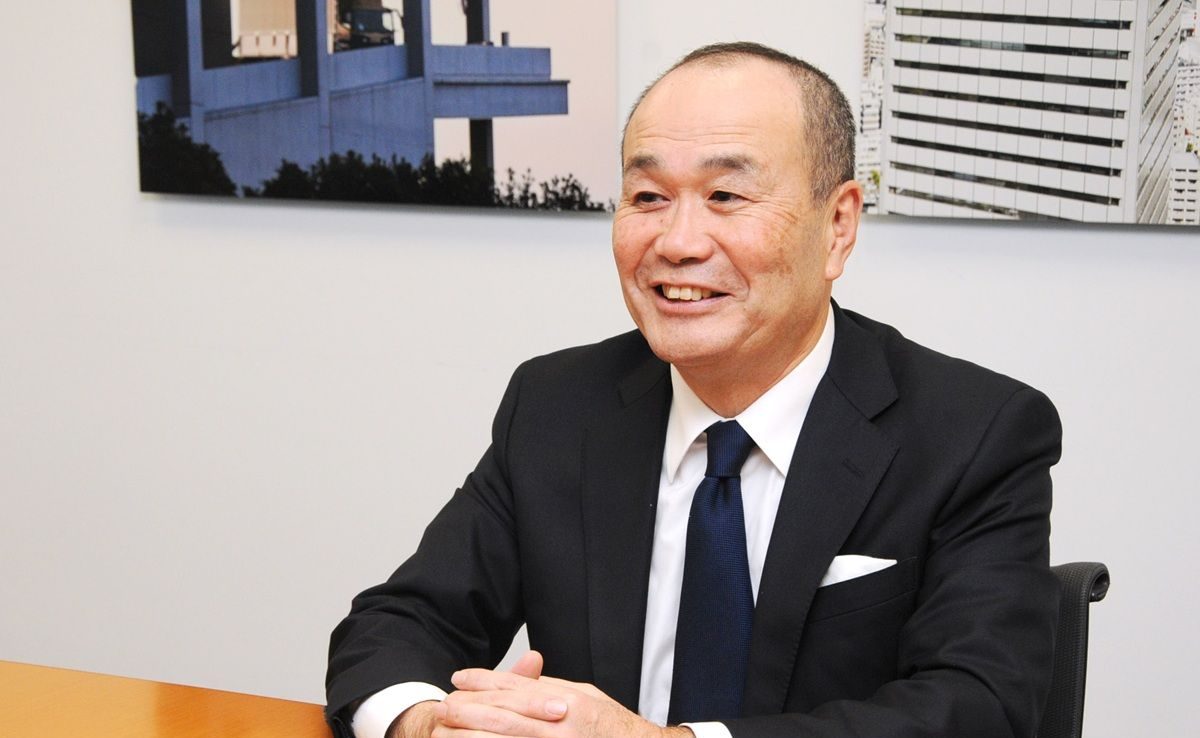
Suzuki noted that global investors are increasingly drawn to Japan’s property market due to its size, liquidity and relatively stable risk profile, particularly as geopolitical concerns dampen appetite for Chinese assets. He added that unless government bond yields rise sharply to around 3.5%–4%, the real estate sector is unlikely to face significant pressure from higher borrowing costs.
In recent years, more than half of the assets acquired by KJRM-managed REITs and private funds came from corporate disposals. These include the purchase of 14 office buildings from Fuji Soft Inc for about ¥68.7 billion, as well as over ¥200 billion worth of real estate tied to KKR’s acquisition of Logisteed Ltd in 2023.
While risks such as rising interest rates and property price fluctuations remain, Suzuki said rental growth could help offset higher costs. Moving forward, KJRM will focus on assets that are resilient to inflation and capable of generating stable cash flow, particularly in major cities such as Tokyo, Osaka and Nagoya.