When drilling stops, the cost keeps running. A problem thousands of metres underground can force an operator to pull an entire drill string from a well, consuming expensive rig time before work can resume.
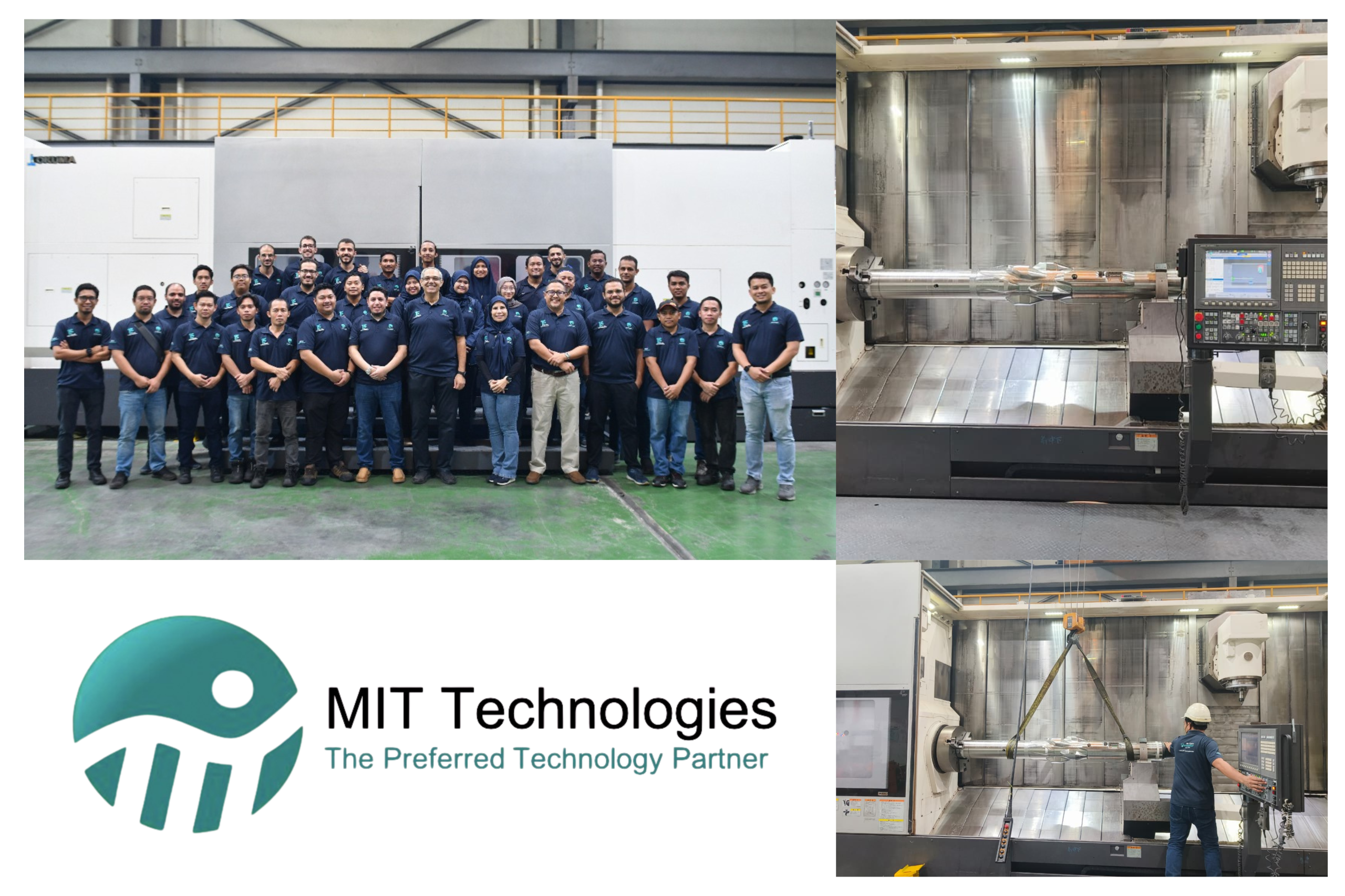
For MIT Technologies, those lost hours represent an engineering challenge and a commercial opportunity. The Malaysian company develops tools that help operators address problems downhole, reducing the need for lengthy trips back to the surface.
Its proposition is straightforward: save time on costly assets while helping clients operate more safely and responsibly. Its larger ambition is to establish Malaysian engineering as a credible choice in a field long associated with global technology suppliers.
Building From Malaysia
MIT Technologies, the trading name of MIT Innovation Sdn. Bhd., has operated since 2011. Based at MRANTI Technology Park in Kuala Lumpur, the Bumiputera company develops upstream oil and gas technology, including its iCWD, SWiFT and ECCO tools and supporting software.
It handles almost the entire development process internally, bringing engineering, prototyping, testing, precision manufacturing and quality control into its own facility.
That structure gives the company control over how quickly an idea becomes a working product and how improvements reach the field.
According to MIT, a design change can move from an engineer’s screen to manufacturing and testing within days. Keeping those capabilities together reduces dependence on external workshops and suppliers when a tool needs refinement.
For customers, the value lies in responsive development backed by manufacturing control.
From Local Alternative to Trusted Supplier
MIT initially identified an opening among operators with limited alternatives to established international technology providers.
A locally engineered product offered closer technical support and greater influence over improvements. But availability alone could not secure acceptance in demanding drilling operations.
The harder task was proving reliability under extreme conditions, where equipment failure can carry substantial operational consequences.
MIT says its technology is protected by patents in five countries and qualified with PETRONAS. The company holds ISO 9001:2015 certification and is working towards API Q1 certification.
Its reported industry recognition includes the OTC Spotlight Award in Houston, Japan’s Good Design Award and the PETRONAS VDP Innotech Award.
These credentials support its international ambitions. The decisive commercial test remains performance in the well: whether operators can depend on the equipment when time, cost and safety are at stake.
Making the Existing Operation Work Harder
MIT’s development approach centres on removing reasons for drilling to stop.
Its tools are designed to help resolve certain downhole problems without retrieving the drill string. ECCO addresses another source of additional operating time by capturing well information during drilling, rather than through a separate operation.
The company says ECCO is completing its final qualification, while iCWD has already demonstrated field performance.
Responsible engineering also influences product design. MIT has developed tools that can receive updates in the field, reducing the need to return equipment to its workshop.
The company says this required greater design effort and expense upfront. The intended benefits include less transportation, reduced downtime and continued improvement without repeated physical returns.
The Export Test
MIT’s next phase will combine international expansion with further technical development. Alongside ECCO’s qualification and its API Q1 certification work, the company is preparing the next generation of its digital platform.
Supporting clients across more markets will require broader service capabilities, stronger systems and a growing engineering team.
Talent development is therefore central to its plans. MIT gives young engineers responsibility on substantive projects, seeking to build expertise in Malaysia that can support increasingly demanding work.
Expansion also creates a management challenge. The close interaction between engineers, manufacturing teams and clients has helped the company respond quickly. Preserving that responsiveness across markets and time zones will require deliberate coordination.
MIT’s ambition is to become a supplier global operators select routinely. To achieve that, it must make its Malaysian development base the foundation of an international business, with service capabilities equal to the technology it builds.