Malaysia’s Visit Malaysia 2026 (VM2026) campaign could face challenges due to escalating geopolitical tensions in the Middle East and shifting global sentiment, according to TA Research.
The campaign, which targets 47 million international arrivals and RM329 billion in tourism receipts, may be affected by rising geopolitical risks, softer global demand, and inflationary pressures, particularly impacting long-haul and high-spending travellers.
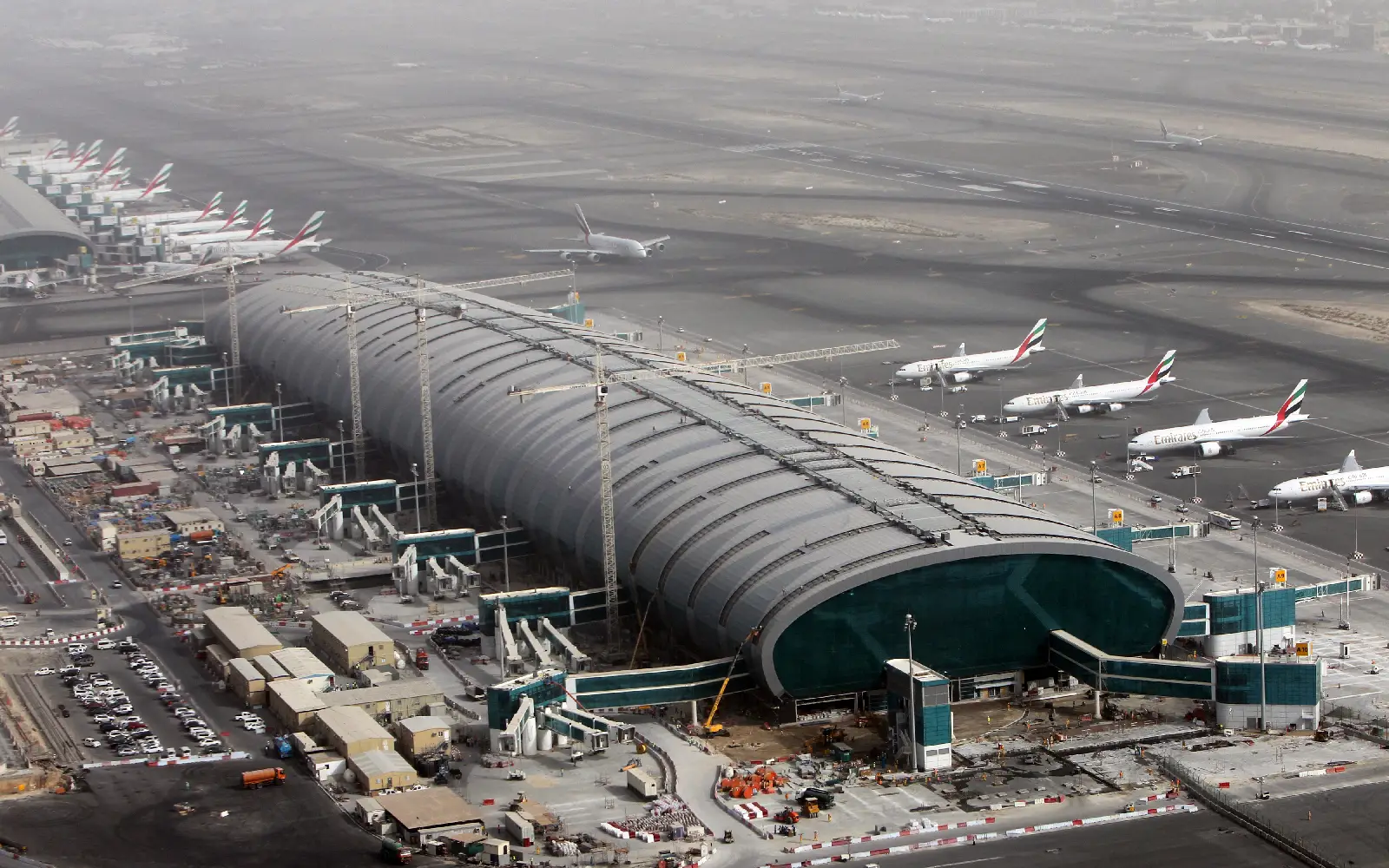
Since US-Israel strikes on Iran began on Feb 28, more than 37,000 flights to and from the Middle East have been cancelled.
TA Research noted that although visitors from the Middle East make up only about 0.4% of total arrivals (around 162,000 tourists), disruptions in the region could have wider indirect effects. Key transit hubs in the Middle East are crucial for travellers from Europe and other long-haul markets, and any disruption or higher travel costs could reduce arrivals from these segments.
“The potential shortfall of two to three million visitors is likely due to indirect spillover effects rather than the Middle East market alone,” the research house said.
It highlighted that past geopolitical events have impacted tourism significantly. During the Iraq War in 2003, Malaysia’s tourist arrivals dropped to 10.5 million from 13.2 million the previous year, contributing to a 17.4% decline in tourism receipts, compounded by the SARS outbreak.
Current developments are also affecting travel conditions, including flight cancellations, reduced seat capacity, longer travel routes, and rising airfares. Since late February, more than 37,000 flights to and from the Middle East have been cancelled, removing about 4.4 million seats and disrupting major transit hubs such as Dubai, Doha, and Abu Dhabi.
Additionally, travel advisories issued for several Middle Eastern countries have further increased uncertainty, while the closure of the Strait of Hormuz has pushed up jet fuel prices, leading to higher ticket costs.
Despite these challenges, TA Research said strong regional demand from **Asia—particularly Singapore, Thailand, Indonesia, China, and India—**along with domestic tourism, is expected to help cushion the impact on Malaysia’s tourism sector.