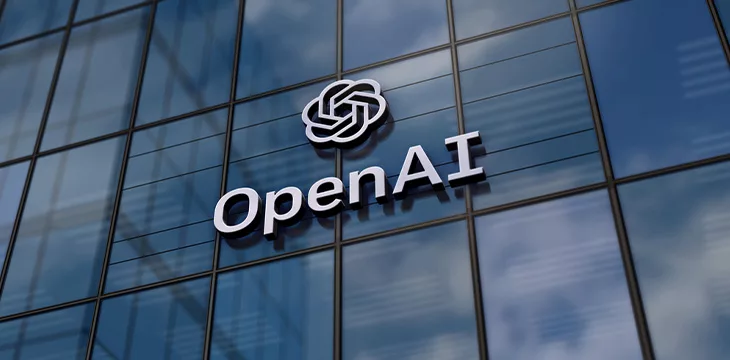
OpenAI has completed a US$122 billion funding round, giving the AI developer a valuation of US$852 billion — its largest fundraising to date. The injection of capital will support the company’s aggressive expansion in chips, data centres, and talent acquisition.
The bulk of the financing came from three major tech companies: Amazon invested US$50 billion, while Nvidia and SoftBank Group each contributed US$30 billion. A significant portion of Amazon’s investment — US$35 billion — is contingent on OpenAI going public or achieving the technological milestone of artificial general intelligence. Other investors include Andreessen Horowitz, Abu Dhabi’s MGX, DE Shaw Ventures, TPG, and T Rowe Price. OpenAI’s valuation reflects the total capital raised in the round.
The funding round is one of the largest transactions in history, surpassing not only previous private startup rounds but also major acquisitions and IPOs. It highlights the global appetite for AI technology, seen as transformative for industries and economies alike. OpenAI also raised over US$3 billion from individual investors through banks and will be included in exchange-traded funds managed by Cathie Wood’s Ark Invest, offering wider exposure to the company.
OpenAI CFO Sarah Friar described the funding as surpassing even the largest IPOs ever conducted, providing the company with flexibility to invest in computing infrastructure and its AI roadmap amid broader market uncertainties, including geopolitical tensions. The company has pledged to spend over US$1.4 trillion on physical infrastructure in the coming years, while partnerships with cloud and chip providers like Amazon and Nvidia will support this expansion.
The company is currently generating US$2 billion in monthly revenue, with enterprise clients now accounting for 40% of revenue — a figure expected to reach 50% by year-end. OpenAI has also introduced advertising in ChatGPT, generating US$100 million in annualized revenue within six weeks.
In product updates, OpenAI is consolidating its offerings by discontinuing support for the Sora AI video generator and developing a desktop “SuperApp” to combine its chatbot, coding tool, and web browser into a single platform. CEO Sam Altman said this reorganisation also allows the company to better integrate security and safety teams and focus on infrastructure projects and capital raising.