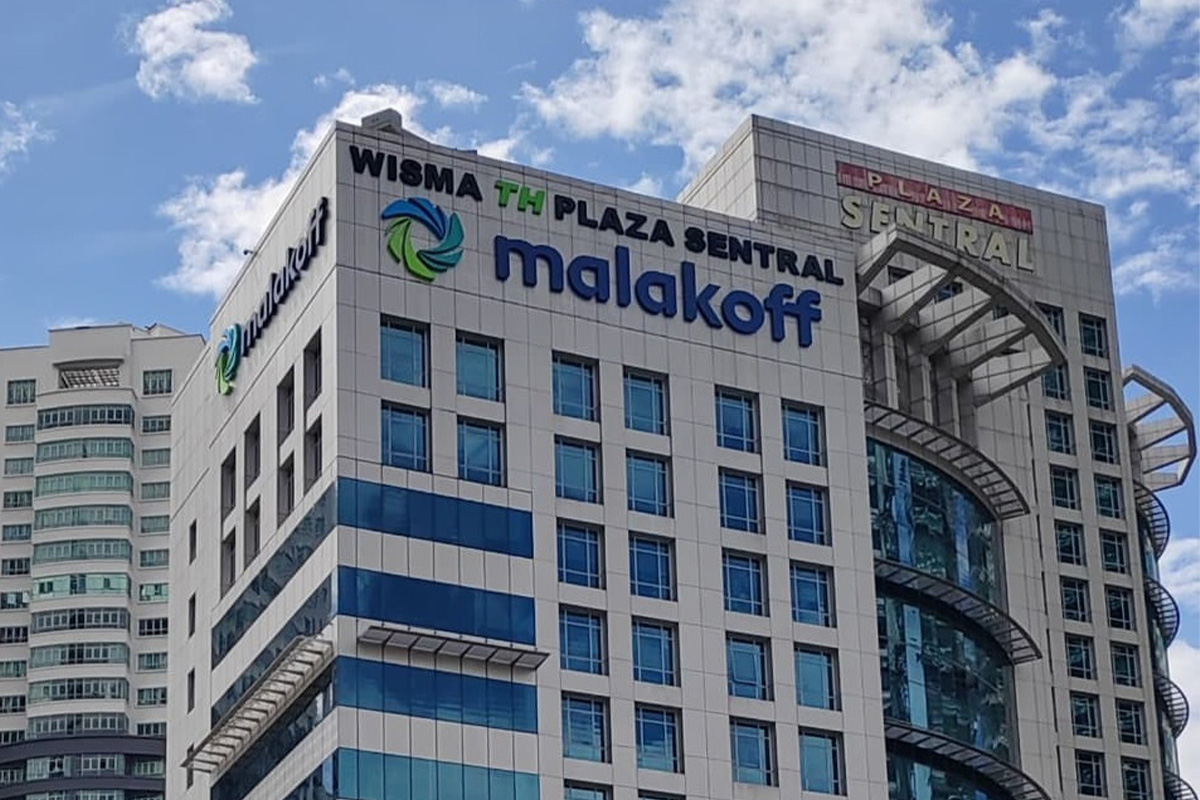
Panama’s top court has ruled that the contract allowing Hong Kong tycoon Li Ka-shing’s CK Hutchison Holdings Ltd to operate two ports near the Panama Canal is unconstitutional, creating fresh uncertainty over the conglomerate’s long-standing plan to sell the facilities.
The ruling, announced Thursday via the court’s Instagram account, rattled investors. CK Hutchison shares plunged as much as 5.7% in Hong Kong trading on Friday, marking their steepest drop since April.
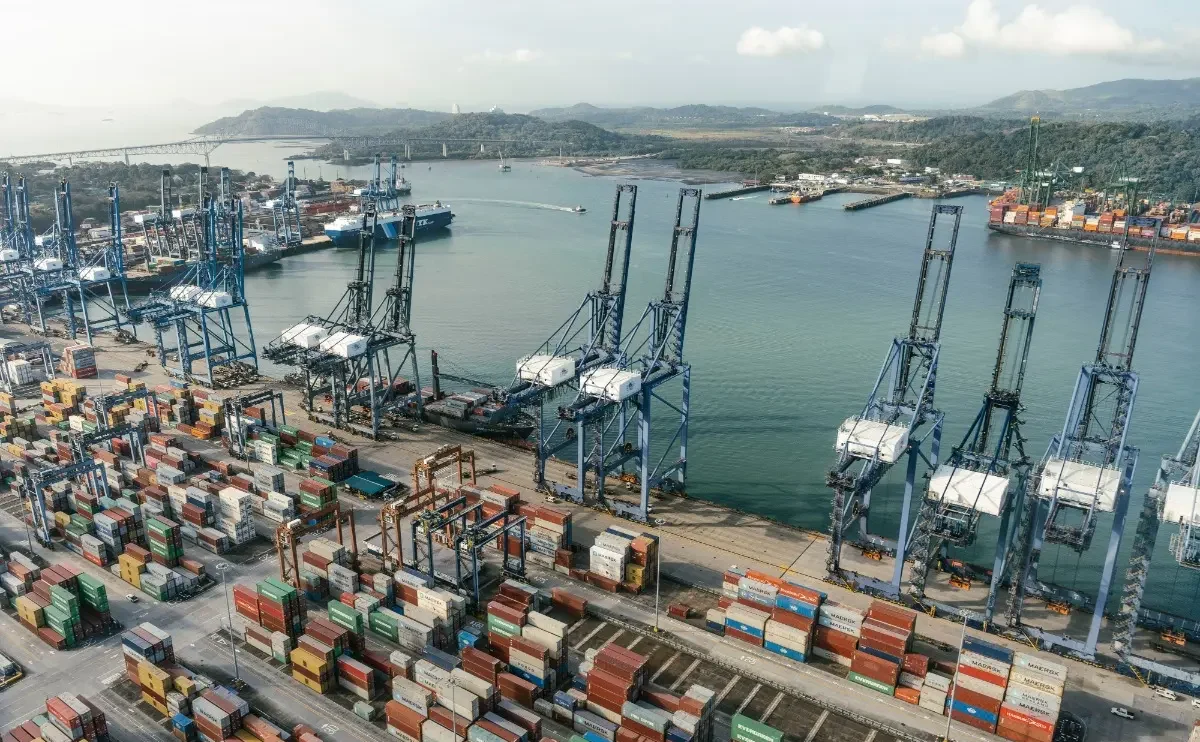
CK Hutchison’s local unit, Panama Ports Co, said it has not yet received formal notification of the decision but argued the ruling contradicts the legal framework governing its operations at Balboa and Cristobal ports. The company called for coordination with the government to avoid disruptions and protect the concession, while reserving all legal options.
The ports have long been a geopolitical flashpoint. Former US President Donald Trump has criticised perceived Chinese influence over the canal and threatened US intervention, while Panama’s President Jose Raul Mulino has repeatedly stressed the country’s full sovereignty over its operation. CK Hutchison began operating the ports in 1997, with a contract extension granted in 2021.
The legal challenge was initiated last year by Panama’s Comptroller Anel Flores, who alleged that the extension cost Panama more than US$1 billion (RM3.9 billion) in lost tax revenue and that Panama Ports Co failed to obtain proper approvals.
Following the verdict, CK Hutchison has limited options. It may request clarification from the court but cannot appeal the decision. International arbitration remains a possible route. Meanwhile, Panama Ports Co will continue operating the facilities until the legal clarification process, which could take several weeks, is completed.
The ports are part of CK Hutchison’s plan to sell its 43 global terminals to a consortium led by Italian billionaire Gianluigi Aponte’s Terminal Investment Ltd and US investment firm BlackRock Inc. To secure Beijing’s approval, the company last year invited state-owned China Cosco Shipping Corp to join the buyer consortium.
Analysts said the ruling is likely to reduce the valuation and proceeds from the port deal but is unlikely to derail the broader divestment. Panama contributes under 10% of CK Hutchison’s overseas port throughput, and the company may now complete the sale in separate parcels, adjusting ownership to reduce geopolitical and regulatory risks.
“The Panama ruling will trim CK Hutchison’s port-deal valuation, though it was largely expected given prior legal and political signals,” said Bloomberg Intelligence analyst Denise Wong. “A parcel-based sale structure means the company can still likely complete most divestments and secure meaningful cash inflows.”
The decision is not unprecedented. Governments have previously terminated private or foreign concessions for public infrastructure projects. Last year, Panama reclaimed land from a Chinese company that failed to build a port as required. Similarly, Egypt’s Damietta Port Authority revoked a concession in 2015, with compensation later settled after international arbitration.
“There is a long history of states reclaiming control of ports and other infrastructure from private operators,” said Winston Ma, adjunct law professor at New York University. “Concession contracts typically reserve the right for governments to terminate for cause or public interest.”