For Physiogo, rehabilitation is not simply about treating an injury. It is about restoring something more fundamental: a person’s ability to move confidently, remain independent and participate fully in everyday life.
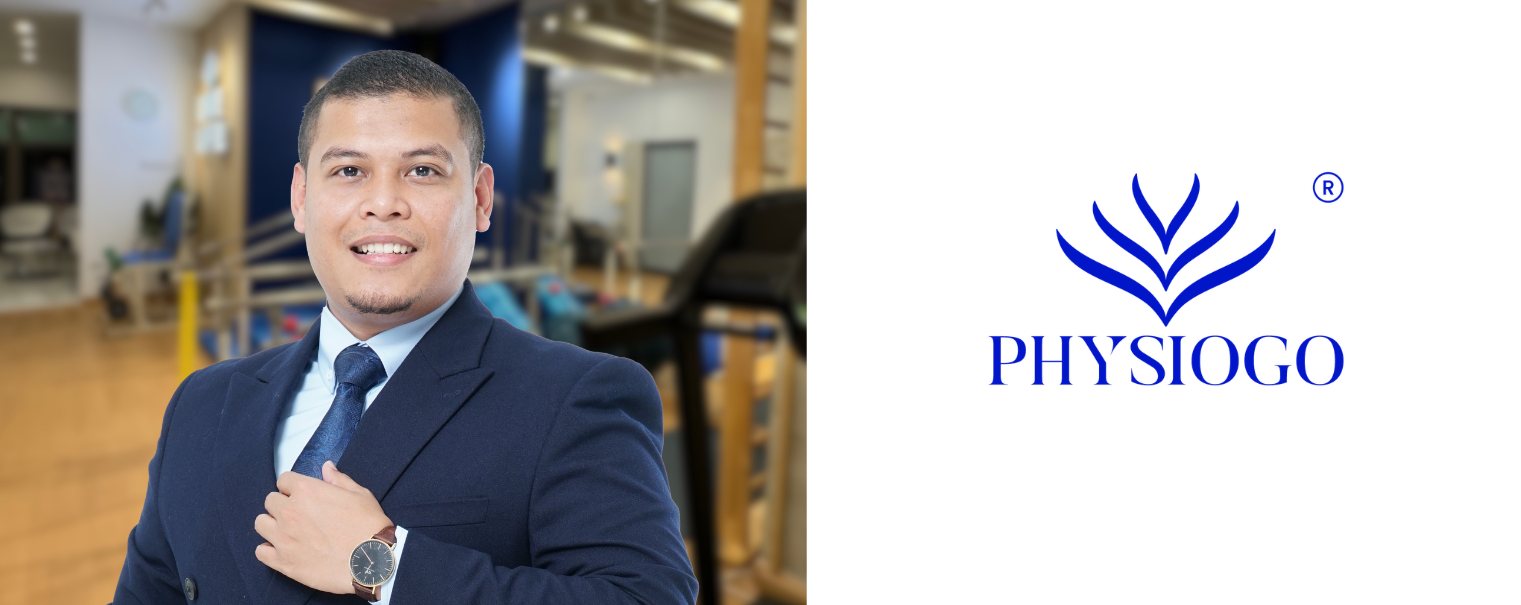
Founder of Physiogo Sdn Bhd – Arif Yusuf.
That philosophy is shaping the company’s evolution as it looks at rehabilitation as part of a wider approach to preventive care, recovery and long-term movement health.
Physiogo serves a diverse patient base—from athletes recovering from injuries and working professionals managing musculoskeletal conditions to older adults seeking to preserve mobility and independence. Across these groups, the objective remains consistent: helping people regain function and return to the activities that matter to them.
Meeting a Growing Healthcare Need
The role of rehabilitation is becoming increasingly relevant as lifestyles and demographics evolve.
Sedentary behaviour, musculoskeletal conditions and an ageing population are contributing to greater demand for services that support mobility and independence. At the same time, patients are becoming more conscious of preventive healthcare and are seeking evidence-based, non-invasive approaches to managing physical limitations.
Physiogo sees an opportunity to make rehabilitation more accessible while changing perceptions of when and why people seek movement care.
Its strategic decisions are guided by three considerations: patient impact, operational efficiency and long-term sustainability. Investment is being directed towards expanding service capabilities, developing healthcare professionals, adopting digital solutions and strengthening partnerships with corporations, educational institutions and community organisations.
Growing Without Compromising Care
For Physiogo, growth is not simply measured by the number of locations it operates or the revenue it generates.
The company defines progress through its ability to reach more people while maintaining clinical standards, patient experience and quality of care. It deliberately avoids volume-driven expansion or short-term commercial opportunities that could compromise personalised treatment or professional standards.
Maintaining that discipline becomes more challenging as the organisation grows.
In its earlier stages, communication was direct and leadership had close visibility over daily operations. With scale comes greater complexity in maintaining consistent clinical standards, operational efficiency and organisational culture across different locations.
Talent development has consequently become an important priority. Recruiting skilled professionals is only part of the equation; Physiogo also invests in structured training, mentorship and continuous professional development to maintain a consistent evidence-based and patient-centred approach.
The company has gradually shifted from a founder-driven operating model towards a more structured organisation supported by standardised procedures, clearer governance, performance monitoring and stronger management capabilities.
Designing Rehabilitation Around Modern Life
One of Physiogo’s more distinctive approaches is how it considers the rehabilitation experience itself.
Its clinics are deliberately designed to feel contemporary, aesthetically considered and aligned with modern lifestyles rather than resembling a conventional medical environment.
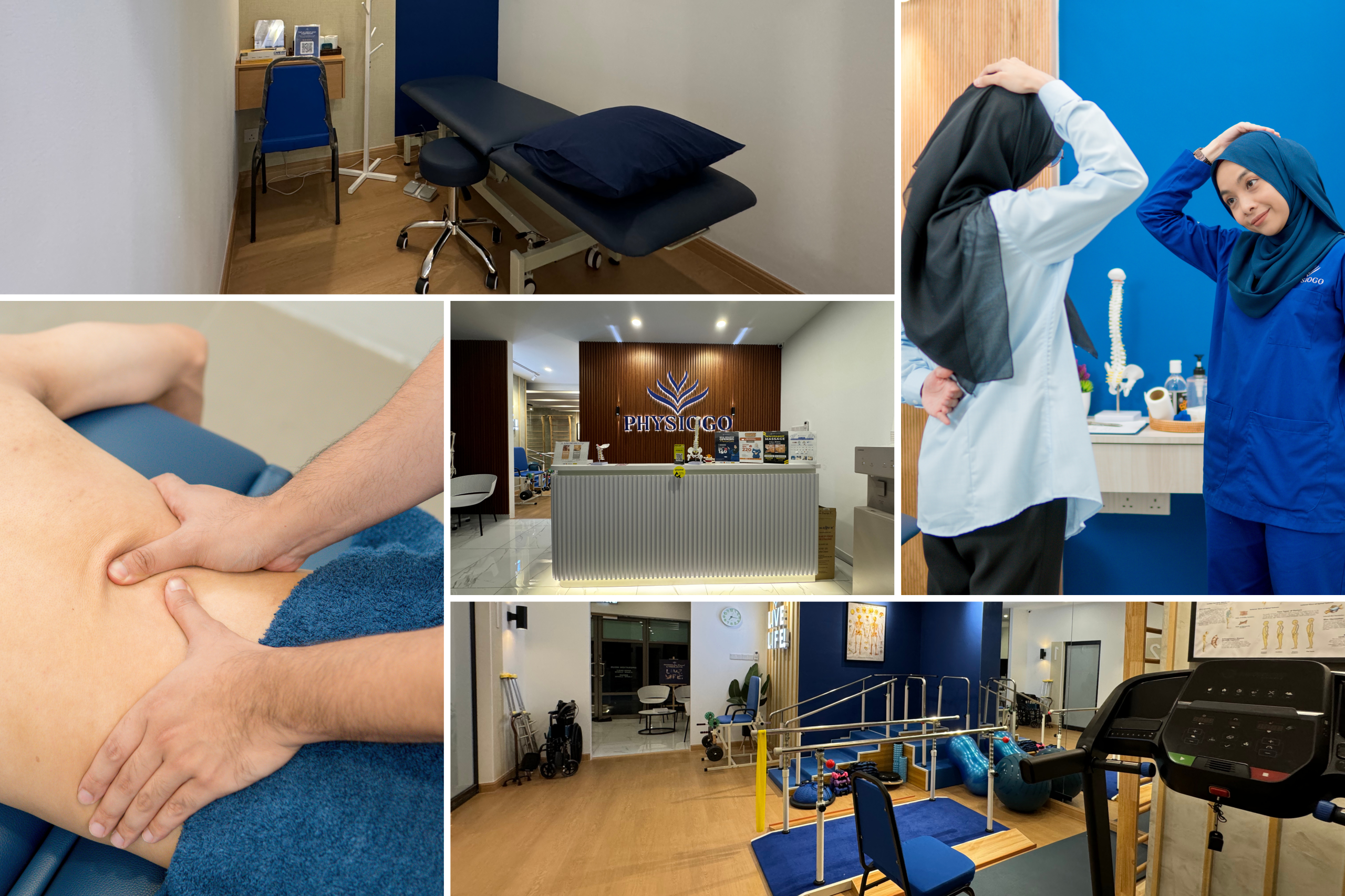
The thinking is practical as much as visual. Rehabilitation often requires repeated visits and sustained commitment. Creating an environment patients feel comfortable returning to can contribute to engagement, treatment adherence and the overall experience of recovery.
Behind the physical environment sits a less visible layer of clinical discipline.
Assessment, individual treatment planning, outcome monitoring and collaboration between therapists form part of each patient’s journey. Physiogo focuses on understanding a person’s condition alongside their lifestyle, objectives and challenges before developing a rehabilitation programme.
This is supported by a culture of continuous learning, with therapists sharing knowledge, reviewing clinical outcomes and incorporating evidence-based practices into patient care.
For Physiogo, the combination of clinical expertise, empathy and experience is an important differentiator.
Building a Wider Healthcare Role
The company’s next phase is centred on becoming an integrated rehabilitation and movement healthcare provider, with a greater role across preventive care, recovery and long-term wellness.
Rather than limiting its relationship with patients to individual treatment sessions, Physiogo sees opportunities to create a wider ecosystem connecting clinical care with technology, corporate wellness, community outreach and education.
Collaborations with corporations, insurers, educational institutions and healthcare partners are expected to form part of this development, potentially extending access to rehabilitation services to a broader population.
Achieving that ambition will also require continued internal transformation.
Physiogo is strengthening its leadership pipeline, digital capabilities, data-driven decision-making and organisational systems to support consistent service delivery as it expands. The larger the organisation becomes, the more its performance will depend on strong people, processes and culture rather than individual effort.
The direction reflects a wider shift in how rehabilitation can fit into modern healthcare. Movement care need not begin only after an injury or when physical limitations become severe. It can increasingly form part of how people manage their health, mobility and independence throughout different stages of life.
For Physiogo, that is where the opportunity lies: making rehabilitation more relevant to the way people live today, while building an organisation capable of supporting how they want to live tomorrow.