When a machine stops working, the problem rarely stays with the machine. A construction crew may lose hours, a warehouse may fall behind schedule, or a production team may have to reorganise its work. For companies that depend on access and material handling equipment, a quick response can be as valuable as the equipment itself.
That is the opportunity LM Equipment Sdn Bhd has built its business around. Established in 2021, the Malaysian company rents, sells and maintains Mobile Elevating Work Platforms (MEWPs), material handling equipment and industrial access solutions. Its customers span construction, manufacturing, semiconductors, logistics, warehousing and infrastructure.
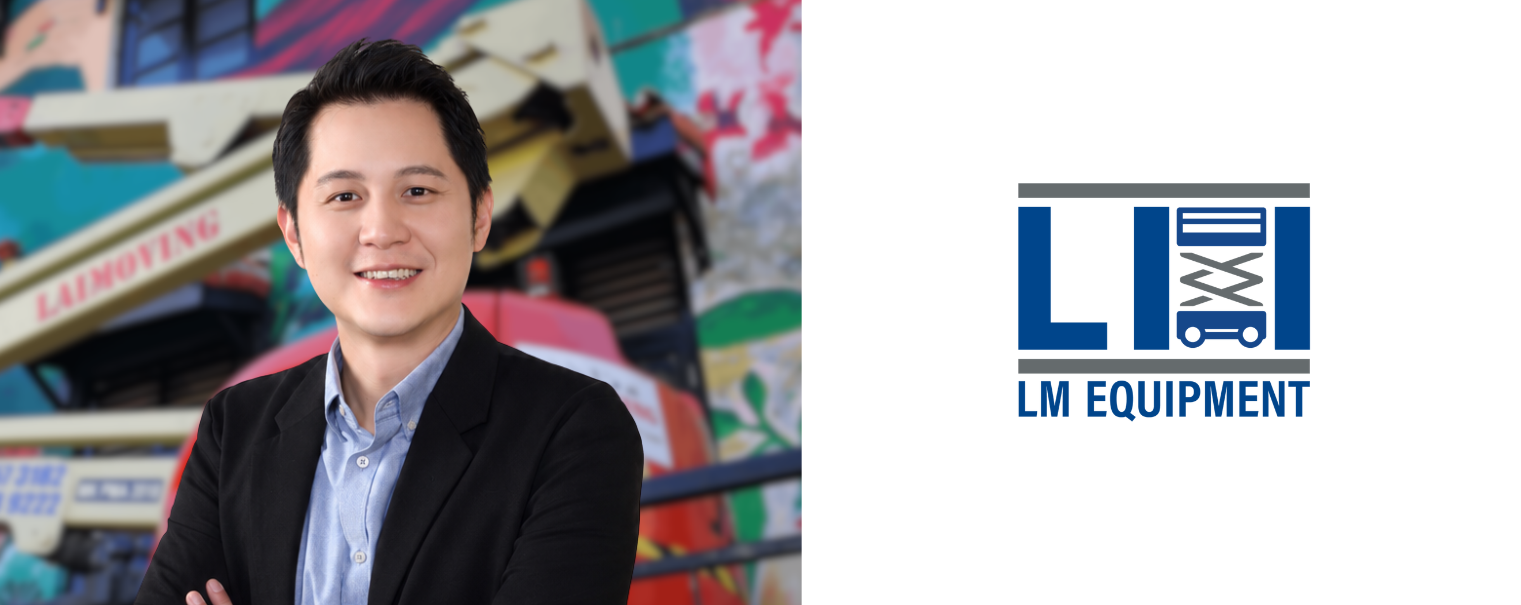
Sales Manager of LM Equipment Sdn. Bhd. – Jeffrey Lim.
“We often say that we are in the equipment business, but in reality, we are in the business of keeping industries moving,” the company says.
Supplying a machine is only the beginning. Customers also need it to arrive in working condition, perform safely and receive technical attention when something goes wrong. LM Equipment has made service reliability and response capability central to its offer.
That focus grew out of a gap it saw in the market. Businesses could source equipment, but many wanted a supplier that would remain accountable after delivery. As pressure to improve productivity and workplace safety has increased, expectations have become more demanding. Customers now look for well-maintained fleets, faster communication and support that helps them avoid disruption before it happens.
Much of that work is invisible. LM Equipment says every machine undergoes preventive maintenance and a pre-delivery inspection. Behind each rental are technical planning, fleet monitoring and a process for responding to breakdowns. These routines may attract less attention than a new piece of machinery, but they shape the experience customers remember when deadlines are tight.
The company is also using digital tools to manage a growing operation. Fleet and rental management systems help it track equipment, monitor performance and coordinate service. GPS monitoring supports logistics planning, reducing unnecessary travel while helping teams make better use of available assets. Online communication and process automation are intended to make the customer experience more efficient.
Expansion, however, brings a familiar challenge: the habits that work in a small team do not always survive a larger one. LM Equipment has introduced standard operating procedures, KPI monitoring and regular management meetings to make service more consistent as it grows. Its leadership is shifting from direct oversight of daily tasks towards developing teams that can make sound decisions themselves.
That discipline also guides where the company invests. Decisions about adding equipment or entering a new market are assessed against customer demand, fleet utilisation and long-term returns. LM Equipment wants to expand into key industrial regions, but says it will avoid growth that weakens service quality or financial discipline.
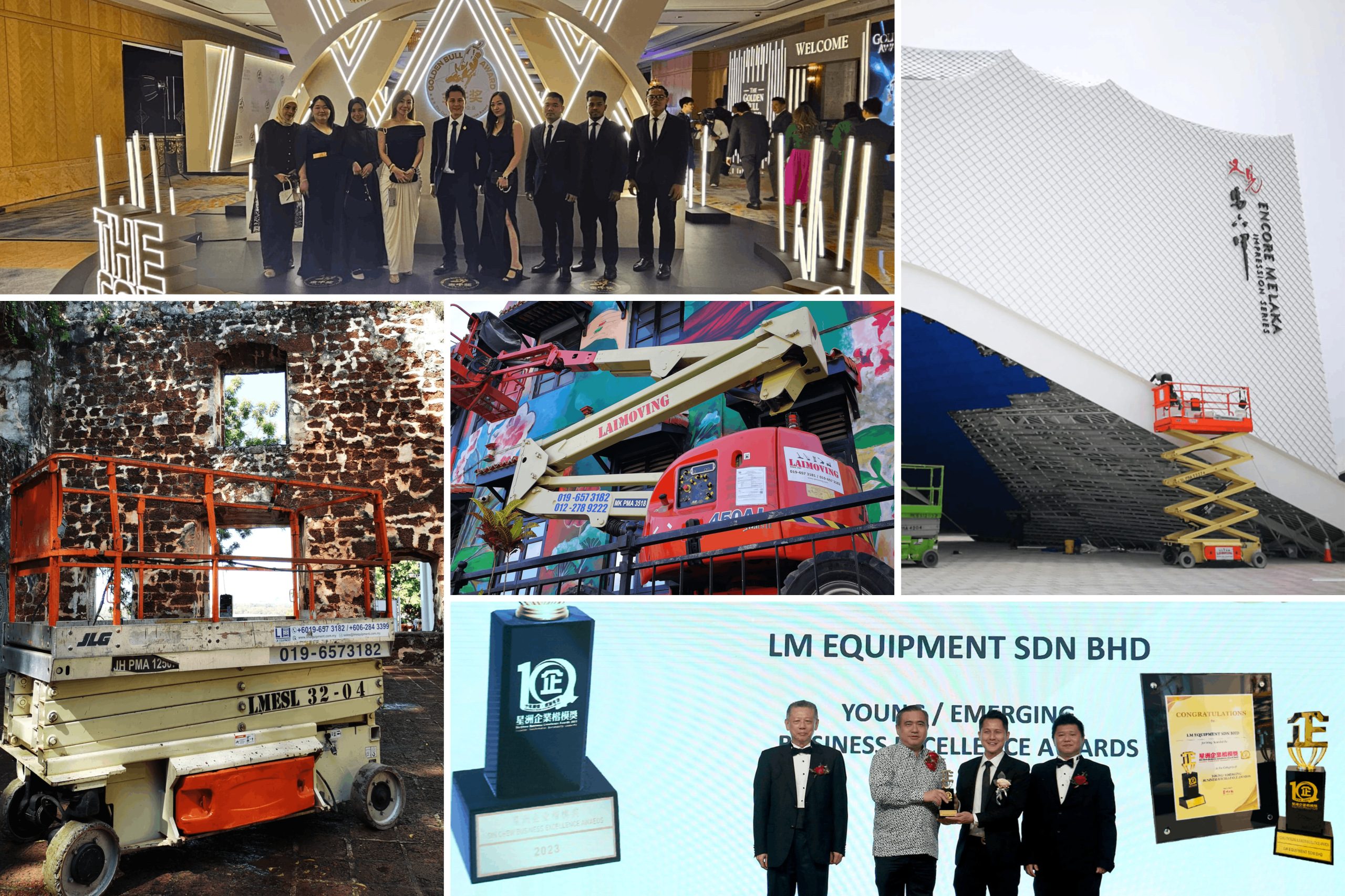
Its approach to sustainability follows the same practical logic. Digital processes reduce paper use, while maintenance and refurbishment help extend the useful life of equipment. Better fleet and transport planning can also limit unnecessary journeys. For LM Equipment, using resources carefully is part of running a stronger business.
The ambition is to become a leading one-stop equipment solutions provider for Malaysia’s industrial and construction sectors. That will require a larger fleet and stronger technical capabilities, alongside continued investment in people and management systems.
LM Equipment’s next test is whether it can preserve its responsiveness as its reach expands. In industries where delays carry a real cost, dependable service is more than a selling point. It is what allows customers to keep working.