Vantris Energy Bhd, formerly known as Sapura Energy, is shifting its strategy from chasing large-scale contracts to focusing on profitability and cash flow as it works towards exiting PN17 status by the financial year ending Jan 31, 2027.
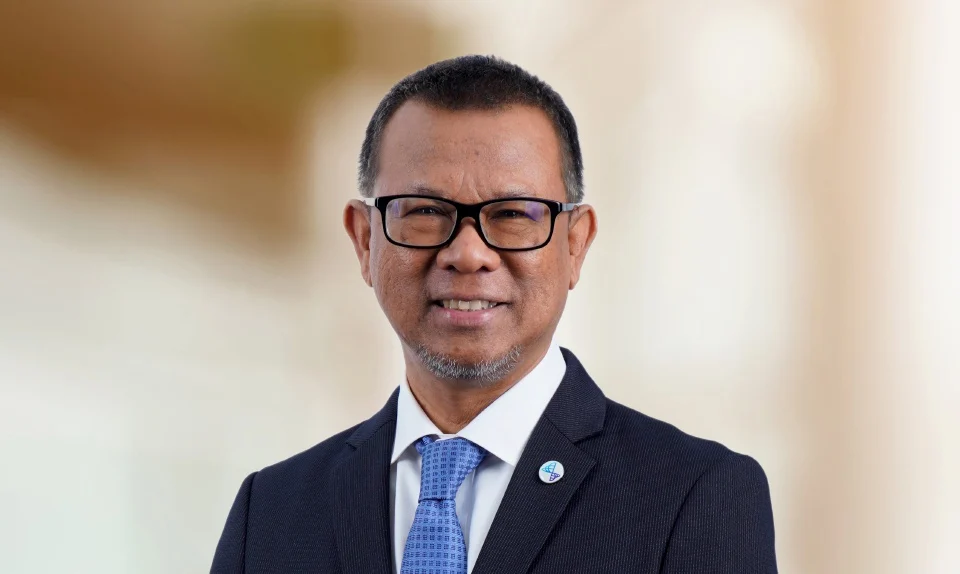
Vantris Energy group chief executive officer Muhammad Zamri Jusoh.
Once Malaysia’s largest integrated oil and gas services group, the company had pursued complex EPCIC projects that boosted revenue but weakened margins. Combined with heavy borrowings, legacy losses, and an industry downturn, this led to financial distress and its PN17 classification.
Under group CEO Muhammad Zamri Jusoh, who took office in January 2025, the company has adopted a more disciplined approach.
“We are now very selective. The most important things are margins and cash flows,” Zamri said.
Major Financial Restructuring
A comprehensive restructuring completed in September 2025 reduced borrowings from RM10.8 billion to RM5.6 billion, including RM784.3 million in debt forgiveness. Annual debt servicing costs fell sharply from over RM800 million to about RM250 million.
Banks converted part of their debt into equity instruments, resulting in creditors holding about 40% of the company post-restructuring. The turnaround was further supported by RM1.1 billion in fresh funding via redeemable convertible loan stocks from Malaysia Development Holding Sdn Bhd, owned by the Ministry of Finance Inc.
If fully converted, the funding vehicle could become the largest shareholder with a 35.92% stake. Meanwhile, existing shareholders such as ASNB and the Shamsuddin brothers saw their stakes diluted.
Rebuilding Operations and Order Book
Following the restructuring, Vantris paid RM1.1 billion to over 1,400 local vendors, fulfilling earlier commitments and helping rebuild trust within its ecosystem.
As at Oct 31, 2025, the group’s order book stood at RM6.3 billion, mainly from drilling (47%), engineering and construction (29%), and operations and maintenance (24%). Recent contract wins worth RM1.4 billion from PETRONAS have lifted the order book above RM7 billion, providing earnings visibility for the next three years.
The group is also shifting focus closer to home, reducing exposure to the western hemisphere to 12%, while 88% of its RM28.9 billion tender book is now in the Asia-Pacific region.
Improving Margins and Risk Management
Most projects over the past 15 months have delivered positive margins, except for the Angola project, which is nearing completion.
New contracts are increasingly structured on day-rate or reimbursable terms, lowering risk compared to past lump-sum EPCIC projects. The company has also introduced mechanisms to manage cost fluctuations, such as sharing fuel cost changes with clients.
Vantris operates nine active drilling rigs and 12 offshore construction vessels, with strong operational performance and over 99% technical utilisation year-to-date.
Challenges Ahead
Despite improvements, Vantris remains under PN17 and currently has no access to working capital or bank guarantee facilities, requiring it to self-fund operations. To exit PN17, the group must record two consecutive profitable quarters.
Management is targeting a PN17 exit by FY2027.
“We are watching our business like a hawk. No room for error,” Zamri said.
The group continues to divest non-core assets to strengthen liquidity, including the recent US$30.5 million sale of its stake in an Indian joint venture.
Looking ahead, Zamri remains cautiously optimistic about the oil and gas sector, citing sustained investment by major oil companies despite market volatility.