A development can have hundreds of trees and still be a poor substitute for the ecosystem it replaced. That distinction is becoming a business issue for developers under pressure to show what their environmental commitments achieve on the ground.
Forest House Sdn Bhd has built its next chapter around that question. Incorporated in 2004, the company began in conventional landscaping before moving into urban forest integration, biodiversity conservation and sustainable landscape planning. It now works with developers to make native species part of commercial projects.
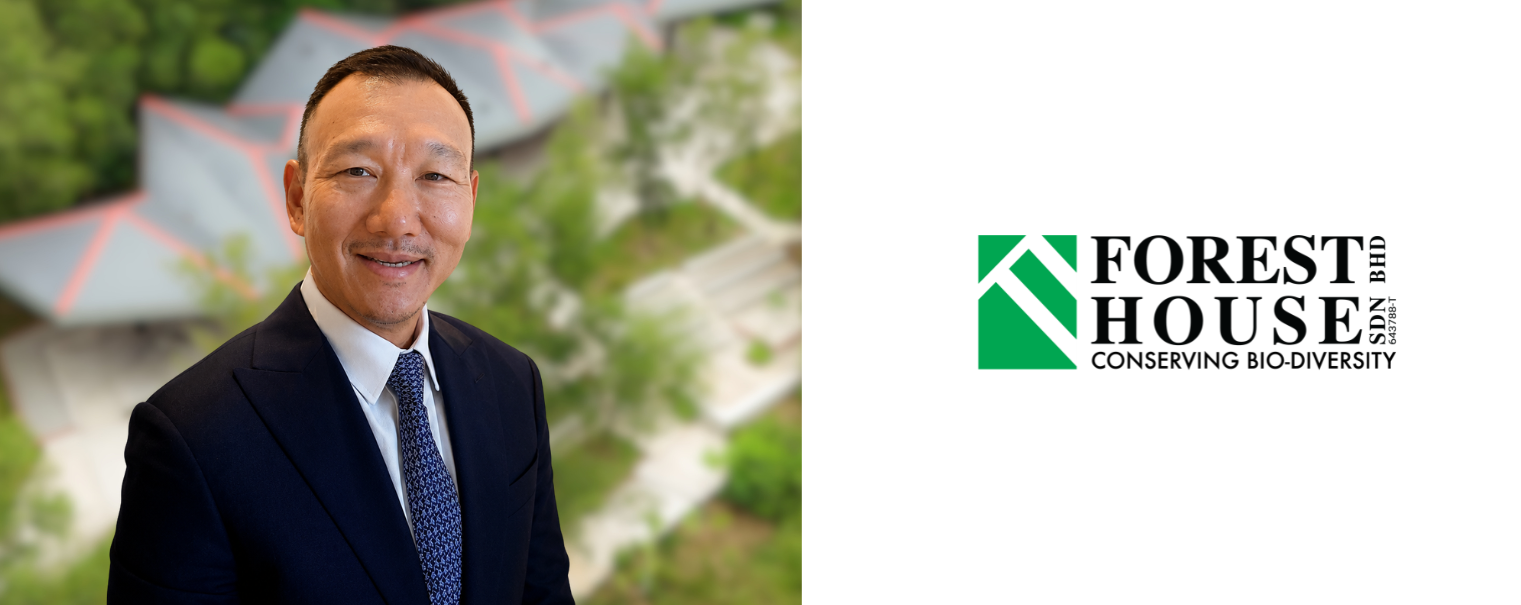
Managing Director of Forest House Sdn Bhd – Rayman Ariff Soh.
The shift changes what a landscaping contractor is asked to deliver. A visually attractive site can be completed with plants selected largely for appearance. A conservation-led project must consider where species come from, whether they can thrive on site and how the landscape will develop after handover.
Forest House describes its mission as replacing “sterile greenery with functional, resilient forest ecosystems.” The language is ambitious, but the work begins with practical tasks: surveying for seeds, collecting young plants, growing them in nurseries and preparing them for transplantation.
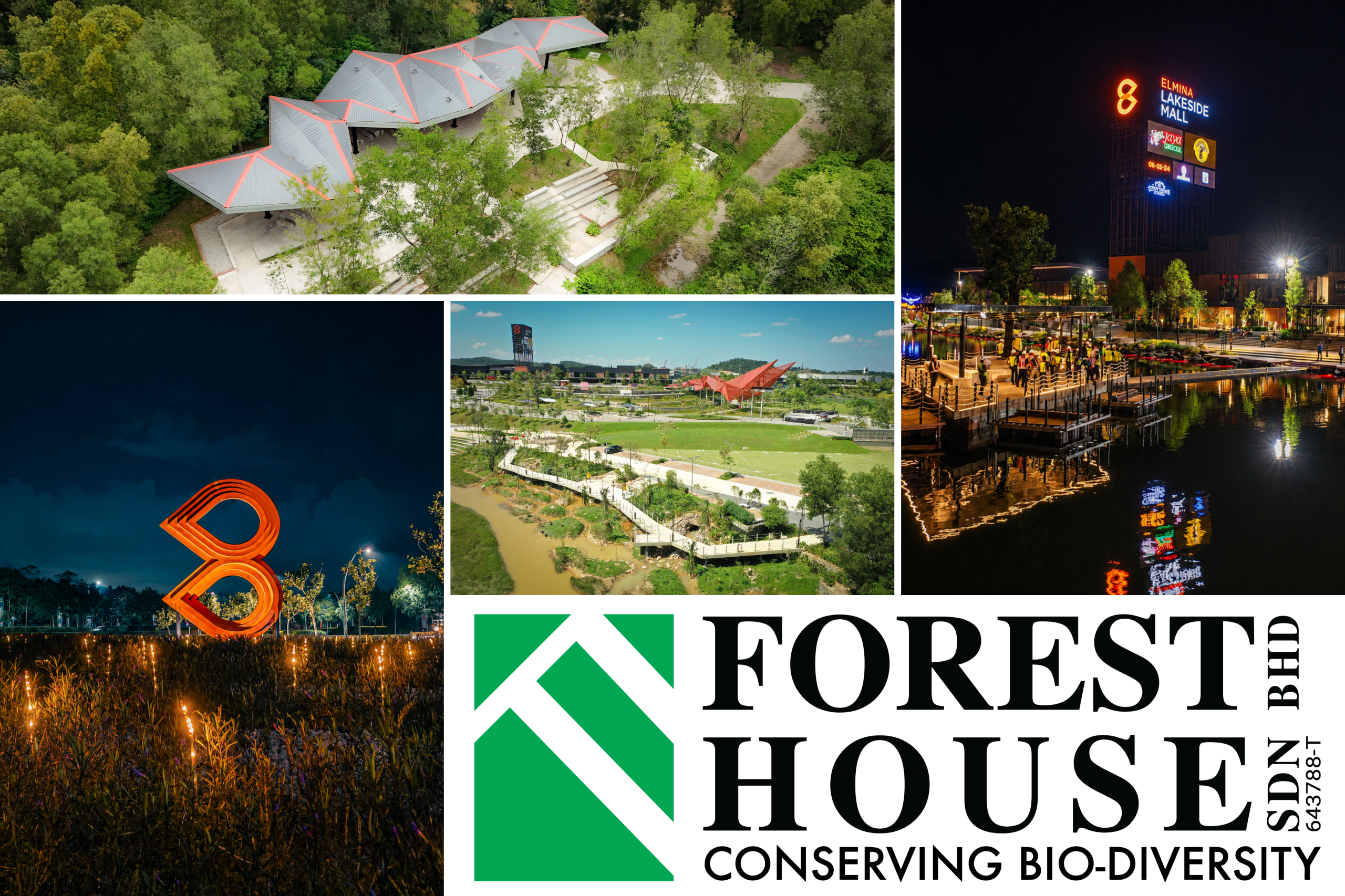
At its Ladang Escot Nursery, the company says it manages more than 50,000 seedlings and has propagated 323 forest species, including critically endangered dipterocarps. Its wider work includes commercial master plans, the UPSI Edu-Forest research trail and a Community Nursery Network across Peninsular Malaysia.
This gives Forest House a role earlier in the development process. If a project calls for native planting at scale, the right seedlings must be sourced and grown well before the site is ready. Landscape design, nursery capacity and construction schedules have to be considered together.
There is a commercial tension in that model. Developers work to fixed budgets and deadlines, while seed collection and plant growth take time. Forest House says balancing those demands has become harder as it has expanded into a CIDB G7 contractor operating across multiple states.
Its answer has been to give local nursery hubs more responsibility while using digital records to monitor work across sites. The company wants teams to respond to local conditions without losing consistency in how plants are sourced, prepared and managed.
The supply chain also has a social dimension. In the past 12 to 18 months, Forest House has worked with the CIMB Foundation and The Habitat Foundation to train members of the Orang Asli Suku Semai community in nursery management. It says this investment has required accepting pressure on short-term margins.
That willingness to make trade-offs sets a limit on the work it will pursue. Forest House does not want to build volume through projects dominated by imported or purely decorative plants. “FHSB measures growth through environmental impact,” the company says.
The next step is more demanding still. Forest House wants to contribute to regional species restoration and global Red List initiatives. To do that credibly, it will need deeper research partnerships, stronger scientific capabilities and better environmental data tracking.
For a developer, trees are easy to count. Establishing whether a landscape supports native biodiversity is harder. Forest House is betting that as expectations rise, the industry will pay closer attention to that difference.